
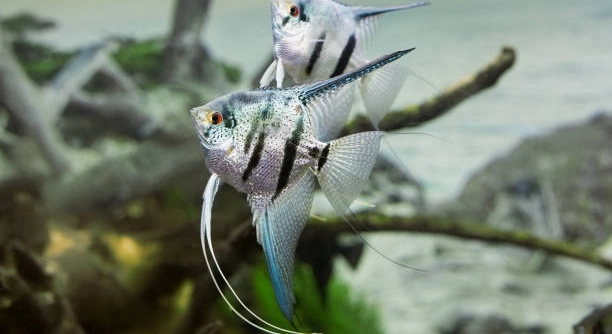
Angelfish are beautiful and delicate creatures that make a stunning addition to any aquarium. However, their well-being can be easily affected by certain tank conditions. Understanding these factors can help keep your angelfish healthy and stress-free.
Several factors can stress out angelfish, such as poor water quality, temperature fluctuations, overcrowding, and inadequate tank mates. These conditions can lead to behavioral changes, weakened immunity, and other health problems, affecting their overall well-being.
Taking the right steps to improve your angelfish’s tank environment will not only help them thrive but also ensure they live a long and happy life. Keep reading to learn more about these tank conditions and how to address them.
Poor Water Quality
Water quality plays a huge role in the health of your angelfish. When the water is dirty or contains harmful chemicals, it can lead to a range of issues, including stress, illness, and even death. Angelfish are sensitive to toxins like ammonia, nitrites, and nitrates, which are common in tanks with improper filtration. Regular water changes and proper filtration are key to keeping your fish happy.
Dirty water can irritate your angelfish, causing them to hide or act strangely. It also weakens their immune system, making them more vulnerable to diseases. Keeping the water clean ensures your fish thrive and reduces the risk of health problems.
You can improve water quality by checking the tank’s filtration system regularly and removing debris. It’s also important to monitor the water’s pH, temperature, and hardness to keep them at the right levels. Testing kits are a great tool to keep track of these important factors.
Temperature Fluctuations
Angelfish are very sensitive to changes in temperature. If the tank temperature fluctuates too much, it can cause them stress.
Keeping the water temperature consistent is essential for angelfish health. Aim for a temperature range of 76°F to 82°F (24°C to 28°C). If it drops or rises too much, your fish may become stressed, stop eating, or become sick.
Investing in a reliable aquarium heater can help maintain the temperature in your tank. Make sure to also monitor the temperature with a thermometer, as sudden changes can cause more harm than gradual adjustments.
Overcrowding
Overcrowding is a common issue in many aquariums, especially when fish are added without considering tank size. Angelfish need space to swim and establish territories. When too many fish are in a tank, it creates stress and competition for resources.
The ideal tank size for angelfish is at least 20 gallons for a pair, with additional space for each extra fish. If there are too many fish, the water quality can deteriorate more quickly, causing further stress. Keep an eye on the number of fish in your tank to ensure a healthy environment for your angelfish.
In addition to water quality concerns, overcrowding can lead to aggression. Angelfish may fight over space and food, which can lead to physical injuries and stress. Monitoring tank population levels and ensuring each fish has enough room is key to maintaining a peaceful, healthy tank.
Incompatible Tank Mates
Choosing the right tank mates is essential for the well-being of your angelfish. Some fish may be too aggressive or too shy, causing stress. When fish species have conflicting temperaments, it can result in stress, injury, or even death.
Angelfish are relatively peaceful but can become territorial, especially during breeding. Avoid keeping them with overly aggressive fish like cichlids or fast swimmers that might outcompete them for food. You should also avoid small, delicate fish that may become targets of aggression.
Choosing tank mates with similar temperaments and ensuring there’s enough space for everyone helps prevent stress. Consider adding peaceful species like tetras or gouramis, which will coexist well with angelfish. Ensuring harmony between fish will keep everyone happy and healthy.
Poor Diet
Angelfish need a well-balanced diet to stay healthy. Feeding them the wrong food or not providing enough variety can lead to malnutrition, stress, and disease.
A diet high in protein and supplemented with vegetables is ideal for angelfish. Regularly offer high-quality flakes, pellets, and occasional live or frozen foods like brine shrimp or bloodworms.
Make sure to avoid overfeeding, as leftover food can pollute the tank and impact water quality. A varied diet helps boost their immune system and overall well-being.
Water Changes
Water changes are crucial for maintaining a healthy environment for your angelfish. Changing part of the water weekly helps remove harmful toxins.
Regular water changes ensure that harmful substances like ammonia and nitrates don’t build up in the tank. Aim to change 25% to 30% of the water every week, using a gravel vacuum to remove debris from the bottom.
Keeping the water fresh and clean will help your angelfish avoid stress caused by poor water quality.
FAQ
What are the signs that my angelfish is stressed?
Stress in angelfish can be noticeable through certain behaviors. They may stop eating, hide more than usual, or swim erratically. You might also see signs of illness, such as faded color, clamped fins, or rapid breathing. Stress is often caused by poor water quality, overcrowding, or incompatible tank mates.
How often should I feed my angelfish?
Feed your angelfish once or twice a day, offering only what they can consume in 2-3 minutes. Overfeeding can lead to water quality issues and health problems. A balanced diet, including high-quality flakes or pellets and occasional live or frozen foods, will keep them healthy.
Can angelfish live with other fish?
Yes, angelfish can live with other fish, but it’s important to choose peaceful tank mates. They do well with species like tetras, gouramis, or catfish. Avoid aggressive fish that might cause stress or fight with them. Make sure your tank is spacious enough for everyone to have their space.
How do I keep the water temperature stable for my angelfish?
To maintain a stable temperature, invest in a reliable aquarium heater. Set the temperature between 76°F and 82°F (24°C to 28°C). Use a thermometer to monitor the water regularly and adjust the heater if needed. Sudden temperature changes can stress out your angelfish.
What type of filter is best for an angelfish tank?
A high-quality filter is essential for maintaining good water quality. Canister filters and hang-on-back filters work well for angelfish tanks. Ensure the filter is powerful enough to handle the tank’s size but not too strong, as angelfish don’t like strong currents.
How do I prevent algae growth in my angelfish tank?
Excessive algae can stress your angelfish by blocking light and using up oxygen. To prevent algae, keep the tank clean and perform regular water changes. Avoid leaving the lights on for too long, and consider adding algae-eating fish like plecos or snails to help control growth.
Can angelfish breed in a community tank?
Angelfish can breed in a community tank, but it can be tricky. They may become territorial, especially during breeding, and may become aggressive towards other fish. If you plan to breed them, it’s a good idea to separate the pair into a breeding tank to prevent conflicts.
What is the best tank size for angelfish?
A minimum of 20 gallons is recommended for a pair of angelfish. If you have more angelfish or other tank mates, you’ll need a larger tank. More space helps reduce stress, gives your angelfish room to swim, and improves water quality by spreading out waste.
Why is my angelfish swimming at the surface or near the bottom?
Angelfish may swim at the surface if they need more oxygen or if there’s something wrong with the water. Check the water quality, especially the oxygen levels. If they swim near the bottom, it could be a sign of illness or stress. Examine water parameters and tank conditions.
Is it necessary to use aquarium salt for angelfish?
Aquarium salt can be used for treating certain fish diseases, but it’s not necessary for daily care of angelfish. Salt can sometimes stress them out if used improperly. If you do use salt, be sure to follow the correct dosage and only for specific health reasons.
Can I use tap water for my angelfish tank?
Tap water is typically safe for angelfish, but you should always treat it before adding it to the tank. Tap water may contain chlorine or chloramine, which can harm fish. Use a water conditioner to neutralize these chemicals before adding water to your tank.
How do I handle aggression between angelfish?
Angelfish can become territorial, especially when breeding. If aggression occurs, try rearranging the tank to break up established territories. If one fish is being particularly aggressive, consider removing it or separating the pair. Keeping your angelfish with peaceful tank mates can help reduce aggression.
What should I do if my angelfish is not eating?
If your angelfish isn’t eating, check the water quality first. Poor water conditions or stress could cause them to lose appetite. Also, ensure you’re offering a varied diet and that the food is appropriate for their size. If the issue continues, check for signs of illness.
How can I tell if my angelfish is sick?
Sick angelfish may show signs such as faded colors, clamped fins, erratic swimming, or refusal to eat. They may also have lesions, bloating, or abnormal growths. If you notice these symptoms, examine the water quality and consult a vet or fish expert for treatment.
Are angelfish sensitive to light?
Yes, angelfish can be sensitive to bright or harsh light. While they do need light for a healthy environment, ensure that the tank light is not too intense. Provide periods of darkness by turning off the light for 8-12 hours a day to mimic natural day-night cycles.
How can I help my angelfish adapt to a new tank?
To help your angelfish adjust, set up the tank properly before introducing them. Ensure the water quality is optimal, and the tank is free of any sudden changes in temperature. When placing the fish in the new tank, acclimate them slowly by floating the bag in the tank first to equalize the temperature.
Final Thoughts
Angelfish are beautiful and relatively low-maintenance fish, but they still require careful attention to their environment. Stress from poor tank conditions can significantly affect their health and well-being. Whether it’s poor water quality, fluctuating temperatures, overcrowding, or incompatible tank mates, these factors can lead to both physical and behavioral problems in your fish. By understanding the common stressors and taking steps to prevent them, you can help your angelfish thrive in a safe and healthy environment.
It’s important to remember that maintaining a healthy aquarium involves more than just feeding your fish. Regular water changes, proper filtration, and ensuring the right temperature and water parameters are crucial. Additionally, choosing the right tank mates and avoiding overcrowding can help reduce stress and prevent aggression among your fish. Regular observation of your angelfish will help you spot signs of stress or illness early, allowing you to address the problem before it gets worse.
By being proactive about water quality, temperature stability, and tank conditions, you create a peaceful habitat for your angelfish to grow and flourish. Keeping an eye on their behavior and health will not only prevent stress but also lead to a more enjoyable aquarium experience for both you and your fish. Ultimately, with a little care and attention, you can ensure that your angelfish live a long and happy life in their home tank.

Hello,
If you enjoy the content that we create, please consider saying a "Thank You!" by leaving a tip.
Every little bit helps us continue crafting quality advice that supports the health, happiness, and well-being of pets around the world, for pets of all shapes, sizes, and species.
We really appreciate the kindness and support that you show us!