
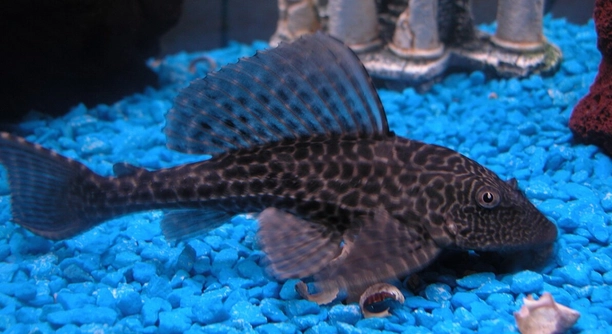
Maintaining a healthy environment for your pleco is crucial for its well-being. Tank conditions play a big role in how your fish thrive and grow. Understanding the factors that promote pleco health can improve their overall quality of life.
Optimal tank conditions for plecos include stable water parameters, proper filtration, appropriate tank mates, and a well-maintained habitat. Ensuring these factors creates a healthy, stress-free environment that supports the pleco’s immune system, growth, and natural behaviors.
Adjusting your tank setup to support pleco health can make a noticeable difference. The following conditions will ensure your pleco thrives and remains in great shape.
Stable Water Parameters
One of the most important factors for pleco health is maintaining stable water parameters. Plecos are sensitive to changes in temperature, pH, ammonia, nitrite, and nitrate levels. Regular water testing can help you monitor these factors and make adjustments as needed. Keeping your tank’s water parameters consistent will reduce stress and improve the overall well-being of your pleco. Stable water helps prevent diseases and ensures your pleco’s immune system remains strong.
It’s important to regularly check and adjust your water conditions. A stable environment supports healthy growth and behavior in your pleco.
To maintain stable water, use a reliable water testing kit to check the levels of pH, ammonia, nitrite, and nitrate. Regular water changes will help keep toxins low and ensure that the water quality stays optimal. A quality filter can also assist in keeping the water clean, removing harmful substances, and supporting a healthy biological cycle. By making these adjustments, you can provide a more stable environment, which will contribute significantly to the long-term health of your pleco.
Proper Filtration
Proper filtration is crucial for maintaining water quality. Plecos produce a lot of waste, and without an efficient filter, harmful substances can quickly build up, negatively impacting your fish’s health.
A good filter will help remove excess debris, waste, and toxins from the water. It also promotes oxygen exchange, which plecos need to stay healthy. Make sure the filter is appropriately sized for the tank to maintain optimal water flow.
Filtration systems come in different types, such as hang-on-back filters, canister filters, or sponge filters. Choose one that fits your tank’s size and pleco’s needs. Plecos prefer a slightly higher water flow, but too much can cause stress, so be mindful of this balance. Regular maintenance of the filter is key to ensuring that it functions properly. Cleaning the filter media without disrupting the biological bacteria colonies is also important for a healthy filtration system. By providing proper filtration, you ensure the water stays clean and your pleco stays healthy.
Appropriate Tank Size
Plecos require space to thrive. A tank that is too small will restrict their growth and lead to stress. The general rule is to provide at least 20 gallons of water for each pleco, with larger species needing even more room.
A larger tank offers more stable water parameters and gives plecos room to swim and explore. Plecos are naturally active, and they need space to find food, hide, and establish territory. In a cramped tank, they can become stressed, leading to poor health and even aggression toward other tank mates.
In addition to providing space, a larger tank also allows you to add appropriate filtration, which is essential for keeping the water clean. Having more water volume helps to dilute harmful substances and maintain a more stable environment. If you want your pleco to grow healthy and strong, a spacious tank is a must. A bigger setup also makes it easier to maintain optimal water parameters, as the larger volume is more forgiving to fluctuations.
Proper Tank Mates
Not all tank mates are suitable for plecos. Some species may be too aggressive, while others may not get along well with plecos’ nocturnal nature. It’s important to choose peaceful species that won’t stress your pleco.
The best tank mates for plecos include other peaceful fish that won’t compete for food or territory. Avoid putting plecos with overly aggressive or territorial fish, as this can cause constant stress. Peaceful schooling fish, like tetras, work well in a pleco setup. Plecos are bottom dwellers, so ensure their tank mates aren’t bottom feeders to avoid competition for food.
It’s also important to keep in mind that plecos are nocturnal and may prefer a quieter, less active environment. While they are generally peaceful, they can become stressed in tanks with overly active or aggressive fish. When choosing tank mates, always consider the pleco’s temperament and activity level. This will ensure they feel comfortable and secure, which in turn promotes better health and growth. The right mix of tank mates will reduce stress and allow your pleco to thrive.
Proper Substrate
The substrate in your pleco’s tank should mimic their natural habitat. Plecos are bottom dwellers and benefit from having a soft, sandy substrate. Avoid sharp gravel, as it can damage their delicate underbellies.
A soft, sandy substrate allows plecos to forage naturally, without causing harm to their bodies. Plecos like to sift through the sand in search of food. Having a smooth substrate prevents injuries and promotes natural behaviors, which are vital for their well-being.
Additionally, the right substrate helps maintain good water quality. Sand doesn’t trap debris as easily as gravel, making it easier to clean. If you choose gravel, make sure it’s rounded and not sharp. Providing the right substrate also contributes to overall tank aesthetics, enhancing the environment for both the pleco and other fish.
Adequate Hiding Spots
Plecos are shy creatures and need places to hide when they feel threatened. Offering various hiding spots, such as caves, driftwood, or plants, is essential for their comfort and health.
Plecos feel more secure in a tank with places to retreat to. This reduces stress and allows them to rest properly. Hiding spots also mimic the pleco’s natural environment, where they would seek shelter from predators and during the day. Providing adequate hiding spots encourages natural behaviors and helps plecos feel safe.
Lighting and Temperature
Plecos are sensitive to light and prefer dimmer conditions, especially during the day. They thrive in tanks with low to moderate lighting that simulates their natural habitat.
Maintaining the right temperature is crucial for pleco health. A consistent water temperature between 74°F and 80°F (23°C to 27°C) supports optimal metabolic function. Sudden temperature fluctuations can stress plecos, making them more susceptible to illness. Using a reliable heater and thermometer helps ensure the temperature stays stable.
FAQ
How often should I clean my pleco’s tank?
Regular tank maintenance is key to a healthy environment. You should perform partial water changes every 1 to 2 weeks to keep the water clean and remove toxins like nitrates. The frequency of cleaning depends on your tank’s size and the number of fish you have. For a tank with a pleco and other fish, you may need to clean more often. Additionally, cleaning the filter every 4 to 6 weeks will ensure it functions properly. When cleaning, avoid removing all the water or cleaning everything at once to preserve the beneficial bacteria in the tank.
What type of food should I feed my pleco?
Plecos are primarily herbivores and need a varied diet to stay healthy. Offer a mix of sinking pellets, algae wafers, and fresh vegetables like zucchini, cucumber, and spinach. You can also occasionally provide protein-rich foods such as brine shrimp or bloodworms. Make sure to feed your pleco after the lights go out, as they are nocturnal and prefer to eat in low-light conditions. Providing a variety of foods will ensure they get the right balance of nutrients. Don’t overfeed, as excess food can pollute the water and lead to health issues.
Can plecos live with other fish?
Yes, plecos can live with many other fish species, as they are generally peaceful and bottom-dwelling. However, it’s important to choose compatible tank mates. Avoid aggressive or territorial fish that might bully the pleco. Peaceful species like tetras, rasboras, or guppies are good choices. Be mindful of tank size and the pleco’s need for space. Larger pleco species can become territorial, especially if the tank is overcrowded. Providing enough hiding spots can reduce stress and allow your pleco to coexist peacefully with other fish.
What size tank does a pleco need?
The size of the tank depends on the species of pleco you have. For small species, a 20-gallon tank is sufficient. However, larger species, like the common pleco, need much more space, typically a 75-gallon tank or larger. A larger tank provides more room for swimming, helps maintain stable water conditions, and reduces stress. Plecos are active fish and need space to thrive. Be sure to also consider the number of fish in the tank, as overcrowding can lead to poor water quality and health problems.
Why is my pleco not eating?
If your pleco isn’t eating, there could be several reasons. First, check the water conditions, as poor water quality or temperature fluctuations can stress your pleco, leading to a lack of appetite. Additionally, plecos are nocturnal, so make sure they are getting food in the evening when they are most active. If you’re offering the right food and conditions are optimal, try adding a variety of foods like fresh vegetables or algae wafers. If your pleco continues to refuse food, consider consulting a vet to rule out illness.
How do I keep the water clean for my pleco?
To keep the water clean, maintain a regular cleaning schedule that includes partial water changes every 1 to 2 weeks. Use a good-quality filter that matches your tank size to help remove debris and maintain water clarity. Remove any uneaten food after a few hours to prevent it from decaying and causing harmful spikes in ammonia and nitrate levels. Clean the substrate with a siphon to remove waste buildup. Also, make sure to monitor water parameters regularly using a test kit, and keep the tank’s filtration system well-maintained.
Can plecos live in cold water?
Plecos are tropical fish and prefer warmer water temperatures, typically between 74°F and 80°F (23°C to 27°C). They are not suited for cold water tanks and can become stressed or even ill if the water temperature drops too low. If you keep your pleco in a tank with cooler water, consider using a heater to maintain a stable temperature. Consistent water temperature is crucial for their health, as sudden changes can weaken their immune system and make them more prone to disease.
Do plecos need a lot of oxygen?
Plecos, like many other fish, require oxygenated water to thrive. A properly functioning filter helps oxygenate the water by creating water movement and promoting gas exchange. Although plecos don’t require as much oxygen as some species, they still benefit from good water circulation. Adding an air pump or ensuring the filter provides adequate surface agitation will help maintain oxygen levels. Regular water changes also improve oxygen exchange and prevent stagnation, which is crucial for pleco health.
What is the lifespan of a pleco?
The lifespan of a pleco can vary depending on the species, but most plecos live for 10 to 15 years in optimal conditions. Some species, like the common pleco, can live even longer with proper care. Providing a spacious tank, stable water conditions, and a varied diet will help ensure your pleco lives a long, healthy life. Regular monitoring and maintaining tank parameters are essential to preventing common diseases and health issues that could shorten their lifespan.
Do plecos need plants in their tank?
While plecos don’t directly need plants, having live plants in the tank can benefit both the pleco and the overall tank environment. Plants provide hiding spots, help reduce stress, and can improve water quality by absorbing excess nutrients. Some plecos, like the bristlenose pleco, also enjoy nibbling on plant matter, which can contribute to their diet. Be sure to choose hardy plants that can withstand the pleco’s activity. Floating plants or low-light plants work best, as plecos prefer dim lighting and may uproot delicate plants.
Final Thoughts
Taking care of a pleco involves creating the right environment for them to thrive. Stable water parameters, proper filtration, and a spacious tank are essential to keeping your pleco healthy. By maintaining the water quality and ensuring the tank is large enough, you’ll provide your pleco with the space and conditions it needs to grow strong. Plecos can be relatively low-maintenance if their basic needs are met, but regular attention to water conditions, feeding, and cleaning will go a long way in keeping them happy and healthy.
Choosing the right tank mates is also an important part of pleco care. Peaceful species that won’t compete for food or space are best. Plecos can live alongside many other fish, but it’s essential to make sure they don’t feel crowded or threatened. Providing plenty of hiding spots, like caves or plants, will allow your pleco to rest and retreat when it feels the need to. This will help reduce stress, which is one of the leading causes of health problems in fish.
Ultimately, the key to a healthy pleco is understanding its specific needs and adjusting the tank accordingly. Regular maintenance, appropriate food, and proper tank conditions will ensure your pleco lives a long and happy life. Although they require some effort to care for, plecos can bring beauty and interest to your tank. By following the tips and guidelines shared, you’ll be well on your way to providing a great home for your pleco.

Hello,
If you enjoy the content that we create, please consider saying a "Thank You!" by leaving a tip.
Every little bit helps us continue crafting quality advice that supports the health, happiness, and well-being of pets around the world, for pets of all shapes, sizes, and species.
We really appreciate the kindness and support that you show us!