
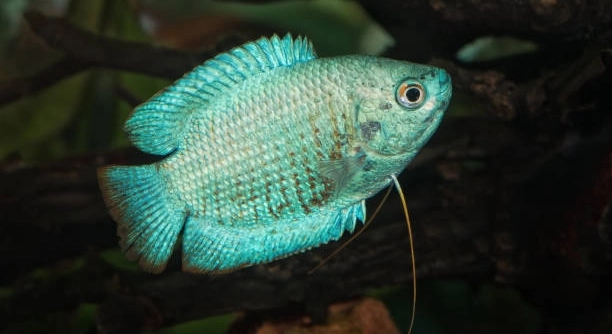
Gouramis are a popular aquarium fish known for their vibrant colors and calm nature. However, to ensure they thrive, specific tank conditions are necessary. Understanding these requirements will help provide them with a comfortable, healthy environment.
Gouramis need stable water conditions, appropriate tank size, and sufficient hiding spots. They thrive in warm, slightly acidic water, with a steady filtration system and gentle water movement. Ensuring these elements can support their well-being.
Creating the perfect environment for your gourami will help them flourish and stay healthy. Let’s explore the essential tank conditions needed to keep your fish happy.
Stable Water Temperature is Essential
Maintaining a consistent water temperature is crucial for gourami health. These fish prefer water between 74°F and 80°F (23°C to 27°C), and any significant fluctuation can cause stress. Sudden temperature changes can weaken their immune systems, making them more susceptible to diseases. Using a reliable aquarium heater is recommended to keep the water temperature stable.
A thermometer in the tank helps monitor fluctuations. Regularly check the temperature to ensure it stays within the ideal range. Avoid placing your tank in areas where temperature changes are frequent, such as near windows or air conditioners.
The right temperature range encourages active swimming and proper digestion in gouramis. By maintaining a steady temperature, you’re helping them stay comfortable and thrive in their aquatic home.
Proper pH Levels Matter
Gouramis prefer slightly acidic to neutral water, typically with a pH between 6.0 and 7.5. Water that is too acidic or too alkaline can stress them out and even lead to health problems over time. Checking the pH regularly and adjusting it if necessary ensures they stay in their preferred range.
To maintain optimal pH levels, you can use a quality water testing kit to monitor and adjust the water’s acidity as needed. Aquarium additives or pH-adjusting solutions can help, but be cautious about making drastic changes, as rapid shifts can harm the fish.
Keeping the pH balanced is vital for their well-being. It helps promote better breathing, immune function, and overall health in your gourami.
Tank Size and Space for Swimming
Gouramis need enough space to swim and explore. A minimum of a 20-gallon tank is ideal for a single gourami, but a larger tank is always better. A bigger tank not only offers more swimming space but also helps maintain stable water conditions. Overcrowding can lead to stress and territorial behavior.
Larger tanks allow for more hiding spots and decorations, which gouramis appreciate. When selecting tankmates, make sure they are compatible and that the tank isn’t too cramped. Overcrowding can also lead to poor water quality, which harms the fish’s health.
A spacious environment supports your gourami’s natural behavior and promotes better physical health. Providing the right amount of space ensures your fish remain active and stress-free.
Proper Filtration System
A good filtration system is a must-have for maintaining clean water in the tank. Gouramis prefer moderately filtered water, as strong currents can stress them. A gentle filtration system will help remove toxins and debris without disturbing the fish too much.
The filter should provide a steady flow that doesn’t disrupt the water’s calmness, ensuring the water remains clean without creating strong currents. A good filter will also help maintain stable water parameters like pH and temperature. Regular maintenance, like cleaning the filter and replacing media, is crucial to keep it working effectively.
By maintaining clean water, you ensure a healthier environment for your gourami to thrive. A proper filtration system reduces the risk of disease and keeps the tank in top condition.
Proper Lighting for Gouramis
Gouramis do well with a moderate lighting schedule. Too much light can stress them out, while too little can affect their behavior and health. Aim for about 10 to 12 hours of light per day. You can adjust it based on the needs of your tank.
Using LED lights is often preferred as they provide consistent lighting and are energy-efficient. Be mindful of the placement of the lights, ensuring they don’t directly shine into the tank too harshly. Gouramis also benefit from having a natural day-night cycle, which keeps their routine balanced.
Proper lighting contributes to your gourami’s overall well-being. It also promotes healthy plant growth, which can further enhance their environment.
Water Hardness
Gouramis thrive in water with moderate hardness, ideally between 4-18 dGH. Water that is too hard or too soft can cause stress and lead to health issues over time. Regularly check the water hardness and adjust it accordingly.
Using water conditioners or mineral supplements can help maintain the correct hardness. Be cautious when making changes, as sudden shifts can harm the fish. Consistent water hardness promotes better osmoregulation and overall health for your gourami.
Hiding Spots and Plants
Gouramis enjoy having places to hide, especially if there are other fish in the tank. Adding plants, caves, or decorations creates a sense of security for your fish. These hiding spots also allow your gourami to establish territories and reduce stress.
Plants, whether live or artificial, help recreate a more natural environment, offering both shelter and food for your fish. They also improve water quality by absorbing excess nutrients. Make sure to trim any overgrown plants to avoid cluttering the tank.
A well-decorated tank that includes hiding spots contributes to a less stressful, more natural habitat for your gourami.
FAQ
What should the water temperature be for gouramis?
Gouramis thrive in a temperature range of 74°F to 80°F (23°C to 27°C). Consistency is key. Sudden fluctuations can cause stress and weaken their immune systems. A reliable aquarium heater will help maintain the proper temperature and ensure the water stays stable.
Can gouramis live in a tank with other fish?
Yes, gouramis are generally peaceful and can live with other fish, but they should be housed with non-aggressive species. Avoid keeping them with fish that are too aggressive or those that may compete for food. Ensure there is enough space and hiding spots for everyone.
How often should I clean my gourami’s tank?
Routine cleaning is necessary to maintain a healthy environment. Perform partial water changes (about 25-30%) once a week, and clean the tank decorations and filter every month. Regular water testing is also essential to monitor pH, temperature, and other water parameters.
Do gouramis need a filter?
Yes, gouramis need a filtration system to keep the water clean and free from harmful toxins. However, the flow should be gentle, as strong currents can stress them. A good filtration system helps remove debris, maintain water quality, and balance the tank’s environment.
Can gouramis live in cold water?
No, gouramis prefer warm water and cannot survive in cold temperatures. Water temperatures lower than 74°F (23°C) can lead to stress and health issues. It’s important to maintain a warm environment to support their immune system and overall well-being.
What size tank do gouramis need?
A 20-gallon tank is the minimum recommended size for a single gourami. If you plan to keep multiple gouramis or other fish, a larger tank is ideal. Larger tanks provide more space for swimming and help maintain stable water conditions.
How can I tell if my gourami is stressed?
Stress in gouramis can be indicated by hiding more than usual, excessive fin flicking, or refusal to eat. They may also show signs of physical changes, such as faded colors or rapid breathing. Ensuring the right tank conditions will help reduce stress.
What do gouramis eat?
Gouramis are omnivores and will eat a variety of foods. They can be fed high-quality flakes, pellets, frozen or live food like brine shrimp, and plant matter like algae and greens. A balanced diet ensures proper growth and health.
Do gouramis require a specific pH level?
Yes, gouramis prefer slightly acidic to neutral water with a pH between 6.0 and 7.5. Water that is too acidic or too alkaline can cause stress and health issues. Regularly test the water and adjust the pH as needed.
How long do gouramis live?
Gouramis typically live for 5 to 7 years when kept in proper conditions. Some species may live longer with optimal care. Providing stable water quality, a balanced diet, and regular tank maintenance can help them reach their full lifespan.
Are gouramis hard to care for?
Gouramis are relatively easy to care for, especially if you maintain the right water conditions. They are hardy fish but still need attention to detail, such as temperature control, tank size, filtration, and proper feeding. With the right environment, they can thrive.
Why is my gourami not eating?
If your gourami is not eating, it may be due to stress, water quality issues, or illness. Check the water parameters and ensure there are no aggressive tankmates. If the problem persists, consider consulting a vet or aquatic expert to rule out health issues.
Can gouramis live in a tank with plants?
Yes, gouramis love plants. They provide hiding spots, improve water quality, and mimic their natural environment. Live plants can also act as a food source, as gouramis may nibble on algae and plant matter. Just ensure the plants don’t overcrowd the tank.
How do I know if my gourami is sick?
Signs of illness in gouramis include faded colors, loss of appetite, abnormal swimming behavior, or lesions on the body. If you notice any of these symptoms, it’s important to test the water quality and isolate the sick fish if necessary. Early intervention can prevent further issues.
Can gouramis be kept in a community tank?
Yes, gouramis can live in a community tank with peaceful fish. Be sure to choose tankmates that won’t harass them. Avoid overly aggressive species, and make sure the tank is large enough to accommodate everyone comfortably. Providing hiding spots helps reduce stress.
What are some good tankmates for gouramis?
Good tankmates for gouramis include peaceful fish like tetras, corydoras catfish, and rasboras. Avoid aggressive fish like cichlids or fast-moving species that may stress them out. Consider the temperament and size of other fish before introducing them to your gourami’s tank.
Final Thoughts
Caring for gouramis requires attention to detail and understanding their specific needs. By providing a stable environment with the right water conditions, temperature, and tank size, your gouramis will thrive. These fish are generally hardy and adaptable, but like all species, they require proper care to ensure their long-term health and happiness. Regular water testing and maintenance are essential for keeping the tank clean and free of harmful toxins, and keeping an eye on their behavior can help you catch any problems early.
Gouramis are peaceful fish that can coexist with other species in a well-maintained community tank. However, it’s important to choose compatible tankmates, as aggressive or overly active fish may stress them out. With plants, hiding spots, and gentle filtration, you can create a comfortable and safe environment for them. Keeping their water at the right temperature and pH is vital to prevent health problems. Regularly monitoring the water quality and feeding them a balanced diet will also ensure they remain healthy and active.
In the end, providing a well-maintained tank with the proper conditions and care is the key to raising happy and healthy gouramis. With a little effort, these fish can live for many years, adding beauty and interest to your aquarium. Whether you’re a beginner or an experienced fish keeper, understanding the specific needs of gouramis will allow you to enjoy their company for a long time. If you follow the basic care guidelines, your gouramis will reward you with their graceful movements and colorful appearance.

Hello,
If you enjoy the content that we create, please consider saying a "Thank You!" by leaving a tip.
Every little bit helps us continue crafting quality advice that supports the health, happiness, and well-being of pets around the world, for pets of all shapes, sizes, and species.
We really appreciate the kindness and support that you show us!