
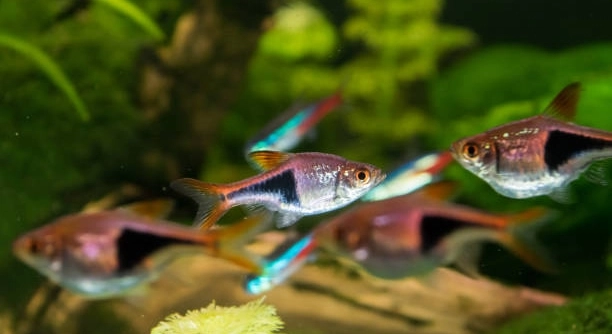
Keeping a tank clean is important for rasboras to thrive. Even small changes in water and decorations can affect their comfort and health, so regular care makes a noticeable difference in their daily behavior.
Rasboras prefer a tank that is cleaned consistently with gentle methods. Frequent partial water changes, careful substrate vacuuming, and removal of uneaten food maintain optimal water quality and reduce stress, promoting healthy swimming patterns and natural coloration in the fish.
Following these basic practices helps ensure your rasboras stay happy and healthy, creating a balanced and safe environment for them to flourish.
Regular Partial Water Changes
Rasboras thrive in clean water, but complete water changes can be stressful. Partial water changes of about 20–30% once a week help maintain stable water parameters. This routine reduces nitrate buildup, keeps ammonia low, and prevents sudden chemical fluctuations that could harm delicate fish. It also preserves beneficial bacteria in the filter, which is essential for a healthy tank ecosystem. Removing some water regularly allows you to clean the substrate gently without disturbing your rasboras too much. Over time, this habit stabilizes the tank environment and keeps your fish more active and vibrant. Many owners notice that rasboras swim more confidently and school better when water changes are consistent. Combining this with filter maintenance ensures that your tank remains safe and clear. Even small, regular efforts prevent larger problems that could affect their health, making tank care more manageable and less time-consuming over the long term.
Partial water changes are the most effective way to maintain stable water conditions for rasboras.
Consistent partial water changes prevent spikes in harmful chemicals and protect the delicate balance in your tank. Even a 20% weekly change improves water clarity, reduces debris, and keeps fish stress low. Pairing water changes with light substrate cleaning ensures waste is removed without overhandling the fish. Over time, this routine supports healthy growth, bright coloration, and natural behavior in rasboras. Many aquarists see better swimming patterns and fewer health issues when this practice is followed regularly.
Gentle Filter Maintenance
Keeping your filter clean ensures water flows smoothly and harmful substances are removed efficiently.
Cleaning the filter every two to four weeks is ideal, depending on tank size and stocking levels. Rinse filter media in old tank water rather than tap water to preserve beneficial bacteria. Avoid replacing all media at once, as this can disrupt the tank’s biological balance and increase stress for rasboras. Inspect the intake and output regularly to remove any blockages from debris or algae buildup. A well-maintained filter not only improves water clarity but also helps maintain a steady current that rasboras enjoy swimming in. The gentle flow mimics natural conditions, making the tank environment more comfortable and encouraging schooling behavior. Over time, this routine minimizes the risk of sudden spikes in ammonia or nitrates. By combining consistent filter checks with partial water changes, you can provide a stable and safe habitat where rasboras can thrive and display their natural colors.
Substrate Cleaning
Regularly cleaning the substrate prevents waste buildup that can harm water quality and stress rasboras.
Vacuuming the substrate lightly during water changes removes leftover food, fish waste, and decaying plant matter. Avoid deep stirring, which can release toxins into the water and upset your fish. Using a gravel vacuum or siphon is enough to keep the bottom clean without disturbing beneficial bacteria. Substrate cleaning combined with partial water changes keeps the tank healthier and reduces odors. It also helps maintain a visually pleasing tank, making the colors of your rasboras stand out more vividly. Over time, a clean substrate supports overall fish health and encourages natural foraging behavior, giving your rasboras a safe and comfortable space to swim freely without stress.
Gently vacuuming the substrate ensures waste does not accumulate and helps maintain water clarity.
Keeping the substrate lightly cleaned prevents harmful chemical spikes while maintaining beneficial bacteria. Deep cleaning can stress fish and disrupt the tank’s balance. A regular, gentle approach removes debris and supports a healthier environment, making rasboras more active.
Plant and Decoration Maintenance
Trim dead or decaying plant leaves to prevent water contamination and improve tank aesthetics.
Removing algae from decorations and glass keeps the tank looking fresh and reduces toxins. Plants provide hiding spots, so maintaining them encourages natural behavior. Overgrown plants can restrict swimming space, so moderate trimming helps balance shelter and movement. Decorations should be rinsed in tank water to preserve beneficial microorganisms. Cleaning both plants and decorations ensures the tank remains healthy and visually pleasing, contributing to the comfort and well-being of your rasboras.
Well-maintained plants and decorations enhance water quality and create a safer habitat.
Consistent care prevents excess waste accumulation on surfaces and supports a balanced tank ecosystem. Trimming plants and cleaning decorations reduce organic decay, keeping water clearer and lowering stress for rasboras. Healthy plants absorb nutrients, limiting algae growth, while decorations provide enrichment. This maintenance helps rasboras feel secure and encourages schooling, swimming, and natural exploration behaviors. Over time, the tank stays stable, colorful, and enjoyable for both the fish and the observer.
Filter Sponge Rinsing
Rinsing the filter sponge in old tank water keeps beneficial bacteria intact while removing trapped debris.
Avoid using tap water directly on the sponge, as chlorine can kill the helpful bacteria needed for a balanced tank.
Monitoring Water Parameters
Regular testing of ammonia, nitrite, nitrate, and pH ensures stable water conditions for rasboras. Monitoring these levels helps detect problems early and prevents stress or illness. Consistent tracking allows adjustments before water quality affects fish health. Combining parameter checks with regular maintenance routines creates a safer environment and supports natural behavior and coloration.
Gentle Glass Cleaning
Use a soft cloth or algae scraper to clean tank glass, keeping visibility clear and reducing algae buildup.
FAQ
How often should I perform partial water changes for rasboras?
Partial water changes should generally be done once a week, replacing about 20–30% of the tank water. This routine helps maintain stable water conditions, reduces nitrate buildup, and prevents harmful chemical spikes that can stress or harm rasboras. Regular changes also make cleaning the substrate easier and support the overall health of the tank ecosystem.
Can I clean the filter media with tap water?
No, tap water contains chlorine and other chemicals that can kill beneficial bacteria in the filter. Always rinse the media in old tank water during maintenance. This preserves the bacteria that break down waste and keeps the nitrogen cycle stable, which is crucial for healthy rasboras.
How do I clean the substrate without disturbing the fish?
Use a gravel vacuum or siphon to lightly clean the substrate during water changes. Avoid deep stirring, which can release trapped toxins and stress your rasboras. Focus on areas with visible debris or leftover food, and try to clean in sections to keep the tank balanced.
How much should I trim plants in the tank?
Trim dead or decaying leaves regularly and avoid cutting more than one-third of healthy foliage at a time. Overgrown plants can restrict swimming space, while regular trimming promotes healthy growth and prevents organic decay that could affect water quality.
How often should I clean decorations and remove algae?
Decorations should be rinsed and lightly scrubbed every two to three weeks, depending on algae growth. Avoid using soap or chemicals; instead, rinse them in old tank water to preserve beneficial microorganisms. Keeping decorations clean prevents excess waste buildup and maintains a comfortable environment for rasboras.
Is it necessary to test water parameters regularly?
Yes, monitoring ammonia, nitrite, nitrate, and pH levels helps prevent sudden water quality issues. Testing allows you to detect imbalances early and make corrections before they affect your fish. Stable water parameters reduce stress, support natural behavior, and help maintain vibrant colors in rasboras.
Can over-cleaning harm my rasboras?
Yes, over-cleaning the tank, filter, or substrate can disrupt beneficial bacteria and create chemical spikes. Gentle, consistent maintenance is better than deep, infrequent cleaning. Maintaining balance supports water clarity while keeping stress levels low for your fish.
What is the best way to remove algae from tank glass?
Use a soft cloth, algae scraper, or magnetic cleaner to remove algae. Clean gently to avoid scratching the glass and disturbing fish. Regular glass cleaning improves visibility and prevents algae from spreading to plants or decorations.
How do I know if my cleaning routine is effective?
Your rasboras will show signs of health and comfort: clear water, active swimming, bright coloration, and minimal stress behaviors. If water remains cloudy or fish appear lethargic, you may need to adjust the frequency or methods of cleaning. A stable, well-maintained tank reflects a good routine.
Can I combine multiple maintenance tasks in one day?
Yes, but avoid performing everything at once, especially deep cleaning and major water changes. Spacing tasks helps maintain biological balance and reduces stress for rasboras. A regular schedule with smaller, consistent actions is more effective than occasional intensive cleaning.
How do I prevent stress during tank maintenance?
Move slowly and avoid sudden movements near the tank. Perform gentle water changes and cleaning, and try not to disturb fish while vacuuming substrate or rinsing decorations. A calm approach keeps rasboras comfortable and reduces the risk of injury or illness.
Are there signs that water quality is affecting my rasboras?
Yes, look for erratic swimming, faded coloration, loss of appetite, or hiding excessively. These behaviors often indicate poor water quality. Regular monitoring, partial water changes, and substrate cleaning help prevent these problems and maintain a healthy tank environment.
Can I clean live plants in the tank?
Yes, gently trim dead leaves and rinse plants in old tank water if algae buildup occurs. Avoid using chemicals, and make small, gradual trims to prevent shocking the plants. Healthy plants improve water quality, provide hiding spots, and encourage natural rasbora behavior.
Is it necessary to clean the tank every week?
While full tank cleaning every week isn’t required, weekly partial maintenance like water changes, substrate vacuuming, and spot cleaning plants and decorations keeps conditions stable. Regular, gentle maintenance is better than infrequent deep cleaning, which can stress fish and disrupt the tank’s balance.
How do I keep beneficial bacteria alive while cleaning?
Avoid using tap water on filter media or substrate. Rinse items in old tank water to preserve bacteria. Also, avoid replacing all media at once and perform partial cleanings consistently. Healthy bacteria support the nitrogen cycle, keeping ammonia and nitrite levels low for safe rasboras.
Can overfeeding affect tank cleanliness?
Yes, uneaten food decomposes, increasing waste and affecting water quality. Feed rasboras small amounts they can eat in a few minutes, and remove leftovers promptly. Controlled feeding reduces cleaning frequency and helps maintain a balanced, healthy tank environment.
How important is the combination of water changes and substrate cleaning?
They work together to maintain water clarity and reduce harmful waste. Water changes dilute toxins, while substrate cleaning removes settled debris. Combining both practices consistently ensures a stable, safe, and comfortable habitat for rasboras to thrive.
What should I do if water tests show high nitrate levels?
Perform a partial water change immediately and check the filter and substrate for excess debris. Avoid overfeeding, and maintain regular cleaning routines. Re-testing after changes ensures nitrate levels return to safe limits, protecting rasboras from stress or illness.
How do I maintain tank balance when cleaning?
Clean gently, avoid removing all beneficial bacteria, and space out major tasks. Regular partial water changes, substrate vacuuming, and careful filter maintenance maintain a stable ecosystem. This approach minimizes stress, supports natural behaviors, and keeps water conditions consistent for rasboras.
Can frequent glass cleaning disturb fish?
If done gently, glass cleaning has minimal impact. Use slow movements and avoid tapping or scraping near the fish. This keeps rasboras calm while maintaining visibility and controlling algae growth. Consistent care ensures a healthy, pleasant environment without unnecessary stress.
How do I know if my filter needs more frequent attention?
If water flow slows, debris accumulates quickly, or ammonia levels rise, the filter may need cleaning sooner. Regular checks combined with gentle rinsing in old tank water keep filtration effective and maintain stable water quality for rasboras.
Maintaining a tank for rasboras may seem like a lot of work at first, but it becomes easier with a simple routine. Small, consistent efforts go a long way in keeping the water clean and safe. Partial water changes, gentle substrate cleaning, and careful filter maintenance are the foundation of a healthy tank. These tasks prevent waste buildup, maintain stable water chemistry, and reduce stress for your fish. Over time, you will notice that your rasboras swim more actively, school together naturally, and display brighter colors. Regular upkeep also makes it easier to spot potential issues early, such as unusual behavior or cloudy water, before they develop into larger problems.
Plants and decorations are another important part of a rasbora tank. Keeping plants trimmed and decorations clean not only maintains aesthetics but also supports water quality. Dead leaves or algae buildup can release harmful substances into the water if left unchecked. By taking a few minutes each week to care for plants and decorations, you create a comfortable environment for your fish to explore and hide in. A well-maintained tank encourages natural behavior, such as foraging and schooling, which is important for the health and well-being of rasboras. Even small details, like gently rinsing a filter sponge in tank water instead of tap water, can make a significant difference in keeping the biological balance stable.
Consistency is the key to long-term success with rasboras. Avoid over-cleaning or making sudden, major changes, as these can stress the fish and disrupt the tank ecosystem. Instead, aim for gentle, regular maintenance that addresses water quality, substrate, filter, plants, and decorations. Over time, this routine becomes manageable and helps ensure that the tank remains stable and comfortable. The result is a peaceful, healthy environment where rasboras can thrive. With attention to these small, daily details, your fish will remain active, vibrant, and healthy, making the effort of maintenance rewarding and worthwhile.

Hello,
If you enjoy the content that we create, please consider saying a "Thank You!" by leaving a tip.
Every little bit helps us continue crafting quality advice that supports the health, happiness, and well-being of pets around the world, for pets of all shapes, sizes, and species.
We really appreciate the kindness and support that you show us!