
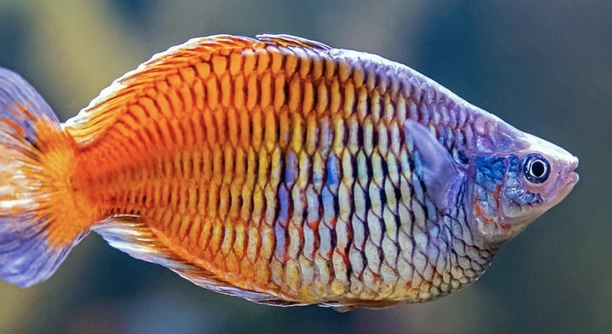
Rainbow fish are popular for their bright colors and lively personalities, making them a beautiful addition to any aquarium. However, keeping them healthy requires more than just feeding them regularly. Proper tank maintenance plays a crucial role in their well-being.
Maintaining a clean tank is essential for the health of your rainbow fish. Regular water changes, removing excess food, and proper filtration ensure a clean and safe environment for your fish, promoting their vibrant colors and active behavior.
Learning the best habits for tank cleaning will help you provide your rainbow fish with the best care possible. These simple steps will keep your aquarium healthy and your fish happy.
1. Regular Water Changes Are Key
One of the most important habits for keeping rainbow fish healthy is performing regular water changes. The water in your tank can quickly become polluted with waste, uneaten food, and excess nutrients, which can harm your fish. In general, you should change about 25% to 30% of the water every week. This helps maintain stable water quality and removes toxins that build up over time.
Changing the water helps keep your tank clean and ensures that your fish aren’t exposed to harmful substances. It also prevents algae from taking over, which can be a big problem if left unchecked. Make sure to use a water conditioner to neutralize chlorine or chloramine, as these chemicals can be toxic to fish.
While it may seem like a lot of work, this habit can make a significant difference in the health and longevity of your rainbow fish. A stable environment with clean water will allow your fish to thrive and show their true, vibrant colors.
2. Remove Leftover Food Promptly
Leftover food can quickly pollute your aquarium, leading to water quality problems. Fish usually eat only what they need, so excess food should be removed as soon as possible.
If food is left to rot, it will increase ammonia levels, leading to unhealthy tank conditions. You can use a net to scoop out any leftover food. It’s a simple yet effective way to prevent buildup.
Regularly removing food also helps keep the aquarium cleaner and makes it easier to maintain the tank in the long run. Plus, it prevents any unwanted bacteria from developing, which could harm your fish. This small habit makes a big impact on their health.
3. Use Efficient Filtration
A good filtration system is vital for maintaining clean water. Rainbow fish thrive in environments with good water flow, and a filter that works well helps keep the tank clear. The filter removes waste, debris, and harmful substances, improving the overall water quality.
When choosing a filter, make sure it’s appropriate for the size of your tank. A filter that’s too small might not clean the water well enough, while one that’s too large could create too much water flow, stressing your fish. Regularly clean the filter and change its media to ensure it functions properly.
Having a high-quality filtration system means less frequent water changes and a healthier environment for your fish. A well-maintained filter helps control ammonia, nitrites, and nitrates, which can be harmful to rainbow fish if left unchecked. By prioritizing filtration, you’ll keep the tank cleaner and your fish happier.
4. Keep Your Tank Clean of Debris
Debris such as dead plant matter, leaves, and waste can quickly accumulate at the bottom of your tank. Regularly cleaning these areas prevents water contamination. Using a gravel vacuum or siphon is an easy way to remove debris while performing water changes.
Not only does cleaning debris help maintain water quality, but it also prevents bacteria and mold from developing. When debris is left unchecked, it can quickly break down and release harmful toxins into the water. This can stress out your rainbow fish, leading to health problems.
By removing debris on a regular basis, you ensure a cleaner tank and a healthier environment for your fish. This will also make your tank look more appealing and encourage your rainbow fish to swim around comfortably. Staying on top of this task will prevent future problems.
5. Monitor Water Temperature
Rainbow fish are sensitive to temperature changes, so keeping a consistent water temperature is important. Make sure your tank is equipped with a reliable heater and thermometer. Aim for a water temperature between 74°F and 80°F (23°C to 27°C), as this range supports their natural habits.
Sudden temperature fluctuations can lead to stress or even illness in your fish. If your tank gets too cold or too hot, it can weaken your fish’s immune system. Consistent temperatures help maintain their overall health and prevent the development of disease.
Investing in a good thermometer will help you avoid these issues. Check the temperature regularly, and make adjustments as needed. A stable environment supports your rainbow fish’s immune system, keeping them vibrant and active.
6. Avoid Overcrowding the Tank
Overcrowding is a common mistake that affects the health of rainbow fish. Too many fish in a small space can lead to poor water quality, stress, and increased risk of disease. Always follow the general rule of one inch of fish per gallon of water.
When your tank is overcrowded, it becomes harder to maintain stable water conditions. Fish will compete for space, oxygen, and food, which can lead to territorial disputes and illness. The added waste from too many fish also degrades water quality quickly, making cleaning and maintenance more difficult.
By avoiding overcrowding, your fish will have more space to swim and a cleaner environment. You’ll notice your rainbow fish being more active, happier, and healthier. Ensuring proper stocking will make managing the tank easier and help avoid common problems.
7. Use Live Plants for Filtration
Live plants offer more than just aesthetic appeal to your tank. They help improve water quality by absorbing excess nutrients and providing natural filtration. Plants like Java fern or Anubias thrive in the same conditions as rainbow fish and help maintain a balanced ecosystem.
The roots of live plants help filter the water by removing nitrates and other toxins. In addition, plants provide a place for rainbow fish to hide and explore, mimicking their natural environment. A well-planted tank will be both visually appealing and beneficial for your fish.
Adding live plants can also help reduce algae growth. The plants absorb the same nutrients algae would feed on, limiting algae’s ability to thrive. By maintaining healthy plants, you can create a more stable and pleasant environment for your rainbow fish.
FAQ
What is the best filter for rainbow fish tanks?
The best filter for rainbow fish tanks should provide adequate water circulation while removing waste and debris. A good choice is a canister filter or hang-on-back filter, as they are effective at filtering larger volumes of water. Ensure the filter is suited to the size of your tank and offers mechanical, chemical, and biological filtration. Mechanical filtration removes debris, chemical filtration tackles toxins, and biological filtration helps keep ammonia levels in check by cultivating beneficial bacteria. A filter with adjustable flow is ideal, as rainbow fish prefer moderate water movement.
How often should I clean my rainbow fish tank?
Cleaning your rainbow fish tank should be a regular task. Perform a partial water change (about 25% to 30%) once a week. Along with the water change, clean the substrate using a gravel vacuum to remove waste and debris that settle at the bottom. You should also clean the filter regularly, at least every few weeks, depending on its size and the tank’s conditions. Always remove leftover food daily to avoid any accumulation that could affect water quality.
What should I feed my rainbow fish?
Rainbow fish are omnivores, so a varied diet is important for their health. Provide a mix of high-quality flakes, pellets, and occasional live or frozen foods like brine shrimp or daphnia. Be sure to offer vegetable-based food, such as spirulina or blanched spinach, to maintain a balanced diet. Feeding once or twice a day is typically sufficient, and only provide as much food as they can consume in a few minutes. Overfeeding can lead to water pollution, which harms both the fish and the environment.
How do I prevent algae in my tank?
To prevent algae from taking over your rainbow fish tank, keep a few things in mind. First, avoid overfeeding, as excess food can cause algae blooms. Ensure proper tank maintenance, including regular water changes and cleaning the substrate. Live plants also help control algae growth by competing for the same nutrients. You can also use an aquarium algae scrubber or algae-eating fish, such as otocinclus or snails, to help keep algae levels in check. Finally, limit the amount of light the tank receives by keeping it away from direct sunlight and reducing the duration of artificial lighting.
Can rainbow fish live with other fish?
Rainbow fish are generally peaceful and do well in community tanks with other non-aggressive species. They thrive with fish that share similar water conditions and aren’t overly territorial. Some good tank mates include small tetras, guppies, and Corydoras catfish. However, avoid keeping rainbow fish with larger, more aggressive species that might bully them. Always consider the tank’s size and the number of fish to avoid overcrowding, which can lead to stress and health problems.
What is the ideal water temperature for rainbow fish?
Rainbow fish prefer a temperature range of 74°F to 80°F (23°C to 27°C). Consistency is key, as sudden changes in water temperature can stress the fish and weaken their immune systems. It’s important to monitor the temperature regularly using an aquarium thermometer. You can use an adjustable heater to maintain a steady temperature, particularly in cooler climates. Keep the temperature within the ideal range to ensure your rainbow fish remain healthy and active.
Why are my rainbow fish hiding?
Rainbow fish are usually active and social, but if they are hiding, it could be a sign of stress. Stress can be caused by a variety of factors, such as poor water quality, overcrowding, or incompatible tank mates. Changes in the tank environment, such as sudden temperature fluctuations or loud noises, may also cause them to retreat. Ensure your tank conditions are stable, and give them some time to acclimate to any new additions or changes. Providing hiding places like plants or decorations can also help them feel more secure.
How do I prevent disease in my rainbow fish?
Preventing disease in rainbow fish starts with maintaining a clean and stable tank environment. Regular water changes, proper filtration, and keeping the water at the correct temperature are essential for preventing stress and illness. Avoid overcrowding and be cautious about introducing new fish or plants without quarantine, as they may carry diseases. Also, monitor your fish for signs of illness, such as changes in behavior, appetite, or appearance, and treat problems early to avoid spreading disease. Lastly, feed your fish a varied diet to boost their immune system.
Do rainbow fish need a heater?
Yes, rainbow fish need a heater to maintain a consistent water temperature. These fish are native to warm tropical waters, so a heater is necessary to keep the tank temperature stable. Without a heater, temperature fluctuations can stress the fish, making them more susceptible to illness. Choose a heater suitable for your tank size and use an aquarium thermometer to monitor the water temperature regularly. Ensure that the heater is set to keep the temperature within the ideal range of 74°F to 80°F (23°C to 27°C).
Can I keep rainbow fish in a smaller tank?
Rainbow fish can live in smaller tanks, but they will thrive better in larger ones. A tank of at least 30 gallons is recommended for a small group of rainbow fish. They are active swimmers and need space to move around. A smaller tank can quickly lead to overcrowding and water quality issues. If you are keeping rainbow fish in a smaller tank, make sure to keep the water clean, maintain proper filtration, and avoid overstocking. The more space they have, the healthier and happier your rainbow fish will be.
Final Thoughts
Maintaining a healthy environment for rainbow fish doesn’t have to be difficult, but it does require attention and consistency. Regular water changes, proper filtration, and careful tank cleaning can go a long way in keeping your fish vibrant and active. By staying on top of these tasks, you create a stable environment that supports the well-being of your fish. The key is to create a balanced ecosystem where water quality is consistently good, and the fish have enough space to thrive.
One of the most important things to keep in mind is the need for variety in their care routine. Rainbow fish are omnivores, so offering a mix of food types, including high-quality flakes, pellets, and occasional live foods, ensures they stay healthy and energized. Additionally, making sure the tank isn’t overcrowded is essential. Rainbow fish need space to swim freely, and overcrowding can lead to stress, health issues, and poor water quality. This balance is important for their long-term happiness.
Finally, don’t forget to keep a watchful eye on the fish and the tank itself. Fish are sensitive creatures, and any sudden changes in water conditions or temperature can cause stress. Regularly check for signs of illness or unusual behavior, and address any issues early to prevent problems from escalating. With the right care, rainbow fish can live long, healthy lives and continue to bring color and life to your aquarium. Just remember to be consistent with their care and make adjustments as needed to ensure they stay happy and healthy.

Hello,
If you enjoy the content that we create, please consider saying a "Thank You!" by leaving a tip.
Every little bit helps us continue crafting quality advice that supports the health, happiness, and well-being of pets around the world, for pets of all shapes, sizes, and species.
We really appreciate the kindness and support that you show us!