
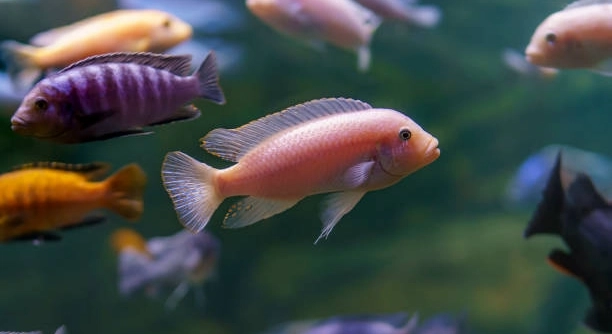
Keeping a cichlid tank clean is essential for the health of your fish. Regular maintenance ensures the water remains clear, free of harmful bacteria, and provides a safe environment for your colorful aquatic pets.
Selecting tank cleaners safe for cichlid habitats requires careful consideration of chemical composition and material compatibility. Using appropriate cleaners prevents stress, illness, and harm to fish while maintaining optimal water quality and preserving the tank’s ecosystem balance.
Choosing the right products can make tank maintenance easier, safer, and more efficient, supporting the long-term health of your cichlids and their habitat.
Gentle Algae Scrubbers
Using a soft algae scrubber is one of the safest ways to clean your cichlid tank. These scrubbers remove algae from glass and decorations without releasing harmful chemicals into the water. I like to keep one specifically for the tank to avoid cross-contamination. Regularly cleaning surfaces prevents excessive algae buildup, which can affect water quality and fish health. Algae scrubbers are especially helpful on curved or textured surfaces where a standard sponge may not reach. They work by gently lifting algae off surfaces, keeping the tank looking clear while minimizing stress for your fish.
They are easy to rinse and reuse, making them a practical choice for weekly maintenance.
Soft algae scrubbers are non-abrasive, which is important for the delicate surfaces of planted tanks. They allow you to maintain a clean habitat without introducing toxins. Consistent use keeps algae under control, reducing the need for harsh chemical cleaners. Additionally, scrubbers are quiet to use, helping avoid startling your cichlids. They are available in various sizes, allowing for cleaning of both large tanks and small, intricate decorations. I often combine the scrubber with a siphon during water changes, ensuring the tank remains healthy. Over time, this method not only improves water clarity but also supports the natural balance of beneficial bacteria, which are crucial for the nitrogen cycle. It also helps prevent sudden algae blooms, which can stress fish and obscure the beauty of your tank. Choosing the right scrubber involves considering the material, texture, and flexibility to match your tank’s surfaces.
Gravel Vacuums
Gravel vacuums are essential for removing detritus and leftover food from the tank substrate. They reduce buildup that can harm cichlids over time and keep the environment clean.
Using a gravel vacuum is straightforward but highly effective. Insert the vacuum into the substrate and gently agitate to lift debris. The siphoning process removes waste while preserving the gravel or sand. This method is especially helpful for cichlid tanks because these fish tend to stir the substrate, creating pockets of uneaten food and waste. A clean substrate reduces the risk of ammonia spikes, which can be harmful. I prefer vacuums with adjustable flow, allowing control over suction strength to avoid disturbing fish. For tanks with fine sand, a gentle vacuum prevents the sand from being sucked up while still cleaning effectively. Regular use ensures healthier water conditions, minimizes algae growth, and keeps the tank visually appealing. Gravel vacuums can be paired with partial water changes, making maintenance more efficient. Investing in a quality vacuum supports both the physical health of your cichlids and the longevity of the tank setup.
Magnetic Glass Cleaners
Magnetic glass cleaners make removing algae from tank walls quick and safe. They prevent direct contact with water, reducing the risk of disturbing fish. I use them often for tall tanks where reaching the back is difficult.
These cleaners consist of two parts: one inside the tank and one outside. Moving the external magnet scrubs algae without stressing cichlids. They work well on flat and slightly curved surfaces, though extremely textured glass may need additional cleaning. I like how they save time while keeping the tank clean and fish calm. Regular use prevents stubborn buildup, making maintenance easier. Magnetic cleaners are especially useful for weekly touch-ups, keeping tanks looking clear between deep cleanings.
Magnetic cleaners come in different sizes and strengths. Choosing the right size ensures it can handle your tank’s height and thickness. Some have scrubbing pads, while others have soft foam to prevent scratches. Using one consistently avoids algae accumulation, reducing the need for chemical cleaners. I keep one magnet dedicated to the tank to avoid cross-contamination. Combining it with periodic water changes maintains healthy water conditions and a visually appealing habitat for my cichlids. They also reduce stress since I don’t need to put my hands in the tank often.
Safe Chemical Cleaners
Certain chemical cleaners are formulated specifically for cichlid habitats. They effectively remove algae or stains without harming fish. I keep a few on hand for stubborn spots that physical tools can’t reach.
Safe chemical cleaners are free from harsh toxins and designed for aquariums. Using them according to instructions ensures water remains safe and fish remain healthy. I prefer products that break down algae and organic buildup quickly while allowing immediate water changes afterward. These cleaners help maintain a balanced ecosystem and prevent overgrowth that can stress cichlids. Some are concentrated liquids, while others are gels applied directly to affected areas. Choosing the right product depends on the tank size and type of debris. I always rinse surfaces and perform a partial water change after use to ensure no residues remain. These cleaners are practical for occasional deep cleaning when algae or mineral deposits are tough to remove physically.
Regular use of safe chemical cleaners helps control algae without introducing harmful substances. They complement physical tools like scrubbers or magnetic cleaners, ensuring a thorough cleaning. I find they are especially useful on decorations or rocks where algae can grow in crevices. Following the label directions prevents overuse, which could impact beneficial bacteria or water chemistry. Combining these cleaners with routine maintenance keeps the tank stable and fish healthy. I alternate between physical cleaning methods and chemical cleaners when needed to reduce labor while maintaining a safe, clear environment. They save time and preserve the overall balance of the aquarium.
Soft Bristle Brushes
Soft bristle brushes are ideal for cleaning delicate decorations and plants without damaging them. I often use them to remove algae from ornaments and fragile surfaces, keeping the tank safe for cichlids.
They reach small crevices that other tools can’t, preventing buildup in hidden areas. Using a brush regularly keeps decorations clean and reduces algae growth, maintaining a healthier environment for my fish.
Siphon Tubes
Siphon tubes efficiently remove debris and waste from the tank bottom. I prefer them for quick partial water changes while keeping gravel and sand clean. Regular use prevents the accumulation of harmful substances that can stress cichlids.
Aquarium-Safe Sponges
Sponges made specifically for aquariums are gentle and effective. I use them to wipe glass and surfaces without introducing chemicals, keeping water safe for fish.
Bottle Brushes
Bottle brushes are perfect for cleaning narrow tubes, filters, or intricate decorations. Their flexible bristles reach tight spots, preventing clogs and buildup, which supports a healthier tank environment. I keep one dedicated to the tank to avoid contamination and maintain consistent cleaning results.
FAQ
What type of tank cleaner is safest for cichlids?
The safest cleaners for cichlid tanks are those designed specifically for aquariums. Soft algae scrubbers, magnetic glass cleaners, and aquarium-safe sponges remove buildup without harming fish. Chemical cleaners labeled “fish-safe” can be used occasionally, but physical cleaning is preferred for regular maintenance. I rely mostly on scrubbers and sponges because they are gentle and reduce stress for my cichlids.
How often should I clean my cichlid tank?
Cleaning frequency depends on tank size, fish population, and feeding habits. I usually perform light cleaning with algae scrubbers weekly, gravel vacuuming every two weeks, and deep cleaning with safe chemical products once a month. Regular maintenance prevents ammonia spikes and keeps water clear. Overcleaning can disturb beneficial bacteria, so balance is important.
Can magnetic cleaners scratch my tank glass?
Magnetic cleaners are safe when used correctly. Choosing the right size and avoiding excessive force prevents scratches. I keep a dedicated magnet for my tank to avoid grit buildup between uses, which could damage glass. Soft foam or gentle scrubbing pads reduce the risk even further.
Are chemical cleaners necessary for cichlid tanks?
Chemical cleaners are optional if physical cleaning is sufficient. I use them occasionally for stubborn algae or mineral deposits. Always rinse surfaces and perform a partial water change afterward to ensure no residue affects fish. Safe chemical cleaners complement regular tools without harming water quality.
Can I use household cleaners in my cichlid tank?
Household cleaners are dangerous for aquariums. Even small residues can poison fish or disrupt the nitrogen cycle. I never use anything not labeled for aquarium use. Stick to tools and cleaners made for fish habitats to maintain a healthy, balanced environment.
How do I clean decorations safely?
Soft brushes and sponges work best on decorations. For stubborn algae, a brief soak in aquarium-safe cleaner or a 10% bleach solution (followed by thorough rinsing and drying) is effective. I remove decorations carefully to avoid stirring up substrate and stress for my cichlids.
Is it safe to clean plants in the tank?
Yes, but gently. Soft bristle brushes remove algae from leaves without harming plants. Avoid harsh scrubbing, which can tear delicate leaves. I sometimes remove plants for brief outside cleaning if algae buildup is heavy. Replant carefully to prevent root damage.
How do I prevent algae from returning quickly?
Regular maintenance and balanced feeding are key. Overfeeding contributes to algae growth. I monitor light exposure, perform partial water changes, and use scrubbers weekly. Consistent cleaning prevents buildup and keeps cichlids healthy. Chemical treatments can help, but preventive care is more effective.
Can gravel vacuums harm cichlids?
Gravel vacuums are safe if used carefully. Strong suction can disturb fish or small fry, so I adjust the flow when working in crowded tanks. They efficiently remove uneaten food and waste without harming the ecosystem. Using them during partial water changes improves overall water quality.
What tools are best for narrow areas?
Bottle brushes and small sponges are ideal for tubes, filters, or tight decorations. Their flexible bristles reach places other tools cannot. I keep dedicated brushes for these areas to avoid contamination. Regular cleaning of narrow spots prevents blockages and algae buildup, supporting tank health.
How do I combine tools effectively?
I start with physical cleaning: algae scrubbers, magnetic cleaners, and brushes. Then I vacuum the substrate. Chemical cleaners are used sparingly on stubborn spots. Finally, a partial water change ensures all residues are removed. This routine maintains clear water and healthy cichlids efficiently.
Are there any tools I should avoid?
Avoid abrasive scrubbers, harsh household cleaners, and metal tools that can scratch glass or harm fish. I stick to aquarium-safe sponges, brushes, and magnetic cleaners. Using improper tools can lead to injuries, stress, or water contamination. Consistency with safe tools is more important than frequent deep cleaning.
Can I clean the tank without stressing my fish?
Yes, with careful handling. I clean slowly, avoid sudden movements, and use tools that minimize water disturbance. Removing decorations only when necessary and cleaning outside the tank gently reduces stress. Combining routine maintenance with gentle techniques keeps cichlids calm and healthy.
How do I clean filter tubes and equipment?
Bottle brushes and soft sponges work well for filter tubes. I clean equipment during partial water changes to avoid interrupting filtration completely. Regular cleaning prevents clogs, maintains water flow, and ensures a stable environment for fish. Avoid harsh chemicals to preserve beneficial bacteria.
Can I reuse cleaning tools safely?
Yes, if tools are rinsed thoroughly after each use. I keep separate sponges and brushes for my tank to avoid contamination. Magnetic cleaners and scrubbers are rinsed regularly. This prevents the spread of algae or bacteria between surfaces. Proper care extends the life of tools and maintains tank safety.
What’s the easiest way to maintain a cichlid tank?
Combining gentle physical cleaning, periodic gravel vacuuming, and occasional chemical use works best. I stick to a schedule and keep dedicated tools. Consistency prevents buildup, keeps water quality high, and reduces the need for stressful deep cleaning sessions. Routine maintenance is the key to a healthy, attractive tank.
How do I clean tough algae spots?
Tough algae may require a combination of soft brushes, magnetic cleaners, and safe chemical treatments. I apply cleaner carefully, let it sit briefly, then scrub gently. Follow with a water change to remove residues. Persistent algae often signals light or nutrient imbalance, which I monitor regularly.
Can cleaning too often harm cichlids?
Overcleaning can disturb beneficial bacteria and stress fish. I balance cleaning frequency, using light physical cleaning weekly and deep cleaning only as needed. Maintaining this balance keeps the tank ecosystem stable and supports cichlid health.
Are there eco-friendly cleaning options?
Yes, physical tools like algae scrubbers, magnetic cleaners, and brushes reduce chemical use. I prioritize these methods, only using safe chemicals sparingly. Eco-friendly practices maintain water quality, protect fish, and minimize environmental impact from unnecessary chemicals.
What’s the most important tip for safe tank cleaning?
Consistency and tool choice matter most. Using aquarium-safe brushes, scrubbers, and vacuums while avoiding harsh chemicals keeps cichlids healthy. I follow a routine, handle fish gently, and maintain equipment properly to ensure a safe, balanced habitat.
Keeping a cichlid tank clean is essential for the health and happiness of your fish. Regular maintenance ensures water remains clear, waste is removed, and algae growth is controlled. Using the right tools, like soft bristle brushes, magnetic cleaners, and gravel vacuums, makes the process easier and safer for both the fish and the tank environment. I have found that having dedicated tools for the tank helps prevent contamination and keeps cleaning consistent. Even small amounts of leftover food or debris can affect water quality, so removing them regularly supports a stable ecosystem. Physical cleaning methods are generally the safest way to maintain the tank, and they allow you to check the tank closely for any early signs of problems, such as algae buildup or decoration wear.
Chemical cleaners can be useful for tough stains or persistent algae, but they should be used carefully and sparingly. Only products labeled as safe for aquariums should be applied, and following the instructions is important to avoid harming fish or beneficial bacteria. After using chemical cleaners, a partial water change is recommended to remove any residual chemicals from the water. I prefer to combine physical cleaning with occasional safe chemical use to maintain a clear tank without stressing the fish. Consistency is key, and a regular cleaning schedule reduces the risk of sudden water quality issues and keeps the cichlids comfortable in their habitat. Overcleaning or using harsh chemicals unnecessarily can disrupt the tank’s balance, so careful planning and monitoring of both tools and cleaning frequency is important.
Overall, maintaining a cichlid tank requires a balance of careful cleaning and attentive monitoring of water conditions. Using soft, safe tools to remove algae and debris, along with selective use of chemical cleaners when necessary, keeps the tank healthy and visually appealing. I have found that combining gentle physical cleaning with proper water changes and occasional chemical treatments helps maintain both the water quality and the fish’s well-being. Routine maintenance also allows for observation of the fish and the tank, which can prevent problems before they escalate. Keeping the tank clean contributes not only to the fish’s health but also to a more enjoyable and manageable aquarium experience. By following a consistent, safe cleaning routine, the tank remains a stable, safe environment for cichlids, and their natural behaviors and colors are preserved, making the aquarium a space that is both functional and attractive.

Hello,
If you enjoy the content that we create, please consider saying a "Thank You!" by leaving a tip.
Every little bit helps us continue crafting quality advice that supports the health, happiness, and well-being of pets around the world, for pets of all shapes, sizes, and species.
We really appreciate the kindness and support that you show us!