
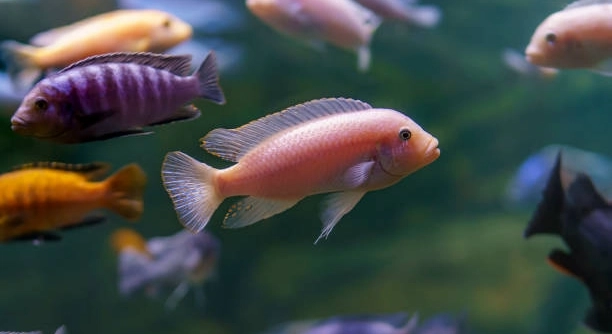
Tank conditions can influence fish behavior in surprising ways, especially when it comes to mating. Small adjustments in water, lighting, and space can make a noticeable difference in how your fish interact and display natural behaviors.
Certain changes in a fish tank, including water temperature shifts, increased aeration, new decorations, substrate adjustments, and altered lighting cycles, are known to trigger mating behaviors. These factors stimulate hormonal responses and encourage natural breeding instincts in many fish species.
Understanding these triggers can help you create a healthier, more stimulating environment for your fish and support their natural reproductive cycles.
Temperature Adjustments
Fish are highly sensitive to water temperature, and even a few degrees change can trigger mating instincts. Gradually raising or lowering the water within safe limits can mimic seasonal changes. Warmer water often increases activity, stimulates feeding, and encourages courtship behaviors. Cold-water species respond differently, so knowing your fish’s natural habitat is essential. Subtle changes can make your fish more active and social, while sudden shifts may cause stress or illness. Keeping a reliable thermometer and adjusting heaters gradually helps maintain stability.
Temperature changes not only signal seasonal shifts but also influence hormone levels that prompt mating behaviors.
Carefully monitored temperature adjustments create a natural environment that supports reproductive behaviors. Combining temperature control with proper lighting and hiding spaces enhances your fish’s comfort and readiness for breeding. Observing these changes allows you to see increased interactions, displays, and pairing behavior, providing insight into their natural instincts. Safe, gradual adjustments are key to success.
Lighting Changes
Altering lighting schedules can affect fish activity and mating behavior. Shorter or longer light periods mimic seasonal patterns, stimulating breeding instincts.
Consistent light cycles regulate fish hormones and encourage courtship displays.
Gradually extending or reducing daily light can help trigger reproductive behavior. Fish respond to natural cues, and adjusting lighting intensity, duration, or color can signal environmental changes. Using a timer ensures stability, while subtle changes in light can increase activity, reduce stress, and encourage pairing. Proper lighting also highlights colors and patterns, enhancing mating displays. By creating conditions similar to their natural environment, fish feel secure and more likely to reproduce, making it easier to observe natural behaviors in your tank.
Water Changes
Regular water changes help maintain water quality, which directly influences fish behavior. Fresh, clean water can stimulate activity and encourage mating, while stagnant or dirty water may inhibit reproductive instincts.
Introducing partial water changes gradually avoids stress and maintains stability in the tank. Fish are sensitive to sudden shifts in pH, hardness, or temperature, so small, consistent changes are ideal. Fresh water improves oxygen levels, removes waste, and can mimic seasonal rainfall, which naturally signals breeding periods for many species. Observing fish after water changes often reveals increased interaction, courtship displays, and readiness to spawn, showing how important clean water is for natural behavior.
Monitoring water parameters ensures optimal conditions for mating. Regular testing of ammonia, nitrate, and nitrite levels combined with scheduled water changes keeps the tank stable. Adding slight variations in temperature or water composition can replicate natural environmental cues, supporting reproductive behavior. By maintaining a clean and stable habitat, fish are more comfortable and likely to display their natural mating rituals, creating a healthier and more active tank ecosystem.
Adding Plants and Decorations
Adding plants and decorations gives fish places to hide and establish territories, encouraging mating behaviors and reducing stress. Properly arranged decor supports natural instincts.
Plants and decorations mimic natural habitats, offering shelter, breeding spots, and visual boundaries. Fish often prefer to lay eggs or perform courtship rituals near plants or within hiding spots. Dense planting reduces aggression and creates a sense of security, while caves, rocks, or driftwood provide ideal territories for different species. Varied decor encourages exploration and interaction, which can trigger reproductive behavior by providing environments similar to the fish’s native surroundings.
Choosing suitable plants and materials ensures safety and supports water quality. Live plants can improve oxygen levels and help maintain chemical balance. Decorations should be free of sharp edges or toxic substances. The arrangement can be changed gradually to stimulate activity and interest, but it should remain stable enough to avoid stress. By creating a dynamic but safe environment, fish feel secure, interact naturally, and are more likely to display courtship behaviors and mating readiness.
Increased Aeration
Adding extra aeration improves oxygen levels, which can energize fish and encourage mating behaviors. Bubbling filters or air stones help circulate water and create a stimulating environment.
Improved water movement mimics natural conditions, making fish more active. Higher oxygen levels support overall health and increase reproductive readiness.
Substrate Changes
Changing the substrate can influence breeding behaviors. Certain species prefer sand, gravel, or fine soil for laying eggs or building nests. Providing the right substrate can trigger natural instincts and increase comfort for spawning.
Some fish are picky about where they deposit eggs, and substrate texture plays a key role. Fine sand is suitable for bottom-dwelling species, while gravel may appeal to others. Altering substrate can also encourage digging and nesting behaviors, which are important for courtship. Observing how fish interact with different materials helps determine preferences and supports successful mating.
Tank Size Adjustments
Increasing or reorganizing tank space can reduce stress and create better conditions for mating. Fish feel more secure with adequate room.
FAQ
How do I know if my fish are ready to mate?
Signs of mating readiness vary by species but often include increased activity, color changes, chasing, or guarding territory. Males may display fins or perform courtship dances, while females might appear fuller in the body, indicating egg development. Observing these behaviors closely helps determine timing for breeding.
Can too many tank changes stress my fish?
Yes, sudden or frequent changes in water, temperature, or environment can stress fish. Stress can suppress mating behavior and weaken immune systems. Gradual adjustments are key. Small, consistent modifications allow fish to adapt naturally without causing harm or disrupting their reproductive instincts.
Is lighting really necessary for mating behavior?
Lighting impacts hormone cycles and can trigger breeding instincts. Many fish respond to seasonal patterns reflected in light duration and intensity. Using timers and simulating natural day-night cycles helps regulate hormones and encourages courtship displays without causing stress or disorientation.
How often should I perform water changes to encourage breeding?
Partial water changes weekly or biweekly maintain clean, stable conditions that support reproductive behavior. Overly frequent or large changes can shock fish. Using treated water that matches tank temperature and chemistry ensures safety, replicates natural environmental cues, and promotes healthy breeding activity.
Do plants and decorations really make a difference?
Yes, plants and decorations provide shelter, territories, and suitable egg-laying sites. Fish feel secure, which reduces aggression and encourages natural mating behaviors. Live plants also improve water quality, while varied decorations stimulate exploration and interaction, supporting both comfort and reproductive activity in the tank.
Can I trigger mating behavior with diet changes?
Nutrient-rich food supports health and reproductive readiness. Protein-rich diets often encourage courtship and spawning behaviors. Regular feeding with varied, high-quality foods improves energy levels, coloration, and overall vitality, which can enhance interest in mating and increase the likelihood of successful breeding.
Does tank size really affect mating?
Tank size influences comfort and territorial behavior. Overcrowded tanks increase stress and aggression, reducing mating opportunities. Adequate space allows fish to establish territories, perform courtship rituals, and interact naturally. Sometimes reorganizing decorations or expanding the tank encourages activity and provides a safer environment for breeding.
How do I safely adjust temperature for breeding?
Gradual temperature shifts mimic seasonal changes and stimulate hormones. Rapid changes can cause stress or illness. Using a reliable heater or chiller with gradual increments ensures stability. Monitor with a thermometer, adjust slowly over several days, and combine with other environmental cues for optimal breeding conditions.
Can all fish be encouraged to breed in captivity?
Not all species breed easily in tanks. Some require very specific conditions, seasonal triggers, or water chemistry. Understanding the natural habitat of your fish is essential. Even minor deviations from preferred conditions can prevent breeding, so patience and careful observation are necessary.
What if my fish don’t respond to environmental changes?
Some fish may take longer to adjust or require precise conditions. Ensure water quality, diet, lighting, and space are suitable. Observe behavior consistently, and make gradual adjustments. If mating behaviors don’t appear, research species-specific needs or consult breeding guides to identify overlooked environmental or social factors.
Are there risks with increasing aeration or water movement?
Excessive aeration or strong currents can stress fish, damage fins, or disrupt eggs. Balance is important—gentle circulation improves oxygen without causing turbulence. Observing fish response after adjustments ensures they remain comfortable, active, and more likely to exhibit mating behaviors.
Can I mix species to encourage mating behavior?
Mixing species is generally discouraged for breeding purposes. Most fish breed only within their species. However, observing natural interactions in a community tank can stimulate activity, but aggressive or territorial species may prevent mating. Keep species compatible and provide separate breeding areas if needed.
How long does it take for fish to respond to tank changes?
Response time varies by species, age, and environment. Some fish react within days, while others may take weeks. Gradual adjustments are more effective than rapid changes, and consistent observation helps identify progress. Patience is crucial when encouraging natural reproductive behaviors.
Can tank mates affect mating behavior?
Yes, aggressive or overly active tank mates can inhibit courtship, increase stress, or disrupt spawning. Providing a quiet, secure area for mating pairs or choosing compatible species reduces interference and allows natural behaviors to occur. Territorial separation may be necessary for successful breeding.
Is it necessary to remove eggs or fry after spawning?
In many species, adults may eat eggs or fry. Removing them ensures higher survival rates. Using breeding nets or separate tanks can protect offspring while maintaining natural behaviors. Observation and timing are essential to prevent predation while supporting healthy reproduction.
Can I rely on environmental changes alone to trigger mating?
Environmental changes are important but not always sufficient. Diet, tank mates, and health all influence readiness. Combining factors—stable water, proper temperature, oxygenation, lighting, diet, and habitat structure—gives the best chance of stimulating natural mating behaviors effectively.
Are there signs that indicate failed attempts at breeding?
Lack of courtship displays, aggression, or ignoring potential nesting sites may indicate unsuccessful attempts. Stress, unsuitable water conditions, or incompatible tank mates are often causes. Monitoring behavior and gradually adjusting conditions can improve chances for future successful mating.
Can breeding be encouraged in small tanks?
Smaller tanks can support breeding if properly arranged with hiding spaces, clean water, and controlled conditions. However, limited space may increase stress and competition. Careful planning, decoration, and monitoring help create a supportive environment for mating in compact setups.
How important is consistency in tank conditions?
Consistency reduces stress and supports hormonal cycles. Sudden changes can suppress mating behaviors and harm health. Maintaining stable water parameters, lighting, temperature, and aeration ensures a secure environment, allowing fish to focus on natural interactions and reproductive behaviors.
What is the best way to track mating behavior?
Observe daily, noting activity, color changes, and interactions. Record patterns in response to environmental adjustments. Photos or notes help track progress and identify effective triggers, guiding further adjustments and supporting successful breeding outcomes.
How do I balance multiple changes at once?
Introduce one change at a time if possible. Monitor fish reactions before combining adjustments. Gradual, step-by-step modifications prevent stress, ensure safety, and allow identification of which factors most effectively encourage mating behaviors.
Can stress completely prevent breeding?
Yes, stress from poor water quality, overcrowding, incompatible tank mates, or sudden changes can suppress hormones and prevent mating. Reducing stress through proper environment, nutrition, and care is essential for encouraging reproductive behavior.
Do different species require different triggers?
Absolutely. Each species has unique breeding cues based on habitat, season, and behavior. Researching natural conditions ensures adjustments—temperature, lighting, substrate, diet—match their instincts, maximizing chances for successful reproduction in captivity.
How often should I monitor fish during breeding attempts?
Daily observation is ideal. Monitor behavior, water quality, and tank conditions consistently. Frequent checks ensure timely interventions if problems arise and allow you to note subtle changes in activity, readiness, and mating behavior, improving breeding success.
Are there signs that environmental changes are too extreme?
Signs include lethargy, hiding, aggression, or loss of appetite. Fish may display stress behaviors or physical symptoms. Adjusting conditions gradually and monitoring responses prevents harm while still encouraging mating instincts.
Can I combine temperature, lighting, and substrate changes effectively?
Yes, combining factors can better simulate natural breeding conditions. Careful, gradual adjustments in multiple areas provide stronger cues for reproductive behavior. Ensure each change is safe and monitored to avoid stressing fish while enhancing mating potential.
What is the role of water chemistry in mating behavior?
pH, hardness, and mineral content affect hormones and egg development. Matching natural water chemistry supports health and encourages natural reproductive instincts, while imbalances can suppress activity and reduce mating success.
Should I separate males and females before introducing environmental changes?
Not always necessary, but sometimes separating allows controlled conditions to stimulate readiness. Gradual reintroduction encourages natural courtship while minimizing aggression and stress, improving the chances of successful mating.
How can I encourage shy or passive fish to breed?
Provide hiding spots, reduce aggressive tank mates, and maintain stable conditions. Gradual exposure to mates in secure spaces increases comfort, encourages interaction, and supports natural mating behaviors without forcing or stressing the fish.
Is there a way to speed up breeding without stressing fish?
Focus on gradual, safe environmental adjustments, proper nutrition, and compatible tank mates. Enhancing conditions naturally encourages readiness without imposing rapid or extreme changes that could compromise health or reproductive behavior.
Can tank filtration affect mating behavior?
Yes, strong currents or excessive noise can stress fish and interfere with courtship. Properly balanced filtration maintains water quality while providing gentle flow, supporting comfort, activity, and natural mating behaviors.
Do older fish breed differently than younger ones?
Older fish may be less active, slower to respond, or selective in mate choice. Younger fish are often more energetic and responsive to environmental cues. Adjusting conditions to suit the age and health of the fish ensures better mating outcomes.
How do I know if my breeding attempts were successful?
Egg laying, nest building, courtship displays, and active interaction are positive signs. Observing fry after a few days confirms successful spawning. Maintaining ideal conditions increases survival rates and supports ongoing reproductive cycles.
Can I use timers for lighting and feeding to support breeding?
Yes, timers ensure consistency, regulate hormone cycles, and provide predictable conditions. Properly timed light and feeding schedules reduce stress and mimic natural patterns, enhancing reproductive readiness.
How long does it usually take for environmental changes to trigger mating?
It varies by species, age, and health. Some respond in days, others in weeks. Patience, observation, and gradual adjustments improve the likelihood of success without causing stress.
Are there signs that fish prefer one substrate over another?
Yes, digging, nesting, or egg-laying in a particular substrate indicates preference. Observing interactions helps determine suitable materials, ensuring conditions align with natural instincts and supporting reproductive behaviors.
Can sudden water chemistry shifts ever encourage mating?
No, sudden changes usually cause stress. Gradual adjustments mimicking natural seasonal variations are safer and more effective in triggering mating behaviors without harming fish.
What if my fish display aggression during breeding attempts?
Aggression is common, especially in territorial species. Providing hiding spaces, adequate territory, and sometimes temporary separation helps reduce conflict while allowing courtship and mating to occur safely.
Is observing behavior more important than adjusting environment?
Both are crucial. Observation informs whether environmental changes are effective. Without monitoring, it’s difficult to know if adjustments are stimulating mating or causing stress, making observation essential for successful breeding.
Can I encourage breeding in community tanks?
Yes, if species are compatible, space is sufficient, and hiding spots exist. Overcrowding or aggressive fish can inhibit mating, so careful planning and observation are required to ensure reproductive behaviors occur naturally.
How do I prevent my fish from eating eggs or fry?
Use breeding nets, separate tanks, or provide dense plants and hiding spaces. Protecting eggs and fry ensures survival while maintaining natural reproductive behavior among adults.
Does water temperature affect all species the same way?
No, tropical and cold-water species respond differently. Understanding natural habitat temperatures is key to applying adjustments that safely stimulate reproductive behavior without causing stress or illness.
How important is tank cleanliness during breeding?
Clean tanks reduce stress, prevent disease, and improve survival rates of eggs and fry. Regular maintenance ensures optimal conditions for mating behaviors and healthy offspring.
Can I use breeding hormones or chemicals to trigger mating?
Generally, it’s better to rely on natural environmental cues. Hormones or chemicals can be risky, stressful, and sometimes harmful. Safe, gradual environmental adjustments are more effective and sustainable.
What role does diet variety play in successful breeding?
A varied, nutrient-rich diet supports health, coloration, and reproductive readiness. Different foods stimulate energy and vitality, encouraging courtship behaviors and increasing the chances of successful spawning.
How do I know which fish are compatible for breeding?
Research species-specific behaviors, social structures, and territorial needs. Compatibility reduces aggression, stress, and competition, making successful courtship and mating more likely in captivity.
Is monitoring water parameters more important than tank decorations?
Both matter, but stable water chemistry is essential for survival and reproductive health. Decorations enhance comfort and natural behavior, but without proper water quality, mating is unlikely to succeed.
Can breeding success be improved by changing multiple factors at once?
Yes, carefully coordinated changes—temperature, lighting, substrate, and diet—can mimic natural breeding conditions. Gradual, monitored adjustments reduce stress while providing stronger cues for reproductive behavior.
How do I balance environmental triggers without stressing my fish?
Introduce one change at a time, monitor reactions, and proceed gradually. Observe behavior, maintain stable water parameters, and provide hiding spaces. Controlled, thoughtful adjustments ensure comfort while encouraging natural mating behaviors.
Are there any environmental changes that consistently fail to trigger mating?
Sudden, extreme, or unsafe adjustments, such as rapid temperature swings or strong currents, often fail. Consistency, gradual changes, and alignment with species-specific needs are critical for triggering reproductive behavior safely.
Can fish adapt to new tank setups for breeding?
Yes, with time and careful adjustments. Gradual introduction of changes, consistent conditions, and adequate space allow fish to feel secure and display natural mating behaviors effectively.
How do I know if my environmental changes are effective?
Signs include increased activity, color intensification, courtship displays, digging, nest building, and egg-laying. Observing these behaviors confirms that conditions support reproductive instincts and overall comfort in the tank.
What if my fish never show interest in mating?
Some fish may require highly specific conditions, age, or health factors. Ensuring optimal environment, nutrition, and compatibility improves chances, but patience and species-specific research are essential. Occasionally, certain individuals may not breed in captivity despite best efforts.
Can subtle environmental cues be as effective as major changes?
Yes, small adjustments, like slightly increased oxygenation, minor lighting shifts, or adding hiding spots, can trigger natural instincts. Gradual, subtle changes often reduce stress while encouraging reproductive behavior effectively.
How can I encourage breeding without affecting tank stability?
Focus on small, safe adjustments: partial water changes, controlled temperature shifts, added plants, and gentle lighting modifications. Consistent monitoring ensures comfort, reduces stress, and supports natural mating behaviors without compromising tank health.
Do fish need complete privacy for mating?
Not always, but privacy can reduce stress and aggression. Providing hiding spaces or secluded areas allows natural courtship, increases comfort, and supports successful reproduction while maintaining overall tank harmony.
How important is patience during breeding attempts?
Extremely important. Fish respond differently, and reproductive behaviors may take days or weeks to appear. Gradual adjustments, consistent care, and careful observation maximize chances for successful mating without stressing the fish.
Can environmental changes also improve overall fish health?
Yes, stable water, proper lighting, clean substrate, and enriched habitats support vitality, reduce stress, and enhance natural behaviors. Healthy fish are more likely to engage in courtship and mating successfully.
Are there signs that fish are overwhelmed by environmental changes?
Yes, hiding, aggression, loss of appetite, or erratic swimming indicate stress. Slow, controlled changes and careful observation prevent harm while encouraging mating behaviors naturally.
Can introducing new fish trigger mating behaviors in existing tank mates?
It may increase activity and display behaviors, but aggression and competition are possible. Careful selection of compatible species and gradual introductions reduce stress while supporting natural reproductive instincts.
Is it better to adjust one factor at a time or multiple at once?
Gradually adjusting one factor at a time allows better observation and reduces stress. Once fish adapt, additional changes can be introduced to safely encourage mating behaviors.
Can I rely on instinct alone for successful breeding?
Natural instincts guide behavior, but environmental conditions, diet, tank size, and social factors influence success. Combining instinct with proper care creates optimal conditions for reproduction.
How do I balance feeding schedules with environmental changes?
Consistent, nutrient-rich feeding supports energy, health, and reproductive readiness. Feeding times aligned with light cycles and activity patterns reinforce natural behavior and encourage mating displays without causing stress.
Do all fish respond to the same environmental triggers?
No, triggers are species-specific. Researching natural habitats and behaviors ensures adjustments match needs. Temperature, lighting, substrate, and social structure vary across species, so tailored care is necessary for successful breeding.
How often should I adjust environmental factors to encourage breeding?
Adjust gradually, allowing several days or weeks between changes. Frequent alterations may stress fish, while slow, monitored modifications improve comfort, activity, and reproductive behavior.
Can I create a breeding-friendly environment in a small tank?
Yes, with careful arrangement of hiding spots, controlled water parameters, and compatible fish. Even small tanks can support courtship and mating if conditions are safe, stable, and stimulating.
What if my fish are aggressive during breeding attempts?
Aggression is natural in territorial species. Provide separate areas, hiding spots, or temporary barriers. Observing interactions ensures safety and allows courtship to proceed without harm.
Is it normal for fish to ignore changes initially?
Yes, some species take time to adapt. Gradual, consistent changes and observation help fish acclimate and eventually display mating behaviors when ready.
Do seasonal patterns matter in breeding?
Yes, many species respond to cues that mimic natural seasonal cycles. Adjusting light, temperature, and water conditions to reflect these patterns encourages reproductive behavior effectively.
Can I encourage shy fish to breed without forcing them?
Provide secure spaces, compatible tank mates, and gentle environmental adjustments. Gradual exposure encourages natural courtship while reducing stress and allowing shy fish to participate safely in mating behaviors.
Are there signs of successful adaptation to environmental changes?
Increased activity, courtship displays, nesting, egg-laying, and color changes indicate positive response. Consistent observation confirms that fish are comfortable and reproductive instincts are being expressed naturally.
Can multiple species in one tank interfere with breeding?
Yes, aggressive or competitive species can inhibit courtship. Providing sufficient space, hiding spots, and species-appropriate companions helps reduce interference and supports natural reproductive behaviors.
How do I know which environmental changes are most effective?
Observe behavior closely after each adjustment. Increased activity, courtship displays, and egg-laying indicate effective changes. Recording responses helps identify triggers that successfully encourage mating in your specific tank setup.
Can water hardness influence reproductive behavior?
Yes, some species prefer specific hardness levels for egg development and spawning. Matching natural water conditions ensures comfort, supports hormonal cues, and increases the likelihood of successful mating.
Is it possible to overstimulate fish with too many changes?
Yes, excessive or rapid modifications can cause stress, aggression, or illness. Gradual, monitored adjustments ensure fish remain comfortable and more likely to exhibit natural mating behaviors safely.
How long should I observe fish after making environmental changes?
Daily monitoring is recommended for at least several days to weeks.
Final Thoughts
Creating the right environment in your tank plays a major role in encouraging natural mating behaviors in fish. Factors like temperature, lighting, water quality, and tank layout all work together to influence how fish act and interact. Adjusting one element at a time and observing how your fish respond helps ensure changes are safe and effective. Fish are sensitive to sudden shifts, so gradual modifications are always better. By paying attention to details such as aeration, substrate, and the addition of plants or decorations, you provide conditions that mimic their natural habitats. This not only encourages reproductive behaviors but also supports overall health and reduces stress, which is essential for both breeding success and the well-being of your fish.
Mating behavior is often subtle and can take time to appear, even after all the right changes are made. Patience is key, and careful observation allows you to notice small signs, such as increased activity, color changes, or courtship movements. Understanding your fish’s species-specific needs is critical, as different species respond to different triggers. Some fish may require cooler or warmer water, longer or shorter lighting periods, or specific types of substrate to feel ready to breed. Even tank mates can influence readiness, with aggressive or overly active fish sometimes suppressing mating behaviors. By providing secure spaces, hiding spots, and stable water parameters, you give your fish the comfort and confidence they need to display natural instincts safely.
Maintaining a balanced approach is important when encouraging mating behavior. Combining careful environmental adjustments with proper diet, clean water, and compatible tank mates creates the best conditions for reproductive success. Over time, small, consistent efforts can lead to noticeable changes in behavior without causing stress. The process requires attentiveness, but the rewards include not only successful breeding but also healthier, more active fish that exhibit their natural behaviors. Observing your tank and making thoughtful adjustments ensures that your fish remain comfortable, secure, and stimulated. Creating this kind of environment takes patience and care, but it ultimately supports both the natural instincts of your fish and the long-term enjoyment of maintaining a thriving aquarium.

Hello,
If you enjoy the content that we create, please consider saying a "Thank You!" by leaving a tip.
Every little bit helps us continue crafting quality advice that supports the health, happiness, and well-being of pets around the world, for pets of all shapes, sizes, and species.
We really appreciate the kindness and support that you show us!