
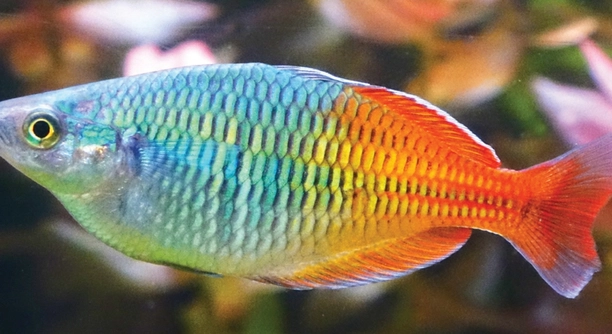
Rainbow fish are popular in aquariums, admired for their vibrant colors and peaceful nature. However, even small changes in their tank environment can cause them stress. Understanding how these changes affect your fish is key to their well-being.
Certain tank changes, such as fluctuations in water temperature, water quality, or the introduction of new tankmates, can stress rainbow fish. They are particularly sensitive to sudden changes in their environment, which can affect their behavior and health.
Adjusting the tank setup can have lasting effects on your fish. Knowing how these changes impact your rainbow fish helps maintain a healthy and peaceful aquarium.
Water Temperature Changes
Rainbow fish are highly sensitive to changes in water temperature. These fish thrive in stable conditions, with an ideal temperature range between 74°F and 80°F (23°C – 27°C). Even a slight increase or decrease in temperature can cause stress, affecting their immune system and overall health. When their environment fluctuates, rainbow fish may become more prone to diseases and exhibit abnormal behaviors such as hiding or darting around the tank. This stress can reduce their life expectancy if not addressed quickly.
It’s essential to monitor the tank’s temperature regularly using a reliable thermometer. If you need to adjust the temperature, do so gradually to avoid shocking the fish. Rapid changes, even within the acceptable range, can be overwhelming.
Setting up a heater with a thermostat is the best way to keep the water temperature consistent. Regular water changes, while keeping the temperature stable, also help improve overall tank conditions and ensure your fish are comfortable.
Poor Water Quality
Water quality plays a major role in the health of rainbow fish. They are highly sensitive to ammonia, nitrites, and other pollutants. If the water isn’t properly filtered or maintained, harmful substances can build up, leading to stress. Fish may start showing signs of distress like swimming erratically or hanging near the filter, trying to escape the toxins.
To maintain good water quality, perform regular water changes and ensure your filtration system is effective. Always test the water for ammonia and nitrites before introducing any fish or making changes. Keeping plants in the tank can also help maintain healthy water by absorbing some of the excess nutrients.
Maintaining water quality requires attention to detail. Clean filters and perform regular testing to ensure the balance of your tank remains stable. Proper filtration can help break down harmful substances, creating a cleaner and safer environment for your rainbow fish.
Tankmates
Introducing new fish can disrupt the peace in your tank. Rainbow fish are usually calm and thrive in a peaceful environment. Aggressive or overly active tankmates can cause them stress, making them hide or swim anxiously. This leads to a decrease in overall well-being.
Choosing the right tankmates is crucial. Fish with similar temperaments and water requirements are the best companions for rainbow fish. Avoid aggressive species like cichlids or overly territorial fish. Keeping compatible species together helps maintain harmony, reducing stress levels for all the fish in the tank.
Additionally, overcrowding can increase stress as it limits space for each fish. Ensure your tank has enough room for each fish to swim freely and establish territories. A crowded tank leads to competition for space, food, and resources, which can overwhelm rainbow fish, lowering their immunity and overall health.
Water Flow
Rainbow fish prefer a gentle to moderate water flow. A strong current in the tank can make them feel uneasy, as they naturally live in calm waters. If the flow is too strong, they may struggle to swim, leading to exhaustion and stress.
To create a comfortable environment for your rainbow fish, position the filter outflow or any water-moving equipment where the current is softer. You can also use a sponge filter or add decorations to help break up the water flow. The goal is to avoid a turbulent environment that makes the fish work too hard just to move around.
Proper water flow also plays a role in maintaining water quality. A too-strong current can disturb the substrate, causing debris to float and affect water clarity. Keeping the flow moderate ensures that debris settles at the bottom, making it easier to clean and maintain good water quality.
Sudden Lighting Changes
Rainbow fish are sensitive to lighting changes. Sudden bright lights or prolonged periods of darkness can stress them. They rely on a consistent light cycle to feel secure, as they naturally experience day and night rhythms in the wild.
Using a timer for the aquarium lights is an easy solution to maintain a stable light cycle. Avoid turning the lights on or off abruptly. Keeping the light levels moderate, not too intense, also helps them feel more comfortable in their environment.
If you need to adjust the lighting, do it gradually over a period of days. This gives your rainbow fish time to adapt and reduces stress from sudden changes.
Tank Size
A small tank can lead to significant stress for rainbow fish. These fish are active swimmers and need enough space to move around. A cramped environment can result in aggression or territorial disputes, especially if multiple fish are present.
Choosing the right size tank is crucial for their health. A tank that’s too small not only limits space for swimming but also makes it harder to maintain stable water conditions. Ideally, a 30-gallon (113L) tank is the minimum for a small group of rainbow fish, allowing them room to thrive.
Overfeeding
Overfeeding can lead to poor water quality and stress for your rainbow fish. Leftover food decomposes, creating ammonia spikes in the tank. Rainbow fish are sensitive to ammonia and other toxins, which can make them feel unwell or even cause illness.
It’s important to only feed your fish the amount they can consume in a few minutes. Overfeeding not only affects water quality but can also lead to obesity in your fish. Regularly check their condition and adjust their feeding schedule as necessary to keep them healthy.
FAQ
Why are my rainbow fish swimming erratically?
Erratic swimming is often a sign of stress. This could be due to water temperature fluctuations, poor water quality, or aggressive tankmates. Check the temperature and water parameters like ammonia, nitrites, and nitrates. If everything is normal, observe the behavior of other fish in the tank. Aggressive or overly active tankmates could be the cause. If any changes in their environment have occurred recently, such as new fish or equipment, that might also be contributing to their behavior.
What is the best water temperature for rainbow fish?
Rainbow fish thrive in water temperatures between 74°F and 80°F (23°C – 27°C). Keeping the water temperature consistent within this range is important for their health. Fluctuations in temperature, even within the acceptable range, can cause stress and make them more susceptible to diseases. Using a reliable aquarium heater with a thermostat is the best way to maintain a stable environment for your rainbow fish.
How often should I change the water in my rainbow fish tank?
Regular water changes are essential for maintaining water quality. Aim for a 25% to 30% water change every 1-2 weeks. This helps remove toxins and debris that accumulate over time. If you have a smaller tank or a heavily stocked tank, you may need to change the water more frequently. Always test the water parameters before doing water changes to ensure it’s necessary. Using a good filtration system can also help keep the water clean between changes.
Can rainbow fish live with other species?
Rainbow fish are peaceful and do well with other calm fish that have similar care needs. Avoid aggressive or territorial species, as they can stress out the rainbow fish. Good tankmates include other peaceful species like tetras, danios, and small gouramis. Always research the temperament and water requirements of any potential tankmates before introducing them to ensure a harmonious tank environment.
How can I reduce stress in my rainbow fish tank?
To reduce stress in your rainbow fish tank, keep the water quality high, maintain stable water temperature and pH, and avoid sudden changes in the tank environment. Provide hiding spots or plants for the fish to feel secure. Keep the tank free of aggressive species and overcrowding. A consistent light cycle will also help keep your fish comfortable. Additionally, avoid overfeeding to prevent poor water quality and obesity.
What should I do if my rainbow fish are not eating?
Loss of appetite in rainbow fish can be a sign of stress or illness. First, check the water quality, including ammonia, nitrite, and nitrate levels. Poor water quality can affect their appetite. If the water is fine, observe their behavior for signs of disease. If they are hiding or swimming abnormally, consider consulting a vet who specializes in fish health. Additionally, ensure you are offering a varied diet of high-quality foods. Sometimes, rainbow fish may stop eating when stressed, so reducing tank disturbances can help restore their appetite.
Can rainbow fish live in low light?
Rainbow fish do best in moderate lighting. While they don’t need intense lighting, they do require a consistent day/night cycle to stay healthy. Low light can cause them to become lethargic or stressed. If you have low lighting in the tank, try to gradually increase it to encourage more natural behavior. Provide some areas of shade or plants to create a more balanced environment where the fish can hide if they choose.
How many rainbow fish should I keep together?
Rainbow fish are social creatures and should be kept in groups of at least 6-8 individuals. Keeping them in a larger group reduces stress and promotes natural behavior. They tend to swim together, creating a peaceful and dynamic environment in the tank. If you only have one or two, they may become stressed due to loneliness and lack of interaction with their own species.
Are rainbow fish hardy?
Rainbow fish are relatively hardy, but they still require specific care to thrive. They are sensitive to changes in water quality, temperature, and tankmates. They can tolerate slight fluctuations in water conditions, but sudden changes can cause stress or illness. With proper care, rainbow fish can live long, healthy lives in a well-maintained aquarium.
Why are my rainbow fish hiding?
Rainbow fish may hide when they feel stressed, threatened, or unwell. Check for aggressive tankmates or any changes in the tank environment that could be causing the stress. Poor water quality, sudden lighting changes, or an overcrowded tank can also make them retreat to hiding spots. Ensure they have enough space, hiding places, and a peaceful environment. If hiding persists, check their health closely, as it may indicate a problem like disease or injury.
Taking care of rainbow fish requires attention to detail, as they are sensitive to various changes in their environment. By maintaining stable water quality, temperature, and lighting, you create a more comfortable and healthy environment for your fish. Sudden changes or poor tank conditions can cause them stress, leading to health issues or abnormal behavior. Understanding what can stress them, from aggressive tankmates to fluctuating water conditions, is essential for providing the best care.
The most important thing is consistency. Rainbow fish thrive when their environment remains stable. Consistent water temperature, water quality, and a peaceful tank setup allow them to feel safe and secure. Make sure to check the water parameters regularly and avoid overfeeding to keep the water clean. Offering a variety of appropriate tankmates also helps maintain a peaceful atmosphere, reducing the risk of stress caused by aggression. With these practices, you’ll be able to keep your rainbow fish healthy and happy.
It’s also worth remembering that every aquarium is unique, and what works well for one setup may not be ideal for another. Regular observation of your fish’s behavior will help you spot any changes or signs of stress early. If you notice any issues, such as erratic swimming or hiding, take the time to investigate the water quality, tankmates, and other factors that could be affecting their well-being. With patience and attention to detail, you can create an environment that supports the health and happiness of your rainbow fish.

Hello,
If you enjoy the content that we create, please consider saying a "Thank You!" by leaving a tip.
Every little bit helps us continue crafting quality advice that supports the health, happiness, and well-being of pets around the world, for pets of all shapes, sizes, and species.
We really appreciate the kindness and support that you show us!