
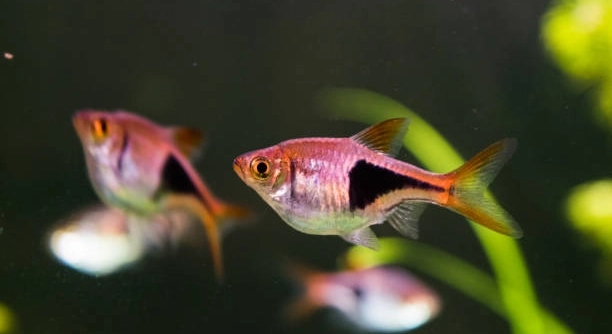
Rasboras are popular freshwater fish known for their peaceful nature and subtle moods. Many aquarium owners observe how slight changes in the tank environment can influence their behavior. These delicate fish react quickly to shifts around them.
Seven specific changes in a tank’s conditions, such as water temperature, lighting, and decoration placement, can have immediate effects on rasbora mood. Adjustments to water chemistry or tank mates also impact their stress levels and activity, directly altering their overall demeanor.
Understanding these key factors can help create a comfortable habitat for rasboras. Small changes might seem minor but play a significant role in their well-being and happiness.
Water Temperature Shifts
Rasboras are sensitive to changes in water temperature. Even a small shift of a few degrees can make them restless or sluggish. Ideally, their tank temperature should stay between 72°F and 78°F. Sudden drops can cause stress, making them hide more often or swim erratically. Conversely, too warm water can increase their metabolism, causing faster breathing and increased activity that looks like anxiety. Consistent temperature helps rasboras feel secure and behave naturally. Using a reliable heater and thermometer ensures the water remains stable. When introducing new water, it’s important to match its temperature closely with the tank to avoid shocking the fish. Keeping an eye on this simple factor can improve their mood and overall health.
Temperature stability directly influences rasbora comfort and reduces stress-induced behaviors in the tank environment.
Maintaining a steady temperature requires minimal effort but has a lasting impact. Using heaters with thermostats and avoiding drafts near the tank help keep conditions stable. When doing water changes, prepare new water in advance and adjust the temperature to match the tank before adding it. This prevents sudden thermal shock. Small equipment investments and consistent monitoring improve the daily lives of your rasboras. The calm and natural behavior of these fish reflects proper temperature care.
Lighting Adjustments
Rasboras prefer moderate lighting that mimics their natural environment. Too bright or constantly changing light can cause them to hide or become agitated.
Adjusting lighting gradually helps rasboras adapt without stress. Bright lights may overstimulate them, while dim lighting encourages calm activity. Installing a timer ensures a regular day-night cycle, which supports their natural rhythm. Using floating plants can soften harsh light and provide shaded areas, offering a safe retreat. Observing how rasboras respond to different lighting levels helps find the right balance. Consistent lighting supports better feeding and social behaviors, making the tank a peaceful space for them. These simple adjustments improve their mood and overall tank harmony.
Tank Decoration Changes
Removing or rearranging decorations can unsettle rasboras quickly. They rely on familiar hiding spots and visual landmarks for comfort. Sudden changes may cause them to swim nervously or seek shelter more often.
Plants and rocks create a sense of security, breaking up open spaces. When decorations are moved, it disrupts their environment and triggers cautious behavior. Providing stable hiding places reduces stress and promotes natural activity. Smooth transitions are best when adding or removing items, allowing the fish to adjust slowly. Rasboras need predictable surroundings to feel safe, so avoid frequent rearrangements.
Introducing new decorations gradually helps them adapt better. Rushing changes can lead to longer periods of stress, affecting their appetite and social behavior. Some decorations also influence water flow and light patterns, indirectly affecting mood. Regular but gentle updates keep the tank interesting without overwhelming the fish. Keeping a consistent environment supports calmer, healthier rasboras who display their true colors and personalities.
Water Chemistry Adjustments
Changes in pH, hardness, or other water chemistry parameters can disturb rasbora behavior. Sudden swings often result in stress and discomfort.
Maintaining stable water conditions is crucial for rasbora well-being. These fish thrive in slightly acidic to neutral pH (6.0–7.5) and prefer soft to moderately hard water. Large fluctuations in pH or hardness disrupt their physiological balance, causing lethargy or aggression. Regular testing helps monitor these factors and prevent unexpected changes. When adjusting water chemistry, make small, gradual modifications to avoid shocking the fish. Water conditioners and buffers can help stabilize parameters safely.
Keeping water chemistry steady ensures rasboras stay active and healthy. Rapid changes may weaken their immune system and make them more susceptible to disease. Consistent care helps maintain their natural behavior patterns and mood, promoting a harmonious aquarium environment.
Tank Size and Space
A cramped tank makes rasboras stressed and less active. They need enough room to swim freely and explore their environment.
Providing adequate space reduces territorial disputes and promotes natural schooling behavior. A minimum of 10 gallons is recommended for a small group to thrive comfortably.
Introduction of Tank Mates
Adding new fish can disrupt rasbora mood immediately. Aggressive or overly active tank mates cause stress and hiding.
Choosing peaceful, compatible species helps maintain a calm atmosphere. Introducing new fish slowly allows rasboras to adjust without panic or aggression.
Water Flow Changes
Strong water currents can tire out rasboras or cause them to avoid certain areas. Gentle, consistent flow supports their natural swimming style and comfort.
Feeding Routine Variations
Sudden changes in feeding times or types may unsettle rasboras. Keeping a consistent feeding schedule supports their well-being and reduces stress.
FAQ
How quickly do rasboras react to tank changes?
Rasboras can show signs of stress or mood shifts within hours after a change. Their sensitive nature means even minor adjustments to temperature, lighting, or decorations may alter their behavior almost immediately. Watching their activity levels and interaction helps gauge their comfort.
What are the most common tank changes that affect rasbora mood?
The most common factors include changes in water temperature, lighting, tank decorations, water chemistry, tank size, introduction of new tank mates, water flow, and feeding routine. Each of these impacts their environment and stress levels differently but all can affect mood significantly.
How can I reduce stress when making tank adjustments?
Make changes gradually to give rasboras time to adjust. For example, slowly adjust water temperature or pH over several days. When adding new decorations or fish, introduce them carefully and observe how the rasboras react. Maintaining stable, predictable conditions is key.
Why does water temperature impact rasbora mood so much?
Rasboras are cold-blooded, so their metabolism depends on water temperature. Sudden temperature drops can make them lethargic or stressed, while warmer water speeds up their metabolism, causing restlessness. Keeping temperature stable mimics their natural habitat and supports healthy behavior.
Can lighting changes cause long-term problems?
Consistently harsh or irregular lighting can increase stress and reduce natural activity in rasboras. Over time, this may weaken their immune system and affect their coloration. Using moderate lighting with a regular day-night cycle helps maintain their mood and health.
What role do tank decorations play in rasbora comfort?
Decorations create hiding spots and break open space, which helps rasboras feel secure. Removing or rearranging decorations suddenly can cause anxiety because it disrupts their familiar surroundings. Stable decor encourages natural schooling and resting behaviors.
How important is water chemistry for rasbora mood?
Water chemistry directly affects their physiological functions. Rasboras prefer slightly acidic to neutral pH and soft to moderately hard water. Large or sudden changes can cause stress, reduce activity, and increase vulnerability to illness. Regular testing and slow adjustments maintain balance.
What happens if the tank is too small for rasboras?
A small tank restricts swimming space and increases territorial behavior. This can cause stress, aggression, and reduced activity. Rasboras are schooling fish and need space to move as a group. A minimum of 10 gallons for a small group helps them stay calm and active.
How do new tank mates influence rasbora mood?
Aggressive or overly active fish can intimidate rasboras, causing hiding and stress. Peaceful, compatible species help maintain calm. Introducing new fish slowly lets rasboras get used to them without sudden panic or defensive behavior.
What is the effect of water flow changes on rasboras?
Strong currents tire rasboras and force them to avoid certain tank areas, limiting their movement. Gentle, steady water flow suits their natural swimming style and reduces stress. Proper filtration placement ensures comfortable flow levels.
Why is a consistent feeding routine important?
Rasboras rely on routine for comfort. Sudden changes in feeding times or food type can cause anxiety or refusal to eat. Keeping a steady schedule supports their mood, promotes good appetite, and maintains health.
How do I know if my rasboras are stressed?
Signs include hiding more than usual, erratic swimming, loss of color, and reduced appetite. Stressed rasboras may also isolate themselves or become less active. Monitoring behavior closely after any tank change helps catch stress early.
Can rasboras recover quickly from stress?
Yes, with stable conditions and proper care, rasboras can bounce back in a few days. Gradual environmental adjustments, clean water, and a calm tank environment encourage recovery. Avoid repeated sudden changes to support their health long-term.
Are some rasbora species more sensitive than others?
Different species have varying tolerance levels, but most share sensitivity to temperature and water chemistry. Researching specific species needs helps tailor tank conditions and avoid unnecessary stress.
What equipment helps maintain stable conditions for rasboras?
Reliable heaters with thermostats, aquarium thermometers, water testing kits, timers for lights, and good filtration all contribute to steady tank conditions. Investing in quality equipment reduces sudden changes and supports healthy rasbora behavior.
Rasboras are small fish that respond quickly to changes in their environment. Their mood and behavior can shift with even minor adjustments in the tank. Because of this, it is important to maintain a stable and comfortable habitat. Consistency in water temperature, lighting, tank decorations, and water chemistry helps keep rasboras calm and healthy. When changes are necessary, making them slowly can reduce stress and allow the fish to adapt better. Watching their reactions closely after any adjustment can help identify what works best for them.
Creating a suitable environment goes beyond just water quality. Providing enough space for swimming and proper hiding spots helps rasboras feel secure. They are schooling fish, so having a group in a tank large enough for them to move freely is essential. Decorations and plants not only add beauty but also offer shelter that lowers stress. Introducing new fish or decorations should be done carefully and with attention to how rasboras respond. Sudden changes or overcrowding can cause anxiety and disrupt their natural behavior.
Taking care of rasboras means paying attention to many small details that influence their mood. Regular maintenance, such as water testing and temperature control, plays a big role in keeping them comfortable. Establishing routines for feeding and lighting also supports their well-being. Understanding how each factor affects rasboras allows for better tank management and happier fish. With patience and careful observation, it is possible to create a balanced and peaceful aquarium that encourages natural, relaxed behavior in rasboras.

Hello,
If you enjoy the content that we create, please consider saying a "Thank You!" by leaving a tip.
Every little bit helps us continue crafting quality advice that supports the health, happiness, and well-being of pets around the world, for pets of all shapes, sizes, and species.
We really appreciate the kindness and support that you show us!