
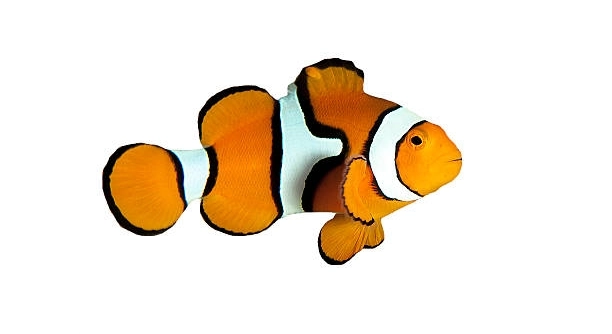
Clownfish are popular in home aquariums due to their vibrant colors and interesting behavior. Setting up the right environment encourages them to host anemones successfully. Simple changes in the tank can make a big difference for their health and comfort.
Seven specific adjustments to the aquarium environment help clownfish feel secure enough to host anemones. These include water quality management, lighting adjustments, proper tank size, hiding spaces, compatible tank mates, and regular maintenance routines that promote natural behavior.
Understanding these changes will help improve your aquarium setup and support the natural hosting habits of clownfish, enhancing both their wellbeing and your tank’s balance.
Improving Water Quality for Clownfish Hosting
Water quality is crucial for clownfish to feel comfortable hosting anemones. Maintaining stable temperature, pH, and salinity levels is essential. Frequent water testing and partial water changes keep toxins low. Ammonia and nitrite should always be near zero, while nitrate should remain minimal. Clean water supports the health of both clownfish and anemones. Filtration systems must be efficient but gentle to avoid stressing the fish. Avoid sudden changes in water parameters as these can cause stress and disrupt hosting behavior. Proper water circulation helps oxygenate the tank and distributes nutrients evenly. This creates a stable environment where clownfish feel secure enough to interact with anemones. Regular observation ensures early detection of any water issues, allowing timely intervention.
Keeping water quality consistent encourages clownfish to establish territories and bond with their anemones naturally.
When water conditions are stable, clownfish are less stressed and more likely to host anemones. Proper filtration, testing, and maintenance support this balance and encourage healthy behavior patterns.
Adjusting Lighting Conditions
Lighting impacts anemone health, which in turn affects clownfish hosting. Bright, moderate lighting encourages anemones to open and thrive. However, overly intense light can cause anemones to bleach or retreat, making clownfish less likely to host them. Using timers to simulate natural day and night cycles helps maintain balance. Gradually adjusting lighting after any change reduces stress on tank inhabitants. Soft blue or white lights are usually best. Consistent lighting conditions promote healthy photosynthesis in anemones, which clownfish depend on for protection. Proper lighting supports both partners in the hosting relationship.
Providing Proper Tank Size and Hiding Spaces
Tank size influences clownfish comfort and behavior. Smaller tanks restrict movement and territorial claims, which may prevent hosting. A minimum of 20 gallons is generally recommended for hosting species. Adequate space reduces aggression and stress, allowing clownfish to focus on bonding with anemones. Hiding places such as live rock, caves, or artificial shelters provide security. These areas let clownfish escape perceived threats and create safe zones near their anemone hosts. The combination of sufficient space and secure hiding spots supports natural behaviors necessary for hosting. Clownfish feel protected and able to establish territories when these conditions are met.
Creating a tank environment with enough room and shelter improves clownfish confidence. This helps encourage their symbiotic relationship with anemones, leading to a healthier, more balanced aquarium overall.
Choosing Compatible Tank Mates
Tank mates should not stress clownfish or compete aggressively for space. Peaceful species that occupy different tank levels work best. Avoid large or territorial fish that may intimidate clownfish or harm anemones.
Aggressive or fast-swimming fish can cause stress, preventing clownfish from forming bonds with anemones. Suitable tank mates include small gobies, blennies, and certain peaceful damselfish. These species keep the environment calm, allowing clownfish to feel safe. Compatibility reduces fighting and territorial disputes, which helps clownfish focus on hosting behavior rather than defense.
Incompatible species may harass clownfish or damage anemones, disrupting the symbiotic relationship. Carefully selecting non-aggressive, peaceful tank mates promotes a balanced tank ecosystem. This encourages clownfish to establish and maintain hosting territories without distraction or threat.
Regular Tank Maintenance
Consistent tank maintenance keeps water parameters stable and removes waste buildup. Cleaning filters and performing water changes prevents harmful substances from accumulating. This supports the health of clownfish and anemones.
Neglecting maintenance can cause water quality issues, stressing tank inhabitants and disrupting natural behaviors. Keeping the tank clean reduces the risk of disease and encourages hosting. Routine tasks include vacuuming substrate, inspecting equipment, and removing uneaten food.
Proper maintenance also supports beneficial bacteria that break down waste. Stable biological filtration creates an environment where clownfish feel comfortable to host anemones. Regular upkeep ensures the tank stays balanced, promoting long-term health for all aquatic life inside.
Managing Feeding Practices
Overfeeding can pollute the tank and harm water quality. Feed clownfish small amounts two to three times daily. Remove uneaten food promptly to prevent waste buildup.
Balanced feeding supports clownfish health and reduces stress. Proper nutrition encourages natural behaviors, including hosting anemones.
Monitoring Anemone Health
Healthy anemones are critical for hosting. Watch for signs of bleaching, shrinking, or detachment. These issues indicate stress or poor water conditions that need correction.
Regular observation helps catch problems early. Treating water quality and adjusting lighting can restore anemone health and encourage clownfish to maintain their hosting behavior.
Avoiding Sudden Changes
Abrupt changes in temperature, lighting, or water chemistry cause stress. Sudden shifts disrupt clownfish comfort and may lead to hosting refusal.
Consistency in tank conditions supports stable behavior patterns. Gradual adjustments help fish and anemones adapt without harm.
FAQ
Why are my clownfish not hosting anemones?
Clownfish may avoid hosting if the tank environment is unstable or stressful. Poor water quality, incorrect lighting, or aggressive tank mates can cause discomfort. Anemones that are unhealthy or improperly placed also discourage hosting. Ensuring stable water parameters, suitable lighting, and compatible tank mates encourages natural hosting behavior.
How often should I test my tank water?
Testing water weekly is recommended to monitor ammonia, nitrite, nitrate, pH, and salinity levels. Frequent testing helps catch issues early and maintain stable conditions. Keeping parameters within safe ranges supports both clownfish and anemone health, making hosting more likely.
What is the ideal tank size for clownfish hosting?
A minimum tank size of 20 gallons is generally sufficient for hosting clownfish and their anemones. Larger tanks provide more space for territories and reduce stress. Adequate room allows clownfish to display natural behaviors and maintain healthy relationships with anemones.
Can I use any type of anemone for hosting?
Not all anemones are suitable for clownfish. Species like the Bubble Tip Anemone (Entacmaea quadricolor) are popular because they tolerate aquarium conditions well and form bonds easily. Other anemones may require more specific care or be incompatible with clownfish hosting.
How do I introduce anemones to the tank?
Introduce anemones slowly to allow acclimation. Place them near areas with moderate water flow and proper lighting. Avoid sudden changes in placement or lighting to reduce stress. Monitor their behavior and health closely during the first few weeks.
What signs show an anemone is stressed?
Signs of stress include bleaching (losing color), shrinking or closing up, and detaching from surfaces. Stress can result from poor water quality, incorrect lighting, or sudden environmental changes. Addressing these issues quickly helps restore anemone health and encourages hosting.
How important is tank maintenance for hosting?
Regular maintenance is vital. It keeps water quality stable and removes waste that can harm fish and anemones. Routine tasks include water changes, filter cleaning, and substrate vacuuming. A clean environment reduces stress and supports natural behaviors like hosting.
What feeding routine is best for clownfish and anemones?
Feed clownfish small amounts two to three times daily, using a balanced diet of pellets, flakes, and occasional frozen foods. Overfeeding should be avoided to prevent water pollution. Anemones benefit from occasional target feeding of meaty foods like brine shrimp or chopped fish.
Can lighting affect clownfish hosting?
Yes, lighting greatly affects anemone health, which impacts hosting. Moderate to bright lighting supports photosynthesis in anemones, helping them thrive. Too intense or too dim light causes stress. Using timers to mimic natural light cycles creates a stable environment.
How do I choose compatible tank mates?
Select peaceful fish that occupy different areas of the tank. Avoid aggressive or large species that may stress clownfish or damage anemones. Suitable tank mates include gobies, blennies, and some damselfish. Compatibility promotes calm surroundings necessary for hosting.
What should I do if my clownfish and anemone are not bonding?
Check water parameters and ensure proper lighting. Review tank mates for potential stressors. Providing adequate hiding spots and territory space also helps. Patience is key, as bonding can take time. Sometimes relocating the anemone to a more suitable spot encourages interaction.
Is it normal for clownfish to switch anemones?
Yes, clownfish may move between anemones or other host objects if conditions change or if a better shelter is found. This behavior is natural but may indicate issues with the original anemone’s health or placement. Observing these changes helps guide tank adjustments.
How can I tell if my clownfish is stressed?
Signs include hiding excessively, loss of appetite, erratic swimming, or aggression. Stress often results from poor water quality, bullying by tank mates, or sudden environmental changes. Addressing these causes improves comfort and encourages natural hosting behaviors.
Can I keep multiple clownfish with one anemone?
Clownfish can share an anemone, but space and territory become important. Overcrowding may cause stress and aggression. It’s best to provide sufficient space and possibly multiple host options. Monitoring interactions ensures all fish coexist peacefully.
What temperature range is best for clownfish hosting?
Maintaining stable temperatures between 74°F and 78°F supports clownfish and anemone health. Sudden temperature changes cause stress and may disrupt hosting. Using reliable heaters and monitoring devices helps keep conditions steady.
How long does it take for clownfish to start hosting anemones?
The time varies depending on tank conditions, fish maturity, and environment stability. Some clownfish begin hosting within weeks, while others may take months. Consistency in care and reducing stress encourages earlier and stronger bonding.
Final Thoughts
Creating the right environment for clownfish to host anemones requires attention to several key factors. Water quality is the foundation of a healthy tank. Regular testing and maintenance ensure stable conditions that support both clownfish and anemones. Keeping ammonia and nitrite levels at zero and controlling nitrates prevent stress and illness. Alongside water quality, proper lighting helps anemones thrive, which encourages clownfish to form hosting relationships. Lighting should be moderate and consistent to support the natural rhythms of the tank inhabitants without causing stress or damage.
Tank setup also plays a significant role in encouraging hosting behavior. Providing enough space allows clownfish to establish territories and reduces aggression. Suitable hiding places give them security and comfort, which is important for bonding with anemones. Choosing compatible tank mates is another important consideration. Peaceful species that do not compete aggressively create a calm environment where clownfish can focus on their natural behaviors. Overfeeding and sudden changes in water conditions or lighting should be avoided to keep stress low. When these conditions are met, clownfish are more likely to feel comfortable enough to host anemones.
Successful clownfish hosting is a result of careful planning and ongoing care. Regular maintenance, including water changes and cleaning, helps maintain balance in the tank. Patience is important because it can take time for clownfish to bond with anemones fully. Monitoring both the fish and anemones for signs of stress or illness allows quick action to address problems. When all these factors come together, the relationship between clownfish and anemones flourishes. This creates a beautiful and natural display in the aquarium while supporting the health and wellbeing of both species.

Hello,
If you enjoy the content that we create, please consider saying a "Thank You!" by leaving a tip.
Every little bit helps us continue crafting quality advice that supports the health, happiness, and well-being of pets around the world, for pets of all shapes, sizes, and species.
We really appreciate the kindness and support that you show us!