
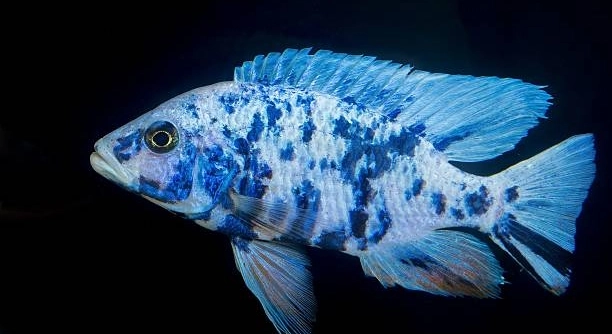
Keeping a cichlid pair healthy and happy can be challenging when changes occur in their tank. Even small adjustments in water, decor, or lighting can disrupt their routine and create confusion between the fish.
Cichlid pairs often react negatively to sudden alterations in tank layout, water chemistry, temperature, or lighting. These changes can disturb established territories, affect breeding behavior, and trigger stress responses, making careful management crucial for maintaining stable pair dynamics in captivity.
Observing how each adjustment affects your fish helps maintain harmony and ensures their long-term wellbeing in a shared environment.
Sudden Tank Rearrangements
Moving rocks, plants, or decorations too quickly can unsettle cichlid pairs. These fish rely on visual landmarks to establish territories and navigate their environment. When their surroundings change suddenly, they may become defensive or stressed. Even minor shifts, like relocating a small decoration, can trigger aggression or confusion. To prevent tension, it is helpful to plan changes gradually, giving the pair time to adjust. Observing their behavior after adjustments can indicate whether they are adapting or if further modifications are necessary. Stable environments promote natural behaviors and reduce the risk of conflicts.
Rearranging the tank should be done slowly, in small steps, allowing cichlids to recognize their space and retain their sense of territory.
Frequent or abrupt tank changes disrupt routines and hierarchy. Cichlid pairs may hide excessively, chase each other, or stop breeding. Gradual adjustments, like moving one rock at a time or repositioning plants over several days, help maintain stability. Monitoring water quality after changes is also essential, as sudden shifts can affect temperature or pH levels. Creating zones with consistent hiding spots reduces stress and encourages natural interactions. Over time, pairs become accustomed to minor updates without distress, ensuring healthier and more balanced behavior in the tank.
Water Parameter Fluctuations
Even small shifts in pH, hardness, or temperature can confuse cichlid pairs.
Cichlids are highly sensitive to water changes, and inconsistent parameters can trigger stress and territorial disputes. Sudden variations in water chemistry may lead to decreased appetite, erratic swimming, or aggression. Consistent testing and gradual adjustments prevent these issues. Using a reliable heater, filtration system, and regular water monitoring maintains stable conditions. Introducing water additives or changing filtration media should be done carefully to avoid shocking the fish. Understanding the preferred ranges for each species helps keep the pair comfortable and encourages natural behaviors. Over time, stable water conditions allow cichlids to establish territory, breed, and interact normally. Avoiding drastic changes and documenting water readings can highlight trends or potential problems early, giving time for corrective action. Proper care reduces stress, keeps the fish active, and ensures the tank remains visually appealing. Consistency is key for healthy, harmonious cichlid pairs.
Introducing New Tankmates
Adding new fish can create tension for established cichlid pairs. The original pair may feel threatened and act aggressively to defend their territory, making careful observation essential to prevent harm.
Newcomers can trigger stress responses, leading to hiding, chasing, or refusal to eat. It is important to monitor interactions closely, ensuring the pair retains their dominance without harming others. Introducing tankmates gradually, using a divider if possible, allows the original pair to acclimate without direct confrontation. Avoid overcrowding, as limited space intensifies conflicts and reduces hiding spots. Adjusting feeding routines and maintaining clean water also help ease the transition for all fish involved.
Some species are more territorial, and pairing them with aggressive newcomers can escalate conflicts. Even with compatible species, the first few days are critical for observing dominance behaviors. Providing sufficient plants, rocks, and caves helps reduce stress, offering escape routes for both the pair and the new fish. Over time, careful management allows coexistence, but vigilance is necessary. Gradual introductions, maintaining water stability, and respecting the pair’s established hierarchy encourage a calmer tank environment and reduce long-term stress for all fish.
Changes in Lighting Patterns
Altering light schedules abruptly can disturb cichlid behavior. Sudden shifts may disrupt feeding and resting routines, causing confusion and stress.
Cichlids rely on consistent lighting to regulate activity and breeding cycles. Sudden changes, such as increasing brightness or extending light hours, can make them defensive or less active. Gradual adjustments help maintain normal behavior. Using timers ensures a steady schedule, replicating natural day-night cycles. Proper lighting also highlights territorial boundaries and helps fish navigate decorations. Inconsistent lighting may lead to aggression or hiding, impacting overall tank harmony and the pair’s comfort.
Lighting affects mood, breeding, and activity levels. Abrupt changes may cause disorientation, stress, and shifts in dominance within the pair. Gradually adjusting light intensity and duration allows cichlids to adapt without panic. Mimicking natural daylight patterns improves comfort and encourages normal behavior. Supplemental lighting for plants should be balanced, ensuring it does not overshadow fish areas. Observing responses after changes guides future adjustments. Maintaining a predictable lighting schedule supports circadian rhythms, reduces aggression, and promotes healthier interactions. Consistent light also enhances tank aesthetics, making territories visible and easier for pairs to navigate safely.
Overfeeding and Diet Changes
Sudden changes in diet or overfeeding can upset cichlid pairs. Uneaten food pollutes the water, causing stress and aggression.
Switching foods abruptly may lead to refusal to eat or digestive issues. Maintaining a consistent feeding routine and introducing new foods gradually helps pairs adapt without conflict.
Strong Water Currents
Excessive water flow can confuse cichlids, making it difficult for them to maintain territories. Strong currents increase stress and reduce control over movements, affecting normal behavior. Properly adjusting filters or flow patterns creates calmer zones for resting, feeding, and breeding.
Frequent Cleaning and Disturbances
Cleaning the tank too often or moving decor repeatedly unsettles cichlid pairs. Constant disturbances interfere with territory boundaries and comfort, leading to stress, hiding, or aggression. Maintaining a careful, consistent schedule minimizes tension and supports stable interactions.
FAQ
How can I tell if my cichlid pair is stressed by tank changes?
Signs of stress include hiding more than usual, chasing each other excessively, or refusing food. Changes in coloration, rapid gill movement, and erratic swimming are also common indicators. Observing behavior closely after adjustments helps determine if they are adapting or struggling.
How quickly should I introduce new tank decorations?
Decorations should be added gradually over several days. Start with one or two items at a time, then observe how the pair reacts. This slow approach allows them to reestablish territory without becoming overly defensive or stressed.
Is it necessary to adjust water parameters immediately after a change?
Sudden changes in pH, hardness, or temperature can be harmful. Adjust water parameters slowly, testing frequently. Small, incremental shifts reduce stress and allow the cichlid pair to maintain normal routines and behavior.
Can lighting changes affect breeding behavior?
Yes. Cichlids use consistent light cycles to regulate activity and reproduction. Sudden increases or decreases in lighting can disrupt these cycles. Gradually modifying light intensity or duration helps preserve normal breeding behaviors and reduces stress.
How do I introduce new fish without upsetting the pair?
Introduce newcomers using a tank divider initially. This allows visual and chemical contact without direct aggression. Monitor interactions and only remove the divider when the original pair shows calm behavior. Providing hiding spots for all fish reduces conflict.
What is the best way to manage overfeeding?
Feed small amounts appropriate for their size and remove uneaten food promptly. Stick to a regular feeding schedule and gradually introduce new foods. Overfeeding increases waste, deteriorates water quality, and can trigger aggression in cichlid pairs.
How often should I clean the tank to avoid confusion?
Cleaning should be done consistently but not excessively. Avoid moving decorations frequently, as it disrupts established territories. Partial water changes are preferred to full cleanings, helping maintain stability in both water quality and fish behavior.
Do temperature fluctuations affect cichlid pairs?
Yes. Even small swings in water temperature can increase stress and trigger territorial aggression. Use a reliable heater and monitor daily. Gradual changes are safer and allow cichlids to adjust without behavioral disruptions.
Can strong water currents cause issues?
Strong currents can stress cichlids, making them fight to maintain positions in the tank. Adjusting filter output or creating calmer zones with rocks and plants helps reduce strain and provides areas for resting and feeding.
What should I do if my cichlid pair stops breeding after tank changes?
Check for stress indicators and water stability. Gradually restore stable conditions, including lighting, decorations, and temperature. Allow the pair time to readjust before attempting to encourage breeding again. Minimizing disturbances supports natural reproductive behavior.
Are some cichlid species more sensitive to changes than others?
Yes. Territorial or highly social species are especially sensitive to changes in environment, tankmates, and water conditions. Understanding the specific needs and natural behaviors of your species helps prevent stress and ensures a stable pairing.
How long does it take for cichlids to adjust to minor changes?
Adjustment time varies depending on the species and extent of changes. Minor alterations may take a few days, while larger shifts, like rearranging the tank or adding new fish, can require a week or more. Observing behavior guides future adjustments.
Can adding plants help reduce stress?
Yes. Plants provide hiding spots and visual barriers, reducing aggression and helping cichlids feel secure. Positioning them strategically allows pairs to maintain territories while giving space for retreat if needed.
What is the role of consistent feeding in maintaining harmony?
Regular feeding routines help reduce competition and stress. Cichlids anticipate feeding times, and sudden changes in schedule or portion size can provoke aggression. Consistency ensures pairs remain calm and focused on their environment rather than competing for food.
How should I handle water parameter testing?
Test frequently, especially after any changes. Record readings to track trends and catch deviations early. This proactive approach allows small adjustments before they impact the health or behavior of the cichlid pair.
Can minor tank disturbances still confuse cichlids?
Yes. Even small movements of decorations, plants, or equipment can cause temporary confusion. Limit disturbances and allow recovery periods between changes to help pairs maintain stability and natural behavior.
Are hiding spots essential for cichlid pairs?
Absolutely. Hiding spots reduce stress, provide territory boundaries, and allow retreat during conflicts. Rocks, caves, and dense plants help maintain harmony, especially after changes to the tank or water conditions.
Is it normal for pairs to act aggressively during adjustments?
Yes. Temporary aggression is common when territory or routine is disrupted. Monitoring behavior and making gradual changes minimizes risk while allowing the pair to reestablish social order naturally.
How can I prevent long-term stress from recurring changes?
Consistency is key. Gradually introduce changes, maintain stable water parameters, provide hiding spots, and monitor behavior regularly. A calm and predictable environment ensures healthier, more balanced cichlid pairs over time.
What should I do if a pair never adjusts?
If stress continues despite careful management, consider isolating one fish temporarily or re-evaluating tank setup. Some pairs may not tolerate certain changes or additions. Adjusting conditions gradually and respecting individual temperaments often leads to improved harmony.
Final Thoughts
Managing a cichlid pair requires patience, observation, and consistency. These fish are sensitive to changes in their environment, whether it’s the arrangement of decorations, water parameters, lighting, or tankmates. Even small alterations can trigger stress, aggression, or confusion. Maintaining a stable habitat allows cichlids to establish territories, interact normally, and thrive. Observing behavior closely after every change is essential to understand how the pair is responding. If signs of stress appear, such as hiding, chasing, or loss of appetite, adjustments should be slowed or reversed. Gradual transitions are much more effective than abrupt shifts, helping the fish adapt without disrupting their natural routines.
Regular maintenance and careful planning are key to a harmonious tank. Consistent feeding routines, stable water conditions, and predictable light cycles support normal behavior and breeding. Overfeeding, strong currents, or frequent cleaning can unintentionally cause stress, even when done with good intentions. Providing hiding spots and visual barriers reduces tension and gives each fish a sense of security. When introducing new decorations, fish, or plants, it is best to go slowly, allowing the pair to adapt step by step. Patience and careful observation are essential, as each species and pair may react differently. By understanding the specific needs of your cichlid pair, it is possible to create a balanced and healthy environment that encourages natural behavior.
The long-term wellbeing of cichlid pairs depends on thoughtful care and attention to detail. Avoiding sudden disruptions and maintaining a calm, consistent habitat reduces conflict and promotes stability. Recording water parameters, monitoring behavior, and gradually implementing changes create a structured environment where the pair can thrive. Each adjustment should be made with their comfort in mind, and interventions should prioritize reducing stress rather than immediate aesthetic or functional improvements to the tank. By staying attentive and responsive to the needs of the cichlids, it is possible to minimize confusion, support natural behaviors, and maintain a peaceful tank. A stable, well-planned environment ensures the fish remain healthy, active, and balanced, allowing you to enjoy the satisfaction of watching your cichlid pair flourish over time.

Hello,
If you enjoy the content that we create, please consider saying a "Thank You!" by leaving a tip.
Every little bit helps us continue crafting quality advice that supports the health, happiness, and well-being of pets around the world, for pets of all shapes, sizes, and species.
We really appreciate the kindness and support that you show us!