
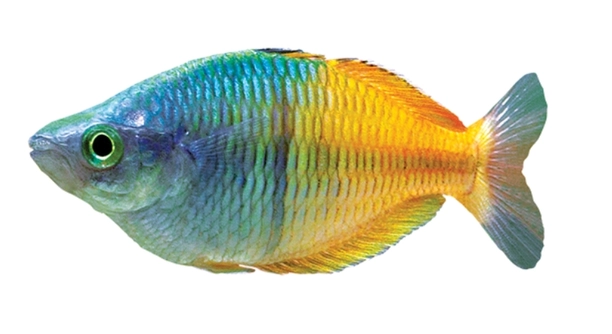
Rainbow fish are known for their vibrant colors and active nature. In their tanks, they often show signs of social behavior. Understanding these behaviors can help create a more enjoyable environment for both fish and their owners.
Rainbow fish are highly social creatures, often displaying behaviors such as schooling and interacting with each other. These actions are a clear indication of their need for companionship, which is essential to their overall health and well-being.
Understanding the ways in which rainbow fish show their social tendencies can enhance your aquarium setup and create a more harmonious space for them.
1. Rainbow Fish Schooling Together
Rainbow fish often form schools in their natural habitat. This behavior is not only social but also helps protect them from predators. When kept in a tank, they will often swim in groups, seeking the company of others. This behavior can be observed more easily when several rainbow fish are added to the same tank. Schooling allows them to feel secure and promotes a healthy atmosphere in the aquarium.
Creating a school in your tank with rainbow fish can help reduce stress. The more fish you have, the more natural their behavior will become. Providing this social setup can make your aquarium more lively and enjoyable.
Fish that are kept alone tend to become stressed and exhibit more aggressive behaviors. To maintain a peaceful tank, it’s important to keep at least six rainbow fish. This group size helps them feel comfortable and safe, mimicking their natural social structure.
2. Displaying Interactions with Tank Mates
Rainbow fish show signs of interaction with other species in the tank. They may swim alongside peaceful tank mates or occasionally interact by following each other. These interactions are signs of curiosity and sociability. By observing these moments, you’ll get a glimpse into how they engage with their environment and companions.
These interactions contribute to creating a balanced and active aquarium. Fish that are allowed to coexist peacefully are more likely to show their natural behaviors. When you provide a harmonious setting, the rainbow fish’s social nature can thrive.
3. Rainbow Fish Communicating with Color Changes
Rainbow fish often use their colors to communicate with each other. When feeling stressed or excited, their colors may intensify or fade. These color changes serve as signals to other fish in the tank, indicating their emotional state. Watching these subtle changes can help you understand their needs and behaviors better.
By observing these color changes, you can gauge the mood of your rainbow fish. If the colors darken, they may be feeling stressed or threatened, which could be due to environmental factors or tank mates. When they display bright, vibrant colors, it’s often a sign of contentment and well-being.
Color changes in rainbow fish can also occur during mating displays. These vivid color shifts are part of their natural courtship rituals, signaling to potential mates. In a well-maintained tank, these displays can become a beautiful and natural part of your aquarium experience.
4. Territorial Behavior in Rainbow Fish
Rainbow fish can exhibit territorial behavior, especially when they feel their space is being invaded. These behaviors are typically observed when there is a lack of hiding spots or too many fish in one area. It’s important to provide enough space for each fish to establish its territory.
To reduce territorial aggression, try creating more hiding spots and planting areas in the tank. By offering a variety of spaces, each fish can carve out its own territory, reducing conflicts. Rainbow fish are generally peaceful but need the right environment to feel comfortable and secure.
When you notice territorial behavior, it can be a sign that the tank is overcrowded or lacking in resources. Giving each fish its space will not only help reduce stress but also promote natural social interactions. This will lead to a healthier, more harmonious tank environment for your rainbow fish.
5. Feeding Time Socialization
Rainbow fish tend to become more active during feeding times. They often gather together near the surface of the tank, eagerly waiting for food. This behavior highlights their social nature as they enjoy sharing these moments with their tank mates.
Feeding time also reinforces their group dynamics. By feeding your rainbow fish at the same time every day, they’ll begin to associate it with social interaction, enhancing their sense of community. This routine can create a more stable and enjoyable environment for your fish, as they feel more connected to their surroundings.
6. Mating Behavior and Social Interaction
During the mating season, rainbow fish engage in displays that showcase their vibrant colors and active movements. These interactions are highly social, involving both males and females. The male will often chase and display his colors, signaling interest to a female.
These displays help reinforce social bonds and lead to successful reproduction. When kept in a well-balanced tank with plenty of hiding spaces, rainbow fish are more likely to engage in these mating behaviors. Ensuring a comfortable environment encourages their natural instincts, contributing to their overall well-being.
7. Group Swimming as a Sign of Comfort
Rainbow fish are more likely to swim together in a group when they feel safe and comfortable. This behavior strengthens their social bonds and creates a sense of unity within the tank. You’ll often notice them moving in sync, reflecting a healthy, relaxed environment.
FAQ
Do rainbow fish need to be kept in schools?
Yes, rainbow fish thrive in schools. They are naturally social creatures and feel safer and more comfortable when kept with others of their kind. A group of at least six rainbow fish is recommended to promote their well-being. When kept alone, they may become stressed or exhibit less active behavior. Having a school allows them to display their natural social tendencies, such as schooling and interacting with one another.
What tank size do rainbow fish need to thrive?
Rainbow fish require a tank that is at least 30 gallons in size, especially if you plan to keep a school of six or more. A larger tank provides more space for swimming and reduces territorial disputes. Having a spacious tank helps rainbow fish feel less stressed and more comfortable, promoting better social interactions. A bigger tank also allows for better water quality and easier maintenance, which is essential for their health.
Can rainbow fish live with other species?
Yes, rainbow fish are peaceful and generally get along well with other species, especially when housed with non-aggressive fish. They tend to do best with other community fish that share similar water temperature and pH preferences. However, it’s important to avoid tank mates that are overly aggressive or too large, as they can stress the rainbow fish or compete for resources. Ideal tank mates include other small, peaceful species like tetras, barbs, and Corydoras catfish.
What water conditions do rainbow fish prefer?
Rainbow fish prefer slightly alkaline to neutral water, with a pH between 6.5 and 7.5. The water temperature should be kept between 74°F and 80°F (23°C to 27°C). Regular water changes and proper filtration are crucial to maintaining the health of rainbow fish. They thrive in well-oxygenated water and will do best in a clean, stable environment with minimal fluctuations in water conditions. Monitoring the water parameters regularly helps ensure they stay happy and healthy.
How do I encourage rainbow fish to breed?
To encourage breeding, ensure that your rainbow fish are kept in a well-maintained tank with plenty of hiding spots and plants. Males will often display their vibrant colors to attract females, especially when they feel safe and comfortable. Adding high-quality food, such as live or frozen foods, can stimulate breeding behaviors. Some aquarists suggest mimicking the seasonal changes in their natural environment, such as slightly lowering the temperature or increasing the water flow, to trigger breeding. Once breeding occurs, remove the parents to protect the eggs and allow the fry to grow safely.
Why do rainbow fish sometimes display aggressive behavior?
While rainbow fish are generally peaceful, they can display aggressive behavior if they feel threatened or overcrowded. Territorial disputes can occur when there aren’t enough hiding spots or when tank mates compete for space. Aggression can also arise during the breeding season, with males competing for the attention of females. To reduce aggressive behavior, ensure the tank has enough space, hiding spots, and appropriate tank mates. Maintaining a balanced and well-planted tank can minimize stress and help prevent conflict.
How can I tell if my rainbow fish are stressed?
Stressed rainbow fish may exhibit changes in behavior or appearance. You might notice them swimming erratically or hiding more than usual. Their colors may fade, indicating stress or discomfort. In some cases, they may stop eating or show signs of aggression toward tank mates. Stress can be caused by poor water conditions, overcrowding, or incompatible tank mates. By providing a stable environment, proper water quality, and the right social setup, you can reduce stress and promote a healthier tank.
What should I feed my rainbow fish?
Rainbow fish are omnivores, so they eat a variety of foods. Their diet should include high-quality flakes, pellets, and live or frozen foods like brine shrimp, daphnia, and bloodworms. It’s important to vary their diet to ensure they get all the necessary nutrients. A balanced diet helps maintain their bright colors and active behavior. Feeding them small amounts two to three times a day is ideal. Avoid overfeeding, as it can lead to poor water quality and health issues.
Can rainbow fish live with shrimp or snails?
Rainbow fish are generally safe to keep with shrimp and snails, as they are not aggressive toward them. However, larger shrimp species might be at risk of being eaten by rainbow fish, especially if the fish are hungry or particularly curious. Small, peaceful shrimp species like cherry shrimp can coexist with rainbow fish, but it’s important to monitor interactions. Snails are usually safe, as long as they are large enough to avoid becoming prey. Providing plenty of hiding spots for shrimp and snails will help them thrive in the same tank.
How do I maintain water quality for rainbow fish?
Maintaining good water quality is essential for rainbow fish. Regular water changes of 25-30% every two weeks are recommended. Use a reliable filtration system to keep the water clean and well-oxygenated. Testing the water regularly for ammonia, nitrites, and nitrates is important to ensure the levels remain safe. Rainbow fish prefer slightly alkaline water, so ensure the pH level stays between 6.5 and 7.5. Consistent water quality will help prevent stress and promote the overall health of your rainbow fish.
Do rainbow fish need a specific type of substrate?
Rainbow fish do not require a specific type of substrate, but they do benefit from having a soft, sandy bottom or fine gravel. This makes it easier for them to swim and for the tank to be cleaned. A sandy substrate also helps prevent injuries to their delicate fins. Plants, rocks, and driftwood can be added to the substrate to create hiding spots and add to the natural look of the tank. Providing a varied substrate helps create an ideal environment for your rainbow fish.
How long do rainbow fish live?
Rainbow fish typically live for 5 to 8 years in captivity when kept in the right conditions. Their lifespan can vary depending on factors such as water quality, diet, and tank environment. By maintaining stable water parameters, providing proper nutrition, and reducing stress, you can ensure that your rainbow fish live a long and healthy life. Regular monitoring and maintaining the aquarium will help you avoid common issues that could shorten their lifespan.
Can rainbow fish live in brackish water?
While rainbow fish generally prefer freshwater, some species can tolerate brackish water. However, most common rainbow fish in the aquarium trade do best in purely freshwater environments. If you are planning to keep them in brackish water, it’s important to choose species known to tolerate higher salinity levels. Keep in mind that sudden changes in water conditions can stress rainbow fish, so it’s essential to make gradual adjustments if introducing salt into the tank. Regular monitoring of salinity is also key to their health in brackish water setups.
Final Thoughts
Rainbow fish are fascinating creatures that thrive in social environments. Their natural instincts to school, display vibrant colors, and interact with one another are clear indicators of their social nature. When kept in a tank with other rainbow fish or compatible species, they tend to be more active, healthy, and comfortable. The key to their well-being is providing a suitable environment with enough space, hiding spots, and proper care. This ensures they can live out their social behaviors, forming bonds and engaging in active displays.
If you’re considering adding rainbow fish to your aquarium, it’s important to maintain stable water conditions and ensure the tank is large enough to accommodate a school of them. A group of at least six rainbow fish is recommended for them to feel secure and social. Their peaceful nature makes them great companions for other community fish, but you should be cautious of tank mates that are too aggressive or large. Regular water changes and maintaining water quality are essential to keeping rainbow fish happy and healthy.
In the end, rainbow fish make a vibrant and lively addition to any aquarium. Their social behavior and stunning colors can bring energy and beauty to your tank. By providing them with the right environment, you ensure they can display their natural tendencies, enriching your aquarium experience. With the proper care, rainbow fish can thrive for several years, making them a rewarding fish to keep. Whether you are a beginner or experienced aquarium keeper, their social nature and ease of care make them a great choice.

Hello,
If you enjoy the content that we create, please consider saying a "Thank You!" by leaving a tip.
Every little bit helps us continue crafting quality advice that supports the health, happiness, and well-being of pets around the world, for pets of all shapes, sizes, and species.
We really appreciate the kindness and support that you show us!