
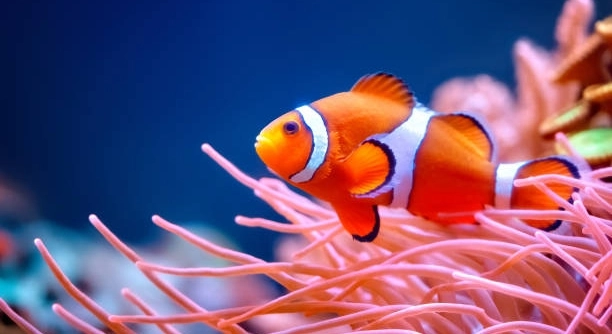
Clownfish are popular in home aquariums because of their bright colors and active nature. Many hobbyists enjoy creating a healthy and engaging environment for these fish. Adding the right tank elements can improve their well-being and behavior.
Seven specific tank additions have been shown to encourage positive responses from clownfish. These include live rock, anemones, proper hiding spots, gentle water flow devices, suitable lighting, coral species, and algae growth. Each element supports natural behaviors and overall health.
Knowing which additions work best helps you build a tank that keeps your clownfish comfortable and thriving. This article will guide you through options that are proven to be effective.
Live Rock for Natural Shelter
Live rock is a staple in many marine tanks and clownfish respond well to it. It offers hiding spots and surfaces for beneficial bacteria to grow, which helps maintain water quality. Clownfish naturally seek shelter among rocks and crevices in the wild, so adding live rock creates a familiar and safe environment for them. The porous structure of live rock allows clownfish to explore and find places to rest or avoid stress. It also helps promote natural behaviors like territory marking and foraging. Including live rock in the tank can reduce aggression and improve the overall health of your clownfish by mimicking their natural habitat. When setting up the tank, arrange the live rock to form caves or arches where the fish can swim through or hide easily. This addition is low maintenance once established and brings more life into the tank ecosystem.
Live rock also encourages algae growth, which some clownfish nibble on, adding a natural food source.
Using live rock in your clownfish tank supports their health and comfort. It enhances biological filtration and makes the tank more engaging for your fish. It also stabilizes the environment by promoting beneficial microorganisms, which help keep water conditions steady. Live rock creates natural hiding spots that reduce stress and aggression. Proper placement is important; ensure there are enough caves and overhangs for your clownfish to feel secure. This addition balances the tank’s ecosystem and gives your clownfish a space that feels like home, promoting their natural behaviors.
Anemones as a Safe Haven
Anemones provide shelter and protection for clownfish in a symbiotic relationship. The clownfish gain safety among the anemone’s stinging tentacles, while the anemone benefits from food scraps and cleaning by the fish.
Anemones need stable tank conditions and proper lighting to thrive. It is important to research the right species and care before introducing one to your tank.
Choosing the right anemone can be challenging because they require specific water quality and lighting levels. When cared for properly, anemones can live for many years and provide a unique and dynamic environment. The interaction between clownfish and anemones is fascinating to observe. Clownfish often “dance” among the tentacles, which strengthens their bond and offers them safety from predators. Keep in mind that some anemones can grow large and move around the tank, so they need space and stable rock bases. Adding an anemone should be done with caution, and only when the tank is mature and well-established to avoid harming both the anemone and your clownfish.
Proper Hiding Spots
Clownfish feel more secure when there are plenty of places to hide. Small caves, PVC pipes, or coral formations work well as safe spots.
Providing hiding spots reduces stress and aggression among tank inhabitants. Clownfish naturally retreat to cover when feeling threatened or resting. These areas allow them to feel protected and maintain their territory. Hiding spots also encourage natural exploration and activity, which is good for their health. When choosing or creating hiding places, make sure they are stable and won’t trap the fish. Soft edges or smooth surfaces prevent injury. Positioning hiding spots near other tank features, like live rock or anemones, helps clownfish move easily between safe zones.
Well-placed hiding spots can also support breeding behavior. Clownfish use secure areas to lay eggs and guard their nests. Observing this can be rewarding, especially when your fish feel safe enough to reproduce. These shelters provide the privacy clownfish need for important life stages, improving their overall well-being in your aquarium.
Gentle Water Flow Devices
Clownfish prefer moderate water movement that mimics their natural reef environment. Strong currents can stress them, so gentle flow devices are ideal.
Using adjustable powerheads or wavemakers allows you to control water flow strength and direction. Clownfish thrive with currents that provide oxygenation and remove waste without overwhelming them. Proper water flow supports coral and anemone health too. Placing flow devices strategically creates calm zones near hiding spots or anemones, giving clownfish areas of rest. Observing your fish will help determine if the flow is too strong or just right. Gentle water movement encourages natural swimming patterns and feeding behavior. Too much turbulence can cause stress, reducing fish activity and appetite. Using these devices correctly balances tank conditions for a happier clownfish community.
Suitable Lighting
Clownfish need lighting that supports both their health and the growth of tank plants or corals. Moderate, natural-spectrum lighting works best for their environment.
Too bright or too dim light can stress clownfish and affect their activity. Adjust lighting to mimic their natural habitat, which usually has some shaded areas.
Coral Species
Certain coral species create a balanced environment that clownfish appreciate. Soft corals and small polyp stony corals provide shelter and enhance the tank’s natural feel.
Adding coral also encourages natural behaviors like hiding and swimming around complex structures. Corals contribute to water quality by supporting beneficial microorganisms. Be mindful of coral compatibility with clownfish and other tank inhabitants to avoid stress or damage.
Algae Growth
Algae growth is a natural part of a healthy marine tank and provides additional grazing opportunities for clownfish. Some species nibble on algae, which can supplement their diet.
Maintaining balanced algae levels helps keep the tank ecosystem stable and visually appealing.
FAQ
What tank size is best for clownfish?
A tank size of at least 20 gallons is recommended for a pair of clownfish. This size provides enough space for swimming, territory, and tank additions like live rock or anemones. Larger tanks offer more stability in water parameters, which helps clownfish stay healthy.
How often should I clean my clownfish tank?
Cleaning should be done regularly but carefully to maintain water quality without stressing the fish. Partial water changes of 10-20% every one to two weeks are ideal. Remove algae buildup and clean the substrate as needed, but avoid deep cleanings that disrupt the tank’s beneficial bacteria.
Can clownfish live without anemones?
Yes, clownfish can live happily without anemones if their environment includes plenty of hiding spots and live rock. While anemones provide natural shelter, clownfish adapt well to alternative tank features. It’s important to provide other means of protection and enrichment.
What do clownfish eat?
Clownfish are omnivores and enjoy a varied diet. They eat flakes, pellets, frozen foods like brine shrimp or mysis shrimp, and some algae. A balanced diet supports their bright colors and energy. Feeding small amounts two to three times a day is best.
How do I introduce anemones safely?
Introduce anemones only after your tank is well established (usually 6 months or more). Make sure water parameters are stable and lighting is sufficient. Place the anemone on a stable rock base and monitor its movement to prevent damage to corals or fish.
Why do clownfish sometimes hide all day?
Clownfish may hide if stressed, sick, or adjusting to a new environment. Check water quality, tank mates, and overall conditions. Hiding is a normal behavior when they feel threatened or are resting, but prolonged hiding could indicate a problem.
Can clownfish live with other fish?
Clownfish are generally peaceful but can be territorial, especially when breeding. They usually do well with other non-aggressive species. Avoid keeping them with overly aggressive or much larger fish to reduce stress and potential harm.
How do I encourage breeding in clownfish?
Breeding requires a stable environment with plenty of hiding spots and a suitable surface for egg-laying. Feeding a nutritious diet and maintaining good water quality helps. Clownfish pairs develop strong bonds and often clean and guard their eggs carefully.
What lighting is best for clownfish tanks?
Moderate lighting with a natural spectrum works well. It supports the growth of corals, anemones, and algae that contribute to the tank’s ecosystem. Avoid very bright or harsh lighting, which can stress the fish.
Is algae growth harmful to clownfish?
Controlled algae growth is not harmful and can even provide a natural food source. Excessive algae, however, may indicate water quality issues and can harm corals or reduce oxygen levels. Regular tank maintenance keeps algae balanced.
Final Thoughts
Creating a comfortable and healthy environment for clownfish takes some planning and care. Adding the right tank elements can make a big difference in how your clownfish behave and thrive. Items like live rock, anemones, and hiding spots offer places for the fish to explore and feel safe. These additions help mimic their natural habitat, which reduces stress and encourages natural behaviors. A well-set-up tank not only keeps your clownfish healthy but also makes watching them more enjoyable.
Water flow and lighting are also important factors. Gentle water movement keeps the tank clean and oxygenated without overwhelming the fish. Proper lighting supports both the clownfish and any corals or anemones you may have. Algae growth, when controlled, can provide an extra food source and contribute to a balanced ecosystem. Paying attention to these details helps maintain stable water conditions, which is key to the long-term health of your clownfish.
Remember, every tank is different, and clownfish may respond in unique ways to their environment. It takes time to find the right balance and setup for your specific aquarium. Observing your clownfish regularly will help you understand their needs and adjust the tank accordingly. With patience and care, your clownfish can live a happy life, showing off their bright colors and active personalities. Adding the right features is a simple way to support their well-being and make your tank a beautiful, lively space.

Hello,
If you enjoy the content that we create, please consider saying a "Thank You!" by leaving a tip.
Every little bit helps us continue crafting quality advice that supports the health, happiness, and well-being of pets around the world, for pets of all shapes, sizes, and species.
We really appreciate the kindness and support that you show us!