
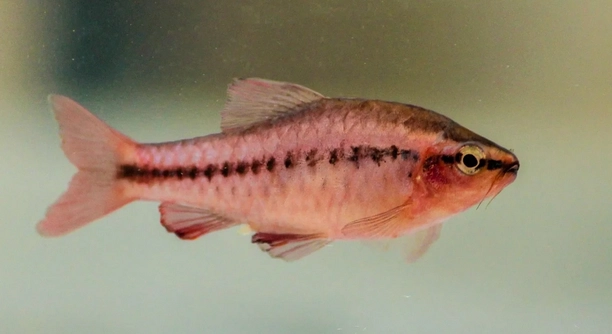
Are your cherry barbs already brightening up your tank but seem like they could use a few more tankmates or additions? This guide shares options that may help improve their environment and daily interaction.
Cherry barbs enjoy a peaceful community tank with slow-moving companions, gentle currents, natural plants, and hiding spots. Adding compatible species, soft substrate, and floating vegetation can help mimic their natural habitat and reduce stress-related behaviors.
Whether you’re starting fresh or upgrading your setup, these additions could support healthier, more active cherry barbs and enrich your tank overall.
Peaceful Tankmates for Cherry Barbs
Cherry barbs thrive in calm settings with similarly tempered tankmates. Fish like harlequin rasboras, neon tetras, and corydoras catfish work well due to their small size and non-aggressive behavior. These species swim at different levels, so they won’t compete with cherry barbs for space or attention. Their presence adds gentle movement and visual interest to the tank, helping barbs feel less stressed and more secure. Avoid pairing them with fin-nipping or overly active species like tiger barbs or danios. A peaceful environment encourages better social interaction, natural behaviors, and stable health. Grouping cherry barbs in at least five or six also boosts their comfort level and encourages more vibrant coloring. Compatibility is key to long-term harmony. Before introducing new fish, ensure the tank has enough space and hiding areas to prevent overcrowding. Quarantining new additions first is also helpful in preventing unwanted issues.
A calm tank with compatible neighbors can make a noticeable difference in your cherry barbs’ mood and activity levels.
Always observe new group dynamics closely in the beginning. Even peaceful species can sometimes show stress or territorial signs if the setup isn’t balanced.
Natural Plants That Provide Cover
Live plants give cherry barbs shelter and simulate their native habitat. Floating plants like frogbit, hornwort, or water lettuce help diffuse light and reduce stress. Rooted plants such as java fern or anubias offer secure hiding spots below.
Adding plants doesn’t just enhance the look of your tank. It also plays a practical role in water quality and the well-being of your cherry barbs. Plants help reduce ammonia and nitrates while providing safe spaces for barbs to retreat. Their natural cover lowers stress levels and supports regular activity. When fish feel safe, they show brighter colors and improved behavior. Try to maintain moderate lighting and use fertilizers only when necessary, as cherry barbs don’t require high-tech planted environments. Anchor plants securely or attach them to driftwood so they aren’t disturbed. Avoid sharp-edged or stiff plants that may damage delicate fins. Over time, a well-planted tank creates a stable, comfortable space for cherry barbs to explore.
Gentle Water Movement Options
Cherry barbs prefer calm water with slow movement. Strong filters or intense flow can stress them and lead to hiding or erratic swimming. A sponge filter or an adjustable flow filter works well to maintain proper circulation without disturbing their comfort.
Use spray bars or baffle attachments to reduce direct water pressure. Placing plants or decor near the outflow can also help break up strong currents. Keep an eye on their behavior—if they’re constantly fighting the flow or staying low, it may be too strong. A gentle current helps distribute oxygen and maintain water quality while still keeping the environment stress-free. It’s especially important when housing multiple species, as high activity zones can unsettle more passive fish. Regular maintenance and careful equipment placement will make a noticeable difference in your barbs’ overall ease and movement.
Even subtle adjustments to water flow can support a better routine for your cherry barbs. Monitor them during water changes or after new equipment is added. If they’re schooling comfortably and exploring all levels of the tank, you’ve likely created the right balance. Flow that’s too still can be just as problematic, so try to keep a steady, mild movement across the tank without overpowering them.
Soft Substrate Choices
Cherry barbs often forage near the bottom, so soft substrate helps protect their barbels and bellies. Fine sand or smooth gravel is ideal. Avoid sharp or rough materials that can cause irritation or injury over time.
Dark-colored substrates work well because they help bring out the barbs’ natural coloring. They also reduce reflected light, making fish feel safer. A natural look adds to their comfort, especially when paired with plants or driftwood.
Floating Plants for Shade and Security
Floating plants reduce light intensity and give cherry barbs a shaded, calm space to swim beneath. Options like frogbit, salvinia, or water lettuce are easy to care for and grow quickly. They help fish feel more secure, especially in open-top tanks or brightly lit setups. Roots from floating plants provide additional coverage and also collect microfoods. This natural setup supports more natural behaviors, such as gentle schooling and playful movement. Trim floating plants often so they don’t block too much light from reaching rooted plants below. They’re a great option for tanks without lids or in homes with variable lighting.
Leaf Litter or Indian Almond Leaves
Adding Indian almond leaves or natural leaf litter helps replicate the cherry barbs’ native habitat. The leaves slowly release tannins that soften the water and create a calmer environment. They also offer hiding spaces and support beneficial bacteria.
FAQ
What tank size is best for cherry barbs?
Cherry barbs do well in tanks that are at least 20 gallons. This provides enough space for them to swim freely and for other tankmates to coexist comfortably. Larger tanks, such as 30 gallons or more, allow for a more stable environment and room for plants, decorations, and additional species. The more space you provide, the more you can mimic their natural habitat, helping reduce stress and encourage natural behaviors like schooling.
How many cherry barbs should I keep together?
Cherry barbs are social fish and should be kept in groups of at least five or six to help them feel secure. Smaller groups may lead to shyer, less active fish, and they may not show their true colors or natural behaviors. Keeping a school allows them to engage in natural social behaviors and reduces aggression, creating a more peaceful tank environment.
Can cherry barbs live with other species?
Yes, cherry barbs are peaceful and can coexist with other non-aggressive species. They do best with small, calm fish such as tetras, rasboras, or corydoras catfish. Avoid pairing them with fin-nippers or overly active fish that may stress them out. Always ensure that the tank size is sufficient for multiple species to have their own space.
What should I feed my cherry barbs?
Cherry barbs are omnivores and will eat a variety of foods. Offer them high-quality flake or pellet food, supplemented with live or frozen foods like brine shrimp, daphnia, or bloodworms. It’s also good to provide occasional plant matter, such as blanched spinach or algae wafers. Feeding a varied diet ensures they get the nutrients they need for health and vibrant coloring.
How often should I feed cherry barbs?
Cherry barbs should be fed two to three times per day. Offer only as much food as they can eat within a few minutes to avoid overfeeding and water pollution. It’s important to balance their feeding schedule with their natural foraging instincts, ensuring they remain active and healthy without becoming overweight.
Do cherry barbs need a heater?
Yes, cherry barbs prefer warm water temperatures between 72°F and 80°F (22°C to 27°C). If you live in a region where water temperatures drop, it’s essential to use a heater to maintain a consistent temperature. Sudden temperature changes can stress cherry barbs and make them more susceptible to diseases.
Are cherry barbs prone to any diseases?
Like all fish, cherry barbs can be susceptible to common aquarium diseases, especially if they’re stressed or kept in poor water conditions. Watch for signs of ich, velvet, or fin rot. Maintaining clean water, monitoring water parameters, and avoiding overcrowding are key steps in preventing illness. Quarantining new fish before introducing them to the tank also helps prevent the spread of disease.
How do I breed cherry barbs?
Breeding cherry barbs is relatively straightforward. Provide a separate breeding tank with soft, acidic water and plenty of plants for the females to lay eggs. After spawning, remove the adults, as they may eat the eggs. The eggs hatch within a few days, and the fry can be fed infusoria or liquid fry food until they are large enough to eat small baby brine shrimp.
How long do cherry barbs live?
Cherry barbs typically live for about 3 to 5 years, though some can live longer with optimal care. Providing a stable, stress-free environment with proper water quality and diet will help extend their lifespan. Regular maintenance, such as water changes and monitoring tank conditions, is crucial to their long-term health.
Do cherry barbs need special water conditions?
Cherry barbs prefer slightly acidic to neutral water with a pH between 6.5 and 7.5. They thrive in soft to moderately hard water. Regular water changes are necessary to maintain water quality. Use a good filtration system to keep ammonia and nitrate levels low. Testing water parameters regularly ensures they stay within an ideal range for optimal health.
Can cherry barbs be kept in a tank without a filter?
While it is possible to keep cherry barbs in a tank without a filter, it’s not recommended. A filter helps maintain water quality by removing waste, excess food, and toxins. Without proper filtration, the water can quickly become polluted, leading to health issues for your cherry barbs. If you must keep them in a tank without a filter, perform frequent water changes to keep the tank clean.
Do cherry barbs need live plants in their tank?
While not absolutely necessary, live plants benefit cherry barbs by providing hiding spots, reducing stress, and improving water quality. Plants like java fern, anubias, and hornwort are good choices. They also help mimic the barbs’ natural environment, encouraging them to feel safe and behave more naturally. The addition of plants also improves oxygen levels and gives the tank a more natural, balanced ecosystem.
Final Thoughts
Caring for cherry barbs can be a rewarding experience, as they are peaceful and easy to maintain. Their vibrant colors and calm nature make them a great addition to most community tanks. By providing them with the right environment, including soft substrate, gentle water movement, and plenty of hiding spots, you can ensure they thrive. Regular water changes, a balanced diet, and proper tankmates will keep them healthy and stress-free. These fish are relatively low-maintenance but do best in a well-planned tank setup that mimics their natural habitat.
While cherry barbs are hardy, it’s important to monitor water quality and temperature regularly. Keeping the water clean and within the correct temperature range helps prevent stress and disease. It’s also essential to maintain a peaceful environment with appropriate tankmates. Avoid housing them with aggressive or overly active species, as this can cause unnecessary stress. Providing them with a school of their own kind allows cherry barbs to feel more secure and comfortable in their surroundings, which can also bring out their best coloring.
Overall, cherry barbs are an excellent choice for beginners and experienced fishkeepers alike. They adapt well to a variety of setups and can live peacefully with many other species. With a little attention to their needs, they will flourish in your tank, adding beauty and life to your aquarium. By respecting their natural behaviors and maintaining a suitable tank environment, you can enjoy the company of these colorful and peaceful fish for many years to come.

Hello,
If you enjoy the content that we create, please consider saying a "Thank You!" by leaving a tip.
Every little bit helps us continue crafting quality advice that supports the health, happiness, and well-being of pets around the world, for pets of all shapes, sizes, and species.
We really appreciate the kindness and support that you show us!