
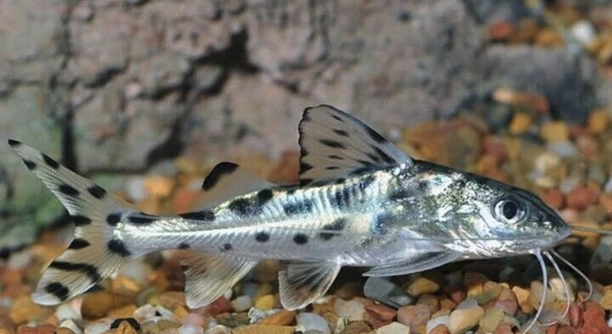
Are your fish tank inhabitants showing signs of boredom or inactivity? Adding the right accessories can help promote movement and mental stimulation. A well-designed tank environment encourages your fish to swim actively and explore their space.
Incorporating specific tank accessories, such as floating toys, plants, and tunnels, can significantly increase fish activity. These elements provide stimulation and encourage natural swimming behaviors, contributing to healthier and more vibrant aquatic life.
Understanding how these accessories influence fish behavior will help you create a more engaging environment for your tank’s residents. The right additions can transform a simple tank into an active underwater world.
Floating Toys for Stimulation
Floating toys create movement in the water, encouraging fish to swim more actively. These toys often move with water currents or when nudged, giving fish something to chase or interact with. Fish naturally explore their surroundings, and floating toys provide a dynamic element to keep their interest. Many floating toys are designed to be safe and non-toxic for aquatic life, making them a practical choice. They also add visual interest to your tank, brightening up the space. By introducing floating toys, you can help reduce boredom and stress in your fish, promoting healthier behavior. It’s important to choose toys appropriate for the size and type of fish you have, ensuring they don’t pose any risk of injury. Floating toys are easy to add and maintain, requiring minimal cleaning compared to plants or other accessories. Regularly switching the toys around can also keep the environment fresh and engaging for your fish.
Floating toys boost activity by adding movement and interaction in the tank. They stimulate fish without overwhelming the environment.
Changing toys occasionally keeps fish interested and maintains a lively tank atmosphere.
Live Plants for Natural Exploration
Live plants provide a natural environment for fish to explore and hide in. They create shaded areas and safe spaces, which encourage fish to swim through and around them. Plants also help improve water quality by absorbing nitrates and releasing oxygen. This creates a healthier habitat that supports more active and vibrant fish. The roots and leaves offer textures and shelter that simulate a fish’s natural habitat, making them more comfortable and willing to move around. Live plants vary in size and type, allowing you to customize your tank’s layout. They need proper care, including adequate light and nutrients, but the benefits far outweigh the effort. Additionally, plants can deter aggressive behavior by providing territory boundaries, which help fish coexist peacefully. Including a variety of plants ensures that all your fish find suitable areas for their preferences and activity needs, making your tank both beautiful and functional.
Tunnels and Caves
Tunnels and caves provide hiding spots and play areas for fish, encouraging exploration and activity. They create a sense of security while also making the tank more interesting.
These structures mimic natural shelters found in rivers and lakes. Fish enjoy swimming through and around tunnels, which helps keep them active. The confined spaces also encourage shy or territorial fish to come out of hiding. Proper placement is important to ensure good water flow and prevent buildup of debris inside tunnels. Materials like resin or ceramic are common, as they are safe and durable. Tunnels can vary in size and shape to suit different species, adding both function and decoration to your tank.
Regularly changing the arrangement of tunnels can stimulate curiosity and promote movement. Using multiple hiding spots reduces stress and helps maintain a balanced environment, encouraging natural swimming habits for various fish types.
Bubblers and Air Stones
Bubblers and air stones increase oxygen levels and create water movement, encouraging fish to swim actively. They produce streams of bubbles that add visual interest and stimulate fish to explore the currents.
Increased water circulation helps distribute nutrients and oxygen evenly, improving overall tank health. The bubbles also provide sensory stimulation, which many fish respond to by swimming more energetically. Air stones come in different shapes and sizes, allowing customization depending on tank dimensions and fish species. They are easy to install and maintain, requiring only occasional cleaning to prevent clogging. Some bubblers are designed to produce larger bubbles for decoration, while others create fine bubbles for maximum oxygenation. Using these devices alongside filters enhances water quality and supports active, healthy fish behavior. Integrating bubblers or air stones into your setup benefits both fish activity and the tank’s ecological balance.
Driftwood and Rocks
Driftwood and rocks create natural hiding spots and boundaries in the tank. They add texture and complexity to the environment, encouraging fish to explore.
These decorations also influence swimming patterns by breaking up open spaces, promoting more movement. Fish use them to establish territories or find shelter during rest periods.
Mirrors for Reflection
Mirrors placed outside the tank can stimulate fish by reflecting their image. This encourages territorial or curious fish to swim actively as they respond to their reflection.
Using mirrors occasionally can increase movement and engagement but should be monitored to prevent stress or aggression among fish.
Floating Platforms
Floating platforms provide shade and resting areas near the surface. They encourage fish to swim upwards and explore different tank levels.
These platforms add variety to the tank layout and promote natural behavior by creating diverse swimming zones.
What are the best tank accessories to encourage active swimming?
The best tank accessories to promote active swimming include floating toys, live plants, tunnels and caves, bubblers or air stones, driftwood, rocks, mirrors, and floating platforms. Each accessory adds different forms of stimulation and movement opportunities for your fish. Floating toys create dynamic water movement that encourages chasing and exploring. Live plants provide natural hiding spots and encourage exploration through varied textures and shade. Tunnels and caves mimic natural shelters, inviting fish to swim in and around them. Bubblers and air stones increase oxygen and water flow, stimulating activity. Driftwood and rocks create boundaries that break up open spaces, promoting natural swimming patterns. Mirrors can sometimes encourage curiosity or territorial behavior, increasing movement. Floating platforms add vertical interest by encouraging fish to explore different tank levels. Using a combination of these accessories can create a balanced environment that motivates your fish to stay active and healthy.
Can any fish benefit from these accessories?
Most freshwater and saltwater fish can benefit from well-chosen tank accessories that encourage activity. However, it’s important to consider the species’ natural behavior and needs. Active swimmers like tetras, guppies, and cichlids respond well to accessories that offer exploration and hiding spots. Bottom dwellers such as catfish also enjoy caves and driftwood for shelter. Less active or shy fish may use accessories as safe retreats before becoming more confident swimmers. Accessories should match the size and temperament of your fish to avoid stress or injury. For example, large or aggressive fish may require sturdier decorations and more space, while small, delicate species benefit from gentle water flow and soft plants. Researching the natural habitats and behaviors of your fish will help you select accessories that truly encourage activity tailored to their preferences.
How do live plants affect fish activity?
Live plants improve water quality by absorbing nitrates and releasing oxygen, creating a healthier environment that supports more active fish. They offer natural hiding places and shaded areas, which reduce stress and encourage exploration. Fish tend to swim through and around plants, increasing movement throughout the tank. The texture and layout of plants mimic natural habitats, making fish feel secure enough to display natural behaviors. Some fish nibble on certain plants or use leaves for spawning, adding to their activity. Proper lighting and nutrient balance are necessary to maintain healthy plants, but their benefits extend beyond aesthetics. Live plants contribute to a balanced ecosystem within the tank, supporting long-term fish activity and overall wellbeing.
Are bubblers and air stones necessary for all tanks?
Bubblers and air stones are not mandatory for every tank but offer significant benefits, especially in tanks with limited surface agitation. They increase oxygen levels by promoting water movement and gas exchange at the surface. This is particularly important in densely stocked tanks or those without strong filtration. The streams of bubbles create stimulation that encourages fish to swim more actively. However, tanks with efficient filters or natural water flow may not need additional bubblers. Air stones also add visual interest, making the tank more engaging for both fish and observers. Regular maintenance is required to keep air stones clean and functioning properly. Deciding whether to use bubblers depends on your tank setup, fish species, and oxygen requirements.
Can accessories cause harm to fish?
Accessories can cause harm if they are inappropriate for the tank size, material, or fish species. Sharp edges or rough surfaces on decorations can injure delicate fish. Some materials may leach harmful chemicals or alter water chemistry, so it’s crucial to choose aquarium-safe items. Overcrowding the tank with too many accessories can restrict swimming space and cause stress. Certain fish may become territorial over specific decorations, leading to aggression. Mirrors used improperly can cause continuous stress if fish constantly see their reflection as a rival. Regular inspection of accessories for damage or buildup of debris is important to maintain a safe environment. Selecting the right size, shape, and material for your fish will help avoid injuries and promote healthy activity.
How often should tank accessories be cleaned or changed?
Tank accessories should be cleaned regularly to prevent algae buildup, debris accumulation, and harmful bacteria growth. Cleaning frequency depends on the type of accessory and tank conditions. Floating toys and plastic decorations can be rinsed with warm water every two to four weeks. Live plants require trimming of dead leaves and monitoring for pests or decay. Tunnels, caves, driftwood, and rocks should be cleaned when visible dirt accumulates or during water changes, usually once a month. Avoid using soap or chemicals during cleaning to protect fish health. Occasionally rearranging or rotating accessories can keep the tank environment stimulating and prevent fish from becoming bored. Maintaining clean and fresh accessories supports active swimming and overall tank health.
Do fish need toys to stay active?
Fish do not need toys to survive, but toys and other accessories help keep them mentally and physically stimulated. In a bare tank, fish may become inactive or stressed due to lack of enrichment. Toys like floating objects, tunnels, and bubblers create opportunities for exercise and natural behaviors such as chasing, hiding, and exploring. Active fish tend to be healthier and show more vibrant colors. Enrichment also reduces aggressive behavior by providing distractions and alternative focuses. Some species respond better to certain toys, so observing your fish’s reactions helps in selecting the best accessories. Incorporating toys is a practical way to improve your fish’s quality of life beyond basic care.
What should I avoid when choosing tank accessories?
Avoid accessories made from unsafe materials that can alter water chemistry or release toxins. Items with sharp edges or rough surfaces should be excluded to prevent injuries. Overcrowding the tank with too many decorations restricts swimming space and may cause stress. Avoid plastic plants that can fade or break down, as well as accessories with paint or coatings that could peel off. Using mirrors excessively can provoke aggression and stress in territorial species. Accessories too large or too small for your fish can create hazards or be ignored altogether. Always prioritize items labeled safe for aquarium use and suited to your fish’s size and behavior. Selecting the right accessories carefully promotes a safe, active environment for your fish.
Choosing the right tank accessories plays an important role in encouraging active swimming and promoting the overall health of your fish. Accessories such as floating toys, live plants, tunnels, and bubblers create a stimulating environment that mimics natural habitats. This helps fish stay engaged, reducing boredom and stress that can lead to health problems. Each accessory offers different benefits, from providing hiding spots to increasing oxygen levels in the water. When combined thoughtfully, these elements make the tank more dynamic and comfortable for your fish. It is important to remember that a lively and active fish is often a sign of a healthy aquarium.
It is also essential to consider the needs of your specific fish species when selecting accessories. Different fish have different behaviors, activity levels, and environmental preferences. Some prefer lots of hiding places, while others enjoy open swimming space. Understanding these differences will help you choose accessories that suit your fish best. Proper placement and maintenance of accessories contribute to a clean, safe, and attractive tank environment. Regular cleaning and occasional rearranging keep the tank fresh and interesting for your fish, encouraging continuous activity and exploration.
Finally, balance is key. Overloading the tank with too many decorations can limit swimming space and cause stress. On the other hand, a sparse tank can lead to boredom and inactivity. Finding the right mix of accessories enhances your fish’s natural behavior without crowding their environment. Taking the time to observe how your fish respond to different items will help you create a happy, healthy aquatic space. Keeping these points in mind ensures your fish stay active and your tank remains a pleasant feature in your home.

Hello,
If you enjoy the content that we create, please consider saying a "Thank You!" by leaving a tip.
Every little bit helps us continue crafting quality advice that supports the health, happiness, and well-being of pets around the world, for pets of all shapes, sizes, and species.
We really appreciate the kindness and support that you show us!