
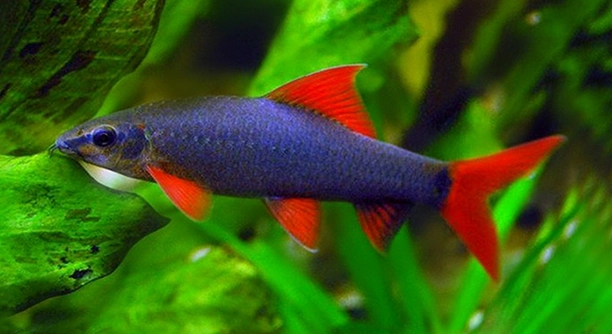
Many people enjoy keeping rainbow sharks in their aquariums because of their unique colors and active behavior. However, these fish can show signs of stress that affect their health and well-being. Recognizing stress early is important for maintaining a healthy tank environment.
Rainbow sharks often exhibit seven common symptoms of stress, including loss of color, hiding, rapid breathing, erratic swimming, loss of appetite, clamped fins, and increased aggression. Identifying these signs helps aquarists provide proper care and improve the fish’s condition.
Learning about these symptoms will help you support your rainbow shark’s health and create a better home for your aquatic pet.
Loss of Color
When rainbow sharks are stressed, one of the first noticeable signs is a fading or dulling of their vibrant colors. Their bright reds and blues become muted, making them look less lively than usual. This color change happens because stress affects their immune system and overall health. Factors like poor water quality, sudden temperature changes, or overcrowding can cause this reaction. If you notice your fish losing color, it’s important to check your tank conditions immediately. Cleaning the water, adjusting temperature, and reducing stressors can help your rainbow shark regain its bright appearance. Consistent care and monitoring are key to preventing further health problems. A stressed fish is more vulnerable to diseases, so acting quickly is essential for recovery.
Color loss is a clear signal that your rainbow shark needs attention to its environment and well-being.
Understanding why your fish’s color fades allows you to make better decisions for its care and comfort.
Hiding Behavior
Hiding is a common response when rainbow sharks feel threatened or uncomfortable. These fish may retreat to corners, caves, or under decorations more often than usual. This behavior helps them feel safe but can also indicate ongoing stress or illness. Sometimes, hiding happens because of aggressive tank mates or poor water quality. It’s important to observe if your rainbow shark is hiding excessively or during times it normally wouldn’t.
Stress causes hiding, and addressing the root causes can encourage your fish to be more active and visible.
Providing plenty of hiding spots is helpful, but too much hiding means something needs to change. Overcrowding, sudden loud noises, or improper lighting can also lead to this behavior. By creating a calm, stable environment with clean water and balanced tank mates, your rainbow shark will feel more secure. Consistent feeding and gentle interaction will build trust and reduce hiding over time. Monitoring these patterns helps you catch problems before they worsen and ensures your fish stays healthy and comfortable.
Rapid Breathing
Rapid breathing in rainbow sharks usually means they are under stress. This symptom shows when the fish is struggling to get enough oxygen or is reacting to poor water conditions. It’s important to identify the cause quickly to prevent serious health problems.
Rapid breathing often results from low oxygen levels or high ammonia in the tank. These issues can arise from inadequate filtration, overfeeding, or infrequent water changes. Checking water parameters regularly helps catch these problems early. Improving aeration with an air stone or increasing water movement can also ease breathing difficulties. Additionally, maintaining a clean tank environment reduces toxins that stress the fish. If rapid breathing continues after fixing water quality, it might indicate illness, so observing other symptoms is necessary. Taking swift action improves the rainbow shark’s comfort and survival chances.
Sometimes, rapid breathing appears alongside lethargy or loss of appetite, signaling the need for immediate care.
Erratic Swimming
Erratic swimming is a strong sign of stress in rainbow sharks. They may dart around the tank, bump into decorations, or swim in unusual patterns. This behavior can indicate discomfort or health issues.
Stress from poor water quality, sudden changes, or aggressive tank mates often causes erratic swimming. It may also point to internal parasites or infections. Observing the environment and other fish behavior can help identify the problem. Adjusting tank conditions and isolating aggressive fish improves the situation. Providing hiding spots and stable water parameters calms your rainbow shark. If symptoms persist, consulting a vet or aquatic specialist is recommended. Erratic swimming disrupts normal behavior and increases the risk of injury, so addressing it promptly keeps your fish safe and healthy.
Loss of Appetite
Loss of appetite is a common sign that a rainbow shark is stressed or unwell. When your fish refuses to eat or shows less interest in food, it means something is wrong.
Ignoring this symptom can lead to further health decline. Monitoring feeding habits closely helps catch problems early. Offering varied, high-quality food may encourage eating and support recovery.
Clamped Fins
Clamped fins happen when the fins are held close to the body instead of spreading out. This usually indicates discomfort, stress, or illness in rainbow sharks. It’s important to check water quality and tank conditions immediately when this behavior appears.
Increased Aggression
Increased aggression can be a sign of stress or competition in the tank. Rainbow sharks may nip at other fish or defend territory more fiercely when uncomfortable.
Keeping the tank properly sized, reducing overcrowding, and ensuring peaceful tank mates helps lower aggression and stress levels.
FAQ
What causes stress in rainbow sharks?
Stress in rainbow sharks is usually caused by poor water quality, overcrowding, sudden changes in temperature, or aggressive tank mates. These factors make the fish feel unsafe or uncomfortable, which affects their health and behavior. Maintaining clean water and a stable environment helps reduce stress.
How can I improve water quality for my rainbow shark?
Regular water changes and a good filtration system are essential for keeping water clean. Test your water often for ammonia, nitrite, and nitrate levels. Avoid overfeeding and remove leftover food promptly. These steps keep the water safe and help your fish stay healthy.
How do I know if my rainbow shark is stressed or sick?
Signs like loss of color, hiding, rapid breathing, and clamped fins can indicate stress. If these symptoms last longer than a few days or worsen, your fish might be sick. Look for additional symptoms such as spots, swelling, or changes in swimming patterns. A veterinarian or aquatic specialist can provide a proper diagnosis.
Can stress cause illness in rainbow sharks?
Yes, stress weakens the immune system, making rainbow sharks more vulnerable to infections and diseases. Stress can lead to bacterial, fungal, or parasitic infections if not addressed promptly. Reducing stress through proper care helps prevent illness.
What should I do if my rainbow shark is hiding too much?
Check for aggressive tank mates or poor water conditions first. Ensure your tank has enough hiding spots but is not overcrowded. Improving water quality and adjusting lighting can help. If hiding continues, consider isolating the fish temporarily to reduce stress.
Is it normal for rainbow sharks to be aggressive?
Rainbow sharks can show territorial aggression, especially if the tank is too small or crowded. Some aggression is normal, but excessive fighting causes stress and injury. Provide enough space, avoid keeping multiple males together, and choose peaceful tank mates to reduce aggression.
How often should I clean the tank to reduce stress?
Partial water changes of 20-30% every one to two weeks are usually sufficient. Regularly clean the substrate and filter without disturbing beneficial bacteria. Keeping the tank clean prevents buildup of harmful toxins that stress fish.
Can changes in temperature stress rainbow sharks?
Yes, sudden or extreme temperature changes can stress rainbow sharks. They thrive in stable water temperatures between 72°F and 78°F (22°C to 26°C). Use a reliable heater and thermometer to maintain a steady temperature.
What foods help reduce stress in rainbow sharks?
A balanced diet with high-quality flakes, pellets, and occasional live or frozen foods helps keep rainbow sharks healthy. Nutrient-rich foods support their immune system and energy levels. Avoid overfeeding, as leftover food can spoil water quality and cause stress.
How long does it take for a stressed rainbow shark to recover?
Recovery time depends on the cause and severity of stress. Minor stress may improve within a few days after correcting tank conditions. More serious cases might take weeks. Consistent care, clean water, and a peaceful environment are key to full recovery.
Can tank decorations affect stress levels?
Yes, decorations provide hiding spots and territories, which can reduce stress. However, overcrowding the tank with decorations or sharp objects can cause injury and increase stress. Aim for a balanced setup with open swimming areas and safe hiding places.
Should I quarantine new fish to prevent stress?
Quarantining new fish for at least two weeks helps prevent introducing diseases and stress to existing fish. This practice allows you to observe the new fish’s health and reduce risk of spreading illness in the main tank.
Is lighting important for reducing stress?
Proper lighting mimics natural day and night cycles, which helps fish maintain normal behavior. Avoid harsh or constant bright light, as it can cause stress. Use a timer to create a regular light schedule, providing periods of darkness for rest.
Final thoughts about rainbow shark stress focus on the importance of careful observation and consistent care. These fish can show many signs when they feel stressed, such as hiding, color loss, or erratic swimming. Recognizing these signs early helps you respond before the stress affects their health seriously. Keeping a close eye on your rainbow shark’s behavior and physical appearance will make it easier to spot changes that need attention. Stress is often caused by factors that can be controlled, like water quality, tank size, and the presence of aggressive tank mates. By managing these aspects, you reduce the risk of stress and help your fish live a healthier life.
Maintaining a stable and clean environment is one of the best ways to prevent stress. Regular water changes, proper filtration, and monitoring temperature all play a role in keeping the tank conditions ideal. Overcrowding should be avoided because it increases competition and aggression among fish. Providing enough space and hiding places can make your rainbow shark feel safe and secure. Feeding a balanced diet and avoiding overfeeding also contribute to a healthier tank. Small daily efforts add up and create a peaceful home for your fish. Stress is not always easy to eliminate completely, but with good care, it can be minimized.
If stress signs appear, take action quickly by improving water quality, adjusting tank conditions, and removing stress triggers. Sometimes, isolating the affected fish or consulting a professional may be necessary. Remember that a stressed rainbow shark is more likely to get sick, so prevention and early intervention are key. Understanding your fish’s needs and watching for stress symptoms will help you give them the best care possible. With patience and attention, your rainbow shark can enjoy a calm and comfortable environment that supports its natural behavior and vibrant health.

Hello,
If you enjoy the content that we create, please consider saying a "Thank You!" by leaving a tip.
Every little bit helps us continue crafting quality advice that supports the health, happiness, and well-being of pets around the world, for pets of all shapes, sizes, and species.
We really appreciate the kindness and support that you show us!