
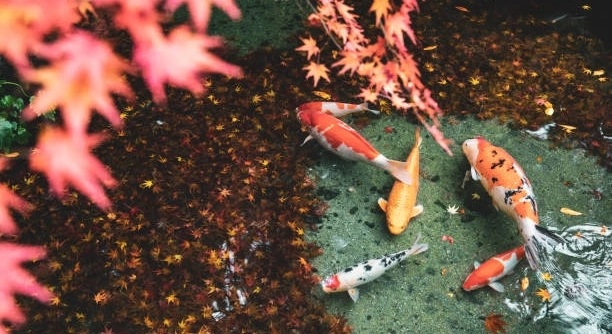
Is your koi pond looking cloudy or producing a strange smell that wasn’t there before? You might be noticing early signs of contamination. Learning to spot these symptoms can help protect your fish and keep your pond healthy.
The most common symptoms of koi pond contamination include cloudy water, foul odors, fish gasping at the surface, unusual algae growth, and erratic swimming. These signs typically indicate poor water quality or the presence of harmful substances.
Recognizing these symptoms early can prevent serious health issues for your koi and reduce the need for intensive water treatments later on.
Cloudy Water and Foul Odors
Cloudy water is often one of the first signs something is wrong in your koi pond. This usually happens when there’s a buildup of waste, uneaten food, or algae. It can also be caused by a bacterial bloom, which lowers visibility and signals poor water quality. If the pond smells like rotten eggs or has a strong ammonia scent, that’s another red flag. Foul odors often mean your pond lacks enough oxygen or has too much decaying organic matter. These conditions make the environment stressful for koi and can lead to illness or death if not corrected promptly.
Start by checking your pond’s filtration system and clean out any visible debris.
A biological filter should be maintained regularly to ensure healthy bacteria can keep water parameters stable. Avoid overfeeding your koi, and test the water for ammonia, nitrites, and nitrates. Regular maintenance will help clear up the water and remove unwanted smells.
Unusual Fish Behavior
Watch for koi swimming erratically, flashing against surfaces, or gasping at the surface. These behaviors can signal contamination.
Erratic behavior in koi is usually related to poor water conditions, parasites, or oxygen depletion. If fish are gasping, the oxygen levels in the water may be too low. This happens more often in warm weather when water holds less oxygen. Flashing, or rubbing their bodies against objects, may mean the fish are irritated by toxins or parasites in the water. You should immediately test the water parameters and check for ammonia, nitrite, pH, and temperature. If everything checks out and behavior continues, consider consulting a vet for parasite testing. A strong water pump or aerator can help restore oxygen levels. Make sure your pond has areas of shade to prevent overheating. These changes support recovery and reduce stress on your fish, helping them return to normal behavior faster.
Excessive Algae Growth
Excessive algae growth usually means there are too many nutrients in the water, especially from fish waste or uneaten food. While some algae are normal, large blooms can block sunlight, reduce oxygen, and harm your koi.
Overfeeding and lack of regular cleaning are common reasons algae spread quickly. When algae take over, they use up oxygen during the night, which puts stress on your fish. Try to reduce feeding, add aquatic plants to compete for nutrients, and clean the pond more often. UV clarifiers can also help control algae without using harsh chemicals. Shade from plants or pond covers can reduce sunlight, which slows algae growth. Test water frequently for nitrates and phosphates, and avoid using fertilizers near the pond. Keeping a balanced ecosystem will naturally keep algae under control and protect your koi.
Algae problems often return if the root cause isn’t handled. Regular water changes and proper filtration are essential. Skimming out debris and vacuuming the pond bottom helps remove excess nutrients before they fuel algae blooms. If you’ve been using chemical treatments, stop temporarily to see if your filtration can manage the issue naturally. If algae persist despite efforts, consider adding barley straw or safe algaecides made for koi ponds. Keeping your pond shaded and clean reduces stress for your fish and prevents recurring algae issues.
Surface Foam and Muck Build-Up
Surface foam usually forms when there’s too much organic material breaking down in the water. It might also indicate protein buildup from overfeeding or lack of water movement. This foam can stress koi and should be addressed quickly.
Thick foam or a slick surface often signals that your pond’s balance is off. This can be from uneaten food, fish waste, decaying leaves, or dying algae. Muck build-up at the bottom of the pond stores these materials, releasing harmful gases and lowering water quality. Installing a proper aeration system can help disperse the foam and boost oxygen. Cleaning out muck and performing partial water changes can restore clarity. You might also consider adding beneficial bacteria products to speed up the breakdown of organic waste. Avoid disturbing the pond too much at once, as this can release trapped toxins. Once the foam clears, ongoing maintenance will help keep your water in good shape.
Sluggish or Isolated Fish
Koi that become sluggish or stay away from others are often reacting to stress from poor water quality. Contaminated ponds may cause fish to conserve energy or avoid movement to reduce exposure to harmful substances.
Isolation can also signal illness. A contaminated environment weakens their immune system, making infections more likely.
White Patches or Red Streaks
White patches on koi may be fungal infections, while red streaks often point to bacterial issues or ammonia burns. These symptoms usually appear when water conditions have worsened over time. Poor filtration, high ammonia, and dirty surroundings allow bacteria and fungi to thrive. If left untreated, infections can spread quickly and be fatal. Water testing is essential to confirm whether ammonia, nitrites, or pH imbalances are present. Begin partial water changes and reduce feeding to lower waste levels. Use pond-safe treatments if infections persist. Keeping the pond clean and well-aerated helps your koi recover and lowers the risk of future outbreaks.
Sudden Fish Deaths
Losing fish without warning is one of the most serious signs of pond contamination. Toxic spikes in ammonia or oxygen crashes are common causes and need immediate action to prevent further loss.
FAQ
What should I do first if I suspect my koi pond is contaminated?
Start by testing your water for ammonia, nitrites, nitrates, and pH levels. Use a reliable test kit to get accurate results. Then, do a partial water change—about 25–30%—to help dilute any harmful substances. Remove uneaten food, dead plants, or leaves from the pond. Clean the filters gently, making sure not to remove all beneficial bacteria. Avoid feeding your koi for a day or two while the water stabilizes. This gives your pond time to settle and reduces the risk of adding more waste to already unbalanced water.
How often should I test my koi pond water?
Test your pond water at least once a week, especially during warmer months when koi are more active and waste builds up faster. You can test less frequently in winter, but still check monthly. Regular testing helps catch problems early, such as rising ammonia or drops in pH. Keep a simple log to track changes over time, so you can see patterns or spot new issues before they become serious. Testing is the most reliable way to prevent contamination and keep your koi healthy throughout the year.
Can overfeeding really cause water contamination?
Yes, overfeeding is one of the most common reasons for poor water quality in koi ponds. Koi only eat what they need, and leftover food breaks down, releasing ammonia and other toxins into the water. This leads to algae growth, cloudy water, and low oxygen levels. Feed small amounts once or twice a day and remove uneaten food after five minutes. It’s better to underfeed than overfeed. You can always offer more if they eat everything quickly. Feeding responsibly helps keep your water clear and your koi healthier.
Why is oxygen important in a koi pond?
Oxygen supports koi health, beneficial bacteria, and overall water quality. Koi use oxygen to breathe, and so do the helpful bacteria that break down waste. Low oxygen levels can cause fish to gasp at the surface or become sluggish. Warm weather, overcrowding, and excess organic waste all lower oxygen. A pond without proper aeration becomes unbalanced quickly. Add air stones, fountains, or a waterfall to boost oxygen circulation. Even at night, when plants stop producing oxygen, these systems keep levels stable and help your fish stay active and strong.
What are some natural ways to improve pond water quality?
Adding aquatic plants like water lilies or hornwort can help absorb excess nutrients, preventing algae from spreading. Barley straw releases natural compounds that slow algae growth without chemicals. Beneficial bacteria products help break down waste and keep the pond clear. Make sure your pond isn’t overstocked, and avoid placing it under direct sun all day—use plants or a cover to create shade. Skimming debris regularly and vacuuming the bottom every few weeks also makes a big difference. A healthy, balanced pond doesn’t need heavy chemical treatment to stay clean.
How do I know if my pond has enough filtration?
Check your filter’s flow rate and size compared to the pond’s volume. A filter should be able to process the entire pond at least once every hour or two. If your water is cloudy, smells bad, or your fish show stress despite good water parameters, the filtration may be too weak. Clean the filter media as needed, but avoid over-cleaning, which can remove helpful bacteria. If your pond has grown or you’ve added more fish, you might need to upgrade to a larger or secondary filter to handle the increased load.
Are sudden weather changes harmful to koi?
Yes, sudden temperature drops or heavy rain can quickly alter pond conditions. Cold snaps reduce oxygen, and sudden rain can lower pH or wash contaminants into the pond. Always keep an eye on the forecast and prepare if possible. Adding extra aeration or a heater during rapid cold weather changes can help. After heavy rain, test your water and consider a small water change to keep levels steady. Keeping your pond slightly covered or adding natural barriers around it also helps reduce the impact of sudden environmental changes.
Final Thoughts
Keeping a koi pond clean and balanced takes regular attention. Contamination can happen for many reasons, including poor filtration, overfeeding, or sudden weather changes. Learning to spot symptoms early makes it easier to protect your koi and prevent bigger problems. Cloudy water, bad smells, and unusual fish behavior are all signs something may be wrong. Acting quickly when you notice these symptoms can make a big difference in the health of your pond.
One of the most important things you can do is stay consistent with your care routine. Check the water regularly, clean the filters when needed, and keep an eye on how your koi are acting. Feeding your fish the right amount, adding helpful plants, and testing the water weekly will all support a healthier environment. These simple habits help prevent waste buildup and reduce the chances of contamination. A balanced pond is more likely to stay clear and support your koi all year long.
A clean pond doesn’t just help the fish—it also makes the whole space more enjoyable. Watching your koi swim in clear water is relaxing and rewarding. Taking care of your pond may feel like a lot at first, but small actions done often are better than big cleanups done rarely. Staying patient, observant, and prepared will help you avoid major issues and keep your koi pond healthy for years to come.

Hello,
If you enjoy the content that we create, please consider saying a "Thank You!" by leaving a tip.
Every little bit helps us continue crafting quality advice that supports the health, happiness, and well-being of pets around the world, for pets of all shapes, sizes, and species.
We really appreciate the kindness and support that you show us!