
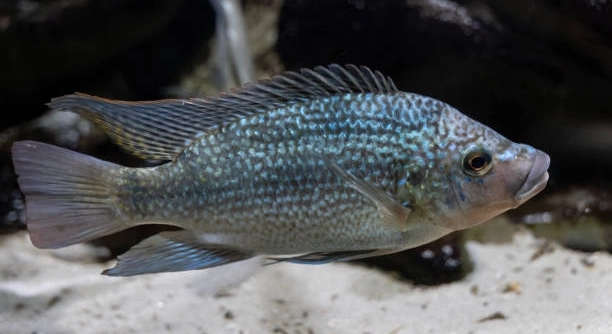
Cichlids are sensitive fish that can react strongly to changes in their environment. Even small adjustments in water temperature, chemistry, or tank setup may cause stress. Observing their behavior early can help prevent serious health problems.
Cichlid tank shock occurs when sudden changes in water conditions or environment overwhelm the fish’s ability to adapt. Symptoms often include erratic swimming, loss of appetite, and lethargy, which indicate a physiological stress response that requires immediate attention.
Recognizing these warning signs early can make a big difference. Each symptom reveals important information about your fish’s health and comfort in their tank.
Rapid Swimming and Darting
When cichlids are shocked by sudden changes in their tank, they often swim erratically. They may dash across the tank, bump into decorations, or suddenly change direction without warning. This behavior is a clear signal of stress and confusion. Observing your fish carefully helps identify when the water conditions are causing discomfort. Rapid swimming can also be accompanied by heavy gill movement, which indicates they are struggling to process oxygen. This can occur after adding new water, changing the temperature too quickly, or introducing chemicals. Even minor adjustments like rearranging decorations can trigger this response. It’s important to monitor water parameters, including pH, ammonia, nitrites, and nitrates, to ensure they remain within safe ranges. Providing hiding spots and reducing disturbances can calm stressed cichlids. Addressing these issues early can prevent long-term health problems, including weakened immunity, susceptibility to disease, and even sudden death. Stress behaviors are often reversible with proper care and patience.
Erratic swimming often signals acute stress. Immediate observation and water checks are essential to prevent worsening conditions.
Reducing tank disturbances and ensuring stable water parameters are key. Keep a consistent feeding schedule and avoid sudden temperature or chemical changes. Adding plants or caves provides shelter, allowing fish to feel secure. Over time, consistent care helps them regain normal swimming patterns and reduces anxiety. Observation is crucial, as even subtle changes in behavior can indicate ongoing stress. Correcting environmental factors promptly often leads to noticeable improvement within days.
Loss of Appetite
Stress from tank shock commonly causes cichlids to stop eating. Loss of appetite can appear gradually or suddenly, depending on the severity of the shock.
When cichlids refuse food, it affects their overall health. Extended periods without eating weaken their immune system, making them prone to infections.
Monitoring feeding behavior helps identify stress early. Offering small, easily digestible meals and maintaining consistent feeding times can encourage eating. Avoid overfeeding, as uneaten food can worsen water quality. Sometimes, adjusting temperature slightly or reducing light intensity can help fish feel more comfortable. Patience is key, as appetite may return gradually. Observing their response and adjusting care accordingly supports recovery. Nutrition is vital for healing, so prompt action ensures your cichlids regain strength and resilience in their environment.
Lethargy and Hiding
Cichlids often become inactive when stressed. They may stay in one spot or hide behind rocks and decorations for long periods, showing clear signs of discomfort.
Prolonged inactivity signals that the fish is under stress. Hiding reduces exposure to perceived threats, conserving energy while their body struggles to adapt to sudden changes in water conditions. This can be triggered by shifts in temperature, pH, or the presence of new tankmates. Over time, persistent lethargy can lead to weakened immunity and increased vulnerability to disease. Ensuring stable water parameters and minimizing disturbances helps them recover. Providing shaded areas or caves can make fish feel safe, encouraging gradual activity.
Observing your cichlids’ movements is essential. Sudden inactivity or unusual hiding patterns often accompany other stress symptoms. Gradually improving tank conditions and reducing sudden changes allows fish to regain normal behavior. Consistent care, calm handling, and proper nutrition help restore energy levels and overall health.
Clamped Fins
Clamped fins occur when a cichlid holds its fins close to the body, often due to stress or illness. This behavior is a visible sign of discomfort.
Clamped fins indicate that a fish is experiencing environmental stress or potential health issues. Poor water quality, sudden temperature changes, or aggressive tankmates can cause this reaction. The fins are an important indicator of overall well-being, as healthy cichlids normally spread their fins while swimming. Continuous clamping can reduce swimming efficiency, restrict movement, and signal deeper physiological problems. Addressing water parameters, reducing stressors, and observing interactions with other fish can help resolve the issue.
To correct clamped fins, start by testing and stabilizing water conditions. Adjust temperature slowly if needed and maintain optimal pH levels. Providing hiding spaces and reducing aggressive encounters can help the fish feel secure. Observing for accompanying symptoms, such as lethargy or loss of appetite, ensures early detection of underlying issues. Over time, with consistent care and a stable environment, fins usually return to normal, signaling improved health and reduced stress in the tank.
Gasping at the Surface
Cichlids may gasp at the water surface when oxygen levels are low or stress is high. This behavior indicates difficulty breathing and requires immediate attention to tank conditions.
Surface gasping can result from poor water circulation, high ammonia, or rapid temperature changes. Ensuring proper aeration and regular water testing helps prevent this dangerous symptom.
Color Fading
Stress often causes cichlids’ vibrant colors to fade. Dull or washed-out appearance signals that the fish is struggling to adapt to its environment.
Maintaining stable water parameters, minimizing sudden disturbances, and providing a calm tank environment can help restore their natural coloration over time. Observation and consistent care are key.
Rapid Gill Movement
Rapid gill movement is a clear sign that a cichlid is under stress. It indicates that the fish is working harder to absorb oxygen from the water.
Monitoring water quality, including ammonia and nitrate levels, and maintaining consistent temperature can reduce gill strain and support recovery.
FAQ
What causes cichlid tank shock?
Cichlid tank shock is caused by sudden changes in their environment. This includes rapid shifts in water temperature, pH, or hardness. Adding new water without proper acclimation, introducing aggressive tankmates, or changing tank decorations too quickly can all trigger stress. Even small changes may affect sensitive cichlids.
How can I tell if my cichlid is stressed?
Signs of stress include rapid swimming, hiding, loss of appetite, clamped fins, color fading, and gasping at the surface. Observing these behaviors early helps prevent serious health issues. Monitoring water parameters regularly ensures the environment remains stable and safe.
Can water temperature changes really harm cichlids?
Yes. Sudden changes in temperature can shock their system. Even a few degrees outside their preferred range can trigger stress, affecting appetite, activity, and immunity. Gradual acclimation when adjusting temperature is crucial to avoid long-term health problems.
Is poor water quality a common cause of stress?
Absolutely. High ammonia, nitrite, or nitrate levels can overwhelm cichlids’ natural defenses. Dirty or overstocked tanks make it harder for fish to breathe and digest food. Regular water changes, filtration maintenance, and testing prevent stress-related illnesses.
How long does it take for a cichlid to recover from shock?
Recovery depends on the severity of the stress and how quickly conditions are corrected. Mild stress may resolve in a few days, while prolonged exposure to poor water quality or aggressive tankmates can take weeks. Consistent care speeds up recovery.
Should I isolate a stressed cichlid?
Isolation can help if other fish are causing aggression. A separate tank reduces stress and allows closer monitoring. Ensure the quarantine tank has stable water parameters, hiding spots, and gentle aeration to promote recovery.
What foods help stressed cichlids regain strength?
Offer easily digestible, high-quality foods like pellets, flakes, or frozen options. Avoid overfeeding, as uneaten food worsens water quality. Small, frequent meals encourage eating without adding stress. Some vitamins or supplements may support recovery, but a stable environment is more important than extra nutrients.
Can stress cause long-term health problems?
Yes. Prolonged stress weakens the immune system, making fish vulnerable to infections, fin rot, and internal parasites. Chronic stress can also stunt growth and reduce lifespan. Early intervention and stable conditions prevent these long-term effects.
How can I prevent tank shock in the future?
Maintain stable water parameters, introduce changes gradually, and avoid overstocking. Acclimate new fish slowly, provide hiding places, and monitor behavior closely. Consistency in temperature, feeding, and tank maintenance reduces the likelihood of shock.
Are certain cichlid species more sensitive than others?
Some species, like African cichlids, are more tolerant of varying conditions, while others, like certain South American cichlids, are very sensitive to environmental changes. Understanding your species’ needs ensures proper care and reduces stress.
Can sudden lighting changes affect cichlids?
Yes. Abrupt changes in lighting can startle fish, triggering hiding, rapid swimming, or color fading. Gradual adjustments and consistent light schedules help maintain a calm tank environment.
What immediate steps should I take if I notice shock symptoms?
First, test water parameters and correct any imbalances. Reduce disturbances, offer hiding spots, and check temperature stability. Remove aggressive tankmates if necessary. Small, frequent feedings and careful observation support recovery. Prompt action improves the chance of full health restoration.
Is it normal for stressed cichlids to behave differently at night?
Yes. Stress can alter normal sleep and activity patterns. They may hide more or swim unusually. Ensuring a consistent day-night cycle and calm environment helps them return to regular behavior.
How often should I monitor my tank to prevent shock?
Daily observation of fish behavior is recommended. Weekly water testing for pH, ammonia, nitrites, and nitrates ensures conditions remain safe. Early detection of stress signs allows for faster intervention, preventing serious health problems.
Can tank decorations contribute to stress?
Yes. Rearranging decorations abruptly can confuse fish. Sharp or overcrowded decorations can also limit swimming space and create aggressive encounters. Providing stable structures and enough room reduces stress and supports natural behavior.
Is it okay to add new fish to a tank with stressed cichlids?
No. Introducing new fish can increase stress levels. Wait until existing cichlids have recovered and water parameters are stable. Gradual introduction and quarantine practices reduce the risk of shock and disease transmission.
Can I use medications to treat stress?
Medications are generally unnecessary for stress itself. They may help if secondary infections occur due to weakened immunity. The primary focus should be on stabilizing water quality, reducing environmental stressors, and proper care to allow natural recovery.
What role does tank size play in preventing shock?
Adequate tank size reduces stress by giving cichlids enough space to swim, hide, and establish territories. Overcrowding increases aggression, competition, and the risk of poor water quality, all of which contribute to shock. Choosing the right tank size for your species is essential.
Can stress affect breeding behavior?
Yes. Stressed cichlids may refuse to spawn, abandon eggs, or neglect fry. Stable conditions, calm tankmates, and proper nutrition are required to encourage normal breeding behavior. Recovery from stress is often necessary before breeding can resume successfully.
Is quarantine important for new additions?
Quarantine prevents introducing diseases and sudden environmental changes that can stress existing fish. A separate tank allows observation for illness and gradual acclimation, reducing the risk of shock in both new and resident cichlids.
How can I tell if my interventions are working?
Improved behavior, return of appetite, normal swimming, and restored coloration indicate recovery. Monitor consistently and continue stable care practices until the fish shows sustained signs of health and comfort in its environment.
What common mistakes worsen stress?
Overfeeding, abrupt water changes, adding aggressive fish, or inconsistent maintenance can all worsen stress. Avoid sudden disruptions, and focus on gradual adjustments and consistent care to support recovery.
Can stress be completely prevented?
While it’s impossible to eliminate all stress, careful tank management, stable water parameters, proper acclimation, and attention to behavior greatly reduce its occurrence. Prevention is mostly about consistency and minimizing sudden environmental changes.
How does diet influence recovery?
A balanced, digestible diet supports energy and immunity. Poor nutrition slows recovery and can exacerbate stress-related symptoms. Focus on small, frequent feedings of high-quality food, avoiding excess that could harm water quality.
Can stress affect social behavior?
Yes. Aggressive or withdrawn behavior may appear during stress. Clumped groups or isolated hiding indicate discomfort. Maintaining proper tank conditions and observing interactions ensures balanced social behavior.
Are there natural remedies for stress?
Providing hiding spaces, maintaining stable water parameters, and reducing disturbances are the most effective “natural remedies.” Some aquarists use certain plants or gentle aeration to create calm environments, but consistency and proper care remain the main recovery tools.
How long should I wait after fixing tank conditions to see improvement?
Some fish respond within hours, but full recovery may take several days to weeks. Patience is essential, as cichlids need time to regain appetite, normal swimming, and coloration after shock.
Can frequent water testing itself stress fish?
Proper testing doesn’t stress fish if done carefully. Avoid splashing or removing fish during testing. Routine checks are vital to prevent long-term stress from unnoticed environmental changes.
Is stress contagious between fish?
Stress isn’t contagious like disease, but stressed fish may trigger aggressive behavior or competition, which can cause stress in others. Maintaining calm and balanced tank conditions protects all inhabitants.
How important is lighting for stressed fish?
Stable, moderate lighting helps reduce stress. Abrupt changes or intense light may startle fish, causing hiding or rapid swimming. A consistent day-night cycle supports recovery and normal behavior.
Can substrate type influence stress?
Yes. Rough or sharp substrate may harm sensitive cichlids. Soft sand or smooth gravel encourages natural behaviors like digging without injury, reducing stress.
How do I know when my cichlid is fully recovered?
Full recovery is indicated by normal appetite, vibrant color, regular swimming, and active interaction with tankmates. Continuous observation confirms sustained health, signaling that tank conditions and care are effectively supporting well-being.
Can multiple stress symptoms occur simultaneously?
Yes. Fish may hide, lose appetite, gasp at the surface, and display clamped fins all at once. Addressing the underlying environmental factors resolves multiple symptoms together, improving overall health.
Is regular tank maintenance enough to prevent shock?
Maintenance is critical but not sufficient alone. Proper feeding, careful introduction of new fish, and attention to behavior are equally important to prevent stress and maintain a healthy environment.
How do I balance aggression in a cichlid tank?
Provide hiding spots, maintain adequate space, and monitor tankmate compatibility. Reducing aggressive interactions lowers stress and helps all fish feel secure, preventing shock and injury.
Can stress affect the lifespan of cichlids?
Yes. Chronic stress weakens immunity and increases susceptibility to disease, shortening lifespan. Consistent care, stable conditions, and early intervention help ensure a longer, healthier life.
How do I acclimate new fish to prevent shock?
Float the bag in the tank to equalize temperature, slowly mix tank water over 30-60 minutes, and release fish gently. Gradual acclimation reduces environmental shock and supports smooth adjustment.
Is observation more important than testing?
Both are essential. Observation detects behavioral changes, while testing confirms water quality. Together, they provide a complete understanding of your fish’s environment and help prevent shock.
What role does tank enrichment play in stress reduction?
Providing hiding spots, rocks, plants, and territories allows fish to express natural behavior. Enrichment reduces fear, supports exploration, and decreases stress-related behaviors like hiding or rapid swimming.
Are there warning signs I shouldn’t ignore?
Yes. Sudden lethargy, loss of appetite, gasping, clamped fins, and color fading are serious warning signs. Ignoring these can lead to disease or death. Prompt action improves survival and recovery chances.
Can stress recur after recovery?
Yes. If environmental conditions change suddenly, stress can return. Ongoing attention to water quality, tankmates, and handling practices is necessary to prevent relapse.
How do I combine all recovery steps effectively?
Stabilize water, reduce disturbances, provide hiding spots, monitor behavior, feed balanced meals, and maintain a consistent routine. Addressing all factors together ensures faster and more complete recovery.
Is stress management different for juveniles versus adults?
Juveniles are often more sensitive to changes and may show stress signs sooner. Adults may tolerate minor changes but still require stable conditions. Adjust care practices based on age and size to prevent shock.
Can stress affect molting or growth in cichlids?
Yes. Chronic stress can slow growth, disrupt development, and interfere with natural behaviors like digging or territory building. Stable conditions and nutrition help maintain normal growth patterns.
How do I support stressed fish without overhandling?
Minimize direct interaction, provide hiding spaces, maintain stable water parameters, and offer small, frequent feedings. Avoid chasing or netting fish unnecessarily, as this can increase stress.
Are certain tank layouts better for stress prevention?
Yes. Open swimming areas with multiple hiding spots and natural barriers reduce aggression, allow territories, and create a comfortable environment that minimizes stress.
How important is consistency in feeding times?
Very important. Regular feeding times help fish feel secure and reduce stress-related behaviors. Sudden changes in diet or timing can trigger anxiety and appetite loss.
Can stress cause disease outbreaks?
Yes. Stress weakens immunity, increasing susceptibility to bacterial, fungal, and parasitic infections. Preventing stress reduces the likelihood of disease and supports overall health.
How can I track subtle signs of stress?
Keep a log of behavior, appetite, and coloration changes. Small, gradual shifts often precede severe stress. Early detection allows quicker intervention and improved recovery outcomes.
Is it safe to mix species to reduce stress?
Only if species are compatible. Aggressive or territorial combinations increase stress. Research species behavior, size, and temperament before introducing new fish to maintain a calm tank environment.
Can stress affect water quality indirectly?
Yes. Stressed fish may stop eating, leading to leftover food decay, which impacts ammonia and nitrate levels. Consistent maintenance and monitoring prevent secondary water issues.
Are live plants beneficial for stressed cichlids?
Yes. Plants provide hiding spots, reduce light intensity, and improve oxygenation. They create a calming environment and encourage natural behavior, supporting recovery from stress.
Can stress cause behavioral changes in breeding pairs?
Yes. Stress may reduce spawning activity, cause egg neglect, or increase aggression. Stable, calm conditions are necessary for healthy reproduction and fry survival.
How do I know if environmental adjustments are sufficient?
Behavioral improvement, restored appetite, normal swimming, and regained coloration indicate that adjustments are effective. Continue monitoring to ensure changes are sustained.
Is frequent observation better than occasional testing?
Observation detects early behavioral changes, while testing confirms water quality. Both are necessary. Regular attention ensures that small issues are addressed before causing stress or illness.
What’s the single most important step in preventing cichlid shock?
Maintaining stable, consistent water conditions is the most important factor. Temperature, pH, and chemical balance stability create a secure environment that minimizes stress and supports overall health.
Can I prevent all stress?
No. Some stress is unavoidable, but careful management, observation, and consistency reduce risk. Minimizing sudden changes and monitoring behavior ensures the best chance for healthy, resilient cichlids.
How does tankmate selection influence stress?
Compatible tankmates reduce aggression, territorial disputes, and fear-based behaviors. Poor combinations increase stress and can trigger shock symptoms, especially in sensitive species. Proper planning ensures a balanced community.
Can stress affect activity levels differently in males and females?
Yes. Males may show increased aggression or territory defense, while females may hide or reduce feeding. Understanding these differences helps tailor care and observation strategies for each sex.
Is professional help necessary for severe shock?
In severe cases, consulting an experienced aquarist or veterinarian is recommended. They can advise on water treatment, medications, or recovery strategies to prevent mortality.
Can stress affect color patterns temporarily or permanently?
Temporary color fading is common during stress and usually recovers with stable conditions. Long-term or repeated stress can sometimes cause persistent dulling or uneven coloration.
How often should I review tank conditions after stress?
Daily observation and weekly testing are ideal until fish fully recover. Once stable, continue regular monitoring to prevent recurrence and maintain optimal health.
What are the signs that a cichlid is thriving after shock?
Bright coloration, normal swimming patterns, active feeding, and social interaction indicate full recovery. Consistent behavior over weeks confirms a return to health.
Does tank location affect stress levels?
Yes. High-traffic areas, loud noises, or frequent vibrations can increase stress. Placing the tank in a quiet, stable environment reduces anxiety and supports recovery.
Can stress symptoms appear gradually or suddenly?
Both. Some fish show immediate signs after changes, while others develop symptoms over time. Regular observation ensures early detection regardless of onset speed.
Is there a difference between stress from environment and stress from disease?
Yes. Environmental stress shows behavioral changes like hiding or clamped fins. Disease may add physical symptoms like lesions, fungus, or swelling. Identifying the cause is critical for effective intervention.
Can stress influence water parameters indirectly?
Yes. Reduced feeding or erratic behavior can affect waste production and decomposition rates. Regular monitoring ensures that secondary effects don’t worsen the situation.
How do I maintain calm during necessary tank maintenance?
Move slowly, avoid sudden disturbances, and limit time near the tank. Gentle handling and minimal splashing help prevent added stress during cleaning or adjustments.
Are stress patterns predictable?
Partially. Many triggers, like temperature swings, overcrowding, or aggressive tankmates, consistently cause stress. Awareness and prevention reduce unpredictability, though some individual variation exists among fish.
Can stress affect long-term social hierarchy?
Yes. Stressed fish may lose dominance, become submissive, or be bullied. Maintaining balanced tank conditions helps preserve normal social dynamics.
Does tank size prevent stress entirely?
No, but adequate space allows territory formation and reduces aggression. Small tanks increase competition and environmental sensitivity, raising the risk of shock.
How do I combine monitoring and maintenance effectively?
Observe behavior daily, test water weekly, and adjust care routines as needed. Consistent attention ensures early detection and correction of stress factors.
Can stress influence metabolism?
Yes. Stressed cichlids may eat less, digest poorly, or show slowed growth. Stable conditions and proper feeding support normal metabolic function.
Is it normal for recovered fish to relapse?
Occasionally. New stressors, sudden changes, or aggressive tankmates can trigger relapse. Continued monitoring and consistent care prevent repeated shock events.
How important is patience during recovery?
Extremely. Recovery can take days to weeks. Overhandling, rushing adjustments, or impatience may worsen stress. Gentle, steady care ensures successful healing and long-term health.
Do all cichlids react the same way to stress?
No. Species, age, and individual temperament affect responses. Some show aggressive signs, others hide or lose appetite. Understanding specific needs improves care and prevention.
Can stress affect territorial behavior?
Yes. Stressed fish may abandon territories, become aggressive, or show submission. Stable conditions and proper tank layout help maintain normal territory behavior.
Are supplements necessary for recovery?
Not usually. High-quality food and stable conditions are more important. Supplements may help if deficiencies exist but are secondary to proper care.
How do I balance intervention with minimal disturbance?
Correct water issues, provide hiding spots, feed appropriately, and observe quietly. Avoid chasing, netting, or sudden changes that could increase stress.
Can stress influence reproductive cycles?
Yes. Chronic stress may delay or prevent spawning. Recovery and stable conditions are required for normal reproductive behavior.
Is temperature consistency more important than other factors?
It is one of the most critical factors. Sudden temperature swings often trigger immediate shock symptoms. Consistency helps maintain metabolism, immunity, and behavior.
How do I know if tankmates are causing stress?
Aggression, chasing, or hiding frequently may indicate stress from tankmates. Adjusting composition, providing hiding spaces, or isolating aggressive individuals reduces this risk.
Can environmental enrichment reduce relapse?
Yes. Hiding spots, plants, and territories reduce fear, provide stimulation, and lower stress recurrence. Enrichment supports long-term comfort and normal behavior.
**
Caring for cichlids requires attention to detail and consistency. These fish are sensitive to changes in their environment, and even small adjustments in water temperature, pH, or hardness can cause stress. Tank shock can affect their appetite, swimming behavior, color, and overall health. Observing your cichlids closely allows you to identify early signs of stress before problems become serious. Simple actions, like testing water regularly, providing hiding spaces, and keeping a stable routine, can prevent many issues. It’s important to remember that what might seem like minor disturbances to humans can be significant for these fish. A calm and consistent environment helps them feel secure and reduces the risk of tank shock.
When symptoms of stress appear, prompt action is essential. Rapid swimming, clamped fins, loss of appetite, color fading, and hiding are common signs that cichlids are struggling. Each behavior provides important information about the fish’s condition and the environment. Correcting water parameters, improving tank conditions, and offering proper nutrition are the most effective ways to support recovery. Sometimes, temporary isolation or providing additional shelters helps reduce stress from other fish. While medications can be useful for secondary infections, the primary focus should always be on environmental stability. Recovery takes time, and patience is crucial. Consistent care allows cichlids to regain their natural behavior, energy, and vibrant colors. Observing improvements, such as normal swimming and resumed feeding, signals that the fish is returning to health.
Preventing tank shock is easier than treating it. Maintaining stable water parameters, gradual acclimation of new fish, proper tankmate selection, and thoughtful tank layout all contribute to a stress-free environment. Feeding high-quality, digestible food in small, regular amounts supports immune function and overall health. Avoiding sudden changes, whether in lighting, decorations, or tank conditions, reduces the likelihood of shock. Monitoring behavior and water quality regularly allows you to respond quickly to early signs of stress. Over time, these practices create a secure and predictable environment where cichlids can thrive. With careful attention and consistent care, cichlids can live longer, healthier lives, and display the vibrant, active behavior that makes them such rewarding fish to keep.

Hello,
If you enjoy the content that we create, please consider saying a "Thank You!" by leaving a tip.
Every little bit helps us continue crafting quality advice that supports the health, happiness, and well-being of pets around the world, for pets of all shapes, sizes, and species.
We really appreciate the kindness and support that you show us!