
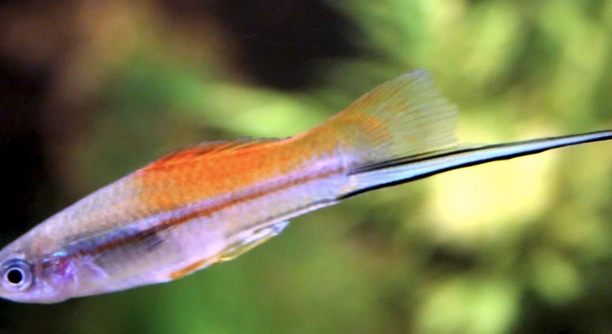
Setting up a tank for swordtail fish can feel overwhelming at first, but with the right approach, it can become an enjoyable experience. Swordtails are vibrant and active fish, making them a wonderful addition to any aquarium. Proper tank setup is essential to their well-being.
To create an ideal environment for swordtail fish, ensure a stable water temperature between 72-79°F, a pH level of 7.0-8.0, and a tank size of at least 20 gallons. Proper filtration and plants also contribute to their happiness and health.
By following these tips, you’ll create a thriving environment where your swordtails can flourish. With the right setup, they will enjoy their space and stay healthy for years to come.
Choosing the Right Tank Size
When setting up a tank for swordtails, the size of the aquarium plays a crucial role. Swordtails are active fish that need space to swim around freely. A tank that’s too small can lead to stress and health problems. A minimum of 20 gallons is recommended for a small group of swordtails. This gives them enough room to move and explore without feeling cramped. If you plan to keep other species alongside them, consider a larger tank to avoid overcrowding.
A larger tank also helps maintain water quality. When there’s more water, it’s easier to maintain stable temperature and chemical levels. This is essential for the overall health of your swordtail fish. A bigger tank also allows you to add decorations, plants, and hiding spots, which can make the environment feel more natural for them.
In addition, a spacious tank encourages better social behavior. Swordtails are active and social, so having enough room lets them interact with each other in a comfortable way. This helps reduce the likelihood of aggression or stress-related issues that could affect their health.
Proper Filtration for Swordtails
Having a good filtration system is key to maintaining water quality in a swordtail tank. Filters remove waste, excess food, and other debris that can cause harmful toxins to build up.
To keep your swordtails happy, invest in a reliable filter that provides gentle but effective filtration. The filter should be rated for the size of your tank, ensuring it can handle the volume of water. A strong filter might disturb the fish, so choose one with adjustable flow settings for optimal results. Proper filtration will help keep your tank clean, reduce the chances of illness, and promote a healthier environment for your swordtails.
Temperature and Water Conditions
Swordtail fish thrive in stable, warm water. They do best when the temperature stays between 72°F and 79°F. Rapid changes in water temperature can cause stress and may lead to illness. Using a reliable aquarium heater will help maintain the temperature in the ideal range, even if the room temperature fluctuates.
In addition to the temperature, swordtails prefer slightly alkaline water with a pH level between 7.0 and 8.0. Regularly check the water’s pH and hardness to make sure it stays within these ranges. Adding a water conditioner or adjusting the water parameters can help if needed. Maintaining these conditions will prevent stress and improve their overall health.
Also, it’s a good idea to monitor the water’s ammonia and nitrate levels. High levels of these substances can be toxic to swordtails. Regular water changes of 20-30% every couple of weeks will help maintain clean water and reduce harmful buildup. A good filtration system, paired with regular maintenance, will keep your swordtails swimming happily in their tank.
Adding Live Plants for a Natural Habitat
Swordtail fish enjoy tanks with live plants, which create a more natural environment for them. Plants provide hiding spots, reduce stress, and improve the aesthetic of the tank. Plants also help absorb excess nutrients and oxygenate the water, which benefits the health of the fish.
For swordtails, it’s essential to include plants that are easy to maintain and can handle moderate light. Examples include Java ferns, Anubias, and Amazon swords. These plants can thrive in the same water conditions as swordtails, making them perfect companions. They also offer places for the fish to hide when they need some privacy or want to escape from more dominant tank mates.
In addition to live plants, consider adding some decorations like rocks or driftwood. These items can provide more hiding spots and give the swordtails a sense of security. However, be cautious with decorations that have sharp edges, as they could potentially injure the fish. Keeping the environment rich in plants and decorations will encourage swordtails to feel more comfortable and active in their space.
Keeping Swordtails in Groups
Swordtails are social fish and should be kept in groups. A minimum of 3-5 swordtails is ideal for promoting natural behavior. Keeping them in groups reduces stress and prevents aggression. A small group allows them to interact and feel secure. Avoid keeping a single swordtail, as this can lead to loneliness.
Groups also allow swordtails to establish a hierarchy, which helps minimize conflicts. The dominant fish will lead, while others find their space. In a group, swordtails will display more natural swimming patterns and interactions. It also keeps them more active, as they enjoy swimming together and exploring their environment. Providing them with tank mates can help reduce boredom.
When adding tank mates, consider peaceful species that won’t outcompete the swordtails for food or territory. Avoid aggressive fish that may stress out your swordtails. The right mix of fish will ensure a healthy, balanced environment. This approach not only benefits the swordtails but enhances the overall tank ecosystem.
Ensuring Proper Water Flow
Swordtail fish prefer moderate water flow, as it mimics their natural habitat. Too strong of a current can cause stress and make it hard for them to swim. It’s essential to adjust the filter’s flow rate to provide a gentle current. This helps them feel at ease in the tank.
If your tank has high water flow, consider adding plants or decorations to break up the current. This can help create calm areas where the swordtails can rest. They will enjoy swimming in areas with slower-moving water, where they can seek shelter if they feel threatened. Managing the water flow allows them to move freely, reducing the risk of fatigue or discomfort.
Check the filter regularly to ensure it’s not causing an overly strong current. If necessary, switch to a less powerful filter that can still maintain water quality. Adjusting the flow makes a huge difference in keeping swordtails calm and content in their environment. This small change can lead to happier and healthier fish.
Maintaining a Consistent Lighting Schedule
Swordtails thrive in stable lighting conditions. A regular light cycle, ideally 10-12 hours a day, helps them maintain their natural behavior. Too much light can stress them, while too little can affect their health. A timer for the lights is a simple and effective way to maintain consistency.
Consistent lighting encourages healthy plant growth and gives the swordtails a clear day-night cycle. This helps them feel secure and understand when it’s time to rest. Avoid placing the tank in direct sunlight, as it can cause temperature fluctuations and encourage algae growth. Proper lighting is key to maintaining a balanced environment.
Make sure to turn the lights off at night to replicate their natural resting time. A quiet, dark environment allows the swordtails to relax and sleep, reducing stress. Proper light management ensures they stay active and healthy, preventing any discomfort that could result from irregular light exposure.
Water Changes and Tank Maintenance
Regular water changes are essential for keeping swordtails healthy. Aim to change 20-30% of the water every two weeks to prevent toxic build-ups. Removing excess waste and old water helps maintain water quality, reducing the risk of diseases and parasites.
Water changes also allow you to clean the substrate and remove any debris that can affect water parameters. Be sure to use a water conditioner to remove chlorine and chloramine if you’re using tap water. These chemicals can be harmful to swordtails, so it’s important to ensure the new water is safe.
Maintaining clean water, along with regular filter checks, will help your swordtails thrive. It’s an easy task that makes a big difference in their overall health and well-being. By staying on top of tank maintenance, you’ll ensure they live a long, happy life in their aquatic home.
Providing Proper Nutrition
Swordtails need a varied diet to stay healthy. A mix of high-quality flakes, pellets, and occasional live or frozen foods like brine shrimp or daphnia works best. Feeding them a balanced diet ensures they get the necessary nutrients to support their active lifestyle.
It’s important to feed swordtails small amounts two to three times a day. Overfeeding can lead to water pollution, while underfeeding can cause malnutrition. Make sure to remove any uneaten food after a few minutes to keep the water clean. A healthy diet is key to swordtails’ vibrant color and long-term health.
FAQ
How many swordtails should I keep together?
Swordtails are social fish and should be kept in groups of at least 3-5 individuals. Keeping them in small groups allows them to establish a natural social structure. Without enough tank mates, swordtails can become stressed and might exhibit aggression or signs of loneliness. Larger groups provide a more natural environment and help prevent individual fish from becoming too dominant or overly submissive.
What size tank do swordtails need?
A minimum of 20 gallons is recommended for swordtails. While they are not huge fish, they are active swimmers, so a larger tank gives them the space they need to move freely. If you plan to add other species, it’s important to increase the tank size to accommodate all the fish comfortably. A bigger tank helps maintain stable water conditions and reduces the risk of overcrowding, which can lead to health problems.
Can swordtails live with other fish?
Yes, swordtails are peaceful and can coexist with many other species. They are best kept with other peaceful fish, such as tetras, guppies, or platies. However, avoid housing them with overly aggressive or territorial fish, as they may cause stress. Keep in mind that swordtails are active and will need space to swim. It’s important to consider the temperament and space requirements of other fish before adding them to the tank.
Do swordtails need a heater?
Yes, swordtails require a stable, warm water temperature to stay healthy. The water should be kept between 72°F and 79°F. Using an aquarium heater is necessary to maintain the proper temperature, especially if your room temperature fluctuates. Sudden changes in temperature can cause stress and make swordtails more susceptible to diseases. Always check the water temperature regularly to ensure it’s within the ideal range.
What type of plants do swordtails prefer?
Swordtails enjoy planted tanks because plants provide hiding spots and help reduce stress. They thrive in tanks with easy-to-care-for plants like Java ferns, Anubias, or Amazon swords. These plants grow well in the same conditions swordtails prefer, such as slightly alkaline water and moderate lighting. Adding plants not only creates a more natural habitat but also helps oxygenate the water and absorb excess nutrients.
How often should I feed my swordtails?
Swordtails should be fed small amounts 2-3 times a day. Offering a variety of foods, including high-quality flakes, pellets, and live or frozen foods like brine shrimp, will help them stay healthy. Overfeeding can lead to water pollution, so only provide enough food that they can consume in a few minutes. Make sure to remove any uneaten food to prevent it from decomposing and affecting the water quality.
Can swordtails live in hard water?
Yes, swordtails are well-suited for hard water, which typically has higher levels of calcium and magnesium. This water condition is closer to their natural environment. Swordtails do well in a pH range of 7.0-8.0, which is common in harder water. If you’re unsure about your water’s hardness, you can easily test it and adjust if necessary. Keeping the water parameters stable is key to their health and comfort.
Why are my swordtails not breeding?
If your swordtails are not breeding, there may be a few factors to consider. First, ensure you have both males and females in the tank. A common ratio is one male to two or three females, as males tend to harass females if there’s only one female in the group. Additionally, swordtails breed best in stable water conditions with a temperature between 75°F and 79°F. If the water is too cold or fluctuating, they may not breed. Providing a well-planted tank also helps create a comfortable space for them to spawn.
Are swordtails hardy fish?
Yes, swordtails are relatively hardy fish and can tolerate a variety of water conditions. However, they still need proper care to thrive. Keeping the water temperature stable, maintaining clean water, and providing a balanced diet are essential for their health. Swordtails are more likely to survive in stable environments, but sudden changes or poor tank conditions can lead to stress and health issues. Regular water changes and monitoring water parameters will ensure they remain healthy.
Do swordtails require any special care?
Swordtails don’t need a lot of special care, but like all fish, they benefit from a properly maintained tank. Regular water changes, appropriate feeding, and ensuring a stable environment will keep them happy. They also enjoy having plants or decorations to hide in, so adding these to the tank will make them feel more secure. Keeping swordtails in a well-maintained environment is key to their long-term health and happiness.
How do I know if my swordtail is sick?
Signs of a sick swordtail can include changes in behavior, such as swimming erratically or staying at the bottom of the tank. Look for physical signs like discolored patches, faded fins, or lesions. Additionally, if your swordtail is scratching itself on objects or has clamped fins, it may be a sign of illness. Infected fish may also stop eating. If you notice any of these symptoms, it’s important to isolate the sick fish and monitor water conditions. If needed, treat the illness with medication or adjust tank parameters.
Final Thoughts
Setting up a tank for swordtails doesn’t have to be complicated, but it does require attention to detail. With the right size tank, proper filtration, and the right water conditions, swordtails can thrive in your aquarium. These fish are fairly hardy and adaptable, making them a great choice for both beginners and more experienced aquarium hobbyists. However, their health and happiness depend on consistent care, from water quality to feeding habits. Keeping their environment stable is essential to avoid stress and ensure they live long, healthy lives.
In addition to the basics, it’s important to consider the social needs of swordtails. They are active fish that do best in groups. Keeping at least three swordtails together allows them to interact naturally and feel comfortable in their environment. Adding a few other peaceful tank mates can help create a balanced community, but it’s important to avoid overcrowding. Remember that swordtails are active swimmers, so they need ample space to roam freely. Providing a spacious tank, along with plants and decorations, can help mimic their natural habitat and reduce stress.
Lastly, regular maintenance is key. Consistent water changes, monitoring water parameters, and feeding a balanced diet will help keep swordtails healthy. Don’t forget to adjust the lighting and water flow to suit their needs. While swordtails are relatively low-maintenance, paying attention to their needs and adjusting as necessary will help them thrive. By following these simple tips, you can enjoy watching your swordtails swim happily in a healthy, well-maintained aquarium.

Hello,
If you enjoy the content that we create, please consider saying a "Thank You!" by leaving a tip.
Every little bit helps us continue crafting quality advice that supports the health, happiness, and well-being of pets around the world, for pets of all shapes, sizes, and species.
We really appreciate the kindness and support that you show us!