
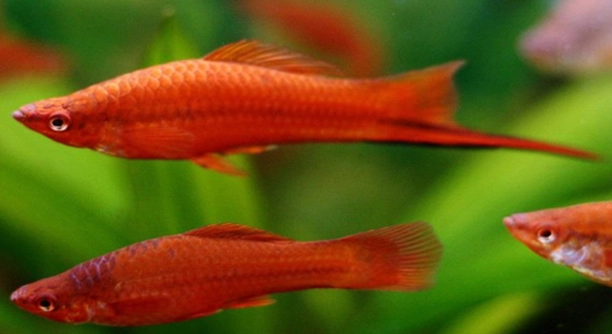
Swordtail fish are lively, colorful additions to any aquarium. With the right care, they can thrive and bring vibrant life to your tank. There are a few helpful tricks that can make their environment more enjoyable and healthier.
To maintain a healthy swordtail tank, you need to focus on water quality, tank mates, and proper feeding. Keeping the water clean, choosing the right plants, and avoiding overcrowding are key to a successful tank environment.
These simple hacks can make a big difference for both your swordtails and the overall health of your aquarium. Knowing what steps to take will help you enjoy a flourishing tank with happy fish.
Keep the Water Clean and Stable
Maintaining good water quality is essential for swordtail fish. They thrive in clean, stable water that is properly filtered. You should aim for water temperatures between 72°F and 78°F (22°C to 25°C), with a pH level of 7.0 to 8.4. Regular water changes are crucial. About 25% of the tank water should be replaced every two weeks. Also, invest in a good filter to ensure that debris and excess food don’t contaminate the water. When the water gets too dirty or fluctuates too much, it can stress the swordtails and lead to health issues.
Regular water testing with a quality kit helps you monitor important parameters, ensuring the water stays at optimal levels. Consistency in water care is the key to a healthy tank.
Keeping the water clean doesn’t just improve the look of your tank but also directly benefits the swordtails. With stable, clean water, your fish will feel safe and comfortable. This helps them grow, breed, and live longer.
Choose the Right Tank Mates
Swordtails are peaceful, but they do best with other peaceful species.
Avoid placing aggressive fish or species that might nip at their fins. It’s better to keep them with fish like mollies, guppies, or small tetras. When selecting tank mates, keep in mind the size and temperament of each fish. Swordtails do well in groups and need enough space to avoid stress and territorial disputes. If you overcrowd the tank, this can lead to aggression and sickness.
Providing a balance of fish with similar needs ensures everyone in the tank coexists peacefully. With compatible tank mates, your swordtails will be more relaxed, and your tank will have a more vibrant, harmonious atmosphere. Keeping a diverse but peaceful community will make your aquarium even more enjoyable to watch.
Provide Plenty of Plants and Hiding Spots
Swordtails enjoy swimming through plants and exploring different spaces. Adding live plants to your tank not only creates a natural environment but also provides them with places to hide and feel secure. Plants like java moss or anubias work well, as they’re easy to care for and provide ample cover.
Hiding spots are important for swordtails, especially when they feel stressed or need some alone time. Rocks, driftwood, and caves can offer great hiding places. These give the fish peace and reduce territorial behavior. Make sure the plants are anchored properly to prevent them from floating around the tank.
Adding these elements will make your swordtail tank feel more dynamic. It also benefits the overall health of your fish by reducing stress and allowing them to establish their own territory. The right balance of plants and hiding spaces encourages natural behaviors and helps them thrive.
Monitor and Adjust Feeding Practices
Swordtails are omnivores and need a balanced diet. They thrive on a mix of high-quality flakes, frozen or live foods like brine shrimp, and algae-based foods. Overfeeding can lead to excess waste, which can harm water quality.
It’s important to feed them only what they can consume in 2-3 minutes, once or twice a day. This prevents leftover food from decomposing in the tank and spoiling the water. Swordtails will often eat any food you give them, so it’s easy to accidentally overfeed them.
Keeping a regular feeding schedule ensures your swordtails get the right nutrients while keeping the tank clean. Monitoring their food intake closely can prevent problems like bloating or water contamination. Over time, this will lead to healthier fish and a more stable tank environment.
Control the Lighting in Your Tank
Swordtails appreciate moderate lighting. Too much light can lead to algae growth, while too little can prevent plants from thriving. Aim for 10-12 hours of light a day, using a timer to maintain consistency. This will create a more stable environment.
Dim lighting can make the tank look more natural, reducing stress on the fish. Also, adjust the intensity depending on your plants’ needs. If you have low-light plants, like java ferns, they’ll do fine with less intensity. Keeping the lighting balanced will improve water quality and plant health.
Keep the Tank at the Right Size
Swordtails need ample space to swim freely. A tank that is at least 20 gallons is ideal for a small group of swordtails. Too small a tank can cause overcrowding and stress.
Swordtails are active swimmers, so providing enough space ensures they can move comfortably without bumping into each other. If the tank is overcrowded, water quality may drop faster, causing health problems. Ensuring enough space is crucial for maintaining a healthy environment for your fish.
FAQ
What is the best temperature for swordtail fish?
Swordtail fish prefer water temperatures between 72°F and 78°F (22°C to 25°C). Maintaining a stable temperature within this range is key to their health. Too cold or too warm water can stress them out and lead to illness. Using a reliable aquarium heater is a great way to keep the water at a consistent temperature, especially in fluctuating climates. Always use a thermometer to monitor the water temperature regularly to ensure it remains within the optimal range.
How often should I change the water in a swordtail tank?
Water changes are essential for keeping the tank clean and healthy. Ideally, you should change 25-30% of the water every 2 weeks. If you have a heavily stocked tank or poor filtration, you might need to change the water more frequently. Regular water changes help remove toxins, waste, and excess nutrients that can lead to algae growth. It’s also a good idea to test the water quality before and after water changes to ensure parameters like pH, ammonia, and nitrate levels are within safe ranges.
Can swordtails live with other fish?
Yes, swordtails are peaceful and can live with other fish, as long as the tank mates are compatible. Swordtails do best with other non-aggressive species like mollies, tetras, or guppies. However, it’s important to avoid keeping them with fin-nipping species or overly aggressive fish, as this could cause stress or harm. Additionally, be mindful of the size of the fish. Swordtails can grow up to 4 inches, so tank mates should be of similar size to avoid bullying.
How many swordtails should I keep together?
Swordtails are social fish and do best when kept in small groups. A group of at least 3-5 swordtails will help them feel more comfortable. When keeping multiple swordtails, it’s also good to have a mix of males and females. Having a higher number of females than males can help reduce aggression among males, as they can become territorial and compete for the attention of females. Keep in mind that swordtails are livebearers, so you may see baby swordtails if you have males and females in the tank.
What should I feed swordtail fish?
Swordtails are omnivores, meaning they eat both plant and animal matter. You should feed them a balanced diet that includes high-quality flake or pellet food, along with occasional treats like brine shrimp, daphnia, or bloodworms. They will also enjoy algae wafers and plant matter such as spinach or zucchini. Feed them small portions 1-2 times a day, ensuring they eat the food within 2-3 minutes to avoid overfeeding, which can pollute the water.
Are swordtails easy to breed?
Swordtails are relatively easy to breed in an aquarium. They are livebearers, which means they give birth to free-swimming young instead of laying eggs. To breed swordtails, you need at least one male and one female. The female will carry the eggs inside her body for about 4-6 weeks before giving birth to the fry. It’s a good idea to have a separate breeding tank or a breeding net inside the main tank to protect the fry from being eaten by adult fish. After birth, the baby swordtails should be fed small, live foods like baby brine shrimp or specialized fry food.
How do I know if my swordtail is male or female?
The easiest way to tell the difference between male and female swordtails is by looking at their fins. Males have a longer, pointed tail fin, often referred to as a “sword,” which gives them their name. Females have a more rounded tail fin and are generally larger than males. Additionally, females may have a gravid spot near their abdomen, which is a dark area that shows the developing fry inside. Males are typically more colorful and vibrant than females.
What kind of plants should I have in a swordtail tank?
Swordtails appreciate plants in their tank as they provide hiding spots, improve water quality, and make the environment feel more natural. Live plants like java fern, anubias, and hornwort are great choices since they are low-maintenance and can grow well in the water conditions swordtails prefer. Floating plants like water lettuce or duckweed can also provide shade and reduce light levels, helping to prevent algae blooms. Be sure to choose plants that don’t require too much light or maintenance, as these will thrive in your swordtail tank.
How can I tell if my swordtail is stressed?
Stress in swordtails can show up in several ways. If you notice your swordtail darting around the tank or staying at the surface or bottom, it may be stressed. Stress can also cause the fish to lose their vibrant colors, and they may stop eating or exhibit erratic swimming patterns. Poor water quality, overcrowding, or incompatible tank mates are common stressors for swordtails. Ensuring proper water conditions, space, and a peaceful environment will help reduce stress and keep your fish healthy.
What is the lifespan of a swordtail?
Swordtails can live for 3 to 5 years with proper care. Their lifespan can be influenced by water quality, tank mates, diet, and overall tank conditions. Regular maintenance, stable water parameters, and avoiding overcrowding can help them live a long, healthy life. Regularly checking the health of your swordtails and watching for signs of illness will also ensure they live their full lifespan.
Final Thoughts
Taking care of swordtail fish doesn’t have to be complicated. With a little effort, you can create a stable, healthy environment for them to thrive in. Their basic needs include clean water, the right tank size, and suitable tank mates. By maintaining a proper temperature, feeding them a balanced diet, and giving them places to hide and swim, your swordtails will stay happy and healthy. It’s also important to keep an eye on the water quality and make necessary adjustments, such as changing the water regularly or testing the water for important parameters.
Swordtails are easygoing fish, making them great choices for beginners. They adapt well to a variety of conditions as long as their basic needs are met. Having plants and hiding spots in the tank will keep them comfortable, reducing stress and encouraging natural behaviors. You don’t need to make things too complicated to ensure they are thriving. Simple steps like controlling the lighting, feeding them the right amount, and providing enough space will create a positive environment for your fish. Over time, you’ll become more familiar with their needs, and maintaining a healthy tank will feel second nature.
Lastly, swordtails are social creatures, and they enjoy the company of their own kind and compatible tank mates. Keeping them in groups will prevent stress and help them feel secure. Whether you’re keeping them in a community tank or focusing on breeding, creating the right environment will benefit both your swordtails and the other fish in the tank. With the right care, these colorful fish will reward you with their lively presence and beautiful fins, making your aquarium a vibrant and peaceful place.

Hello,
If you enjoy the content that we create, please consider saying a "Thank You!" by leaving a tip.
Every little bit helps us continue crafting quality advice that supports the health, happiness, and well-being of pets around the world, for pets of all shapes, sizes, and species.
We really appreciate the kindness and support that you show us!