
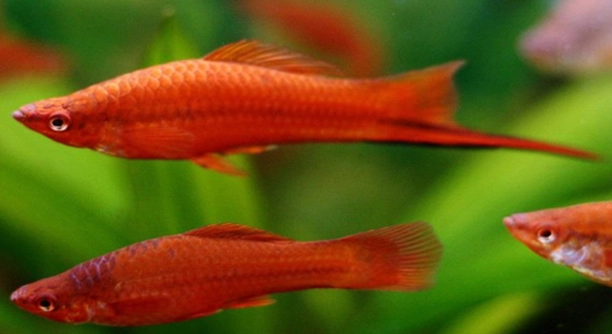
Keeping a Swordtail tank clean is essential for maintaining the health of your fish. A dirty tank can lead to poor water quality and affect the well-being of your aquatic pets. Regular care is key.
Swordtail tank cleaning requires consistent maintenance to ensure clean water and a healthy environment. Perform routine water changes, remove debris, clean the substrate, and maintain the filter. These steps prevent harmful buildup and support fish health.
By following these tips, you’ll learn effective techniques for keeping your tank pristine. Keeping your Swordtails in a clean, stable environment ensures their long-term health and happiness.
Regular Water Changes are Key
Changing the water in your Swordtail tank is essential to maintain a healthy aquatic environment. Over time, waste from your fish and uneaten food will accumulate, leading to poor water quality. Perform water changes every week or biweekly, replacing 25-30% of the water. This helps to reduce harmful toxins like ammonia and nitrates, which can negatively affect the fish. The frequency of water changes depends on the size of the tank and the number of fish. A well-maintained water quality promotes strong immune systems for your Swordtails, keeping them active and vibrant.
A clean tank is essential for keeping your Swordtails healthy. Make sure the new water is dechlorinated and at the right temperature before adding it to the tank.
Water changes also help to prevent algae overgrowth. Algae thrive in dirty water, and regularly changing the water prevents excessive algae blooms that can stress out your fish. It also makes it easier to monitor your tank’s condition and catch any potential problems early. Establishing a routine water change schedule allows you to keep your Swordtail tank in optimal condition, providing a clean and safe home for your fish.
Filter Maintenance
The filter plays a huge role in maintaining water quality. Regularly cleaning and maintaining your filter will ensure it works efficiently.
Your filter should be cleaned at least once a month, depending on its size and the tank’s condition. Simply rinse the filter media with aquarium water (not tap water, which can kill beneficial bacteria) and replace it if it becomes worn out.
Clean the Substrate Regularly
Cleaning the substrate is an essential part of maintaining a Swordtail tank. The substrate is where uneaten food, fish waste, and debris collect.
Use a gravel vacuum to clean the substrate during water changes. This helps remove waste from the bottom, which otherwise would break down and release toxins into the water. Be sure to clean the entire surface, as debris can accumulate in hidden corners. Regular substrate cleaning keeps the water clear and reduces the buildup of harmful substances that can harm your Swordtails.
Keeping the substrate clean also helps prevent the growth of harmful bacteria and mold. By vacuuming the gravel or sand, you ensure that your Swordtail tank remains clean and healthy. If you have live plants, be gentle when vacuuming to avoid disturbing the roots.
Monitor Water Parameters
Water quality is directly linked to the health of your fish. Swordtails thrive in water with stable parameters, so it’s essential to monitor key aspects such as temperature, pH, hardness, and ammonia levels.
Invest in a good water testing kit to keep track of these parameters. Swordtails prefer a pH between 7.0 and 8.0 and a temperature of around 72-82°F. Test the water weekly to catch any changes that could negatively affect your fish. If any parameters are off, take immediate action to adjust them to their ideal ranges.
Frequent testing helps prevent long-term issues. If the ammonia or nitrite levels rise, it’s a clear sign that the tank needs cleaning or a water change. Keeping track of your water parameters ensures your Swordtails remain healthy and comfortable in their environment.
Remove Uneaten Food
Uneaten food can quickly decompose in your Swordtail tank, contributing to poor water quality. Remove any leftover food after feeding.
Set a timer for feeding your fish to ensure they finish their meal within 3-5 minutes. This prevents excess food from sinking to the bottom and fouling the water. Regularly check the substrate for food remnants.
By removing uneaten food, you help maintain better water conditions. This also reduces the growth of unwanted algae and prevents attracting pests like snails.
Clean Decorations and Equipment
Fish tank decorations can collect waste and algae, so it’s important to clean them regularly.
Take out decorations and clean them with a soft brush to avoid damaging them. Use water from the tank to clean these items instead of tap water to preserve beneficial bacteria. Ensure the equipment, like heaters and thermometers, is also wiped down.
Cleaning decorations keeps the tank looking tidy and helps eliminate any areas where debris could collect. You should aim to clean them once a month or more if necessary.
Maintain Proper Filtration
A good filtration system is critical to keeping your tank healthy. A properly functioning filter helps remove waste and maintain water clarity.
Ensure your filter is appropriately sized for your tank. A filter that’s too small can’t keep up with waste, while one that’s too large may disrupt the water flow. Keep the filter clean by removing any dirt, debris, or algae buildup.
FAQ
How often should I change the water in my Swordtail tank?
Water changes should be done at least once a week, with 25-30% of the water replaced. If your tank is heavily stocked or has a lot of waste, you may need to change the water more frequently. Consistent water changes help keep ammonia, nitrates, and other toxins in check, ensuring your Swordtails stay healthy.
What is the best way to clean the substrate in my tank?
Use a gravel vacuum to clean the substrate. This tool will suck up waste and debris from the bottom without disturbing the gravel too much. During each water change, go over the entire substrate to remove any collected dirt or uneaten food. It’s important to be gentle if you have live plants to avoid disturbing their roots.
Can I use tap water for my Swordtail tank?
You can use tap water, but it’s crucial to treat it first. Tap water often contains chlorine or chloramine, which can harm your fish. Use a water conditioner to remove these chemicals before adding the water to the tank. Additionally, make sure the temperature and pH of the tap water match the tank conditions before making any changes.
How can I prevent algae from growing in my Swordtail tank?
Algae thrive in tanks with excess nutrients, poor water quality, or too much light. Regular water changes, cleaning the substrate, and reducing overfeeding will help keep nutrients under control. Also, reduce the amount of time your tank light stays on each day to prevent algae growth. You can also use live plants to help outcompete algae for nutrients.
What should I do if my Swordtail fish is sick?
If your Swordtail appears sick, it’s important to isolate it in a quarantine tank to prevent spreading any disease. Observe the fish for signs such as faded colors, abnormal swimming, or lesions. Make sure your water parameters are ideal, as poor water quality can cause health problems. Consult a vet or do some research to diagnose the issue and apply treatment as needed.
How do I know if the water in my tank is safe for my Swordtails?
Regularly test your tank’s water for ammonia, nitrites, nitrates, pH, and temperature. Swordtails prefer a pH of 7.0-8.0, a temperature of 72-82°F, and zero levels of ammonia or nitrites. If any of these parameters are off, take steps to adjust them. Keeping these levels stable will ensure the water remains safe for your Swordtails.
How do I clean the filter in my Swordtail tank?
Cleaning the filter is simple but essential for keeping the tank water clean. Turn off the filter, and rinse the filter media in tank water (never tap water, as it can kill beneficial bacteria). Clean the filter’s external parts with a sponge or cloth. Be sure to replace the filter media as needed, depending on the type of filter.
How can I prevent overfeeding in my Swordtail tank?
Overfeeding leads to uneaten food and poor water quality. Feed your Swordtails small amounts of food twice a day, and only give them as much as they can eat within 3-5 minutes. Remove any leftover food promptly to prevent it from sinking to the bottom and decomposing.
Do Swordtails need special lighting in their tank?
Swordtails don’t require special lighting, but they do benefit from a consistent light cycle. A 10-12 hour light and 12-14 hour dark cycle works well. Avoid leaving the lights on too long as it can encourage algae growth. You can also use a low-light LED aquarium light to enhance the tank’s aesthetic without causing harm.
What is the ideal tank size for Swordtails?
A tank of at least 20 gallons is recommended for a small group of Swordtails. Larger tanks provide more space for swimming and reduce stress. If you plan to keep multiple Swordtails or other fish, it’s best to go bigger. More water volume helps maintain stable water quality, reducing the chance of dangerous fluctuations.
Final Thoughts
Keeping a Swordtail tank clean requires some effort, but it’s a manageable task with regular attention. Water changes, cleaning the substrate, and maintaining the filter are all essential practices to ensure a healthy environment for your fish. Swordtails are active swimmers and thrive in clean, stable water, so consistency is key. By establishing a routine and sticking to it, you’ll be able to prevent common issues like algae overgrowth and poor water quality, which can lead to sickness or stress for your fish.
It’s also important to monitor the water parameters regularly. Swordtails are quite adaptable, but they still need specific conditions to stay healthy. Testing for ammonia, nitrites, pH, and temperature will allow you to spot any issues early and address them before they become serious problems. You don’t need to test the water daily, but doing so weekly will help you stay ahead of any changes that could affect your Swordtails’ health. Paying attention to their behavior and appearance will also give you clues about their well-being.
In the end, a clean tank with stable water quality is the best way to keep your Swordtails happy and thriving. With proper care, they can live for several years and provide you with endless enjoyment. It may seem like a lot at first, but once you get into a cleaning routine, it will become second nature. Remember, a little time spent maintaining the tank goes a long way in ensuring the health and happiness of your fish.

Hello,
If you enjoy the content that we create, please consider saying a "Thank You!" by leaving a tip.
Every little bit helps us continue crafting quality advice that supports the health, happiness, and well-being of pets around the world, for pets of all shapes, sizes, and species.
We really appreciate the kindness and support that you show us!