
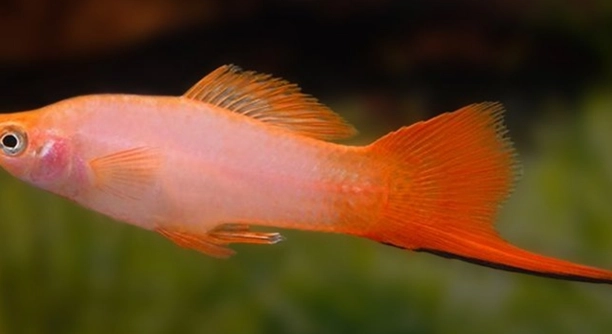
Swordtail fish are popular among aquarium enthusiasts due to their vibrant colors and active personalities. However, new owners often fall for some common myths that can lead to confusion or care issues. It’s time to separate fact from fiction.
Many new swordtail owners believe a few myths about caring for these fish. Some think swordtails are low-maintenance, while others may misinterpret their behavior or assume specific care practices are necessary. Understanding the truth will lead to better care and a healthier fish.
Understanding these myths is important for ensuring your swordtail thrives in your aquarium. Let’s uncover some of the most common misconceptions and set the record straight on how to care for them properly.
Swordtails Are Low-Maintenance Fish
Many new swordtail owners believe these fish don’t require much attention, but that’s not entirely true. While swordtails are hardy and can adapt to a variety of conditions, they still need the right care to thrive. They require a balanced diet, a proper tank size, and water conditions that match their needs. Inadequate care can lead to health problems, including stress and disease. Even though swordtails are known for being relatively easy to care for compared to other fish, that doesn’t mean they can be neglected.
The reality is that swordtails do need regular maintenance. Their tank should be kept clean, and the water should be tested regularly for temperature and pH levels. Frequent water changes are essential to prevent harmful toxins from building up in the aquarium. A lack of proper care can lead to problems that may go unnoticed at first, but can cause long-term harm to the fish.
Caring for a swordtail properly doesn’t have to be difficult, but it does require attention. It’s important to check the water quality regularly and feed them high-quality fish food. By maintaining a stable environment, you can help ensure your swordtail stays healthy and active for years to come.
Swordtails Only Need Tankmates of Their Own Kind
Some believe swordtails are best kept alone, but they actually thrive in groups. Swordtails are social fish, and keeping them with others of their kind or peaceful species is important for their well-being. A solitary swordtail can experience stress, leading to poor health.
When kept in a group, swordtails display more natural behaviors, like schooling and engaging in less aggressive interactions. However, not all tankmates are suitable for them. It’s best to avoid overly aggressive fish that could harm your swordtails. Good companions include other peaceful species that won’t compete for resources or intimidate them.
A mixed community tank with swordtails can be a vibrant and dynamic environment. With compatible tankmates, swordtails will feel more secure and confident, which results in a healthier fish. Just make sure to monitor interactions to avoid any issues. Proper tank planning ensures everyone can live harmoniously.
Swordtails Don’t Need Plants in Their Tank
Some new owners think that swordtails can thrive without any plants in their tank. However, plants are important for providing a more natural environment. They offer hiding spots and help maintain water quality by absorbing excess nutrients. Without plants, swordtails may feel more stressed, and their environment can become unbalanced.
Plants also help swordtails by creating a more stimulating environment. Live plants can act as a breeding ground for microfauna, which swordtails love to eat. They can also improve water oxygen levels, making the tank healthier for all inhabitants. A well-planted tank mimics the swordtail’s natural habitat, making them feel more comfortable and secure.
Furthermore, plants help maintain the balance of the aquarium by removing toxins like nitrates and ammonia. These harmful chemicals can build up quickly in an unplanted tank, leading to poor water quality. Adding plants not only benefits the swordtails but also contributes to a healthier overall environment for other fish and organisms in the tank.
Swordtails Will Breed in Any Tank
It’s commonly believed that swordtails will breed in any tank, but there are certain conditions that must be met for successful breeding. Swordtails require stable water temperature, good water quality, and appropriate space. Without these, breeding may not occur, or it could result in unhealthy fry.
In order to breed swordtails, the tank must be set up properly to encourage mating behavior. For instance, the water temperature should be between 72°F and 82°F, and the pH should be slightly alkaline. Additionally, swordtails are livebearers, meaning they give birth to live fry instead of laying eggs. Having hiding spaces for fry to escape from adult fish is also important to ensure their survival.
While swordtails are prolific breeders, it’s important to note that breeding can take a toll on female fish. If there’s no room for the fry to grow or if they’re constantly being harassed by other fish, both the adult swordtails and their offspring may suffer. Proper care and attention are necessary for a successful breeding experience, ensuring both the adults and the fry stay healthy.
Swordtails Need High-Protein Diets
A common misconception is that swordtails thrive on a diet that’s heavy in protein. While they do need protein to grow and stay healthy, a varied diet is essential. Too much protein can lead to obesity or other health issues in swordtails.
Swordtails are omnivores, meaning they need both plant matter and protein in their diet. A mix of high-quality flakes, pellets, and occasional live or frozen food like brine shrimp or daphnia is ideal. This ensures they get the nutrients they need without overloading on one specific type of food.
To keep your swordtails in peak health, make sure to offer them a balanced diet. A well-rounded feeding routine prevents problems like bloating or digestive issues. Overfeeding them protein-rich foods can lead to excess waste and poor water quality, so it’s important to strike the right balance.
Swordtails Will Stop Growing in Small Tanks
It’s often believed that swordtails will stop growing if kept in a small tank. While limited space can certainly stunt their development, swordtails will still grow, albeit more slowly. A smaller tank doesn’t mean they won’t reach their full size eventually, but growth can be affected by water quality.
When swordtails are kept in smaller tanks, there’s less room for them to swim and less surface area for oxygen exchange. This can lead to higher stress levels, which in turn can affect growth. Proper tank maintenance and regular water changes are crucial to support their growth, even in smaller tanks.
A larger tank will allow them more space to thrive and display natural behaviors, which promotes better growth. But, even in smaller tanks, proper care can help swordtails grow at a healthy pace. Providing them with the best possible environment is key to their well-being.
Swordtails Are Aggressive Toward Other Fish
Some believe swordtails are highly aggressive and can’t live with other fish. In reality, swordtails are usually peaceful, though they can show territorial behavior, especially when they feel threatened. They generally do well in community tanks with calm, non-aggressive fish.
However, swordtails are known to exhibit some level of aggression toward each other, particularly during breeding times. Male swordtails may compete for the attention of females, which can lead to chasing or fin-nipping. In most cases, this aggression is mild and doesn’t result in serious harm.
The key to keeping swordtails with other fish is choosing tankmates carefully. Avoid overly aggressive or large fish that might bully the swordtails. With the right companions, swordtails can coexist peacefully in a tank without causing much trouble.
FAQ
How often should I feed my swordtail fish?
Swordtail fish should be fed 2-3 times a day. Offering small amounts of food ensures they get enough nutrition without overfeeding, which can lead to water quality issues. It’s best to feed them as much as they can consume in a few minutes. Overfeeding can cause excess waste, leading to unhealthy tank conditions. Adjust feeding amounts based on the number of swordtails and other fish in the tank. Also, remember to vary their diet with flakes, pellets, and occasional live or frozen food to ensure a balanced intake of nutrients.
What tank size is best for swordtails?
Swordtails need at least a 20-gallon tank, especially if you plan on keeping more than one. A larger tank provides them with more swimming space and helps maintain stable water conditions. If you plan to keep multiple swordtails or other fish, you’ll need an even bigger tank to avoid overcrowding. Swordtails are active swimmers, so the more space they have, the healthier they’ll be. A 30-gallon tank is ideal for a small group, giving them plenty of room to thrive.
Can swordtails live with other species?
Yes, swordtails can live with many peaceful species like tetras, mollies, and guppies. They are generally non-aggressive fish, though males can sometimes be territorial during breeding. As long as their tankmates are not overly aggressive or large, swordtails will coexist peacefully. It’s essential to avoid keeping them with fish that might bully them or compete too aggressively for resources. Keep in mind that swordtails are active and need space to swim, so be mindful of tank overcrowding.
Are swordtails hard to breed?
Breeding swordtails is relatively easy. Swordtails are livebearers, meaning they give birth to live fry instead of laying eggs. To breed them, ensure you have a male and female in the tank. The male will display his colorful fins to attract the female, and if conditions are right, the female will give birth to fry. Having a separate space or hiding places for the fry is crucial since adult swordtails may eat their young. The process can be facilitated by maintaining a stable temperature (72°F to 82°F) and clean water conditions.
What should I do if my swordtail’s fins are damaged?
If your swordtail’s fins are damaged, it’s important to first check the tank for any aggressive tankmates or sharp objects that could be causing injury. You may need to isolate the injured fish to allow for healing. Providing a stress-free environment and good water quality is essential for recovery. It can also help to add aquarium salt to the water to promote healing. If the damage is significant, consider consulting a veterinarian who specializes in fish to prevent infection and provide appropriate treatment.
How can I tell if my swordtail is sick?
Signs that your swordtail might be sick include lethargy, a loss of appetite, unusual swimming behavior, or visible physical changes like white spots, faded colors, or bloatedness. Check the water quality immediately, as poor conditions are often the main cause of fish illness. If symptoms persist, it’s best to quarantine the affected fish and treat it separately from the healthy ones. Research the specific illness to ensure proper care and treatment. Regularly monitoring your swordtail for any signs of distress can help you catch any issues early.
How long do swordtails live?
Swordtails can live up to 3 to 5 years if kept in optimal conditions. Their lifespan depends on factors such as water quality, diet, and tank conditions. By maintaining a clean tank, providing a varied and balanced diet, and avoiding overcrowding, you can help your swordtails live a long, healthy life. Keep an eye on their behavior and health to detect any potential problems early, as this will help extend their lifespan. Proper care can ensure that your swordtail remains vibrant and active throughout its life.
What water conditions do swordtails need?
Swordtails prefer slightly alkaline water with a pH between 7.0 and 8.0. The temperature should be kept between 72°F and 82°F. Regular water changes are essential for maintaining good water quality, as swordtails are sensitive to high levels of toxins like ammonia and nitrites. Filtration also plays a significant role in ensuring a healthy tank environment. Be sure to test your water regularly for these factors and adjust as needed. Consistency is key, as dramatic changes in water conditions can cause stress or health issues for your swordtails.
Can swordtails be kept in a community tank with other livebearers?
Yes, swordtails generally do well in community tanks with other livebearers like guppies, mollies, and platies. They have similar care requirements and peaceful temperaments, which make them compatible tankmates. However, males can sometimes become territorial during mating periods, so it’s important to monitor their behavior. Additionally, if you’re breeding swordtails, make sure to have enough hiding places for fry, as other livebearers may consume the young. A well-planned tank with enough space for all species will help ensure everyone lives harmoniously.
Do swordtails require special lighting?
Swordtails do not require special lighting, but it’s important to provide them with a light cycle similar to their natural environment. A standard aquarium light will work fine, with about 10 to 12 hours of light per day. This light cycle supports the health of your fish and plants, if you have any. Excessive light can encourage algae growth, while too little light can stress the fish and hinder plant growth. A consistent day-night cycle is vital for swordtails to feel comfortable and maintain a healthy lifestyle.
Final Thoughts
Caring for swordtail fish can be a rewarding experience, especially when you understand their basic needs and behaviors. These fish are generally easy to care for, but like any pet, they require attention and proper maintenance to thrive. Keeping their environment clean, monitoring water conditions, and providing a balanced diet are all crucial for ensuring your swordtails live a long and healthy life. Swordtails are active and colorful, which makes them an exciting addition to any aquarium. However, it’s important to remember that they do better in well-maintained tanks with appropriate care.
Many new swordtail owners fall for common myths about these fish, like assuming they don’t need plants or that they’ll breed in any tank. It’s essential to separate these misconceptions from the truth. Swordtails benefit from having plants in their tank for both environmental enrichment and water quality. They also need the right space, water conditions, and a stable diet to breed successfully. Understanding these factors will help prevent disappointment and lead to a more positive experience as you care for these fascinating fish. Swordtails are generally peaceful, but careful attention should be given to their tankmates to avoid stress or aggression.
In conclusion, swordtails can be a great choice for both beginner and experienced fishkeepers. By offering them the proper environment, balanced care, and attention, you can help your swordtails flourish in your aquarium. Keeping them in a community tank with other peaceful fish, maintaining clean water, and understanding their basic needs will ensure your swordtail is a happy, healthy part of your aquatic setup. With the right knowledge and care, swordtails will not only survive, but thrive, providing you with a beautiful and lively display in your home.

Hello,
If you enjoy the content that we create, please consider saying a "Thank You!" by leaving a tip.
Every little bit helps us continue crafting quality advice that supports the health, happiness, and well-being of pets around the world, for pets of all shapes, sizes, and species.
We really appreciate the kindness and support that you show us!