
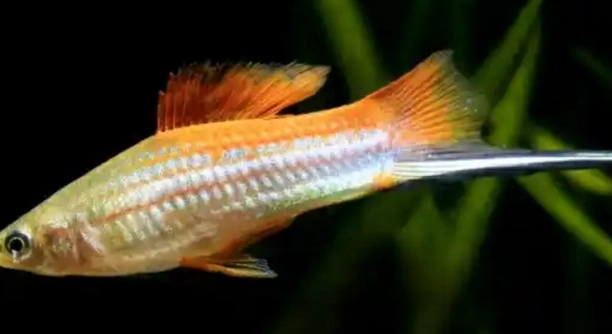
Do you ever find yourself worried that your swordtail fry aren’t surviving long after birth, no matter what you try?
The most effective way to increase swordtail fry survival is by providing hiding spots, maintaining clean water, separating them from adults, and feeding them small, frequent meals. These methods support their development and reduce stress.
Simple steps like adjusting your tank setup and feeding habits can make a big difference in how many fry make it to adulthood.
Create Safe Hiding Spaces
Swordtail fry are extremely vulnerable in their early days, especially in tanks where adult fish are present. Providing enough hiding spaces is one of the easiest and most effective ways to keep them safe. Use live plants like Java moss, hornwort, or guppy grass, which offer dense coverage and don’t need much care. Breeding boxes or fry nets are also helpful, especially right after birth. These keep the fry separated during their most fragile stage. Some fishkeepers also place small caves or decorations with narrow openings in the tank. These spots allow fry to slip through and stay out of reach. Spread the cover throughout the tank, not just in one area. This helps fry avoid being cornered by larger fish. Hiding spots lower their stress levels and give them a better chance to grow without constant threats. It’s a simple setup change that brings big results.
A tank full of open water gives fry nowhere to escape, and even peaceful adult fish might eat them.
When fry feel secure, they spend more time swimming freely and feeding. A comfortable fry will grow faster and stronger. Plants and shelter also create a more natural tank environment, which helps balance water conditions and reduce algae growth over time.
Maintain Clean, Stable Water
Dirty or unstable water makes it harder for fry to survive, even if the tank looks fine on the surface.
A stable environment is key to healthy fry development. Even small changes in temperature, pH, or ammonia levels can cause stress or sickness. Make sure your heater is reliable and keeps the water between 72–78°F. Use a sponge filter, as it’s gentle and won’t suck fry in, unlike standard filters. Test the water every few days, especially in the first few weeks. Look out for ammonia, nitrites, and high nitrates. These can quickly rise in fry tanks due to leftover food and waste. Do partial water changes—about 20%—every 2–3 days to keep toxins low. Always use a water conditioner to neutralize chlorine. Avoid changing everything at once. Stable conditions are more important than perfectly clean water. Fry are still developing their immune systems, and any stress from poor water quality can slow growth or cause sudden death. Keeping the water balanced helps them thrive quietly and steadily, without the need for medication or major interventions.
Feed Them the Right Foods
Fry need tiny, high-protein meals several times a day to grow well. Crushed flakes, baby brine shrimp, and powdered fry food work best in the early stages.
Crushed fish flakes should be ground into a fine powder so the fry can eat them easily. Baby brine shrimp are one of the best choices because they are full of nutrients and small enough for fry to eat. You can hatch them at home or buy them frozen. Microworms and infusoria also work well in the first few days after birth. Feeding small amounts 3 to 4 times a day helps avoid uneaten food sinking and polluting the tank. Make sure the food spreads around so all fry get a chance to eat. A varied diet improves growth and builds stronger immune systems, helping the fry survive through their most delicate weeks.
It’s important not to overfeed. Extra food in the tank can raise ammonia levels and harm the fry. Keep portions small and observe how much they eat within a couple of minutes. If food is left floating or settling on the bottom, reduce the amount. Try rotating between different foods to make sure the fry get all the nutrients they need. Balanced feeding plays a big role in survival and steady growth.
Keep Fry Separate from Adults
Even peaceful adult swordtails might eat fry if they are left in the same tank. Separating them early prevents loss and boosts survival rates.
The best way to keep fry safe is by moving them into a separate tank right after birth. If a second tank isn’t possible, use a breeding box or net inside the main tank. These options give fry a safe space to grow while staying in the same water system. Some people also use dividers to create fry-only sections. Keep in mind that overcrowding can lead to stress and poor water quality, so monitor the space closely. Separation not only keeps fry from being eaten, but also allows you to feed them more precisely and control their environment better. As fry grow and become too large to be eaten, they can be reintroduced gradually, if needed.
Avoid Strong Filtration
Strong filters create strong currents that can pull fry in or push them around, making it hard for them to eat or rest. Use a sponge filter or adjust your existing filter to lower the flow. Gentle filtration keeps fry safe while still cleaning the tank effectively.
Check filter intakes and cover them with sponge or mesh to prevent fry from getting sucked in. Also, try placing decorations or plants near the filter outflow to soften the current. A calm environment helps fry conserve energy, grow properly, and lowers their risk of injury or stress.
Perform Regular Water Changes
Clean water is one of the most important factors in keeping fry healthy. Change 20–30% of the water weekly using a siphon that won’t suck up fry. Always match the temperature of the new water to avoid shock. Use a water conditioner to remove chlorine and other harmful substances before adding it. Fry are very sensitive to poor conditions, and keeping the water clean helps prevent disease and growth problems. Don’t forget to vacuum debris from the bottom gently, especially if you feed often. Consistent maintenance makes a big difference in survival rates and supports steady development.
Watch for Early Signs of Illness
Look for clamped fins, slow swimming, or white spots. These signs often mean something is wrong. Catching problems early helps prevent them from spreading.
If you see any symptoms, remove the affected fry quickly and treat them in a separate tank. Fast action protects the rest.
FAQ
How long do swordtail fry need to be separated from adult fish?
Swordtail fry should be kept separate until they are too big to fit in the adult fish’s mouth. This usually takes around 4 to 6 weeks. Some may grow faster, depending on their diet and water quality. Watch their size and behavior before reintroducing them. If adult fish still chase or nip at them, it’s safer to wait longer. Introducing them slowly can help reduce stress. Try adding one or two fry back in and see how the adults react before moving the rest. Separation gives fry the best chance to grow without the risk of being eaten.
How often should I feed swordtail fry each day?
Swordtail fry need to be fed 3 to 4 times a day in small amounts. Their stomachs are tiny, and they burn energy quickly. Feeding too much at once can dirty the tank and harm the water quality. Spread out meals across the day and remove leftovers after a few minutes. Crushed flakes, powdered food, or baby brine shrimp are all good choices. You don’t have to stick to one type of food—rotating between different options gives fry better nutrition. Keeping a consistent feeding schedule helps them grow steadily and supports their immune system.
Do swordtail fry need light to grow well?
Yes, swordtail fry benefit from having regular light each day. Aim for 10–12 hours of light, followed by darkness to allow them to rest. Light helps with their growth and keeps live plants healthy, which also helps fry feel safe. Use a timer if possible, so the lighting stays consistent. Avoid leaving the lights on all night, as that can stress them. Too much light can also cause algae to grow. A balanced light cycle helps create a healthy environment that supports both fry development and plant life.
Can swordtail fry live in a community tank?
They can, but only once they are large enough not to be eaten. In most cases, young fry do not survive long in a community tank with adult fish. Even peaceful fish may eat them. If you want to raise fry in a community setup, provide heavy cover with live plants or floating vegetation. Still, there is always a risk. For better survival rates, it’s safer to raise them in a separate tank or breeder box. Once they grow to about an inch or so, you can start adding them back into the main tank gradually.
What is the ideal temperature for swordtail fry?
The best temperature range for swordtail fry is between 72°F and 79°F. Try to keep the temperature steady and avoid large fluctuations. Sudden drops or spikes can stress them and slow down their growth. Use an aquarium heater with a thermostat to keep things stable. If your room temperature changes often, a heater is especially important. A thermometer in the tank helps you monitor things closely. Consistent warmth encourages healthy development and helps prevent illness. Make sure the heater isn’t too strong, especially in small tanks, to avoid overheating.
Do I need to use a filter in the fry tank?
Yes, but it should be gentle. A sponge filter is ideal because it provides both filtration and a surface for beneficial bacteria to grow. It also doesn’t create strong currents that can hurt fry. Standard filters can be too powerful and may suck in or stress young fish. If you only have a regular filter, modify it with a sponge over the intake and turn the flow down. Good filtration keeps the water clean and reduces harmful toxins, which is very important in fry tanks since waste builds up fast.
How many fry usually survive out of a batch?
Without proper care, very few fry may survive. In tanks without hiding spots or separation, it’s common for almost all fry to get eaten within hours. But with the right setup—like safe cover, clean water, and good food—you can expect 70–90% of them to survive. Some loss is normal, especially in the first few days. Weak or underdeveloped fry may not make it even in the best conditions. Focus on giving them a stable environment. The better the care, the higher the survival rate.
When can I tell the gender of swordtail fry?
Most swordtail fry start showing signs of gender around 4 to 6 weeks old, but it can vary. Males will develop a gonopodium, which is a modified anal fin, while females will keep a fan-shaped anal fin. Color differences and body shape may become more noticeable after 2 months. If you’re raising multiple fry, you’ll likely notice some growing faster and showing traits earlier. Keep in mind that temperature and diet can affect their development speed. Observing them regularly makes it easier to notice the changes as they grow.
Final Thoughts
Raising swordtail fry can be a simple and rewarding process if you follow a few basic steps. Their survival mostly depends on how well you protect them, what you feed them, and the condition of their water. Fry are fragile during their early weeks, so even small mistakes can lower their chances of growing up healthy. That’s why it’s important to stay consistent with your care. Giving them enough hiding places, feeding the right food, and keeping the water clean are the key things that will help most. You don’t need fancy equipment or expensive products—just a setup that supports their needs.
It’s also helpful to pay attention to how the fry are behaving every day. If they are swimming normally, eating well, and showing no signs of illness, that’s a good sign your setup is working. If they seem weak or not growing, then something might be off, like water quality or feeding. Adjustments don’t have to be big. Sometimes, changing how often you feed or cleaning the tank more often can make a real difference. Watching the fry grow from tiny fish into healthy adults is a good way to see your efforts pay off. Many people find it relaxing to check in on them and see their progress over time.
Whether you’re raising fry for the first time or have done it before, it’s always good to stick to the basics. Keep their space calm, make sure the environment is safe, and avoid overfeeding or overcrowding. Even if some fry don’t make it, don’t be discouraged. That’s a normal part of the process. With practice, your success rate will likely improve. In time, you’ll be able to raise healthy young fish with less effort and more confidence. Swordtails are hardy once they grow a bit, and giving them a strong start will help them thrive in the long run. A little patience and routine care go a long way when it comes to raising fry.

Hello,
If you enjoy the content that we create, please consider saying a "Thank You!" by leaving a tip.
Every little bit helps us continue crafting quality advice that supports the health, happiness, and well-being of pets around the world, for pets of all shapes, sizes, and species.
We really appreciate the kindness and support that you show us!