
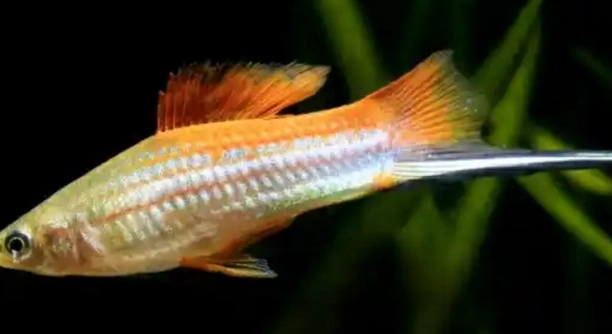
Feeding your swordtails can be a fun and rewarding experience. However, mistakes are common when providing the right nutrition. Understanding the best feeding practices will help ensure your fish remain healthy and active.
Avoiding common feeding mistakes is key to maintaining your swordtails’ health. Overfeeding, underfeeding, or offering the wrong type of food can lead to digestive problems and health issues. Knowing the proper feeding schedule and food variety is essential for their well-being.
By understanding these common feeding mistakes, you can improve your swordtails’ overall health and feeding habits. This article will help guide you through the best practices for feeding them.
Overfeeding Your Swordtails
Overfeeding is one of the most common mistakes many swordtail owners make. It’s easy to think more food means healthier fish, but that isn’t the case. Swordtails can easily become overweight if fed too much. When overfed, leftover food can quickly decay in the tank, leading to poor water quality, which is harmful to both the fish and the aquarium environment. Additionally, excessive food intake can cause digestive issues in your swordtails. They may develop bloating or experience a shortened lifespan.
Feeding your swordtails the correct amount of food is crucial. You should only give them as much food as they can consume in about two to three minutes. Any uneaten food should be removed from the tank to prevent it from polluting the water.
It’s important to also consider their natural feeding habits. Swordtails are omnivores, so a varied diet with both plant-based and protein-rich food is ideal. Offering food in smaller amounts multiple times a day is better than one large feeding.
Underfeeding Your Swordtails
Underfeeding is equally problematic for your swordtails. They rely on a balanced diet for energy and to maintain their vibrant colors. Without enough food, your fish will become sluggish, their growth will slow down, and their immune systems will weaken.
To keep your swordtails healthy, make sure to feed them regularly. A proper feeding schedule will ensure they get the right amount of nutrients for their size and age. Without adequate nutrition, they may not thrive or grow to their full potential.
Using the Wrong Type of Food
Feeding your swordtails the wrong type of food can lead to health problems. For example, some fish foods are high in fats or fillers, which aren’t suitable for swordtails. Stick to foods that meet their nutritional needs, such as flake foods, pellets, or live/frozen foods like brine shrimp.
Swordtails require a balanced diet that includes both plant matter and protein. A good mix of high-quality flake food with occasional live or frozen food will ensure your fish receive essential vitamins, minerals, and nutrients. Variety is key to preventing nutritional deficiencies.
Certain types of food, such as those made specifically for goldfish or other species, may not be suitable for swordtails. These foods could lead to obesity or lack the necessary nutrients swordtails need to thrive. Offering the right type of food supports their immune system and helps them stay active and healthy.
Inconsistent Feeding Schedule
A feeding schedule for your swordtails should be consistent. Sporadic feeding can confuse their digestive system, causing unnecessary stress. Regular feeding times also help keep your tank clean by reducing uneaten food. Swordtails thrive on a routine, making their feeding habits predictable and manageable.
Feeding at set times throughout the day prevents overfeeding and underfeeding. It also helps maintain a clean environment. Swordtails will adapt to a consistent schedule, and it will be easier for you to monitor their behavior. Stick to a daily routine to keep their health in check.
Not Adjusting Food for Growth Stages
Swordtails go through different growth stages, each with varying nutritional needs. What works for a baby swordtail won’t be ideal for an adult. Adjusting their food type and portion size as they grow is important for maintaining their health.
As swordtails mature, their need for protein and specific nutrients changes. Young fish require more protein to support growth, while adults need food that supports reproductive health and general maintenance. Tailoring their diet ensures they get the nutrients they need at each stage.
Poor Water Quality Due to Leftover Food
Leftover food can quickly degrade water quality, creating an unhealthy environment for your swordtails. Food particles can break down and release harmful substances like ammonia into the water, which can stress the fish.
Regular water changes and removing uneaten food can help maintain clean water. If you notice leftover food in the tank, make sure to scoop it out. Maintaining clean water reduces stress and prevents diseases, keeping your swordtails happy and healthy.
Feeding Too Much Live Food
While live food like brine shrimp is great for swordtails, too much can cause problems. It’s easy to overfeed live food, which can result in water contamination and digestive issues for your fish. Live food should be offered in moderation.
Live foods should be treated as a treat or supplement, not a daily meal. Swordtails need a varied diet, and relying on live food alone may lead to an unbalanced diet. Use it sparingly to avoid feeding too much and creating an unclean tank environment.
FAQ
How often should I feed my swordtails?
Swordtails should be fed two to three times a day, with smaller portions each time. They don’t need large meals, and overfeeding can lead to health issues. By splitting their meals into several smaller feedings, you ensure they have a steady source of energy without overloading their digestive system. It’s also essential to remove any leftover food after about 3-5 minutes to avoid water contamination.
What is the best food for swordtails?
Swordtails are omnivores, so a variety of foods is ideal for them. High-quality flake food is a good base, but they also benefit from occasional live or frozen food, like brine shrimp or bloodworms. Vegetables like spinach or zucchini can also be given to supplement their diet. A balanced diet that includes both plant-based and protein-rich foods ensures they get all the essential nutrients.
Can swordtails eat flakes every day?
Yes, swordtails can eat flakes every day, as long as the flakes are of good quality and formulated for omnivorous fish. However, it’s a good idea to mix up their diet with other types of food like live or frozen options to keep things interesting and balanced. A variety of food ensures they get a wider range of nutrients.
Is it okay to feed swordtails live food daily?
While live food like brine shrimp or daphnia is a great treat, it should not make up the majority of their diet. Feeding live food daily can lead to overfeeding and water contamination. It’s best to offer live food two to three times a week. Swordtails need a balanced diet, and live food should be considered a supplement to their regular meals.
How much should I feed my swordtails at each meal?
Offer your swordtails only as much food as they can eat in about 2-3 minutes. Swordtails have small stomachs, and any excess food that isn’t consumed can decay and pollute the water. It’s better to feed them small amounts more often rather than one large feeding. Keeping track of how much they eat ensures a healthy feeding routine.
Can swordtails eat vegetables?
Yes, swordtails can eat vegetables. In fact, adding vegetables to their diet provides important nutrients that may be missing from their regular food. Vegetables like spinach, zucchini, or peas can be given once or twice a week. Make sure to blanch them first to soften them, making it easier for your swordtails to eat.
What happens if I overfeed my swordtails?
Overfeeding swordtails can lead to a number of issues, including obesity, poor water quality, and digestive problems. Leftover food breaks down in the water, releasing harmful substances that can stress your fish. Overfeeding also increases the risk of diseases like swim bladder disorder, which can cause your swordtails to become lethargic or have difficulty swimming.
Can swordtails go without food for a day or two?
Yes, swordtails can go without food for a day or two, especially if they are healthy and not breeding. They are hardy fish and can tolerate short periods without feeding. However, long-term fasting is not recommended, as they need consistent nutrition to stay healthy. If you plan to be away, consider using an automatic feeder or asking someone to feed your fish.
Should I feed swordtails different types of food?
Yes, offering different types of food helps ensure your swordtails get a well-rounded diet. A mix of high-quality flakes, pellets, and occasional live or frozen food will provide all the necessary nutrients. Adding some plant-based foods, such as algae or vegetables, ensures they get fiber and other essential nutrients for digestion and health.
How do I know if I’m feeding my swordtails the right amount?
The right amount of food depends on your swordtails’ size and activity level. If you notice uneaten food after a few minutes, you’re likely feeding too much. Swordtails should not look bloated or overweight. A healthy swordtail should have a smooth, streamlined body without a bulging stomach. Regular observation helps you adjust portions for their needs.
Can swordtails eat frozen food?
Yes, swordtails can eat frozen food. Foods like frozen brine shrimp, daphnia, or bloodworms are excellent sources of protein. They should be thawed before feeding. Frozen food is a good supplement to their diet and can help add variety. However, like live food, it should not be fed daily to avoid overfeeding and water quality issues.
How long can swordtails survive without food?
Swordtails can survive without food for a short period, typically up to 3-4 days. They will use stored energy to get by, but it’s not ideal for their long-term health. If you need to leave them for an extended period, it’s best to arrange for someone to feed them or use an automatic feeder.
Do swordtails need high protein in their diet?
Swordtails need moderate amounts of protein, especially when they are young or breeding. Protein supports growth and energy. However, too much protein can lead to obesity and digestive issues. A balanced diet with protein-rich foods, such as live or frozen food, along with plant-based options, is ideal for swordtails.
Can swordtails eat tropical fish food?
Tropical fish food is generally suitable for swordtails since they are tropical fish themselves. However, it’s important to check the ingredients. The food should be formulated for omnivores to ensure swordtails get the right balance of protein and plant matter. Avoid food that’s high in fillers or excessive fat.
Final Thoughts
Feeding swordtails properly is essential for their health and well-being. They are relatively easy to care for, but like all fish, they have specific nutritional needs that must be met. A varied diet consisting of high-quality flake food, live or frozen options, and occasional vegetables ensures they get all the nutrients necessary for growth and reproduction. Understanding the right types of food for different stages of their life and adjusting portion sizes accordingly is key to their long-term health.
Overfeeding swordtails is a common mistake. While they may seem hungry all the time, feeding them too much can cause problems with water quality and lead to digestive issues. It’s important to offer only as much food as they can consume in a few minutes. Keeping their feeding schedule consistent will help regulate their digestive system and prevent stress caused by sporadic feeding. Regularly removing any uneaten food helps maintain a clean tank, which is crucial for swordtails to thrive.
By avoiding common feeding mistakes, such as offering the wrong type of food or neglecting water quality, you can ensure that your swordtails live a healthy and active life. A well-balanced diet, combined with proper tank maintenance, will keep them happy and vibrant. Consistency in their feeding routine and understanding their unique needs at different life stages will go a long way in preventing health issues and ensuring your swordtails enjoy a long, healthy life in your aquarium.

Hello,
If you enjoy the content that we create, please consider saying a "Thank You!" by leaving a tip.
Every little bit helps us continue crafting quality advice that supports the health, happiness, and well-being of pets around the world, for pets of all shapes, sizes, and species.
We really appreciate the kindness and support that you show us!