
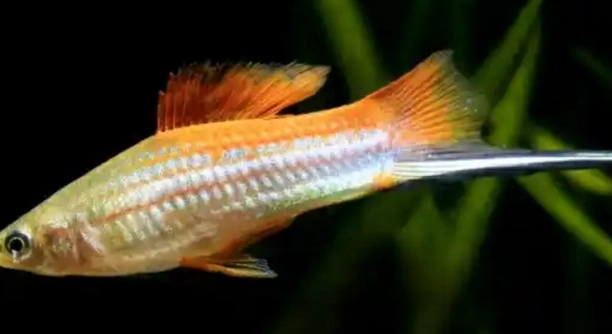
Breeding swordtails can be a rewarding experience for any fish enthusiast, but with so much advice out there, it can be hard to separate fact from fiction. Many myths surround swordtail breeding, which can confuse both beginners and seasoned breeders.
Despite the many myths, swordtail breeding does not require specific conditions or extraordinary knowledge. By following simple guidelines and paying attention to basic care, you can successfully breed swordtails in a healthy environment.
Understanding these common misconceptions can save time and help ensure your swordtails breed successfully. This article will break down the most popular myths and give you a clearer picture of what really works.
Swordtails Only Breed in Perfect Water Conditions
Many people believe that swordtails can only breed in specific water conditions, like perfect temperature and pH. While it’s true that swordtails do best in a stable environment, they’re not as picky as some think. Swordtails are quite adaptable and can breed in a variety of water conditions, as long as the tank is clean and the water is healthy.
Swordtails thrive in water that is between 72°F and 82°F (22°C to 28°C). They also prefer slightly alkaline water with a pH of 7.0 to 8.0. However, they can handle a range of conditions. Maintaining good water quality with regular cleaning is much more important for successful breeding.
You don’t need perfect water conditions for swordtail breeding, but you do need to keep the water clean and provide a healthy, stable environment. Regular water changes and monitoring water parameters will make a significant difference. Avoid stressing your fish with sudden changes in temperature or pH, and you’ll likely see successful breeding.
Swordtails Need Special Diets to Breed
Another myth is that swordtails require a special diet to breed. While it’s always a good idea to feed your fish a varied and nutritious diet, you don’t need to provide anything unusual to encourage breeding. Swordtails, like most fish, can breed on a standard high-quality fish food diet.
Swordtails enjoy both plant-based foods and protein-rich options like brine shrimp, daphnia, and bloodworms. Offering them a variety ensures they get all the nutrients they need to stay healthy. However, there is no need for specially formulated breeding foods, as long as the diet is well-balanced.
If your swordtails aren’t breeding, it’s more likely due to environmental factors like water quality or stress, rather than their diet. By providing a healthy and varied diet, along with stable tank conditions, you’ll create an environment where breeding can occur naturally. Fish foods should be fresh and of good quality, but nothing fancy is required to trigger breeding.
Swordtails Only Breed with One Mate
A common myth is that swordtails can only breed with one specific mate. In reality, swordtails are quite social fish and will breed with multiple partners in a group setting. Male swordtails are known for their attempts to court several females in a tank, especially if there are more females than males.
In a tank with several males and females, the males will compete for the females’ attention. As long as there is a healthy number of both males and females, the swordtails will breed without needing to pair off with just one mate. Having more females than males can reduce stress and promote breeding.
If you’re looking to breed swordtails, consider having a mix of males and females in your tank. This will give the males a chance to court and mate with different females, ensuring the breeding process is natural and varied. Avoid restricting your fish to one mate, as this myth limits their natural breeding behavior.
Swordtails Will Breed as Soon as They’re in the Tank
Some people think that swordtails will breed immediately after being placed in the tank, but that’s not the case. While swordtails can breed fairly quickly once they are settled, they still need time to adjust to their new environment. It’s important to give them a few weeks to acclimate before expecting any breeding.
Swordtails can start breeding as early as 3 to 4 months old, but they also need to be in good health and stress-free. Fish that are new to the tank may not breed right away. Once they’ve adjusted, you’ll see signs of courtship and mating.
New swordtails need time to get comfortable and build up strength. The acclimation process is key for healthy breeding. Avoid rushing them into the breeding process and instead focus on creating a stable, stress-free environment. With time, your swordtails will likely start breeding when they’re ready.
Swordtails Only Breed in Specific Tank Sizes
Many believe that swordtails need a large tank to breed successfully. While a spacious tank is ideal, swordtails can breed in tanks as small as 10 gallons, as long as the environment is clean and well-maintained. It’s more about water quality than tank size.
A 10-gallon tank can comfortably house a few swordtails, but the more space you provide, the less likely the water conditions will fluctuate drastically. Smaller tanks can lead to faster changes in water quality, which can stress the fish and interfere with breeding. Consistent water changes and filtration are key.
Swordtails breed in various tank sizes, but the most important factor is maintaining proper water conditions. Ensure your tank is equipped with a good filtration system and keep up with regular water changes. A stable and clean environment is more crucial than the tank’s size when it comes to breeding.
Male Swordtails Always Fertilize Eggs
It’s a common misconception that male swordtails fertilize the eggs after females lay them. Swordtail breeding is internal, and the male does not lay fertilizing eggs; instead, he releases sperm to fertilize the eggs inside the female’s body. The fertilization process happens before the female gives birth to live fry.
After mating, the female stores sperm for multiple weeks, and she can give birth to several batches of fry from just one mating. The female doesn’t need to mate with the male each time she gives birth. She can store sperm for up to a month, which allows for more efficient breeding.
Swordtail Fry Will Survive Without Care
Some people assume that swordtail fry will do just fine without any extra attention once born. In reality, young fry are very fragile and need protection from adult fish, especially from the parents. Adult swordtails may eat their young if they feel threatened.
Providing a separate breeding tank or a breeding box is ideal for keeping the fry safe from adult swordtails and other tank mates. Offering hiding places like plants or decorations can help the fry feel secure. Fry also require fine food like baby brine shrimp or specialized fry food to grow strong.
FAQ
How do I know when my swordtail is pregnant?
Pregnant female swordtails show several signs, such as a rounded belly and a dark spot near their anal fin, which is where the developing fry can be seen. As the pregnancy progresses, the belly becomes visibly larger and more pronounced. It’s important to keep an eye on their behavior as well. Pregnant females may become more sedentary and seek out hiding places. The pregnancy lasts for about 4 to 6 weeks before the female gives birth.
Can I breed swordtails with other fish?
Swordtails can be kept with many other fish, but it’s best to avoid aggressive species that may harm or stress them. Other peaceful community fish, such as tetras or livebearers, are good tank mates. However, be careful of overcrowding, as too many fish in a tank can lead to stress and poor breeding conditions. Breeding with different species of fish is not recommended, as they won’t interbreed and could cause compatibility issues.
How many babies do swordtails have?
Swordtails can give birth to anywhere between 20 to 100 fry at a time, depending on the size and age of the female. Younger or smaller females may have fewer fry, while larger or older females can produce more. The number of fry can vary with each pregnancy, and a healthy environment will help ensure a better survival rate for the babies.
Do I need to separate pregnant swordtails from the rest of the tank?
It’s a good idea to separate pregnant swordtails if you have other fish in the tank that might stress or harm them. Many fish, including adult swordtails, will eat the fry once they are born. Using a breeding box or a separate tank for the female can help protect the fry and ensure they survive. However, separating the pregnant swordtail is not always necessary if the tank is peaceful and has plenty of hiding spots for the fry.
Can swordtails breed in a community tank?
Yes, swordtails can breed in a community tank. However, it’s important to create an environment where the fry will have a chance to survive. This means having plenty of hiding places and ensuring the other fish aren’t aggressive or predatory. If you don’t want the fry to be eaten, it’s a good idea to either set up a breeding box or remove the female to a separate tank to give birth.
How long does it take for swordtail fry to grow?
Swordtail fry grow relatively quickly, especially if they’re given the right environment and food. In optimal conditions, they can reach a size where they can be safely introduced to the main tank within 4 to 6 weeks. During this time, they need to be fed specialized fry food, such as baby brine shrimp or finely crushed flakes, to help them grow strong. As they mature, they’ll start to resemble adult swordtails, though it may take several months for them to reach full size.
Should I add extra plants to help swordtail fry?
Yes, adding plants to the tank can be very beneficial for swordtail fry. Live plants provide hiding places where the fry can stay safe from adult fish. Plants like Java moss or Anubias are great choices for this purpose, as they offer plenty of cover and help maintain water quality. Floating plants can also give the fry shelter and help them feel secure. Adding plants to your tank creates a more natural environment, which benefits both the adult swordtails and the fry.
Can swordtail fry survive in a tank without a filter?
While it’s possible for swordtail fry to survive in a tank without a filter, it’s not ideal. Fry produce waste that can quickly pollute the water, leading to poor water quality and stressed fish. A filter is helpful for maintaining clean water, which is essential for the fry’s growth and health. If you don’t have a filter, regular water changes (about 20-30% every few days) are necessary to keep the environment safe for the fry.
What is the best water temperature for swordtails?
Swordtails prefer water temperatures between 72°F and 82°F (22°C to 28°C). A stable temperature within this range promotes healthy breeding and growth. Water that’s too cold can slow down their metabolism and reduce breeding, while water that’s too warm can lead to stress and potential health problems. A reliable aquarium heater can help maintain a consistent temperature, which is especially important during breeding.
How often should I feed my swordtail fry?
Swordtail fry need to be fed small amounts of food several times a day. It’s important not to overfeed, as leftover food can pollute the water. Start with small amounts of finely crushed flakes or baby brine shrimp, and gradually increase the portion size as the fry grow. Overfeeding can cause water quality issues, so always remove any uneaten food after a few hours.
Final Thoughts
Breeding swordtails can be a fun and rewarding experience if you understand their basic needs. While there are many myths surrounding swordtail breeding, the most important factors are maintaining a clean, stable environment and providing a balanced diet. Swordtails are adaptable fish, and with the right conditions, they can breed successfully without requiring special treatments or excessive care. By keeping their tank clean, ensuring proper water quality, and offering a varied diet, you’ll give them the best chance at successful breeding.
It’s important to remember that swordtail breeding doesn’t require strict rules or perfect conditions. Many of the common myths can actually make breeding harder than it needs to be. Swordtails are quite hardy and can handle a variety of water conditions, as long as the water is stable and clean. They do not need a special diet or specific tank sizes, and they certainly do not need to breed with just one mate. By understanding these myths and focusing on the basics of care, you’ll find that swordtail breeding is easier than it seems.
In the end, swordtails are rewarding fish to breed if you focus on creating a calm, clean, and healthy environment for them. Once you understand their natural behavior and needs, you’ll likely see successful breeding with little extra effort. Keeping your swordtails happy and healthy is the key, and with some patience, you’ll enjoy watching them grow and thrive. Let go of the myths, and focus on what really matters—providing them with the best possible care.

Hello,
If you enjoy the content that we create, please consider saying a "Thank You!" by leaving a tip.
Every little bit helps us continue crafting quality advice that supports the health, happiness, and well-being of pets around the world, for pets of all shapes, sizes, and species.
We really appreciate the kindness and support that you show us!