
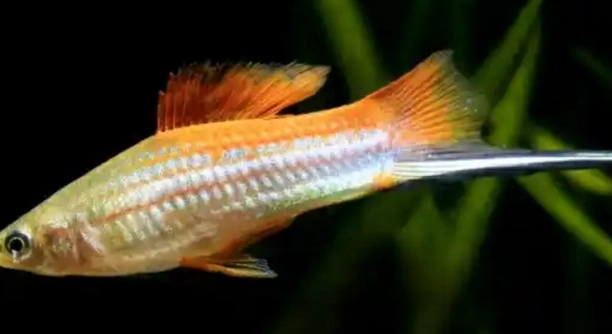
Swordtails are lively fish that can bring joy to any aquarium. Their playful nature and colorful appearance make them popular pets among fish enthusiasts. If you are caring for swordtails, you might notice interesting behaviors that offer insight into their health and happiness.
Tracking swordtail behavior helps you understand their needs and habits. Monitoring things like swimming patterns, feeding habits, and social interactions can give you clues about their environment and well-being. Understanding these behaviors ensures your swordtails thrive.
By learning about these behaviors, you can enhance your swordtails’ care and environment. Each of these behaviors provides important information that contributes to their overall health and happiness in your tank.
Swordtail Swimming Patterns
Swordtails are known for their active swimming patterns. They enjoy moving around the tank, often darting back and forth. When they’re happy and comfortable, they exhibit steady, smooth movements. However, if there’s something off in their environment, their swimming behavior can change. For example, they might swim in circles or even hover in one spot.
Monitoring these swimming patterns can give you clues about their well-being. Changes in swimming habits can indicate stress, disease, or even poor water quality. Healthy swordtails are constantly moving, exploring, and interacting with other fish.
If you notice that your swordtails are swimming erratically or less frequently, take a look at their surroundings. Check the water temperature, filtration, and any other tank conditions that may be affecting them. Pay attention to any sudden changes in behavior. These movements are their way of telling you something might need adjusting in the tank.
Swordtail Feeding Behavior
Swordtails are often eager eaters, and their feeding behavior is easy to observe. They quickly swim toward food when it’s added to the tank. If they’re not eating as much, it might be a sign of something wrong.
Changes in feeding habits can result from stress, illness, or even competition with other fish. It’s important to track how often and how much your swordtails are eating to ensure they’re getting the proper nutrition. A sudden loss of appetite could indicate a problem.
Swordtails are omnivores, and their diet should include a variety of foods, such as flakes, pellets, and live or frozen foods like brine shrimp. If they are not eating regularly, consider the water temperature and water quality as potential issues. Stress from overcrowding or tank mates may also be a factor. Swordtails may stop eating if they are being outcompeted for food, so make sure every fish in the tank has enough access to food.
Social Behavior and Interaction
Swordtails are social creatures that enjoy the company of their own kind. They tend to form loose schools and interact with one another frequently. Social behavior can range from peaceful interactions to mild chasing. Male swordtails, in particular, may chase females, especially during mating season.
While it’s normal for swordtails to have social interactions, excessive chasing or aggression can signal a problem. Overcrowding or an imbalance in the male-to-female ratio can increase this behavior. Stress from aggressive tank mates or unsuitable conditions can also trigger changes in how swordtails interact.
A balanced tank with enough hiding spots can help minimize aggression. If you notice that certain swordtails are being picked on, adding more plants or decorations for them to hide in might reduce stress and improve their social interactions. Keep an eye on how the swordtails interact, as it can help you address any underlying issues.
Swordtail Breeding Behavior
Swordtails are relatively easy to breed. You’ll notice males displaying vibrant colors and showing off their swords to attract females. Once a female is interested, the male will often pursue her with quick movements, trying to convince her to mate.
Breeding behaviors can become more intense during mating season. Males may become more persistent in chasing females and might even nip at them. However, if there are too many males, it can lead to stress for the females. Keeping a good male-to-female ratio is essential to ensure successful breeding.
Once mating occurs, female swordtails will give birth to live young. The fry should be separated from adult fish, as they may be eaten. Offering plenty of plants and hiding spots for the fry can help ensure their survival. Keep an eye on how the breeding pairs interact to ensure no stress or aggression is affecting their behavior.
Swordtail Aggression
Swordtails are generally peaceful, but males can display aggressive behavior, especially during mating. Male swordtails may chase and nip at each other or at females when competing for attention. This aggression is most common when they are not properly balanced in numbers or space.
Excessive aggression can harm the swordtails and lead to stress. If you notice one fish being particularly aggressive toward others, it may indicate territorial behavior or an overcrowded tank. Ensure that you provide enough space and hiding spots to reduce tension. Having a proper male-to-female ratio can also help decrease aggressive interactions.
If aggression continues, consider removing the aggressive fish or adding more tank mates to disperse the attention. Keeping the tank well-maintained with clean water, plants, and decorations can also help reduce aggression by offering distractions and hiding spaces for the fish.
Swordtail Resting Behavior
Swordtails are constantly on the move but need rest periods throughout the day. You’ll often see them resting in the tank’s plants or near decorations. This behavior is natural and shows they’re comfortable in their environment.
If your swordtails appear lethargic or spend too much time resting, it could signal stress or poor water conditions. Healthy swordtails will rest but still maintain alertness to their surroundings. Keep the tank environment calm and stable, with proper water parameters, to avoid stressing them.
A consistent resting pattern is a good sign of well-being, but be cautious if you notice excessive inactivity.
Swordtail Territorial Behavior
Swordtails are not particularly territorial, but males may show territorial behavior when competing for mates. They might chase other males away from females or certain parts of the tank. This is most common in smaller spaces where fish are crowded.
To reduce territorial behavior, ensure the tank is spacious enough for all swordtails. Adding plants, rocks, or other decorations can give them areas to hide or claim as their own. A proper male-to-female ratio can also help reduce competition and aggression.
Creating an environment where fish can claim their own space without too much conflict leads to more peaceful interactions.
Swordtail Water Quality Sensitivity
Swordtails are sensitive to poor water quality. If water parameters are off, they may become stressed, which can show in their behavior. You’ll notice them swimming sluggishly or even hiding more than usual.
Maintaining good water quality is key for swordtails. Regularly check pH levels, ammonia, nitrate, and nitrite levels. Keep the tank water clean by performing routine water changes. Swordtails thrive in stable environments with clean, properly filtered water.
Keeping their water clean prevents stress, ensuring they stay active and healthy. Make sure you stay on top of water quality for happy swordtails.
FAQ
What do swordtail fish eat?
Swordtails are omnivores, meaning they eat both plant and animal matter. They enjoy a variety of foods, including high-quality flakes, pellets, and live or frozen foods like brine shrimp or daphnia. Offering them a mix of food will help ensure they get all the necessary nutrients.
You should feed them small amounts two to three times a day, avoiding overfeeding. Too much food can pollute the water and cause health problems. It’s essential to offer a balanced diet, ensuring their food provides both protein and plant matter. Swordtails will also nibble on algae in the tank, which is a natural part of their diet.
How many swordtails can I keep in one tank?
The number of swordtails you can keep in one tank depends on the size of your tank and the number of other fish. Generally, aim for 1 inch of fish per gallon of water. A 20-gallon tank can house about 6 swordtails comfortably, but if you have other fish, adjust accordingly.
Overcrowding can lead to stress, aggression, and poor water quality. Make sure the tank is spacious enough for them to swim freely. Swordtails are social creatures and prefer being in groups, so it’s best to keep at least a few of them together. The ideal male-to-female ratio is about 1 male for every 2 or 3 females to reduce aggression.
Do swordtails need a filter?
Yes, swordtails need a filter to keep the water clean and properly oxygenated. Without a filter, the water can quickly become polluted, leading to poor water quality and health problems for your fish. A filter helps maintain the balance of beneficial bacteria, keeping harmful toxins at bay.
Choose a filter that is appropriately sized for your tank. The filter should provide enough water flow to keep the tank clean without creating strong currents that could stress out your swordtails. Regular maintenance of the filter is crucial to ensuring it works properly and keeps your swordtails happy.
Are swordtails aggressive toward other fish?
Swordtails are generally peaceful fish but can show aggression, especially males during mating season. Male swordtails may chase and nip at each other or even at females in an attempt to win their attention. Aggression can also occur when there are too many males in the tank or if the tank is too small.
To minimize aggression, make sure your tank is large enough for all your fish to have their own space. Adding plants, rocks, or other decorations can also help reduce stress and aggression by providing hiding spots and territories for the fish. Maintaining a proper male-to-female ratio is also essential.
How can I tell if my swordtail is sick?
If your swordtail is sick, you might notice changes in behavior, appearance, or eating habits. Common signs of illness include lethargy, unusual swimming patterns, loss of appetite, or visible signs like spots, lesions, or abnormal growths on their bodies.
If your swordtail is sick, check the water parameters first. Poor water quality can lead to stress and illness. If the water is fine, then consider the possibility of parasites, infections, or other diseases. Quarantining sick fish is a good practice to prevent spreading illness to other fish. Consult with a vet or experienced aquarium keeper if you suspect your swordtail is ill.
Can swordtails live with other fish?
Yes, swordtails can live with many other species of peaceful fish. They do well in community tanks with species that are similar in size and temperament. Some good tank mates for swordtails include guppies, tetras, mollies, and platies.
Avoid keeping swordtails with aggressive or very small fish that could be bullied or eaten. It’s important to consider the behavior and size of other fish when selecting tank mates. The key is maintaining a peaceful environment where all fish have enough space to thrive.
How do I breed swordtails?
Breeding swordtails is relatively easy, especially in a well-maintained aquarium. To breed swordtails, you’ll need a male and a female. The male will display his colorful sword to attract the female, and once mating occurs, the female will give birth to live young.
Ensure that the tank conditions are optimal—clean water, proper temperature (around 72-78°F), and a good male-to-female ratio. After mating, remove the adults to prevent them from eating the fry. Providing plants or decorations for hiding spots will help the fry survive. They should be fed finely crushed food or baby brine shrimp.
What size tank do swordtails need?
Swordtails are active swimmers and require a decent amount of space to thrive. A 20-gallon tank is a good size for a small group of swordtails. If you plan to keep more than a few swordtails or have other fish in the tank, you’ll need a larger tank to prevent overcrowding.
The tank should have enough open space for swimming, as well as plants, rocks, or decorations for hiding and territory. A larger tank with a stable environment will help keep your swordtails healthy and reduce stress. Make sure to regularly check the water parameters and perform water changes as needed.
Do swordtails need special water conditions?
Swordtails are hardy fish, but they do require stable water conditions to stay healthy. The ideal water temperature for swordtails is between 72-78°F. They prefer slightly alkaline water, with a pH between 7.0 and 8.2. The hardness should be medium, around 12-18 dGH.
Regularly test the water to ensure the levels of ammonia, nitrite, and nitrate are within safe ranges. Swordtails are sensitive to poor water quality, so maintaining a clean tank with a good filtration system is essential for their health. If any water parameters are off, it can lead to stress, disease, or even death.
How long do swordtail fish live?
Swordtails typically live between 3 to 5 years, though some can live even longer with optimal care. Their lifespan depends on factors like water quality, tank environment, and diet. Healthy swordtails in stable conditions can reach the upper end of this range.
To help your swordtail live a long and healthy life, ensure the water quality is maintained, they’re fed a balanced diet, and the tank environment is suitable. Regular water changes and tank maintenance are key to preventing illness and ensuring your swordtail stays healthy for years to come.
Final Thoughts
Swordtails are relatively easy to care for, making them a great choice for both beginner and experienced aquarium owners. Their active nature and bright colors can really bring life to your tank. By understanding their behaviors and needs, you can provide an environment where they thrive and feel comfortable. Whether you’re monitoring their swimming patterns, feeding habits, or social interactions, paying attention to their daily routines can help you spot any potential issues early on. This proactive approach can prevent health problems and keep your swordtails happy.
Providing a balanced diet, maintaining water quality, and ensuring a proper tank setup are all important parts of swordtail care. Regular water changes and a good filtration system help keep the environment stable, reducing stress for your fish. Swordtails also benefit from having enough space to swim and explore, as well as hiding spots to feel secure. While they are generally peaceful, it’s important to ensure the male-to-female ratio is right and to provide space to avoid overcrowding and aggression. Being mindful of their social needs can help keep the tank peaceful.
Breeding swordtails can be an enjoyable experience, but it’s essential to prepare for the responsibility. Offering the proper care for both adults and fry ensures that the next generation has the best chance of thriving. Remember that these fish are social creatures and do best when kept in groups. Keeping an eye on their behaviors, adjusting tank conditions as needed, and providing a variety of foods will help ensure they live long, healthy lives. By following these basic guidelines, you can enjoy the vibrant presence of swordtails in your aquarium for years to come.

Hello,
If you enjoy the content that we create, please consider saying a "Thank You!" by leaving a tip.
Every little bit helps us continue crafting quality advice that supports the health, happiness, and well-being of pets around the world, for pets of all shapes, sizes, and species.
We really appreciate the kindness and support that you show us!