
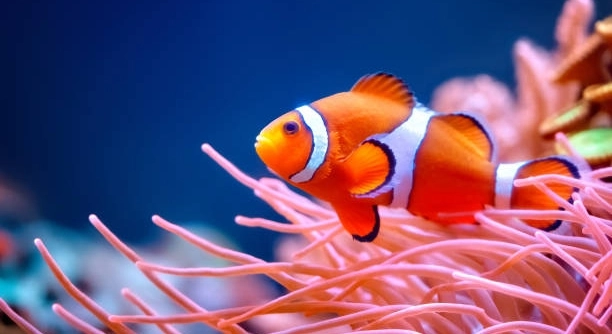
Clownfish are known for their bright colors and interesting behaviors in coral reefs. They live in close groups and have unique ways to interact with each other every day. Communication helps them survive and thrive in their environment.
Clownfish communicate through body movements, sounds, color changes, and chemical signals. These methods allow them to establish territory, find mates, and maintain social order within their groups. Their communication is more complex than just simple noises or gestures.
Understanding how clownfish communicate reveals much about their social lives and how they adapt to their surroundings. This article will explore surprising ways these fish connect beneath the waves.
Body Movements as Communication
Clownfish use specific body movements to send messages to each other. For example, they may wiggle their fins or sway their bodies to show submission or aggression. When a clownfish feels threatened, it might puff up its body to appear larger and warn others. These movements are important for keeping peace within their group. They help clownfish avoid fights by clearly showing their intentions. Young clownfish learn these signals from older fish, which helps them fit into the social structure. Watching these movements closely can reveal a lot about how they interact and solve conflicts. The gestures are often quick but meaningful, showing just how much nonverbal communication matters underwater.
These movements help clownfish establish who is the leader and who should back down, keeping their community balanced and safe.
Clownfish body language is a vital part of their daily life. This nonverbal communication helps them avoid unnecessary conflict and build strong social bonds. It also plays a role in mating behavior, where subtle gestures can attract or reject potential partners. Without these signals, clownfish would struggle to maintain their groups, leading to chaos. Observing these movements can teach us about animal behavior and the complexity of underwater communication.
Sounds in Clownfish Communication
Clownfish produce soft clicking and popping sounds to communicate with each other. These noises are usually too faint for humans to hear clearly but are important among the fish.
The sounds made by clownfish serve several purposes, including warning others about danger or showing dominance during disputes. Researchers have found that these noises increase when clownfish compete for territory or mates. Sound communication is more common than once thought, showing the fish use multiple senses to stay connected. This method works well underwater where visibility can be limited. The clicks and pops can travel through water and reach other clownfish nearby, providing important signals without physical contact. Understanding these sounds gives insight into how complex clownfish social behavior truly is. It also shows that communication in fish is not just about what we can see but also about what we can hear beneath the surface.
Color Changes for Communication
Clownfish change their color slightly to send messages. These shifts can signal stress or readiness to mate. Color changes are subtle but important for social interactions. They help clownfish communicate emotions without making noise or movement.
Color changes occur mainly around the head and fins. When a clownfish is stressed or scared, its colors may fade or darken. During mating season, brighter colors can attract partners or show dominance. These changes help other fish understand their mood or intentions quickly. This form of communication is especially useful in murky water where visibility is low. It adds another layer to how clownfish interact and adapt to their environment, relying not only on sound and movement but also on visual signals that blend with their surroundings.
This ability to change color reflects the clownfish’s need to communicate silently while staying safe. It’s a natural way to keep their social bonds strong and avoid conflicts.
Chemical Signals in Clownfish Communication
Clownfish release chemicals to communicate danger, readiness to mate, or territorial claims. These signals travel through the water and affect the behavior of nearby fish. Chemical communication is essential in their daily lives.
These chemicals, called pheromones, help clownfish send messages when other forms of communication might not work well. For example, in dark or crowded coral reefs, scents can reach further than sounds or colors. When a clownfish senses a threat, it releases chemicals to warn others, causing them to react quickly. Similarly, during breeding, specific chemical signals attract mates or strengthen pair bonds. This chemical language ensures clownfish stay connected, even when separated by distance or obstacles, making it a key part of their survival strategy.
Territory Marking
Clownfish mark their territory by rubbing their bodies against sea anemones. This behavior leaves a scent that signals ownership to other fish. It helps prevent unwanted intruders from entering their space.
The scent left on the anemone acts as a natural boundary. Other clownfish recognize this and avoid conflict by respecting marked areas. This simple method reduces fights and keeps groups stable.
Visual Signals
Clownfish use specific fin and body positions to show dominance or submission. These visual cues are quick and clear to others in the group.
These signals help maintain social order and avoid physical fights by showing who is in charge or backing down.
Social Sounds
Clownfish make different sounds based on social context, like defending territory or courting mates. These sounds vary in intensity and pattern.
This variation helps communicate their intentions clearly to other fish in noisy reef environments.
Cleaning Behavior
Clownfish sometimes clean their partners by nibbling on parasites. This acts as a bonding behavior and helps keep both fish healthy.
How do clownfish use sounds to communicate?
Clownfish produce a variety of soft sounds, such as clicks and pops, to communicate with each other. These sounds often increase during aggressive encounters or when defending territory. The noises help establish dominance without physical fighting. They are usually low-frequency and travel well through water, allowing clownfish to send messages even in murky reef environments. Scientists believe these sounds also play a role during mating, helping pairs stay connected and coordinated. The use of sound adds a valuable layer to their communication toolkit, alongside body movements and chemical signals.
Can clownfish change color quickly to send messages?
Clownfish don’t change color as rapidly as some other fish species, but they do show subtle shifts. These changes happen over minutes or hours rather than seconds. Color changes usually indicate stress, health, or breeding readiness. Darkening might signal aggression or dominance, while fading colors could mean submission or illness. Since their bright orange and white patterns are important for recognition, color shifts are a quiet way to share feelings without disturbing the group. This slow but meaningful change helps keep social interactions smooth and clear.
What role do chemical signals play in clownfish behavior?
Chemical signals are very important for clownfish, especially in environments where vision or sound is limited. These fish release pheromones to mark territory, warn about danger, or attract mates. The chemicals spread through the water and cause other clownfish to respond appropriately. For example, a chemical warning may cause others to hide quickly from a predator. During mating, pheromones help partners identify readiness and encourage bonding. Chemical communication works quietly in the background, supporting other methods and helping maintain social harmony.
How do body movements help clownfish avoid fights?
Body movements serve as visual warnings and social signals. A clownfish might wave its fins or sway to show submission or aggression without attacking. These gestures allow fish to judge each other’s intentions clearly. When a fish puffs up or makes itself look bigger, it warns others to stay away. This “show of strength” helps avoid costly fights by resolving disputes early. Younger fish learn to read these signals quickly, which helps maintain order in their groups and protects the more vulnerable members from harm.
Why do clownfish rub against sea anemones?
Rubbing against their host anemones helps clownfish mark their territory with scent. This behavior leaves a chemical message that warns other clownfish to stay away. It also helps the clownfish build a protective relationship with the anemone, gaining safety while keeping competitors out. This simple but effective strategy reduces conflict and helps clownfish defend their home. The close bond with the anemone is critical to their survival and social structure.
Are clownfish sounds loud enough for humans to hear?
Most clownfish sounds are too quiet or low-pitched for humans to hear without special equipment. The clicks and pops they produce are subtle and made to work well underwater. These sounds are designed for close-range communication within noisy coral reefs, where loud noises might attract predators. Researchers use underwater microphones to record and study these signals, revealing a hidden world of fish communication. This quiet conversation among clownfish is vital for their survival but remains mostly unnoticed by us.
Do clownfish communicate differently during mating season?
Yes, communication changes during mating season. Clownfish use brighter colors, specific body movements, and more frequent sounds to attract mates or show readiness. Chemical signals also play a stronger role, helping partners identify each other and synchronize spawning. The increased communication helps ensure successful reproduction by strengthening pair bonds and reducing misunderstandings. During this time, their usual social signals become more intense and purposeful.
How important is visual communication compared to other methods?
Visual signals like fin positions and color changes are very important but work best when visibility is good. They provide immediate information about mood, status, or intentions. However, because underwater environments can be dark or murky, clownfish rely on a combination of communication methods, including sounds and chemical cues. This multi-layered approach ensures messages get through even when one method is less effective. Visual signals often start interactions, while other forms support and confirm them.
Can clownfish communicate over long distances?
Clownfish usually communicate over short distances within their reef territories. Chemical signals can travel farther than sounds or movements, but water currents affect how well these messages spread. Sounds are limited by their softness and the reef’s complex structure. Because clownfish live in tight-knit groups, most communication happens face-to-face or within a few meters. Their signals are designed for close contact, which helps maintain group order and protect their shared home.
What can we learn from clownfish communication?
Studying clownfish communication shows how animals use many senses to interact and survive. Their use of sound, color, movement, and chemicals highlights the complexity of underwater life. Understanding these signals helps scientists learn more about animal behavior, social structures, and environmental adaptation. It also reminds us that communication is not only about words but can be quiet, subtle, and deeply connected to survival. Clownfish offer a clear example of how nature’s small creatures solve big challenges every day.
Clownfish communication is more complex than it might seem at first glance. They do not just rely on one way to talk to each other but use a mix of sounds, body movements, color changes, and chemical signals. Each method plays an important role in helping them live together peacefully, find mates, and protect their territory. This variety of communication tools shows how well adapted clownfish are to their environment and social needs. Understanding these behaviors gives us a clearer picture of how life underwater can be both simple and surprisingly intricate.
One of the most interesting points about clownfish is how they combine different communication methods depending on the situation. When visibility is good, visual signals like color changes or body postures work well to send clear messages. But when the water is murky or when distance increases, sounds and chemical signals become more useful. This flexibility helps clownfish stay connected no matter the conditions. It also reduces misunderstandings and keeps their social groups stable. Watching clownfish communicate reminds us that animals have many ways to share information without using words, and each way can be very effective in its own way.
Learning about how clownfish communicate encourages a deeper appreciation for these small but fascinating creatures. Their ability to use multiple signals to maintain order, find mates, and avoid danger highlights the importance of communication in survival. Even though their messages are quiet or subtle, they are powerful enough to keep their social life running smoothly. This knowledge can also inspire us to pay more attention to how animals around us communicate, often in ways we might not immediately notice. Clownfish show that communication goes beyond human language and can be found in many forms across the natural world.

Hello,
If you enjoy the content that we create, please consider saying a "Thank You!" by leaving a tip.
Every little bit helps us continue crafting quality advice that supports the health, happiness, and well-being of pets around the world, for pets of all shapes, sizes, and species.
We really appreciate the kindness and support that you show us!