
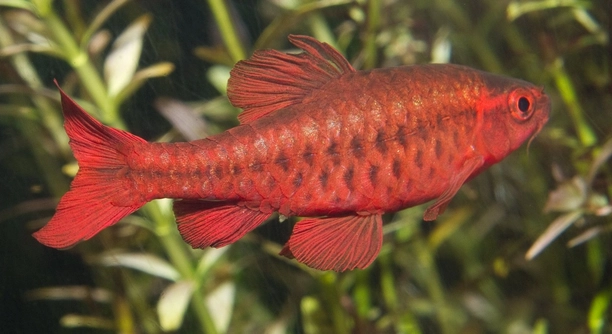
Cherry barbs are popular aquarium fish known for their lively colors and curious behaviors. One of their lesser-known traits involves how they interact with light in their environment. Understanding this behavior can help create a healthier and more enriching space for them.
Cherry barbs respond to light in various ways, including changes in their coloration, activity levels, and even their feeding patterns. They thrive in environments with balanced light, as it influences their social interactions and overall well-being.
By observing how light affects these little fish, you’ll gain insight into how you can optimize their tank environment. There’s much more to learn about how light influences their behavior and health.
The Impact of Light on Cherry Barbs’ Coloration
Cherry barbs are known for their vibrant red and orange hues, but their colors can change depending on the lighting in their tank. When exposed to brighter light, they often display more intense and vibrant colors. This is a natural response, as light triggers certain hormones in their body, enhancing their pigmentation. On the other hand, dim or low light tends to result in paler shades. Their colors may become duller, which can make them appear less lively in the tank.
Lighting is an essential factor for cherry barbs, and it’s important to provide a balance. A tank with too much light or too little can impact their color development and overall health. This is why understanding how to manage light levels is crucial.
One simple way to help maintain their vibrant color is by using a tank light that mimics natural daylight. If the lighting is too harsh, it may also cause stress. Cherry barbs, like many other fish, can become agitated under excessive lighting. This stress could lead to loss of appetite and a decline in their overall condition. Finding a balance is key to promoting the best appearance in these fish.
How Light Affects Cherry Barbs’ Feeding Behavior
Cherry barbs are more active and willing to feed when exposed to adequate light. In fact, the amount of light they receive influences their feeding patterns. In low-light settings, they may be less likely to come out of hiding to search for food.
The light in their environment can act as a signal, letting them know when it’s time to eat. They are often more responsive when the light is on, showing an eagerness to swim and explore. If the lighting is too dim, they may remain in darker corners of the tank, waiting for food to come to them. With proper lighting, they are more likely to be active and engaged during feeding time. This not only helps with their nutrition but also encourages natural behavior patterns.
How Light Affects Cherry Barbs’ Social Behavior
Cherry barbs are social creatures that tend to interact more when exposed to proper lighting. When the light is just right, they feel more comfortable engaging with each other. In low light, however, they may become more reserved and less likely to display their natural social behaviors.
Proper lighting encourages them to swim in groups, enhancing their social structure. In tanks with inconsistent or dim lighting, they often scatter and hide, reducing the chances of group interactions. This can lead to less visible, less active behaviors. In contrast, a tank with consistent, moderate lighting helps bring them together, allowing them to engage in activities like schooling or chasing one another. This social behavior is vital for their mental and physical well-being, as it replicates their natural habitat.
The Role of Light in Cherry Barbs’ Breeding Behavior
Light plays a significant role in the breeding behavior of cherry barbs. During their breeding season, brighter light conditions often stimulate increased activity and help trigger spawning behaviors. In a well-lit tank, they may display vibrant colors, signaling their readiness to breed.
When the light is dim or not properly adjusted, their breeding cycles can be delayed or even suppressed. This can affect their overall health and well-being. To encourage spawning, it’s important to simulate natural day-night cycles with adjustable lighting. The right light levels can create an environment that signals to the fish that it’s time to reproduce. Regular light changes—such as bright light during the day and dim lighting at night—can help trigger natural hormonal responses. This gives the fish a more predictable, comfortable environment to engage in breeding, which is beneficial for both the fish and their long-term health.
How Light Affects Cherry Barbs’ Activity Levels
Cherry barbs are more active when exposed to moderate light. They are likely to swim and explore their tank during the day when the light is on. In dim lighting, they tend to become more sluggish and spend more time hiding.
Proper lighting helps them maintain a natural circadian rhythm. With consistent light patterns, they are more likely to be energetic and interact with their environment. When the light is too intense, however, they may become stressed and less active. Striking the right balance is crucial for encouraging a healthy level of activity.
Cherry Barbs’ Response to UV Light
UV light can influence the health and appearance of cherry barbs. While it can help enhance their colors, too much UV exposure can lead to stress or skin damage. It’s important to regulate exposure.
Moderate UV light can benefit cherry barbs by promoting natural pigmentation and supporting their overall health. When carefully managed, it helps mimic their natural environment. However, prolonged exposure to strong UV rays can cause harm, affecting both their immune system and general behavior. Monitoring the amount of UV light they receive ensures their well-being.
Light and Cherry Barbs’ Stress Levels
Light intensity can directly impact the stress levels of cherry barbs. When exposed to harsh or fluctuating lighting, they may become anxious, which could lead to health problems. Maintaining a stable light environment can help reduce this stress.
FAQ
What is the best lighting for cherry barbs?
The best lighting for cherry barbs is moderate, mimicking natural daylight. A light with adjustable brightness allows you to create a day-night cycle in the tank, helping to regulate their behavior and health. Too much light can cause stress, while too little light can make them lethargic. A lighting setup with a timer to control day and night cycles can also help maintain a stable environment for them.
Can cherry barbs live in low-light conditions?
While cherry barbs can survive in low-light conditions, they will not thrive. Low light can cause them to become inactive and affect their coloration. It’s best to provide them with moderate lighting to encourage social behaviors, feeding, and overall health. Adequate light helps keep them active and vibrant.
Do cherry barbs need special lighting for breeding?
Yes, cherry barbs may benefit from brighter lighting during their breeding season. The right light can trigger hormonal changes and help them display vibrant colors, signaling readiness to breed. However, it’s important not to overwhelm them with too much light, as this can cause stress and affect their breeding success.
How long should I keep the light on for cherry barbs?
It’s recommended to keep the light on for 10 to 12 hours a day for cherry barbs. This mimics a natural day-night cycle, promoting healthy activity levels, feeding, and social behaviors. Ensure the light is off at night to help them rest properly. Consistency is key to maintaining a stable environment for your fish.
Can UV light affect cherry barbs?
UV light can positively affect cherry barbs by promoting healthy skin and vibrant coloration. However, excessive exposure to UV light can cause stress and damage to their skin. If you use UV lights, make sure to regulate their exposure to prevent potential harm. A balance between natural and artificial light sources works best.
Do cherry barbs get stressed from bright lights?
Yes, cherry barbs can become stressed from too much bright light. Excessive brightness may cause them to retreat to darker areas of the tank, reducing their activity and social interactions. To avoid stress, ensure the lighting is moderate and provide shaded areas where they can hide if they need a break from the light.
Can I use fluorescent lights for cherry barbs?
Fluorescent lights are suitable for cherry barbs as long as they mimic natural daylight. These lights are energy-efficient and can provide consistent illumination. However, you should avoid using lights that are too bright or too dim. If you use fluorescent lights, consider choosing one that enhances their natural colors without being overwhelming.
How does light affect cherry barbs’ feeding habits?
Cherry barbs tend to be more active and willing to feed when the light is on. Light signals them that it’s time to eat. In dim lighting, they may hide and be less interested in feeding. Proper lighting encourages them to swim actively and look for food, ensuring they receive proper nutrition.
What should I do if my cherry barbs’ colors are dull?
If your cherry barbs’ colors appear dull, it could be due to insufficient lighting or stress. Increase the light levels in the tank to promote better pigmentation, but avoid harsh lighting that could cause stress. Ensure they have a balanced diet and a comfortable environment to help them regain their vibrant colors.
How can I adjust lighting to improve cherry barbs’ behavior?
Adjusting the intensity and duration of light can have a significant impact on cherry barbs’ behavior. Providing a balanced, moderate light cycle will encourage active swimming and socializing. Avoid sudden changes in light intensity, as this can cause stress. Gradually adjust the light over time to find the ideal balance for their activity levels.
Can cherry barbs live with other fish in different lighting conditions?
Cherry barbs can live with other fish, but lighting needs may vary. Ensure that the lighting in the tank is suitable for all species. Some fish may prefer dimmer conditions, while others thrive under brighter light. By choosing compatible species and adjusting the lighting accordingly, you can create a harmonious environment for all your fish.
Should I use a light timer for cherry barbs?
Yes, using a light timer for cherry barbs is highly recommended. It helps maintain a consistent day-night cycle, which is essential for their health and well-being. A timer will automatically turn the lights on and off at the same time every day, promoting a regular routine that supports their natural behaviors and sleep cycles.
Are there any risks to keeping cherry barbs in direct sunlight?
While some sunlight is beneficial for cherry barbs, direct sunlight can cause the tank temperature to rise quickly, leading to stress and potential harm. It can also promote algae growth, which can negatively affect water quality. It’s better to place your tank in a location where it gets indirect natural light, avoiding harsh direct sunlight.
Do cherry barbs need a specific light spectrum?
Cherry barbs do not need a specific light spectrum, but they do benefit from lights that mimic natural daylight. A light spectrum with a color temperature between 6,500K and 10,000K is ideal for highlighting their colors and encouraging natural behavior. Avoid lights with too much red or blue spectrum, as they can cause stress or disrupt their natural rhythms.
Final Thoughts
Cherry barbs are fascinating fish that interact with light in various ways, influencing their behavior, health, and appearance. By understanding how light affects their colors, social habits, and overall well-being, aquarium owners can create a more suitable environment for them. While cherry barbs are relatively hardy, proper lighting plays a crucial role in keeping them active, vibrant, and healthy. A balanced light cycle, similar to natural daylight, helps regulate their day and night patterns, ensuring they thrive in your tank.
Managing the lighting for cherry barbs doesn’t have to be complicated. Moderate lighting is key to encouraging their best behavior and health. They need light that mimics the conditions of their natural habitat, allowing them to display their beautiful colors, interact with each other, and be more active throughout the day. By providing the right type of light, such as fluorescent lights that mimic natural sunlight, you can ensure your cherry barbs stay engaged and comfortable in their environment. Additionally, having a light timer can help maintain a consistent day-night cycle, promoting their natural routines.
Though cherry barbs can adapt to varying light conditions, too much or too little light can cause them stress or impact their activity levels. Keeping the light balanced not only enhances their appearance but also supports their breeding behavior and social interactions. Experimenting with different lighting setups will allow you to discover what works best for your cherry barbs. In the end, understanding how light impacts their daily life will help create a healthier, more vibrant tank, improving both their quality of life and your enjoyment of them.

Hello,
If you enjoy the content that we create, please consider saying a "Thank You!" by leaving a tip.
Every little bit helps us continue crafting quality advice that supports the health, happiness, and well-being of pets around the world, for pets of all shapes, sizes, and species.
We really appreciate the kindness and support that you show us!