
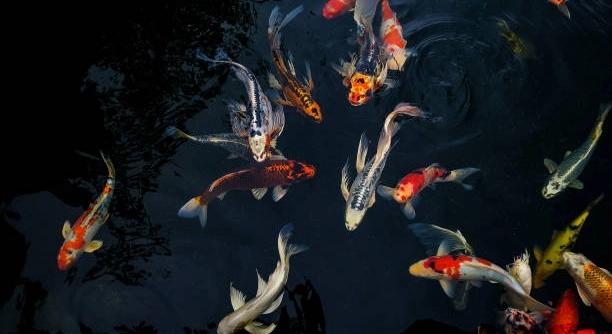
Koi fish are popular for their vibrant colors and calm presence in ponds. However, they can sometimes show unexpected aggressive behavior. Understanding the causes behind this aggression helps maintain a peaceful aquatic environment.
Koi fish aggression is often triggered by environmental stressors, overcrowding, changes in water quality, and competition for resources. Other factors include breeding behavior and health issues, which together influence social dynamics within koi populations.
Identifying these triggers is essential for managing koi behavior and ensuring a balanced pond ecosystem. Proper care and attention can reduce conflicts and support fish well-being.
Overcrowding and Limited Space
Koi fish require enough room to swim freely and establish territories. When a pond becomes overcrowded, competition for space increases, which can lead to stress and aggressive behavior. Each fish tries to defend its own area, causing frequent chasing and nipping. This tension can weaken their immune systems and make them more vulnerable to illness. Proper stocking levels are crucial to prevent these conflicts. It is important to consider the size of the pond and the number of koi when adding new fish. Regularly monitoring the population density helps maintain a peaceful environment. Overcrowding often occurs when koi grow faster than expected or when owners add more fish without expanding the pond. Taking timely action by relocating some fish or enlarging the pond reduces aggression and promotes healthier interactions.
Too many koi in a small space can cause constant stress and fights. Ensuring adequate room helps fish stay calm and healthy.
Addressing overcrowding often requires patience and planning. Reducing the number of koi or providing additional space can stop aggressive encounters. Maintaining proper pond size based on koi growth and quantity supports balanced behavior and long-term well-being. Fish with enough room tend to be less territorial and display calmer swimming patterns, which benefits the entire pond ecosystem.
Water Quality and Environmental Stress
Poor water quality significantly affects koi behavior. High ammonia, nitrite, or nitrate levels create an unhealthy environment that stresses fish. Sudden changes in temperature or pH also cause discomfort and irritability. Stress from these factors can trigger aggressive actions as koi compete for safer spots and oxygen-rich areas. Maintaining stable water parameters is essential. Regular testing and partial water changes help keep conditions optimal. Filtration systems must be efficient to remove waste and toxins. Koi are sensitive to environmental changes, so avoiding drastic shifts in water chemistry reduces the risk of aggression. Keeping water clean and balanced supports the natural social order within the pond and minimizes conflicts.
Koi respond quickly to poor water conditions by becoming restless and aggressive. Consistent care improves their behavior and health.
Water quality management requires attention to detail. Monitoring chemical levels, temperature, and oxygen helps prevent stress-induced aggression. Adequate aeration and biological filtration promote a stable environment. Creating a routine for pond maintenance ensures koi remain comfortable and less likely to engage in hostile behavior. A well-maintained habitat encourages peaceful coexistence and allows koi to thrive visibly and socially.
Competition for Food
Koi fish become aggressive when food is limited or unevenly distributed. They compete to get their share, often chasing or biting others to secure food. This behavior intensifies if feeding times are irregular or if some fish are slower to eat.
Unequal access to food can cause dominant koi to bully smaller or weaker ones. If food is given in one spot, aggressive fish often guard the area and prevent others from feeding. This results in stress and poor health for less aggressive fish. Distributing food in several places around the pond reduces competition and allows all koi to eat comfortably. Feeding smaller portions more frequently helps maintain balance and lowers aggressive encounters during mealtime.
Feeding behavior is a strong factor in koi aggression. Managing feeding schedules and locations ensures a calmer pond environment and supports the health of all fish.
Breeding Season Behavior
During breeding season, koi fish become more territorial and protective of their space. Males often chase and nip females to encourage spawning. This temporary increase in aggression is natural but can stress the fish.
The heightened activity during breeding involves more frequent chasing and displays of dominance. Some koi may show brighter colors and become more aggressive toward other fish. This behavior can lead to injuries if the pond lacks enough hiding spots or space for fish to escape. Providing plants or structures helps reduce stress and allows fish to avoid confrontations. Monitoring koi during this time and separating particularly aggressive individuals can prevent serious harm and maintain pond harmony. Breeding season aggression is typically short-lived and subsides once spawning ends.
Understanding these seasonal changes allows better management of koi behavior and keeps fish safer during their most active periods.
Introduction of New Fish
Adding new koi to an established pond often triggers aggression. Existing fish may see newcomers as threats to their territory or social status.
New fish need time to adjust. Gradual introduction and quarantine help reduce hostility and allow the group to settle peacefully.
Health Issues
Illness or injury can cause koi to act aggressively or become targets of aggression. Weak fish often struggle to defend themselves or may lash out due to discomfort.
Maintaining good health through proper diet, clean water, and regular observation helps prevent aggression linked to health problems. Prompt treatment of sick fish reduces stress for the entire pond.
Territorial Behavior
Koi establish territories within the pond and defend them vigorously. Limited hiding spaces or small ponds increase territorial disputes.
Providing adequate space and shelter reduces conflict by allowing fish to claim separate areas and avoid constant confrontation.
FAQ
What causes sudden aggression in koi fish?
Sudden aggression in koi is usually linked to changes in the environment. This could be due to new fish being added, shifts in water temperature, or poor water quality. Stress from these changes makes koi more defensive, causing them to chase or nip at others. Overcrowding or limited space can also trigger unexpected aggressive behavior. Monitoring these factors closely helps prevent sudden outbursts.
How can I reduce aggression during feeding time?
Aggression around feeding often happens when food is scarce or unevenly spread. To reduce fights, offer small amounts of food multiple times a day and spread it across several spots in the pond. This allows all koi to eat without competition. Using slow-sinking pellets can also help by giving fish more time to catch their share calmly.
Is aggressive behavior normal during breeding season?
Yes, aggression increases naturally during breeding season. Male koi chase and nip females to encourage spawning. This behavior can be intense but usually lasts only for a few weeks. Adding plants or hiding spaces in the pond helps reduce stress by giving fish places to escape if they feel threatened.
Can health problems cause koi aggression?
Illness or injury can make koi more aggressive or vulnerable to attacks. Sick fish may act irritably or become easy targets. Maintaining clean water, a balanced diet, and observing fish regularly helps catch health issues early. Treating problems quickly reduces stress and aggressive incidents.
How do I introduce new koi to an established pond?
Introduce new koi slowly by keeping them in a quarantine tank first. This prevents disease spread and lets new fish adjust without direct contact. Gradually release them into the pond, allowing existing fish time to get used to newcomers. Adding new fish during calm periods reduces territorial disputes.
What role does pond size play in koi aggression?
Small ponds often cause more aggression because fish feel crowded and compete for space. Koi need enough room to swim freely and set territories. Larger ponds with varied hiding spots help reduce conflicts by giving fish places to avoid each other. Proper stocking density is key to keeping peace.
Can changing water quality affect koi behavior?
Yes, poor water quality stresses koi and can increase aggression. High levels of ammonia, nitrites, or nitrates irritate fish, making them restless and defensive. Regular water testing and maintenance, including filtration and partial water changes, keep water safe and stable, which supports calmer behavior.
Why do some koi become dominant or bully others?
Dominance is part of koi social structure. Some fish naturally take on a leading role, often chasing others to claim food or space. This can be worse in overcrowded ponds or during breeding season. Providing enough food and space helps reduce bullying by balancing social interactions.
Are there ways to calm aggressive koi?
Improving pond conditions is the best way to calm aggressive koi. Ensure water quality is stable, provide enough space, and offer hiding spots. Feeding regularly and distributing food widely reduces competition. In some cases, separating very aggressive fish temporarily can prevent injuries.
How long does koi aggression last?
The duration of aggression depends on the cause. Breeding-related aggression usually lasts a few weeks. Aggression from overcrowding or poor water conditions can continue until those issues are fixed. Monitoring and addressing triggers promptly helps restore harmony more quickly.
Final thoughts on koi fish aggression highlight the importance of understanding the various triggers that can cause this behavior. Aggression among koi is not uncommon and often results from environmental, social, or health-related factors. Recognizing these causes allows for better management and care of the fish. Ensuring adequate space, proper feeding, and good water quality are essential steps to reduce conflicts. Providing a calm and balanced environment benefits the overall health and well-being of the koi, allowing them to live peacefully together.
Addressing koi aggression requires regular observation and maintenance. Keeping an eye on water parameters such as ammonia, nitrites, nitrates, pH, and temperature helps prevent stress that can lead to aggressive behavior. Watching how the fish interact can indicate if there are issues with overcrowding or if a particular fish is being bullied. Making adjustments early, like redistributing food or adding plants and hiding places, supports a more peaceful pond. In some cases, temporarily separating aggressive individuals may be necessary to protect others and prevent injury.
Ultimately, managing koi aggression is about creating an environment that meets their natural needs. This includes allowing enough space for swimming and establishing territories, maintaining clean and stable water, and understanding seasonal behaviors like breeding. When these factors are properly controlled, koi are less likely to display hostility and more likely to thrive. Patience and consistent care are key to fostering a healthy pond where koi can coexist without unnecessary stress or conflict.

Hello,
If you enjoy the content that we create, please consider saying a "Thank You!" by leaving a tip.
Every little bit helps us continue crafting quality advice that supports the health, happiness, and well-being of pets around the world, for pets of all shapes, sizes, and species.
We really appreciate the kindness and support that you show us!