
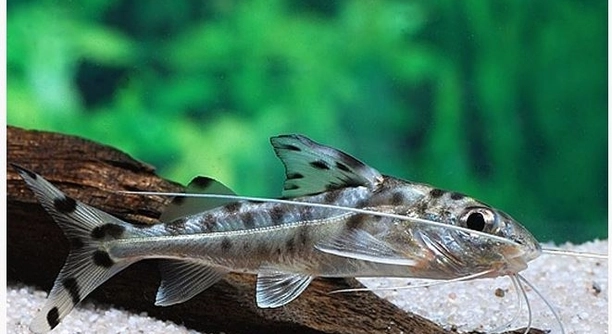
Pictus catfish are popular freshwater fish known for their active and social nature. Many aquarium owners want to create a calm environment for these fish to thrive. Understanding what soothes them can improve their well-being and overall health.
Several surprising factors help calm Pictus catfish, including dim lighting, gentle water flow, ample hiding spaces, compatible tank mates, consistent feeding schedules, soft substrate, and stable water parameters. Each element contributes to reducing stress and promoting natural behavior.
Learning about these calming influences can enhance your fishkeeping experience. Knowing how to create a peaceful habitat supports healthier, happier Pictus catfish.
Dim Lighting Creates a Calm Atmosphere
Pictus catfish are nocturnal by nature, so bright lights can cause them stress and make them hide more often. Using dim lighting in the tank mimics their natural environment and helps them feel secure. Many aquarium owners notice that their catfish become more active and show natural behaviors when the light is softer. Too much light may cause restlessness or skittishness. It’s best to avoid direct, harsh lighting and instead use subdued or indirect light sources. This setup allows the fish to explore their tank calmly, reducing stress levels and encouraging healthy activity. In a dimly lit tank, these catfish often come out more during feeding times and interact better with tank mates. Dimming the lights in the evening can also help establish a regular routine that the fish get used to, which adds to their overall sense of calm.
Soft, indirect light is ideal for keeping Pictus catfish relaxed and active.
Adjusting your tank lighting is an easy step that brings big benefits. By reducing brightness, you create a more natural and peaceful environment that closely resembles their native habitat. This change improves the catfish’s comfort and encourages more visible, healthy behaviors, making your tank more enjoyable to watch.
Gentle Water Flow Reduces Stress
Pictus catfish prefer slow to moderate water currents. Strong currents can tire them out and cause constant hiding. A gentle water flow helps maintain oxygen levels without overwhelming the fish. Using adjustable filters or adding flow deflectors can create a calm water environment. This allows the catfish to swim naturally without fighting the current. Observing your fish’s behavior after adjusting the flow can help you find the right balance. Calm water encourages exploration and reduces aggressive reactions. It’s important to regularly check and maintain the flow because water conditions affect stress levels directly.
Gentle water movement supports healthy and calm Pictus catfish.
Setting the correct water flow creates a more stable habitat. A gentle current simulates their natural river environment, helping catfish conserve energy. Strong flow forces them to work harder, which can increase stress and reduce their time spent feeding or resting. By keeping the flow steady and soft, you promote better health and reduce unwanted behaviors such as hiding or frantic swimming. This also benefits other fish in the tank by creating a more harmonious space. Overall, gentle water flow plays a key role in calming Pictus catfish and maintaining a balanced aquarium ecosystem.
Ample Hiding Spaces
Pictus catfish need plenty of hiding spots to feel safe and calm. Without secure areas, they become stressed and hide constantly. Providing caves, plants, and decorations gives them comfort and security.
Offering various hiding places mimics their natural habitat where they retreat from predators or rest. These spots reduce stress and encourage normal behaviors. Catfish often use these areas during the day and come out more when they feel safe. Decorations like driftwood and rock formations create natural shelters that blend well in the tank. Plants add both cover and improve water quality, which further helps the fish’s well-being. When catfish have enough hiding spaces, they show less fear and are more active during feeding times. It’s important to arrange the tank so these spaces are evenly spread and easy for the fish to access.
Hiding spaces are essential for the catfish’s comfort and stress reduction. They create a more balanced, secure environment, which positively affects the fish’s health and interaction with tank mates.
Compatible Tank Mates
Choosing peaceful tank mates is important for Pictus catfish to stay calm. Aggressive or overly active fish can cause stress and disrupt their behavior. Avoid large or territorial species.
Keeping compatible fish ensures a peaceful aquarium where Pictus catfish can thrive. Suitable tank mates include other peaceful bottom dwellers and small to medium-sized community fish that do not compete aggressively for food or space. Avoid overcrowding, which can increase stress and territorial disputes. When fish share a compatible environment, they reduce stress signals and behave more naturally. Properly chosen tank mates encourage social interaction without causing anxiety or fear. Observing fish interactions regularly helps identify any conflicts early and allows for adjustments if needed.
Maintaining calm tank dynamics benefits all fish, especially sensitive species like Pictus catfish. Selecting compatible companions improves their overall well-being and tank harmony.
Consistent Feeding Schedules
Pictus catfish respond well to regular feeding times. Irregular feeding can cause anxiety and stress in the fish. Keeping a consistent schedule helps them feel secure and comfortable.
A predictable feeding routine also encourages healthy digestion and activity. Feeding at the same times daily reduces competition and confusion among tank mates.
Soft Substrate Benefits
Using a soft substrate like sand protects the catfish’s sensitive barbels. Rough gravel can injure them and cause discomfort. A soft bottom lets them forage naturally without harm.
Soft substrates also help maintain water quality by trapping less debris, which creates a healthier environment for Pictus catfish.
Stable Water Parameters
Maintaining steady water temperature, pH, and cleanliness is crucial. Sudden changes can stress the catfish and weaken their immune system. Regular water testing helps catch issues early.
Stable water conditions promote calm behavior and support long-term health for Pictus catfish.
FAQ
How often should I feed my Pictus catfish?
Feeding your Pictus catfish once or twice a day is enough. Overfeeding can cause water quality problems, which stress the fish. Offer small amounts they can finish within a few minutes to avoid leftover food. Maintaining a consistent feeding schedule helps the fish feel secure and encourages regular activity.
What is the best temperature for Pictus catfish?
Pictus catfish thrive in temperatures between 74°F and 79°F (23°C to 26°C). Keeping the water within this range helps maintain their metabolism and immune health. Sudden temperature shifts can stress the fish, so a stable heater with a reliable thermostat is important.
Can Pictus catfish live with other fish?
Yes, Pictus catfish can live peacefully with other calm, non-aggressive species. Avoid large or territorial fish that may intimidate or harm them. Ideal tank mates include tetras, gouramis, and other community fish that share similar water requirements and temperaments.
Why does my Pictus catfish hide all the time?
Hiding is a natural behavior for Pictus catfish, especially during the day since they are nocturnal. However, excessive hiding might indicate stress, poor water quality, or lack of hiding spots. Check your tank setup and water conditions to ensure the fish feels safe and comfortable.
How much space do Pictus catfish need?
Pictus catfish are active swimmers and need a tank of at least 55 gallons for a small group. More space reduces stress and allows them to swim freely. Overcrowding can cause aggression and stress, so providing enough room is key to their well-being.
What kind of substrate should I use?
Soft substrates like sand are best for Pictus catfish because they have sensitive barbels. Rough gravel can cause damage and infections. A soft substrate also encourages natural foraging behavior and helps keep the tank environment cleaner.
How can I reduce stress in my Pictus catfish?
Stress can be lowered by providing dim lighting, gentle water flow, plenty of hiding places, and stable water parameters. A peaceful tank community and consistent feeding schedule also help. Reducing sudden changes in the environment is essential to keep them calm.
Why is my Pictus catfish not eating?
Loss of appetite can be caused by stress, poor water conditions, or illness. Ensure water quality is optimal and check for signs of disease. Offering a variety of foods like sinking pellets, frozen or live foods may stimulate feeding.
Do Pictus catfish need special filtration?
They do best with filters that provide good oxygenation but a gentle flow. Strong currents can tire them and cause stress. Using sponge filters or adjustable filters helps maintain calm water conditions.
Can Pictus catfish live alone?
While they can survive alone, Pictus catfish are social and prefer groups of at least three to five. Being in a group reduces stress and encourages natural behaviors like schooling and exploring together.
How often should I clean the tank?
Partial water changes of 20-30% every one to two weeks help maintain clean water and stable parameters. Avoid cleaning everything at once to preserve beneficial bacteria. Regular tank maintenance is key to the fish’s health and calmness.
What signs show my Pictus catfish is stressed?
Signs include hiding excessively, rapid breathing, loss of appetite, erratic swimming, or clamped fins. These behaviors suggest the fish is uncomfortable. Checking water quality, lighting, tank mates, and feeding can help address the issue quickly.
Are Pictus catfish nocturnal?
Yes, Pictus catfish are primarily nocturnal. They are more active during the night or in dim light. This natural behavior means they may rest or hide during the day, which is normal and part of their natural rhythm.
Can sudden changes in water parameters harm Pictus catfish?
Sudden changes in temperature, pH, or ammonia levels cause significant stress and weaken their immune system. Maintaining stable water conditions with regular testing helps prevent these harmful fluctuations.
What kind of plants are good for Pictus catfish tanks?
Hardy, low-light plants like Java fern, Anubias, and Amazon sword work well. These plants provide hiding spots and improve water quality without requiring intense lighting, fitting the catfish’s preference for dim environments.
How do I know if my Pictus catfish is healthy?
Healthy catfish show clear eyes, smooth barbels, steady breathing, and active swimming during their active hours. They eat regularly and do not show signs of injury or unusual behavior. Consistent care and a stable environment support good health.
Taking care of Pictus catfish means understanding what helps them feel calm and safe. These fish are naturally active but can get stressed easily if their environment is not right. Providing dim lighting, gentle water flow, plenty of hiding spots, and stable water conditions all help reduce stress and support their health. Feeding them regularly at set times also makes a big difference in how comfortable they feel. When these needs are met, Pictus catfish will be more active and show their natural behaviors, which makes keeping them much more rewarding.
Creating the right habitat for Pictus catfish involves paying attention to details. Soft substrates like sand protect their sensitive barbels and allow them to search for food safely. Choosing peaceful tank mates helps avoid conflicts that cause anxiety. The water should be kept clean and within the proper temperature and pH range to avoid sudden changes that can weaken their immune systems. Adding plants and decorations gives them places to hide and rest, making the tank a secure environment. These simple steps work together to promote a calm atmosphere where the fish can thrive.
It is important to remember that Pictus catfish have specific needs that may differ from other fish. Observing their behavior regularly can help spot signs of stress early. If they hide too much, refuse food, or act restless, it may be time to review their tank setup or water quality. Keeping a consistent routine and stable environment reduces the chance of problems. With patience and care, Pictus catfish can live healthy, peaceful lives in a home aquarium. This helps ensure they remain a pleasant and interesting addition to any freshwater tank.

Hello,
If you enjoy the content that we create, please consider saying a "Thank You!" by leaving a tip.
Every little bit helps us continue crafting quality advice that supports the health, happiness, and well-being of pets around the world, for pets of all shapes, sizes, and species.
We really appreciate the kindness and support that you show us!