
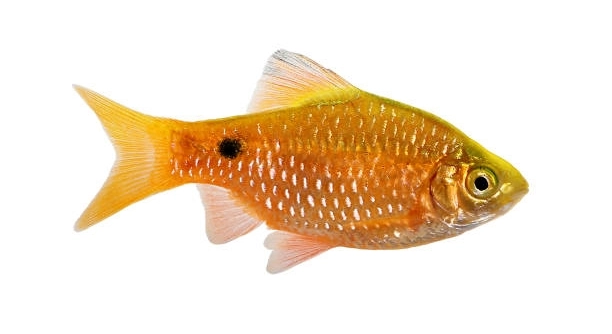
Rosy barbs are popular freshwater fish known for their vibrant colors and lively behavior. Many aquarium enthusiasts enjoy watching them swim and interact in community tanks. Understanding their eating habits can help maintain a healthy and balanced environment.
Rosy barbs nibble on a variety of foods including algae, plant matter, small insects, and even leftover fish flakes. Their diet is quite flexible, which allows them to adapt to different tank conditions and available food sources.
Knowing what rosy barbs like to nibble on can improve tank care and feeding routines. This information helps create a better habitat and supports the fish’s well-being in your aquarium.
Algae and Plant Matter
Rosy barbs often nibble on algae growing inside the tank. Algae provide a natural and nutritious snack for them, helping to keep their diet balanced. They also enjoy eating soft plant leaves or plant debris that floats in the water. This behavior helps control algae growth and keeps the tank cleaner. In planted tanks, they may occasionally nibble on some live plants, but usually, they avoid damaging healthy, strong plants. It is important to provide a variety of plants to support their grazing habits. Some aquarium owners notice their rosy barbs focusing on certain types of algae, which can be helpful to know when managing tank maintenance. Overall, algae and plant matter serve as essential parts of their daily feeding routine.
This nibbling on natural vegetation supports the fish’s health and contributes to a cleaner tank environment. It also offers mental stimulation for the rosy barbs.
Offering natural food sources like algae alongside prepared foods helps replicate the fish’s natural diet and encourages healthy behavior.
Small Insects and Larvae
Rosy barbs enjoy small insects and larvae that might fall into the water. In nature, this is a common part of their diet, and it provides them with protein and nutrients. In a tank setting, live or frozen insect larvae like bloodworms or daphnia can be added to mimic this natural feeding pattern. These foods are highly digestible and help promote growth and color vibrancy. Feeding small insects also encourages the fish to stay active and alert while foraging. While flakes and pellets cover basic nutritional needs, including live or frozen insects improves diet diversity. Regularly offering this type of food can prevent dietary deficiencies and keep rosy barbs energetic and healthy. This approach balances convenience and the fish’s natural preferences.
Leftover Fish Flakes
Leftover fish flakes often become a snack for rosy barbs. These fish quickly spot uneaten flakes and nibble on them before they settle at the tank bottom. This behavior helps reduce waste and keeps the tank cleaner.
Uneaten flakes can be a convenient food source, but they should not replace a balanced diet. Rosy barbs tend to enjoy flakes made from a mix of proteins and plant materials. Overfeeding with flakes can cause water quality issues, so careful feeding is important. It’s best to feed small amounts multiple times a day, ensuring that the fish consume the food before it sinks. This practice prevents flakes from accumulating and decomposing in the tank, which could harm water conditions.
In addition to flakes, it’s good to offer fresh or frozen food options. This variety provides different nutrients and keeps the rosy barbs interested during feeding times. Offering diverse food options supports their overall health and vibrant appearance.
Aquarium Decorations and Soft Materials
Rosy barbs sometimes nibble on soft aquarium decorations and materials. Items like foam, plastic plants, or soft silicone decorations may attract their curiosity. This nibbling is usually exploratory but can cause damage over time.
The nibbling on soft decorations is often linked to their natural grazing instincts. These fish are used to searching for food by mouthing various surfaces. In tanks without enough natural food or plant matter, they may turn to decorations as an alternative. While this behavior is generally harmless, some decorations may break down or release particles, which could affect water quality. To reduce this, it’s helpful to provide plenty of live plants or safe edible options. Observing the fish and adjusting their environment helps balance their needs and prevents excessive nibbling on tank items.
Tiny Crustaceans
Rosy barbs enjoy nibbling on tiny crustaceans like copepods and shrimp larvae. These small creatures provide essential nutrients and protein.
Including live or frozen crustaceans in their diet helps replicate their natural feeding habits. It also supports their growth and energy levels.
Detritus and Organic Debris
Rosy barbs often consume detritus and organic debris found at the tank bottom. This includes decomposing plant material and leftover food particles. Eating detritus helps keep the tank cleaner by reducing waste buildup. While detritus alone is not nutritious, it supplements their diet and encourages natural scavenging behavior.
Biofilm on Surfaces
Biofilm, a thin layer of bacteria and microorganisms, is another common nibble target for rosy barbs. This layer grows on tank surfaces and provides a natural food source rich in nutrients. Rosy barbs grazing on biofilm benefit from the extra nutrition while helping maintain tank hygiene.
What do rosy barbs eat in a home aquarium?
Rosy barbs thrive on a varied diet that includes flakes, pellets, live foods, and plant matter. In a home aquarium, they commonly eat high-quality fish flakes or pellets formulated for tropical fish. Supplementing with live or frozen foods like bloodworms, daphnia, or brine shrimp boosts their protein intake and supports healthy growth. Additionally, they nibble on algae and soft plants, which provides fiber and mimics their natural grazing behavior. Offering a mix of these foods helps maintain their energy and vibrant colors.
How often should I feed rosy barbs?
Feeding rosy barbs two to three times daily in small amounts is ideal. Overfeeding can pollute the tank and lead to health problems. It’s best to offer only what they can consume within two to three minutes each feeding. This prevents leftover food from decaying and harming water quality. Consistent feeding schedules help regulate their metabolism and keep them active.
Are rosy barbs aggressive toward other fish when feeding?
Rosy barbs can be moderately active feeders but usually are not aggressively competitive. They tend to swim quickly to grab food, which can appear pushy. However, they rarely bully smaller or slower tank mates. Feeding multiple spots in the tank helps reduce competition. Offering a variety of food types ensures all fish receive adequate nutrition.
Can rosy barbs survive on just flakes?
While flakes provide basic nutrition, relying solely on them is not recommended. Flakes often lack certain nutrients and variety needed for long-term health. Adding live or frozen foods along with plant-based snacks promotes balanced nutrition. Variety prevents dietary deficiencies and encourages natural feeding behavior, which supports overall vitality.
Why do rosy barbs nibble on plants and decorations?
Nibbling on plants and soft decorations often stems from their natural foraging instincts. If their diet lacks variety or plant matter, they might explore tank items as potential food. Soft or artificial plants may attract their attention more than hardier species. Providing live plants, algae, and suitable snacks reduces this behavior and keeps decorations intact.
Is it harmful if rosy barbs nibble on aquarium decorations?
Occasional nibbling on soft decorations is usually harmless, but persistent chewing can cause damage. Some materials may degrade or release particles into the water, affecting quality. It’s important to choose decorations designed for aquariums and monitor fish behavior. Increasing natural food sources reduces the need to explore non-food items.
Do rosy barbs need live food for optimal health?
Live food is beneficial but not strictly necessary if a varied diet is provided. It adds essential nutrients, promotes natural hunting behavior, and enhances coloration. Live foods like daphnia or bloodworms can be offered occasionally to supplement flakes and pellets. Frozen or freeze-dried alternatives are good substitutes if live food is not available.
How can I prevent overfeeding rosy barbs?
To avoid overfeeding, feed small portions that the fish finish quickly and remove uneaten food promptly. Using a feeding ring or feeding in multiple small doses helps control intake. Regular tank maintenance and water testing can detect early signs of overfeeding problems like algae blooms or poor water quality.
What signs show that rosy barbs are not getting enough food?
If rosy barbs appear thin, lose color, or show decreased activity, they may be underfed. They might also become more aggressive in seeking food or nip more at plants and decorations. Ensuring a balanced diet and proper feeding schedule helps prevent nutritional deficiencies.
Can rosy barbs eat frozen or freeze-dried foods?
Yes, frozen and freeze-dried foods are excellent supplements. They retain nutrients well and offer convenience. Thaw frozen foods properly before feeding to avoid digestive issues. Freeze-dried options like bloodworms or brine shrimp can be soaked in tank water to soften them for easier consumption.
How important is plant matter in a rosy barb’s diet?
Plant matter is a valuable part of their diet. It provides fiber and essential vitamins while supporting natural grazing behavior. Including algae wafers, spirulina flakes, or live plants encourages nibbling and improves digestion. A diet that mixes protein with plant material promotes balanced health.
What role does biofilm play in a rosy barb’s feeding habits?
Biofilm is a natural source of nutrition made up of bacteria and microorganisms growing on surfaces. Rosy barbs nibble on it instinctively, gaining extra nutrients and helping to clean the tank. Supporting biofilm growth with gentle water flow and live plants creates a healthier environment and a natural food source.
Rosy barbs are adaptable fish that enjoy a variety of foods in their diet. They naturally nibble on algae, small insects, leftover flakes, and plant matter. This variety helps keep them healthy and active. Providing different types of food, including live, frozen, or prepared options, supports their nutritional needs. A balanced diet helps them grow well and keeps their colors bright. Knowing what they like to nibble on can improve feeding routines and tank care. It also makes it easier to create an environment where they feel comfortable and can thrive.
Feeding rosy barbs the right amount is important. Overfeeding can cause water quality problems and make the fish unhealthy. It’s best to feed small portions several times a day and remove any uneaten food quickly. This keeps the tank clean and reduces the risk of illness. Also, offering natural food sources like algae or small crustaceans helps meet their natural grazing behavior. When their diet includes a mix of plant matter, proteins, and prepared foods, they stay energetic and happy. Watching their behavior during feeding can help you adjust the amount and types of food.
Taking care of a tank with rosy barbs means paying attention to their nibbling habits. They may chew on soft decorations or plants if their diet lacks variety, so providing enough natural food reduces this behavior. Keeping live plants and cleaning the tank regularly helps maintain a healthy environment. The fish’s nibbling on algae and biofilm also contributes to tank cleanliness. Overall, understanding these feeding patterns helps create a balanced and enjoyable aquarium. It ensures that rosy barbs remain lively, healthy, and visually appealing.

Hello,
If you enjoy the content that we create, please consider saying a "Thank You!" by leaving a tip.
Every little bit helps us continue crafting quality advice that supports the health, happiness, and well-being of pets around the world, for pets of all shapes, sizes, and species.
We really appreciate the kindness and support that you show us!