
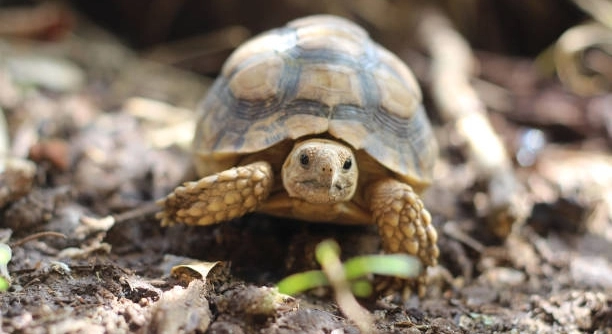
Are your turtles more than just a backyard pet? Box turtles, often seen casually in gardens or parks, display fascinating social behaviors. Their interactions and patterns reveal a world of complexity beneath their shell. Understanding these behaviors sheds light on their intelligence and social dynamics.
Box turtles, surprisingly, have intricate social lives. They exhibit a range of behaviors from territorial disputes to communal nesting. Their communication, though subtle, plays a significant role in their interactions. Observing these behaviors offers insight into their natural instincts.
Box turtles display unique social behaviors, from territorial defense to cooperative foraging, highlighting their adaptability and intelligence. These behaviors reflect their need for both solitude and social interaction within their habitats. Learning more about these interactions enriches our understanding of their ecology.
Simple actions like these bring awareness to the hidden complexities of box turtle life, creating a deeper appreciation for these shelled creatures.
Box Turtles and Their Territorial Behavior
Box turtles are known to be territorial creatures, often marking their space with scent glands. They can become highly protective of their home areas, and males especially show signs of aggression when defending territory. This territorial behavior is most noticeable during mating seasons, where competition is fierce. They use visual signals, such as head bobbing and posturing, to communicate their dominance. Even outside of breeding periods, box turtles may engage in low-level conflict to protect their spaces.
Despite their calm appearance, box turtles take their personal boundaries seriously. These actions are meant to ensure their survival and reproduction. By maintaining control over a certain area, they can secure food and shelter, increasing their chances of thriving.
Over time, this territorial instinct has become ingrained in their behavior. They rely on familiar surroundings, and venturing too far from their home base can lead to stress. Understanding how box turtles establish and defend their territory helps in providing them with a stable environment.
Box Turtles and Socializing
Box turtles are not entirely solitary creatures. They occasionally interact with others, especially during breeding seasons. These interactions are brief but essential for their reproduction.
During mating, males approach females with specific courtship behaviors, which may involve circling or nipping at their shells. These interactions are crucial for their continued existence.
Courtship and Mating Behavior
During the breeding season, male box turtles exhibit distinct courtship rituals to attract females. These behaviors can include head bobbing, circling, and even touching the female’s shell. The male’s goal is to demonstrate his strength and suitability as a mate. Females often show little interest until they are ready to mate.
Mating typically takes place in the spring and early summer. The male will attempt to mount the female, and if successful, copulation occurs. These behaviors are not only part of the reproductive process but also crucial for ensuring the continuation of their species. After mating, females go off on their own to lay eggs in secluded areas.
While male turtles may continue to exhibit courtship behavior after mating, females focus more on finding the ideal location to lay eggs. They seek out soft, sandy soil or grassy areas that provide the proper environment for egg development. These interactions play an important role in the box turtle’s lifecycle.
Social Interaction and Hierarchy
Box turtles are generally solitary but will engage in social interactions when necessary. These interactions are often seen during mating, but they can also occur when turtles cross paths while foraging. There is a subtle hierarchy among turtles, with larger or more dominant individuals claiming prime spots for food and shelter.
Despite their solitary nature, box turtles do not avoid one another entirely. They may tolerate the presence of other turtles, especially if they are not in direct competition for resources. However, they will establish dominance through non-aggressive displays such as head bobbing or shell positioning. This helps prevent physical confrontations while maintaining their territory.
Turtles that live near one another will sometimes share spaces and food sources. While it may seem like an odd display of social cooperation, it’s simply a reflection of their need to survive in an often challenging environment. Box turtles adapt their social behavior depending on the resources available and the presence of other turtles in the area.
Nesting and Egg Laying Behavior
Box turtles are known to be very particular about choosing the right spot for laying eggs. Females often seek out soft, well-drained soil in secluded areas. This helps ensure the eggs have the proper environment for incubation. They may travel considerable distances to find an ideal nesting site.
Once the female selects a location, she digs a hole, deposits her eggs, and covers them carefully with soil. The eggs are left to incubate on their own. Turtles do not protect their eggs or stay near the nesting site. After laying, they leave, relying on the warmth of the soil to incubate their eggs.
This process highlights the instinctual need for the turtles to ensure their offspring’s survival. The eggs are vulnerable to predation, but the location often provides enough camouflage for them to remain safe during the incubation period.
Foraging and Feeding Behavior
Box turtles are omnivores and have a varied diet that consists of plants, insects, and small animals. They are opportunistic feeders, taking whatever food they come across in their environment. Their diet can include everything from berries and leaves to worms, slugs, and small amphibians.
This foraging behavior is essential for their survival, especially in the wild. Box turtles are known to search for food in areas with dense vegetation, which provides both shelter and food sources. Their slow and methodical movements allow them to carefully assess their environment before making a meal choice.
Their feeding habits are adapted to their slow metabolism, meaning they don’t need to eat frequently but prefer to take their time foraging when food is available.
Interactions with Humans
Box turtles can tolerate human presence, but they are not particularly social with people. Many will retreat into their shells at the sight of a human, using their protective nature as a defense mechanism. Some may become more accustomed to humans if they are handled regularly, but this is not typical behavior.
Despite this, humans can play a significant role in the conservation of box turtles. By protecting their natural habitats and avoiding disturbing them, people can help ensure the species’ continued survival. Box turtles, while not social creatures, still benefit from human awareness and conservation efforts.
FAQ
How long do box turtles live?
Box turtles have a long lifespan, often living for several decades. In the wild, they can live anywhere from 40 to 100 years. Their longevity depends on factors like habitat quality, food availability, and the absence of predators. In captivity, with proper care, box turtles may live even longer, with some reaching ages well over 50 years. The slow growth and long maturation process of box turtles contribute to their extended lifespan.
Do box turtles need a companion?
Box turtles are solitary animals and do not require companions to thrive. They tend to prefer living alone, especially as adults. In the wild, they only interact with other turtles for mating or occasional foraging. While some turtles may tolerate others, they don’t form social bonds in the way that some other species do. It’s important to note that introducing multiple box turtles into the same environment can sometimes lead to territorial conflicts, especially if resources are scarce.
What do box turtles eat?
Box turtles are omnivores, which means they eat both plant and animal matter. Their diet includes a variety of foods like leafy greens, berries, mushrooms, flowers, insects, and small amphibians. They may also consume small fish or even dead animals if they come across them. In captivity, it’s essential to provide a balanced diet that mimics what they would find in the wild. This can include a mix of fresh vegetables, fruits, and protein sources like worms or crickets.
How do box turtles communicate with each other?
Box turtles communicate primarily through visual signals and body language. When one turtle feels threatened, it may retreat into its shell or display defensive postures. Males may also engage in head-bobbing or circling behavior to assert dominance over other males, particularly during the mating season. These non-verbal cues are the main way turtles establish territory and interact with each other, as they lack vocal cords and don’t produce sounds for communication.
Are box turtles endangered?
In some regions, box turtles are considered endangered or threatened. Over the years, habitat destruction, poaching, and the pet trade have contributed to the decline of their populations. Additionally, road mortality is a significant risk to box turtles, as they often wander into roads during their search for food or mates. Efforts are being made to protect their habitats, prevent illegal trade, and educate the public about the importance of conservation to help ensure their survival.
Can box turtles live in a tank?
Yes, box turtles can live in a tank, but it must be large enough to accommodate their needs. A proper enclosure should provide enough space for them to roam and explore. It should also mimic their natural habitat, offering areas for basking, hiding, and soaking in water. The tank should be kept at a suitable temperature with proper humidity levels, and the substrate should be easy for them to dig into for nesting. A UVB light source is necessary to help with their shell growth and overall health.
How do I care for a box turtle?
Caring for a box turtle involves providing a safe and comfortable environment. Ensure the tank is large enough for them to move around, with areas for basking, hiding, and digging. Box turtles need a source of UVB light to help with calcium absorption and shell health. A shallow water dish should be provided for soaking. Their diet should consist of a variety of fruits, vegetables, and protein sources like insects. Regular cleaning of the tank and maintaining the correct temperature and humidity are essential to their well-being.
Can box turtles swim?
Box turtles can swim but are not as skilled in the water as aquatic turtles. They enjoy soaking in shallow water and may swim short distances to find food or escape danger. However, they are not built for continuous swimming like other species of turtles. It’s important to provide a shallow water area in their habitat for them to enjoy without risking drowning, as they can become tired if they cannot find land to rest on.
How can I tell if my box turtle is male or female?
It can be challenging to tell the difference between a male and a female box turtle, especially when they are young. In general, males tend to have a slightly concave plastron (the underside of their shell) to help with mating. They also usually have longer tails and may display more vibrant colors. Females, on the other hand, typically have flatter plastrons and shorter tails. As box turtles age, these differences become more noticeable, especially during the breeding season.
What temperature should my box turtle’s habitat be?
Box turtles thrive in temperatures between 75°F and 85°F during the day. They need a basking spot that reaches temperatures between 90°F and 95°F to help them regulate their body temperature. At night, the temperature can drop to around 70°F, but it should never fall below 60°F. Providing a heat source, like a heat lamp, is essential for keeping them warm and active. Always monitor the temperature in their habitat to ensure they are comfortable and healthy.
Can I take my box turtle outside?
Box turtles can enjoy outdoor time, provided the environment is safe and controlled. If you have a secure, enclosed outdoor space, you can allow your turtle to explore for short periods, especially during warm weather. Make sure the area is free from predators, such as dogs or other animals that might harm them. Always supervise your turtle when outside to prevent it from wandering off or getting injured. Also, be cautious of extreme temperatures and ensure there is plenty of shelter and access to food.
How do I know if my box turtle is healthy?
A healthy box turtle will have clear eyes, a clean, smooth shell, and an active, alert demeanor. It should move around its enclosure regularly and eat well. If a turtle is lethargic, has discharge from its eyes or nose, or shows signs of shell damage, these may be signs of illness. Pay attention to their behavior and appearance to detect any issues early. Regular veterinary checkups are recommended to ensure your turtle stays in good health.
Can box turtles live together in the same enclosure?
Box turtles are territorial and may not always get along with others. While it is possible to house them together, it requires careful consideration. You’ll need a large enough enclosure with plenty of resources, such as food, hiding spots, and basking areas, to reduce competition. Be prepared for potential conflicts, especially if there are multiple males. It’s often safer to house box turtles alone to avoid stress and territorial disputes.
Box turtles are fascinating creatures with unique social behaviors that set them apart from other animals. While they are generally solitary, their interactions with each other, especially during mating, show that they do have social structures. Understanding these behaviors gives us insight into their natural instincts and how they navigate the world around them. From territorial defense to courtship rituals, box turtles exhibit behaviors that help them survive and thrive in their environments.
Caring for box turtles, whether in the wild or as pets, requires attention to their specific needs. Providing them with a suitable habitat that includes the right temperature, space, and food sources is essential for their health. Since they are slow-moving creatures, they don’t need to eat as often as other animals, but offering a varied diet will ensure they stay healthy. It’s also important to consider their natural behaviors, like their need for privacy and space, when setting up their living environment.
The future of box turtles relies on the conservation of their habitats and awareness of their needs. As human activity continues to impact their environments, it’s crucial that we take steps to protect these creatures. This includes preserving their natural habitats, reducing the impact of roads, and educating the public about their role in the ecosystem. By doing so, we can help ensure that box turtles remain a part of our natural world for generations to come.

Hello,
If you enjoy the content that we create, please consider saying a "Thank You!" by leaving a tip.
Every little bit helps us continue crafting quality advice that supports the health, happiness, and well-being of pets around the world, for pets of all shapes, sizes, and species.
We really appreciate the kindness and support that you show us!