
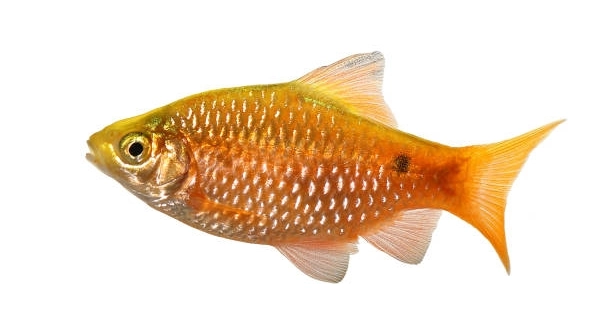
Rosy barbs are popular aquarium fish known for their bright colors and lively behavior. Many fish owners notice these fish often hide, sometimes without a clear reason. Understanding why they do this can improve their care and wellbeing.
Rosy barbs hide due to various environmental and social factors including stress, poor water quality, presence of aggressive tank mates, lack of adequate hiding spots, sudden changes in lighting or temperature, illness, and breeding behavior. These reasons impact their comfort and safety in the aquarium.
Learning about these causes can help fish owners create a better environment for their rosy barbs. Knowing what triggers hiding behavior allows for timely adjustments and a healthier tank overall.
Stress and Rosy Barbs’ Hiding Habits
Stress is one of the main reasons rosy barbs choose to hide. When fish feel threatened or uncomfortable, their natural reaction is to find a safe spot. Stress can come from many sources, like sudden changes in their environment or loud noises near the tank. Even frequent tapping on the glass or overcrowding with other fish can make them nervous. When stressed, rosy barbs may lose their bright colors and become less active. It’s important to keep their tank calm and stable to help them feel secure. Providing enough space and minimizing disturbances can reduce stress. Observing their behavior closely can reveal early signs of discomfort. Reducing stress not only keeps the fish happy but also helps prevent illness. Simple changes in the tank environment often lead to a big improvement in their willingness to swim openly again.
Stress causes rosy barbs to hide by making them feel unsafe or overwhelmed in their environment. Reducing stress helps improve their activity and appearance.
By creating a calm, stable tank and avoiding sudden changes, you can help rosy barbs feel secure. Adding plants and decorations for hiding spots is also helpful. Monitoring tank conditions, such as water quality and temperature, reduces stress triggers. If new fish are added, introducing them slowly and carefully helps avoid conflicts. Ensuring all fish have enough space minimizes competition and bullying. Maintaining a consistent feeding schedule and avoiding loud noises near the tank contribute to their comfort. When stress is managed, rosy barbs are more likely to swim freely and display their natural colors. Knowing how to spot stress signs early allows you to act before hiding becomes a frequent behavior. A peaceful environment is key to keeping these lively fish happy and healthy.
Water Quality and Its Effects on Hiding
Poor water quality directly impacts how rosy barbs behave. Dirty water or wrong chemical levels cause discomfort, making hiding a common response.
Maintaining clean, well-balanced water is essential. Regular water changes and testing help keep conditions ideal. Fish rely on good water to stay healthy and active, so monitoring parameters like pH, ammonia, and nitrate is important. Dirty or toxic water stresses the fish and forces them to seek shelter more often. Using a reliable filtration system and avoiding overfeeding can prevent water problems. Clean water encourages natural behavior and vibrant colors. Keeping the tank clean also reduces the risk of diseases that make rosy barbs more likely to hide. Checking water quality regularly is one of the easiest ways to improve your fish’s comfort and reduce hiding tendencies.
Tank Mates and Social Behavior
Rosy barbs may hide when they feel threatened by other fish in the tank. Aggressive or overly active tank mates can cause stress and fear.
Some fish are naturally more territorial or aggressive, which makes peaceful species like rosy barbs retreat into hiding. It’s important to choose compatible tank mates to avoid constant stress. If aggressive fish are present, shy fish will spend more time hiding to protect themselves. This behavior can affect their health and growth if prolonged. Observing interactions between fish helps identify issues early. Sometimes, separating aggressive fish or providing more hiding spots can restore peace.
Grouping rosy barbs with calm, non-aggressive fish encourages socializing and reduces hiding. Overcrowding also worsens stress and can lead to bullying. Ensuring enough space and selecting peaceful companions helps keep rosy barbs active and comfortable. Adding plants and decorations offers hiding places that support natural behaviors without forcing constant retreat.
Lighting and Hiding
Bright or sudden changes in lighting often cause rosy barbs to seek shelter. These fish prefer moderate lighting and stable conditions.
Strong light can stress rosy barbs, especially if they have no shaded areas in the tank. Sudden shifts from darkness to bright light or vice versa startle them, prompting hiding. Providing plants or decorations creates shaded spots that help fish feel safe. Using adjustable or dimmable lights allows better control over the environment. Gradual changes in light, like mimicking natural sunrise and sunset, reduce stress and hiding behavior. Lighting should be balanced to support plant growth without overwhelming the fish. Proper lighting makes the tank more comfortable and keeps rosy barbs visible and active.
Illness and Hiding
When rosy barbs are sick, they often hide more than usual. Hiding is a natural way for them to conserve energy and avoid danger.
Illness can make fish weak or uncomfortable, so they retreat to quiet, hidden spots. Watching for other signs like loss of appetite or unusual swimming can help catch problems early.
Breeding Behavior
During breeding, rosy barbs may hide to prepare nests or avoid aggressive mates. This behavior is temporary and part of their natural cycle. Providing secluded areas in the tank supports their comfort during this time.
Lack of Hiding Spots
If the tank has few places to hide, rosy barbs may feel exposed and stressed. Adding plants, rocks, or decorations creates safe spaces and encourages natural behavior.
Why do rosy barbs hide all the time?
Rosy barbs hide frequently when they feel unsafe or stressed. Common reasons include poor water quality, aggressive tank mates, lack of hiding places, or sudden changes in their environment. Continuous hiding is a sign they are uncomfortable or possibly unwell. Creating a calm, clean tank with enough space and shelter reduces hiding.
How can I tell if my rosy barb is hiding because of illness?
Illness often causes shy behavior, but look for other signs like faded color, loss of appetite, slow movement, or unusual swimming patterns. If your fish hides and shows these symptoms, it may be sick. Testing water parameters and consulting a vet or experienced aquarist can help diagnose the issue early.
Are rosy barbs shy fish by nature?
Rosy barbs are moderately active and social fish. They are not naturally shy but may hide when stressed or threatened. Proper tank conditions, compatible tank mates, and enough hiding spots encourage them to swim openly and show their colors.
Can tank size affect how much rosy barbs hide?
Yes. Small or overcrowded tanks increase stress and competition, causing more hiding. Rosy barbs need enough space to swim and establish territories. A tank size of at least 20 gallons for a small group helps reduce hiding by giving them room to feel safe.
Do rosy barbs hide more at night?
Like many fish, rosy barbs rest at night and may hide more during this time. They prefer dimmer light and quiet surroundings when sleeping. Providing plants and decorations helps them feel secure during their rest period.
Will adding plants reduce hiding behavior?
Yes. Live or artificial plants create natural hiding spots and reduce stress. Plants also help maintain water quality and simulate a more natural environment. This encourages rosy barbs to feel secure and reduces excessive hiding.
How does lighting impact rosy barbs’ hiding?
Too bright or sudden changes in lighting cause stress and hiding. Rosy barbs prefer moderate, stable lighting. Using adjustable lights or placing the tank away from direct sunlight can improve comfort and reduce hiding.
What should I do if aggressive fish cause my rosy barbs to hide?
If tank mates are aggressive, consider separating the fish or moving the rosy barbs to a calmer tank. Adding more hiding spots and increasing tank size can also help reduce stress and hiding caused by aggression.
Can feeding schedule affect hiding behavior?
Inconsistent feeding times may stress rosy barbs and increase hiding. Regular, balanced feeding helps maintain their health and encourages natural activity. Feeding small amounts multiple times a day works best for most aquarium fish.
Is it normal for rosy barbs to hide during breeding?
Yes. Rosy barbs hide during breeding to protect themselves and their eggs. Providing secluded areas or spawning mops gives them a safe space during this period. This hiding behavior is temporary and part of their natural reproduction cycle.
How often should I clean the tank to reduce hiding?
Regular maintenance, including partial water changes every one to two weeks, keeps water quality high. Good filtration and avoiding overfeeding prevent toxic buildup. Clean water reduces stress and helps rosy barbs feel secure enough to swim openly rather than hide.
Can changes in temperature cause rosy barbs to hide?
Sudden or extreme temperature changes stress fish and lead to hiding. Rosy barbs thrive in stable temperatures around 64-72°F (18-22°C). Using a heater and thermometer ensures consistent conditions and reduces stress-related hiding.
What are signs that my rosy barb’s hiding is a serious problem?
If hiding is constant, combined with loss of appetite, color fading, or erratic swimming, it signals a serious issue. Illness, poor water conditions, or severe stress may be the cause. Immediate action to check water and environment or seek advice is necessary.
Can adding more rosy barbs reduce hiding?
Rosy barbs are schooling fish and feel safer in groups of at least five. A larger group can reduce hiding by promoting social interaction and confidence. However, the tank must be large enough to support the group comfortably.
Are there any tank decorations that help reduce hiding?
Decorations that create natural shelters like caves, rocks, and plants help rosy barbs feel secure. Avoid overcrowding the tank with too many decorations, as this can limit swimming space and increase stress instead. Balance is key.
Is hiding behavior permanent or temporary?
Hiding is usually temporary, caused by specific factors like stress, illness, or environmental changes. Once conditions improve, rosy barbs typically become more active and visible again. Persistent hiding, however, should be addressed promptly.
How does water pH affect rosy barbs’ behavior?
Rosy barbs prefer slightly acidic to neutral pH levels around 6.5 to 7.5. If pH is too high or low, it stresses the fish, causing hiding and other abnormal behaviors. Regular testing and adjusting water chemistry keep them comfortable.
Can sudden noise or vibrations cause hiding?
Yes. Loud noises, sudden vibrations, or frequent tapping on the tank glass frighten rosy barbs and trigger hiding. Keeping the tank in a quiet, stable location reduces stress and encourages natural behavior.
How long does it take for rosy barbs to stop hiding after changes?
Adjustment time varies but generally takes a few days to a week after improving conditions. Consistency in water quality, lighting, and tank mates speeds up recovery and reduces hiding. Patience and observation are important.
What is the best way to encourage rosy barbs to swim openly?
Maintaining clean water, proper tank mates, stable lighting, and plenty of hiding spots creates a comfortable environment. Regular feeding and minimal disturbances help rosy barbs feel safe enough to explore the whole tank.
Can medications cause rosy barbs to hide more?
Some medications may cause stress or discomfort, leading to increased hiding. Always follow dosage instructions carefully and monitor your fish closely when treating illness. If hiding increases dramatically, consult a specialist.
Rosy barbs are lively fish that bring color and movement to any aquarium. When they start hiding often, it usually means something in their environment is not quite right. Stress, poor water quality, aggressive tank mates, or sudden changes in lighting or temperature can all make these fish feel unsafe. Even illness or breeding behavior can cause hiding. Understanding the reasons behind this behavior helps fish owners create a better space for their rosy barbs. It is important to watch your fish closely and notice any changes in how they act. By paying attention to their needs, you can help them feel more comfortable and enjoy a healthier life.
Taking care of rosy barbs means maintaining a stable and clean tank environment. Regular water changes, proper filtration, and monitoring water parameters like pH, ammonia, and nitrate are essential. Providing enough room and compatible tank mates also plays a big role in how confident your fish feel. Hiding spots created by plants, rocks, or decorations give the fish safe places to retreat when needed. However, too many hiding places can sometimes make them stay hidden too much. Finding the right balance is key. Small changes in tank setup or daily routine can make a big difference in reducing hiding behavior and improving the fish’s overall wellbeing.
It is natural for rosy barbs to hide at times, especially during rest or breeding. But constant hiding may signal a problem that needs attention. Keeping the tank peaceful, stable, and clean will help your fish feel secure. When their environment supports their needs, rosy barbs will be more active and show off their bright colors. Patience and care go a long way in building trust between you and your fish. By understanding what causes hiding and making thoughtful changes, you create a healthy space where rosy barbs can thrive. This leads to a more enjoyable and rewarding aquarium experience for both you and your fish.

Hello,
If you enjoy the content that we create, please consider saying a "Thank You!" by leaving a tip.
Every little bit helps us continue crafting quality advice that supports the health, happiness, and well-being of pets around the world, for pets of all shapes, sizes, and species.
We really appreciate the kindness and support that you show us!