
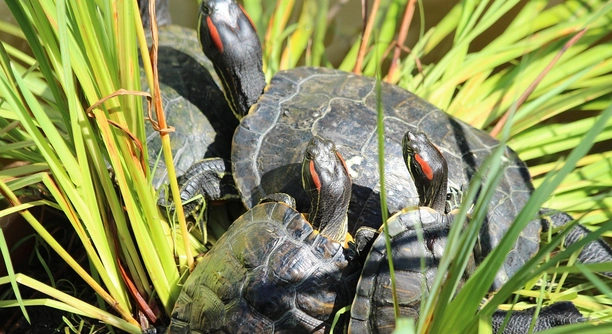
Red-eared sliders are one of the most popular pet turtles, yet many myths about them persist. These misconceptions can lead to confusion and improper care. Understanding the truth behind these myths is essential for their well-being.
Many myths about red-eared sliders, including their lifespan, diet, and care requirements, are not based on scientific evidence. Debunking these myths helps provide accurate information and ensures that red-eared sliders receive proper care and attention.
From their surprising dietary needs to common misconceptions about their size, uncover the truth about these fascinating turtles to give them the best life possible.
Myth 1: Red-Eared Sliders Stay Small
Red-eared sliders are often believed to remain small, but this is far from the truth. These turtles can grow up to 12 inches in length, depending on their environment and care. Many people mistakenly think they can thrive in small tanks, leading to improper housing. Adequate space is essential for their health and comfort. Providing a large tank, proper lighting, and a balanced diet ensures their growth and well-being. Their size directly impacts their behavior and activity levels, which are important factors in their care.
These turtles require a tank of at least 75 gallons as they grow. A larger space allows them to swim, bask, and stay active.
Understanding their growth potential can help you prepare for their long-term care. Investing in the right setup early on will save time and ensure your red-eared slider has a comfortable home for years to come.
Myth 2: They Can Eat Anything
While red-eared sliders are opportunistic feeders, their diet needs to be carefully balanced. Feeding them inappropriate foods can lead to health problems, such as vitamin deficiencies or obesity.
A proper diet for red-eared sliders includes commercial turtle pellets, leafy greens, and occasional protein sources like insects or small fish. Their nutritional needs vary with age; juveniles require more protein, while adults benefit from a plant-based diet. Avoid feeding them foods like bread, processed meats, or sugary treats, as these can harm their health.
Ensuring a variety of fresh, nutrient-dense foods in their diet promotes optimal health and longevity. Always research appropriate food options to meet their specific dietary needs. Providing the right nutrition is key to keeping your red-eared slider healthy and active throughout its life.
Myth 3: Red-Eared Sliders Don’t Need UVB Light
UVB light is critical for red-eared sliders. Without it, they cannot properly metabolize calcium, which leads to shell deformities and other health issues. Proper lighting mimics sunlight and is essential for their overall well-being.
A UVB bulb should be positioned above their basking area, ensuring they receive light for 10–12 hours daily. Replace the bulb every 6–12 months, even if it still appears functional, as UVB output diminishes over time. Combined with heat and UVA, this setup promotes a healthy, active turtle.
Neglecting UVB lighting can cause metabolic bone disease and other preventable conditions. Along with a balanced diet, UVB ensures your red-eared slider stays strong and maintains a healthy shell. Regularly check your setup to ensure your turtle gets the light it needs to thrive.
Myth 4: They Don’t Need Water Changes
Regular water changes are vital for maintaining your turtle’s health. Dirty water can lead to infections and an unclean living environment. Filters help, but they do not eliminate the need for consistent cleaning.
A red-eared slider’s tank should have partial water changes weekly and full cleanings monthly. Removing debris and monitoring water quality helps prevent bacteria and algae buildup. Using dechlorinated water at the correct temperature ensures the turtle’s habitat stays safe and suitable for their needs.
Clean water directly affects your turtle’s health and activity levels. Proper filtration combined with regular maintenance prevents health complications and keeps their tank a safe and enjoyable environment. Routine care makes a big difference in their long-term well-being.
Myth 5: Red-Eared Sliders Can Live Without a Basking Spot
Basking is essential for regulating body temperature and preventing health issues. Without a basking area, red-eared sliders are more prone to infections and shell problems. Providing a dry, warm spot ensures they stay healthy and active.
A basking area should be equipped with a heat lamp and reach temperatures of 85–95°F. This encourages your turtle to bask regularly, promoting proper metabolism and shell care.
Myth 6: They Don’t Need a Balanced Diet
A balanced diet prevents common health issues like vitamin deficiencies and obesity. Red-eared sliders thrive on a mix of pellets, fresh vegetables, and occasional protein. Their diet should be adjusted based on age to ensure proper nutrition and growth.
Myth 7: They Don’t Require Regular Vet Visits
Regular vet check-ups help detect and prevent potential health issues early. Even if they appear healthy, red-eared sliders benefit from routine care to monitor their diet, shell condition, and overall well-being.
FAQ
How often should I feed my red-eared slider?
Red-eared sliders should be fed every other day. Young turtles (under a year old) need daily feedings, as they are growing rapidly. Adult turtles can go every other day. Offering a variety of foods is important for a balanced diet, including commercial pellets, leafy greens, and occasional protein like insects or fish. Be cautious not to overfeed, as excess food can lead to obesity and water quality issues.
Can I keep more than one red-eared slider together?
While red-eared sliders can be kept together, it is essential to monitor their behavior. They can be territorial, especially during feeding times, which may result in aggression. If you want to keep multiple turtles, ensure there is enough space for each one to bask and swim. Having multiple basking areas and hiding spots can help reduce stress and potential fighting.
What is the ideal water temperature for my red-eared slider?
Water temperature plays a significant role in your turtle’s health. The ideal water temperature for a red-eared slider is between 75–80°F. Colder water can make them sluggish and increase the risk of illness. A reliable aquarium heater helps maintain consistent water temperature, which is essential for their metabolism and overall well-being.
How do I clean my turtle’s tank properly?
Cleaning your turtle’s tank involves regular water changes, tank scrub-downs, and filter maintenance. Change 25–50% of the water weekly to keep it clean and prevent harmful bacteria. Remove any uneaten food, waste, and debris from the tank daily. Clean the tank thoroughly once a month by removing all water, scrubbing the surfaces, and replacing the substrate if necessary.
Do red-eared sliders need a friend?
Red-eared sliders are solitary creatures and do not require a companion. They prefer to have their own space and may become stressed or territorial with other turtles. However, if you do choose to keep multiple turtles, ensure there is enough room and resources to prevent conflict.
What size tank do I need for a red-eared slider?
As red-eared sliders grow, they require larger tanks. A single adult needs a tank that holds at least 75 gallons of water. For each additional turtle, you’ll need to increase the tank size by 10–20 gallons. This gives your turtle ample space to swim, bask, and enjoy a comfortable environment.
Can red-eared sliders live outside?
Red-eared sliders can live outside in certain conditions, provided they have a suitable enclosure with access to water, basking areas, and protection from predators. Outdoor enclosures should be secure, have appropriate UVB lighting, and be kept at a safe temperature year-round. Always ensure they have access to both a dry basking spot and a clean water area.
Why is my red-eared slider’s shell soft?
A soft shell can be a sign of calcium deficiency, which is often caused by insufficient UVB exposure or an improper diet. Ensure your turtle is getting proper UVB lighting, as this helps with calcium absorption. Offer calcium supplements or cuttlebone to their diet and check their lighting setup to prevent further issues.
How do I know if my turtle is sick?
Signs of illness in red-eared sliders include lethargy, loss of appetite, swollen eyes, difficulty swimming, or changes in their shell, such as softness or abnormal growth. If you notice any of these symptoms, consult a reptile vet as soon as possible to address any underlying health concerns.
How do I handle my red-eared slider safely?
Red-eared sliders are not the most affectionate pets, and handling them too much can cause stress. When handling your turtle, always support its body, especially its shell, to avoid injury. Wash your hands before and after handling to prevent the spread of bacteria, such as salmonella, which can be harmful to both you and the turtle.
What can I do if my red-eared slider is not eating?
If your red-eared slider stops eating, check its environment first. A drop in water temperature or poor water quality can affect its appetite. Ensure that it has access to proper lighting and basking areas. Stress, illness, or a change in diet can also cause a decrease in appetite. If the issue persists, consult a veterinarian.
Can red-eared sliders swim in deep water?
Yes, red-eared sliders are strong swimmers and enjoy deep water. They use their powerful legs and webbed feet to paddle. However, it’s important to ensure they have easy access to a basking area, as they need to rest and regulate their body temperature out of the water regularly.
How long do red-eared sliders live?
Red-eared sliders have a long lifespan and can live up to 20–30 years with proper care. In the wild, their life expectancy may be shorter due to predators and environmental factors, but in captivity, they can live longer with a balanced diet, suitable habitat, and regular health checks.
Final Thoughts
Red-eared sliders are fascinating creatures that require proper care to thrive. While they are relatively low-maintenance pets compared to some others, there are important aspects to keep in mind. Providing a clean, spacious tank with proper lighting, temperature, and water quality is crucial for their health. The most common myths surrounding red-eared sliders, such as the idea that they can live without a basking spot or a balanced diet, can lead to misunderstandings. It’s important to separate fact from fiction to ensure your turtle remains happy and healthy for years to come.
Understanding the unique needs of red-eared sliders also means knowing the signs of potential health issues. Soft shells, loss of appetite, and lethargy can be early warnings that something isn’t right. Regular vet check-ups and maintaining a consistent environment are essential for preventing illness. Along with these measures, feeding them the right foods in the right amounts is key to their longevity. A varied diet that includes pellets, vegetables, and occasional protein helps provide the nutrients they need to grow and stay strong.
By debunking the myths and ensuring your red-eared slider gets the proper care it needs, you can enjoy a long-lasting relationship with these reptiles. Keeping them healthy doesn’t require constant attention, but it does require commitment. With the right information and preparation, red-eared sliders can be a rewarding pet, bringing years of enjoyment to their owners. So, take the time to educate yourself, provide a proper environment, and be attentive to their needs to ensure your turtle thrives in your care.

Hello,
If you enjoy the content that we create, please consider saying a "Thank You!" by leaving a tip.
Every little bit helps us continue crafting quality advice that supports the health, happiness, and well-being of pets around the world, for pets of all shapes, sizes, and species.
We really appreciate the kindness and support that you show us!