
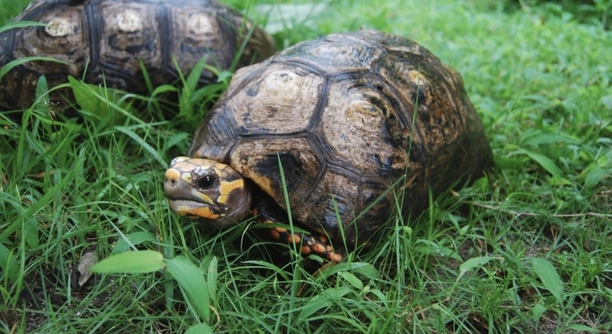
Red-footed tortoises are fascinating creatures with unique behaviors. Their habits often surprise those who care for them. Understanding their natural instincts can help ensure they thrive in a controlled environment.
Red-footed tortoises exhibit behaviors such as burrowing and foraging that are essential for their survival. Their temperament can vary, showing both curiosity and caution. Their social interactions and need for specific habitats contribute to their overall well-being.
These behaviors shape how red-footed tortoises interact with their surroundings. Learning more about their needs will ensure proper care and a healthy, enriching life for these reptiles.
Burrowing Behavior: A Key to Comfort
Burrowing is a natural behavior for red-footed tortoises, providing them with shelter and security. In the wild, they dig to create cool, shaded areas to escape the heat, especially during the hotter parts of the day. This instinct to dig into soft, moist soil helps maintain their body temperature and provides a safe retreat from predators. When housed in captivity, they may still exhibit this behavior, and it’s important to provide them with an environment where they can dig freely.
Without enough space or suitable substrate, they may feel stressed. Inadequate conditions could lead to health problems or even aggression. Creating an enclosure with deep, loose soil allows them to burrow comfortably. Ensuring your tortoise has access to a cool, shaded area and an area to dig will keep them active and content.
Providing a burrowing area is essential to red-footed tortoises’ well-being. It mimics their natural habitat and promotes a healthy, active lifestyle.
Social Interaction and Tortoise Behavior
Socializing is another important aspect of red-footed tortoise behavior. They are generally solitary animals, but they still exhibit a form of social interaction. They may engage in gentle displays of dominance, such as head-bobbing or mild pushing, especially during breeding season. These behaviors are often seen between males as a way of establishing territory.
In the wild, red-footed tortoises are more likely to encounter others of their species. They will usually keep their distance but may tolerate the presence of others as long as there is no threat. For captive tortoises, keeping multiple tortoises together in a large, spacious environment helps maintain natural behaviors. They should be monitored for signs of aggression or stress, as some individuals may not get along well. Allowing them to observe one another and providing multiple feeding stations helps reduce conflict and encourages healthy social interaction.
Maintaining proper social dynamics is vital for tortoises. Healthy interactions foster a natural, balanced lifestyle.
Foraging and Feeding Habits
Red-footed tortoises are opportunistic feeders, meaning they will eat a wide variety of food. They are omnivores, consuming fruits, leaves, insects, and even small animals. Their foraging behavior is instinctive, driven by the need to find food that will meet their nutritional requirements. It’s important to mimic their natural diet in captivity to keep them healthy.
They often spend several hours each day foraging. When in the wild, they search for food in the forest floor, using their keen sense of smell to detect ripe fruit or decaying plant matter. In captivity, they may dig through their bedding or even move large objects to find food. Providing a varied diet that includes leafy greens, fruits, and protein sources like insects ensures they stay well-nourished. Foraging helps engage their mind and prevents boredom.
Offering them food in a way that encourages foraging is crucial for their mental stimulation. Hiding food around their enclosure or using puzzle feeders can simulate the natural challenges they would face while searching for their meals.
Tortoise Movement Patterns
Red-footed tortoises can be surprisingly fast for their size. Their movement is slow and deliberate, but when motivated by food or environmental factors, they can travel significant distances. They may explore large areas to find food or suitable shelter, often following specific paths or routes.
This behavior reflects their need to roam in the wild. Tortoises will walk across large territories, sometimes covering several hundred meters in a day. In captivity, it’s important to provide a spacious enclosure where they can move freely. When red-footed tortoises are restricted to small spaces, it can cause stress and hinder their natural behaviors.
As they move, they are constantly assessing their surroundings, looking for potential food sources or places to hide. While they are not fast runners, they do have a specific way of pacing themselves, making steady progress through their environment. Their movement also ties into their search for the ideal microclimates within their habitat.
Their ability to navigate and explore helps them stay active and healthy. Proper space for roaming helps prevent obesity and boredom.
Nesting Behavior
Red-footed tortoises are known to create nests for laying their eggs. They dig deep into the soil, forming a secure spot for egg deposition. This natural instinct ensures the eggs are kept at a stable temperature, which is crucial for successful incubation.
In captivity, it’s important to provide a suitable nesting area with soft, moist soil. Tortoises will typically dig a hole where they can deposit their eggs, often taking hours to complete the process. Keeping their environment spacious and providing an appropriate substrate encourages them to engage in this instinctual behavior, ensuring their reproductive health.
Nesting is an essential part of their life cycle. Ensuring proper conditions for laying eggs is key to their well-being.
Resting and Sleeping Habits
Rest is essential for red-footed tortoises. They often spend a large part of their day sleeping or resting in shaded areas, especially during the warmer parts of the day. This behavior is natural and helps them conserve energy.
In captivity, providing a comfortable, quiet resting spot is vital. This can be a shaded corner of the enclosure or a sheltered hideaway where they feel safe. Giving them time to sleep undisturbed is important for their health, as they need plenty of rest to maintain their energy levels.
Creating a balanced environment with proper light and temperature control helps regulate their natural sleeping patterns.
Temperature Sensitivity
Temperature regulation plays a major role in red-footed tortoises’ overall health. They rely on external heat sources to maintain their body temperature, often basking in the sun to absorb warmth.
Without proper temperature gradients in their enclosure, they may struggle to regulate their body heat. It’s important to provide both a warm basking area and a cooler zone for them to retreat to when necessary. This helps mimic the natural environment they would experience in the wild, promoting healthy digestion and activity levels.
FAQ
What should I feed my red-footed tortoise?
Red-footed tortoises are omnivores and require a variety of foods for a balanced diet. Their diet should consist of leafy greens like collard greens, dandelion leaves, and mustard greens. Fruits such as papaya, mango, and berries are also great, but should be fed in moderation due to their sugar content. They will also eat edible flowers like hibiscus and certain grasses. Additionally, occasional protein sources such as insects, snails, or eggs can be included. A calcium supplement is essential for shell health, and providing fresh water daily is crucial.
How big should my red-footed tortoise’s enclosure be?
A red-footed tortoise needs space to roam, as they are naturally active creatures. For a single tortoise, a minimum enclosure size of 4 feet by 6 feet is recommended. Larger enclosures are always better, as they allow for more movement and reduce stress. The space should include areas for basking, hiding, and burrowing. Providing both shaded and sunny spots helps mimic their natural habitat, and it’s crucial that the environment is large enough for them to explore and exercise regularly.
What is the ideal temperature for a red-footed tortoise’s habitat?
The habitat of a red-footed tortoise should have a temperature range between 75°F and 85°F (24°C – 29°C) during the day. They need a basking spot with a temperature around 90°F to 95°F (32°C – 35°C) to help them regulate their body heat. At night, the temperature can drop to around 70°F (21°C). A heat lamp can be used to provide the necessary warmth during the day, while a UVB light source is crucial to help them process calcium and maintain overall health.
How often should I feed my red-footed tortoise?
Red-footed tortoises are not heavy eaters, but their diet should be varied and offered daily. Young tortoises are more active and should be fed once or twice a day. Adults, on the other hand, can be fed every other day. Fresh greens, fruits, and occasional protein should be provided in the right proportions. It’s important to avoid overfeeding fruits and high-fat items, as too much can lead to obesity and health problems.
Can I house multiple red-footed tortoises together?
Housing multiple red-footed tortoises together is possible but requires careful management. Some tortoises may be more territorial than others, especially males. It’s essential to ensure the enclosure is large enough to give each tortoise space to establish its own area. Monitor them for signs of aggression, such as head-bobbing or pushing. If these behaviors occur, it may be necessary to separate them. Additionally, providing multiple feeding stations and hiding spots can help reduce competition and stress.
How can I tell if my red-footed tortoise is sick?
Signs of illness in red-footed tortoises can include lethargy, loss of appetite, swollen or discolored eyes, nasal discharge, or unusual behavior. If your tortoise is not eating or drinking, it could indicate a health issue. Respiratory infections, parasites, and shell rot are common problems. It’s essential to monitor their behavior and consult a veterinarian specializing in reptiles if you notice any symptoms of illness. Regularly cleaning the enclosure and providing proper humidity and temperature control can help prevent many health issues.
Do red-footed tortoises need UVB light?
Yes, red-footed tortoises need UVB light to maintain proper health. UVB light is essential for calcium absorption, which is critical for shell and bone development. Without adequate UVB exposure, they may develop metabolic bone disease, which can cause deformities and other health problems. UVB bulbs should be used in their enclosure, and the light should be replaced every 6 to 12 months to ensure it remains effective. Natural sunlight is also beneficial, but be cautious of excessive exposure, which can cause overheating or dehydration.
How long do red-footed tortoises live?
Red-footed tortoises have a relatively long lifespan. In the wild, they can live for 50 to 60 years, and in captivity, they can live just as long with proper care. Their longevity depends on a variety of factors, including diet, habitat, and medical care. Regular check-ups with a reptile veterinarian can help ensure they stay healthy throughout their long life. Providing a balanced diet, maintaining proper temperature, and offering mental stimulation are all essential to promoting a long and healthy life for your tortoise.
What are the signs that my red-footed tortoise is stressed?
Stress in red-footed tortoises can manifest in several ways. A stressed tortoise may stop eating, become more withdrawn, or exhibit erratic movements. Changes in behavior, such as constant pacing, digging excessively, or hiding more than usual, can also indicate stress. Overcrowding, improper temperature, and lack of appropriate hiding spots can contribute to stress. Ensuring they have enough space, the right environmental conditions, and a consistent routine can help reduce stress and promote a more comfortable life.
Can red-footed tortoises be kept outside?
Red-footed tortoises can be kept outside in a suitable climate, but only if the environment is secure and free from predators. Their enclosure should be escape-proof and offer areas for both basking and shelter. The temperature needs to be monitored carefully, as they cannot tolerate cold temperatures. In regions where the climate is too cold, it’s best to keep them indoors during the colder months. Outdoor enclosures should also provide a variety of substrates for burrowing, as this is an important behavior for them.
How can I handle my red-footed tortoise?
Red-footed tortoises are not naturally inclined to be handled frequently. However, gentle and careful handling is okay for short periods. It’s important to support their body fully when lifting them to avoid injury. Holding them too often or roughly can cause stress. If you need to handle your tortoise for cleaning or vet visits, always ensure that you are moving slowly and calmly. Allow them to roam freely in their enclosure without interference when possible to respect their natural instincts.
Final Thoughts
Red-footed tortoises can make fascinating and rewarding pets with the right care and attention. Their long lifespan and gentle nature make them an excellent choice for those who are willing to commit to their care. Providing them with the proper environment, diet, and medical attention is essential for their well-being. With their colorful shells and curious behavior, red-footed tortoises bring joy and wonder to their owners. However, it’s important to remember that they are not low-maintenance pets, and they need space to roam and proper conditions to thrive.
Taking care of a red-footed tortoise means understanding their natural habitat and behavior. They are native to South America and live in warm, tropical environments. Mimicking this environment in captivity by maintaining appropriate temperatures, humidity, and a varied diet is key to ensuring they live a long and healthy life. Enclosures should be large enough for them to move around, and UVB lighting is essential for their health. Regularly providing fresh food and water, along with occasional protein sources, helps support their diet. Keeping their living space clean and providing enrichment opportunities will keep them active and engaged.
Ultimately, red-footed tortoises can be a rewarding pet when given proper care. Their longevity means they will be with you for many years, so it is important to fully understand their needs before making a commitment. Whether you are a first-time reptile owner or someone experienced with caring for exotic pets, red-footed tortoises require dedication and consistency. With the right setup and attention, they can become a fascinating and long-term companion. Always monitor their health, and seek professional veterinary care if needed to ensure their well-being.

Hello,
If you enjoy the content that we create, please consider saying a "Thank You!" by leaving a tip.
Every little bit helps us continue crafting quality advice that supports the health, happiness, and well-being of pets around the world, for pets of all shapes, sizes, and species.
We really appreciate the kindness and support that you show us!