
Alligator snapping turtles are fascinating creatures that often surprise people with their unique characteristics. These turtles are not only ancient but also possess extraordinary traits that make them stand out in the animal kingdom.
The alligator snapping turtle is one of the largest freshwater turtles in North America, known for its distinctive appearance and behavior. Its powerful bite and unique hunting techniques set it apart from other turtles in its family.
These surprising facts will reveal more about the alligator snapping turtle’s unique traits and behaviors. Understanding these aspects provides a deeper appreciation of this remarkable species.
The Physical Appearance of Alligator Snapping Turtles
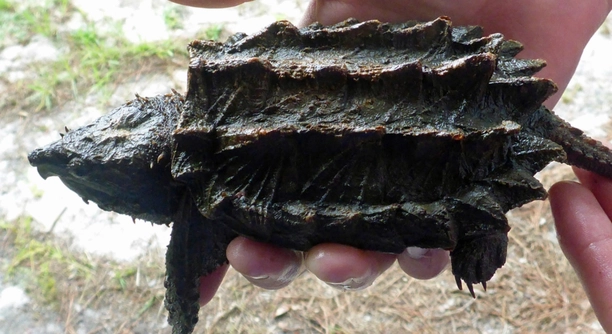
The alligator snapping turtle’s appearance is striking and often intimidating. It has a rugged, alligator-like face, with large jaws capable of snapping prey in half. Its shell is thick, spiked, and covered with algae, allowing it to blend into its environment. This camouflage helps protect the turtle from predators and enables it to ambush prey effectively. The sharp, jagged edges of its shell and its robust body structure make it one of the most unique turtles in North America. Its strong limbs and long claws also add to its formidable look.
While its appearance is often intimidating, the alligator snapping turtle is typically quite solitary and slow-moving. It prefers to spend time submerged in rivers or lakes, where it can remain hidden from threats.
These turtles are not just about their looks; their behavior is equally fascinating. The alligator snapping turtle is known for its ability to lure prey using a specialized lure in its mouth, resembling a worm. By remaining still and using this tactic, it can easily catch fish and other small creatures. This unique hunting strategy makes it a skilled predator in its habitat.
Their Diet and Feeding Habits
Alligator snapping turtles are carnivorous and primarily feed on fish, aquatic plants, and invertebrates. They will also consume small reptiles or birds if the opportunity arises.
They use a specialized tongue lure to attract prey. This tactic involves the turtle opening its mouth wide, revealing a fleshy, worm-like appendage that fish are drawn to. Once a fish or other prey approaches, the turtle snaps its powerful jaws shut, capturing its meal with incredible force. This feeding technique, combined with its stealth, makes the alligator snapping turtle an efficient predator. While these turtles are opportunistic eaters, they are particularly adept at hunting by waiting patiently for prey to come close enough to strike. Their feeding behavior is an important adaptation to their slow-moving, ambush-based lifestyle.
Lifespan and Growth Rate
Alligator snapping turtles can live up to 70 years or more in the wild, making them one of the longest-living reptiles. Their growth rate is slow, especially in their early years. Hatchlings grow slowly during their first decade, but they gradually become larger as they mature.
In the first few years of life, alligator snapping turtles are vulnerable and grow slowly. They rely on their ability to hide and remain motionless to avoid predators. However, once they reach adulthood, their size and strong shell provide them with protection. These turtles can grow up to 26 inches long and weigh as much as 250 pounds. Their slow growth and long lifespan contribute to their ability to survive in challenging environments. They are able to thrive for decades, becoming a significant part of their ecosystems over time.
Reproductive Habits
Alligator snapping turtles reach sexual maturity at 11 to 13 years of age. Mating usually occurs in spring, and females lay their eggs in sandy or muddy areas.
Females typically lay 20 to 50 eggs per nest, and they often leave the area after laying them. The eggs incubate for about 100 to 140 days before hatching. Hatchlings emerge and make their way to the water, where they begin their life in the wild. Despite the dangers posed by predators, some hatchlings survive and grow into adults. These turtles face threats from animals like raccoons and birds, but they can survive through their ability to remain hidden. Their reproductive cycle is crucial to maintaining their population in the wild.
Habitat and Distribution
Alligator snapping turtles are primarily found in freshwater rivers, lakes, and swamps. They prefer slow-moving waters with soft, muddy bottoms where they can easily hide. These turtles are most commonly found in the southeastern United States, including parts of Texas, Florida, and Georgia.
These turtles are usually found in areas with abundant aquatic vegetation. Their habitats provide the cover they need to hunt and avoid predators. The warm, slow-moving waters are ideal for these turtles to thrive, giving them the perfect environment to remain submerged for extended periods.
Threats and Conservation
Alligator snapping turtles face a variety of threats, including habitat loss, pollution, and illegal hunting. Their slow reproductive rate also makes it difficult for populations to recover quickly.
Conservation efforts have been put in place to protect these turtles, but they are still listed as vulnerable in many parts of their range. Habitat destruction due to human activities, such as damming and draining of wetlands, poses a significant threat to their population. In some areas, efforts to prevent illegal hunting and encourage sustainable practices are helping preserve their natural habitats. As more awareness grows about their declining numbers, there is hope for a better future for these unique turtles.
Interesting Facts
The alligator snapping turtle has a unique hunting technique: it uses its tongue to lure prey. The tongue has a worm-like appendage that fish find irresistible.
When a fish or other prey gets close, the turtle snaps its powerful jaws shut. This ability to lure and trap prey makes it a skilled hunter. The alligator snapping turtle’s specialized feeding behavior is one of the most remarkable features of its survival strategy.
FAQ
How big do alligator snapping turtles get?
Alligator snapping turtles can grow up to 26 inches in length and weigh as much as 250 pounds. Their size makes them one of the largest freshwater turtles in North America. Males are typically larger than females, and they can reach full maturity at 11 to 13 years old.
How long do alligator snapping turtles live?
Alligator snapping turtles can live for over 70 years in the wild, making them one of the longest-living reptiles. They grow slowly, especially in their younger years, and can take several decades to reach full size. Their long lifespan is partly due to their ability to adapt to different environments.
What do alligator snapping turtles eat?
These turtles are carnivorous and mainly eat fish, amphibians, birds, and other small animals. They also consume aquatic plants and invertebrates when food is scarce. They are opportunistic hunters and use their unique tongue lure to attract prey. The tongue, resembling a worm, lures fish close enough for the turtle to strike with its powerful jaws.
How do alligator snapping turtles catch their prey?
Alligator snapping turtles use their specialized tongue to attract prey. The tongue has a fleshy, worm-like appendage that fish find irresistible. When a fish or other small creature approaches, the turtle snaps its jaws shut with incredible force, capturing its meal. This ambush technique is highly effective and allows the turtle to remain motionless for long periods while waiting for food.
Are alligator snapping turtles dangerous?
Alligator snapping turtles have a powerful bite that can cause serious injury. Their jaws are strong enough to break bones, and they can bite with great force when threatened. While they are not aggressive by nature, they will defend themselves if they feel threatened. It is best to keep a safe distance from them in the wild.
Do alligator snapping turtles make good pets?
Alligator snapping turtles can be challenging to keep as pets. They require a large tank with plenty of space and access to both water and land. Their diet can be difficult to maintain, as they need a variety of live prey, such as fish or insects. Additionally, their powerful bite and aggressive nature can make handling them dangerous.
What are the main threats to alligator snapping turtles?
The biggest threats to alligator snapping turtles include habitat loss, water pollution, and illegal hunting. Dams and wetlands drainage have significantly reduced their natural habitat. Pollution from agricultural runoff and industrial waste can also impact water quality and food availability. Additionally, hunting for their meat and shells has led to population declines in some areas.
Where do alligator snapping turtles live?
Alligator snapping turtles are primarily found in freshwater habitats across the southeastern United States. They are common in rivers, lakes, swamps, and other slow-moving water sources. These environments provide the cover and food they need. They prefer areas with soft, muddy bottoms where they can easily hide from predators and ambush prey.
How fast can alligator snapping turtles swim?
Alligator snapping turtles are not fast swimmers. They are better suited to remaining motionless in water, waiting for prey to approach. Their strong limbs help them navigate through slow-moving water, but their primary strategy for hunting involves patience and stillness rather than speed.
Are alligator snapping turtles endangered?
Alligator snapping turtles are considered vulnerable, and some populations are at risk of being endangered. Loss of habitat, pollution, and illegal hunting have contributed to their declining numbers. While conservation efforts are in place to protect them, these turtles continue to face significant challenges. In some regions, they are listed as endangered, prompting stricter laws to protect their habitats and prevent illegal hunting.
What is the reproduction process of alligator snapping turtles?
Alligator snapping turtles reach sexual maturity around the age of 11 to 13 years. During the spring, they mate, and females lay 20 to 50 eggs in sandy or muddy areas. The eggs incubate for 100 to 140 days before hatching. Once hatched, the baby turtles make their way to the water, where they begin their life cycle. However, the survival rate of hatchlings is low due to predation and environmental factors.
Can alligator snapping turtles survive in captivity?
Alligator snapping turtles can survive in captivity, but they require specific care. A large aquarium with clean water, proper filtration, and a basking area is essential. They also need a balanced diet of live prey and may not do well with commercial turtle food. In captivity, they tend to be less active than in the wild and may become more prone to illness if not cared for properly.
What role do alligator snapping turtles play in their ecosystem?
Alligator snapping turtles play a crucial role in their ecosystem by controlling fish and invertebrate populations. As carnivores, they help maintain a balance in the aquatic food chain. Their feeding habits also contribute to the health of their habitat by preventing overpopulation of smaller species and ensuring that aquatic plants do not become overcrowded.
Are there any conservation efforts for alligator snapping turtles?
Yes, there are ongoing conservation efforts aimed at protecting alligator snapping turtles. These efforts include habitat restoration, breeding programs, and stricter regulations against illegal hunting. In some areas, conservationists are working to raise awareness about the importance of these turtles in local ecosystems and the need for sustainable practices to ensure their survival.
How can I help protect alligator snapping turtles?
You can help protect alligator snapping turtles by supporting conservation organizations and spreading awareness about their plight. Avoid disturbing their natural habitats and ensure that their environment remains clean and protected. Additionally, supporting laws that protect wildlife and their habitats can make a significant difference in the survival of these turtles.
Final Thoughts
Alligator snapping turtles are unique creatures with fascinating behaviors and adaptations. Their ability to survive in various freshwater environments, combined with their powerful jaws and specialized hunting techniques, makes them an essential part of their ecosystem. Despite their remarkable traits, these turtles face many threats, including habitat loss and pollution. Conservation efforts are vital to ensure their survival, as their populations continue to decline in some areas.
As with many species, it is important to recognize the role these turtles play in maintaining the balance of their environment. By controlling populations of smaller animals, alligator snapping turtles help preserve the health of aquatic ecosystems. Their ability to live for several decades also means they have a long-term impact on their habitat. Understanding their habits, life cycle, and needs can help us make informed decisions about how to protect them and their natural surroundings.
While keeping alligator snapping turtles as pets may seem appealing to some, it is crucial to consider their specific care requirements. These turtles require large, clean tanks, a varied diet, and regular access to both water and land. Their potential size, combined with their strong bite, can also pose risks to owners who may not be prepared for the level of care they need. It is best to appreciate these turtles in their natural environment, where they can thrive and contribute to the ecological balance they have helped to shape for millions of years.

Hello,
If you enjoy the content that we create, please consider saying a "Thank You!" by leaving a tip.
Every little bit helps us continue crafting quality advice that supports the health, happiness, and well-being of pets around the world, for pets of all shapes, sizes, and species.
We really appreciate the kindness and support that you show us!