
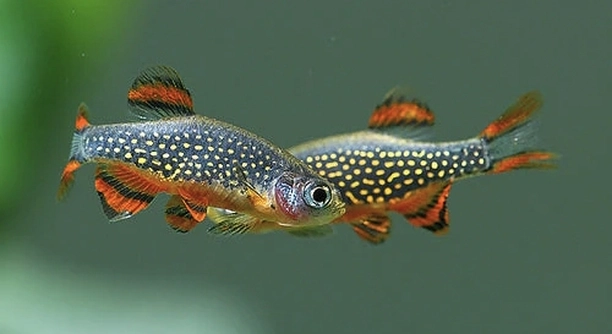
Many aquarists enjoy keeping Danios, especially when the colony has matured over time. Observing their behavior and interactions can be rewarding, revealing dynamics that often go unnoticed in younger groups or smaller tanks.
Mature Danio colonies exhibit surprising behaviors, including established hierarchies, synchronized swimming patterns, enhanced color vibrancy, unexpected breeding habits, selective feeding, social grooming, and territorial tendencies. These traits emerge as fish age and adapt to their environment, shaping colony stability.
These seven observations offer insight into both daily care and the complex lives of these lively freshwater fish. Exploring them can improve understanding of their behavior and overall colony health.
Established Hierarchies
In a mature Danio colony, social ranking becomes evident. Some fish naturally take leadership roles while others stay on the periphery, following their movements. Dominant individuals often claim the most favorable spots near food sources or resting areas. These hierarchies are not aggressive but rather subtle, influencing swimming patterns and feeding order. Over time, observing these roles provides insight into group dynamics. Dominant Danios tend to initiate swimming directions, prompting others to follow, creating coordinated movements. Less dominant fish may occasionally challenge higher-ranking individuals, but these skirmishes are brief and rarely harmful. The hierarchy helps reduce conflicts because each fish learns its place, making interactions smoother. Social order also impacts breeding, as dominant males often attract females more effectively. Environmental factors, such as tank size and available hiding spaces, play a role in maintaining this structure. Maintaining adequate space and resources ensures the hierarchy remains stable without stressing subordinate fish. Watching these interactions can be both calming and educational, revealing the complexity of seemingly simple aquarium life.
Hierarchy in Danio colonies helps reduce conflict and promotes smoother group interactions, leading to a healthier, balanced environment.
Recognizing these roles can improve how you manage your tank. By understanding which fish are dominant, you can place hiding spots and feeding stations more strategically. Observing behavior during feeding or swimming times gives clues about individual personalities and positions within the colony. This awareness helps prevent stress-related illnesses and ensures all fish get adequate nutrition. Changes in hierarchy may occur when new fish are introduced or older ones pass away. Supporting a natural social structure allows the colony to thrive. Adjusting tank layout with plants, decorations, and open swimming areas can reduce tension. Over time, a well-structured colony exhibits coordinated swimming patterns, less aggressive interactions, and stronger breeding outcomes. Maintaining water quality and monitoring fish health also contributes to keeping the hierarchy stable. Observing the colony regularly helps identify early signs of stress or illness, allowing timely intervention. Proper care ensures that these social dynamics remain a fascinating and manageable aspect of keeping Danios.
Synchronized Swimming Patterns
Mature Danios often move together in coordinated groups, creating fluid, almost choreographed swimming displays.
Synchronized swimming strengthens social bonds and signals safety to all members. Fish in these groups respond to subtle cues, maintaining group cohesion.
This behavior is both instinctive and learned. Young Danios gradually adapt to the movement patterns of older, more experienced fish. Coordinated swimming helps the colony react quickly to perceived threats, such as sudden changes in lighting or disturbances in the tank. Even without predators, this pattern continues because it reinforces communication and group awareness. Synchronized movements also optimize feeding efficiency, allowing the colony to locate and consume food collectively. Interestingly, these patterns are influenced by tank size, plant placement, and water flow. Wider, open areas encourage larger formations, while cluttered spaces lead to smaller, tighter groups. Observing these displays can be relaxing, offering a glimpse into the social intelligence of Danios. Repeated swimming formations also indicate a healthy colony where fish feel secure and confident in their environment. Adjusting tank conditions to support this natural behavior enhances both visual appeal and fish welfare.
Enhanced Color Vibrancy
Mature Danios often display brighter and more defined colors compared to younger fish. This change is gradual and influenced by diet, health, and social interactions within the colony.
Color intensity signals health and dominance. Fish with richer colors often occupy preferred feeding areas and secure mates more easily. Adequate nutrition, including live or high-quality frozen foods, supports these vibrant displays. Stress and poor water conditions can dull coloration, making it a reliable indicator of overall well-being. Observing these changes helps monitor the colony’s health without invasive measures.
Environmental factors also play a role. Light exposure, tank decorations, and plants can enhance visual contrast, making colors more noticeable. Regular water maintenance reduces stress, preventing faded hues. Seasonal or breeding cycles may temporarily alter color patterns. Individual personality affects expression; some Danios naturally show more vibrant markings than others. Supporting a balanced diet and consistent conditions allows the colony to reach its full visual potential. Watching these shifts over time creates a deeper appreciation for the fish’s natural beauty.
Unexpected Breeding Habits
Breeding in mature colonies can occur even without intentional pairing. Fish may spawn in hidden corners or near dense plant cover.
Danios adapt their reproductive behavior based on environmental conditions, availability of mates, and tank layout.
Egg-laying often happens in quiet, secluded areas. Some males show courtship displays while females choose optimal spots for eggs. Water temperature, lighting, and plant density influence spawning frequency and success. Unlike younger fish, mature colonies may have multiple overlapping breeding cycles, producing eggs at different times. Observing without disturbing the process is important, as interference can stress both males and females. Uneaten eggs or fry require careful management to prevent overpopulation or predation. These habits demonstrate that reproduction is flexible, shaped by social and environmental cues. Adjusting tank conditions to mimic natural triggers can encourage successful breeding while maintaining colony health.
Selective Feeding
Mature Danios can become picky eaters, often choosing specific foods over others. They may ignore flakes or pellets if a preferred option is offered consistently.
This behavior reflects learned preferences and social influences. Observing feeding habits can help adjust diet variety and ensure all fish receive adequate nutrition.
Social Grooming
Danios engage in gentle nipping and rubbing against each other. This activity helps remove parasites and dead skin while reinforcing social bonds within the colony.
Regular grooming indicates a healthy, cohesive group. Fish that participate actively tend to be more confident and integrated in the social structure.
Territorial Tendencies
Even in shared tanks, mature Danios establish small personal zones. They may chase or block intruders to protect preferred spots.
Recognizing these boundaries allows for better tank arrangements and prevents unnecessary stress among the colony.
FAQ
How often should I feed a mature Danio colony?
Mature Danios do best with small, frequent feedings. Offering food twice a day ensures all fish get their share without overfeeding. Using a mix of high-quality flakes, micro pellets, and occasional live or frozen foods supports their health, color, and energy levels.
Can older Danios still breed successfully?
Yes, mature Danios can breed for several years if kept in optimal conditions. Proper water quality, stable temperature, and adequate hiding spots encourage spawning. Breeding frequency may decrease slightly with age, but eggs and fry can still develop successfully if environmental conditions are maintained.
Why do some Danios become more aggressive with age?
Aggression often reflects the establishment of hierarchies and territorial boundaries. Dominant fish may chase others to assert control over food or preferred resting areas. Ensuring enough space, plants, and hiding spots reduces conflicts and stress while maintaining a balanced social structure.
How can I enhance their color naturally?
Diet and environment play major roles in color vibrancy. Feeding foods rich in carotenoids, such as spirulina, krill, or specially formulated color-enhancing flakes, helps maintain brightness. Good water quality, consistent lighting, and stress reduction also prevent fading. Observing color shifts can indicate health changes.
Do mature Danios need larger tanks than younger fish?
Yes, older Danios require more space due to their increased activity and social dynamics. A spacious tank with open swimming areas, plants, and decorations allows natural behavior, reduces aggression, and supports synchronized swimming patterns. Overcrowding can lead to stress and illness.
What is the best way to monitor health in a mature colony?
Watch for changes in behavior, color, and feeding habits. Dull colors, lethargy, or isolation may indicate stress or disease. Regular water testing, consistent cleaning, and observation during feeding times help identify issues early. Preventive care, including occasional parasite checks, maintains overall health.
How do I handle selective eating in older Danios?
Offer a variety of foods in small amounts. Observe which fish consistently ignore certain items and adjust portions. Mixing flakes with frozen or live foods encourages balanced nutrition. Rotating food types keeps fish engaged and prevents dominance from affecting access to preferred meals.
Can mature Danios coexist with other species?
Yes, if tank mates are peaceful and of similar size. Avoid aggressive or very slow-moving fish that may be harassed or outcompeted. Monitor interactions closely, especially when introducing new species, to ensure harmony within the tank. Adequate hiding spaces help reduce potential conflicts.
How do I support natural breeding behavior?
Provide plants, spawning mops, or dense areas for egg-laying. Maintain stable temperature and water conditions to mimic seasonal triggers. Minimizing disturbances during spawning increases success rates. Removing adults from fry tanks or using separate rearing areas ensures fry survival.
Why do synchronized swimming patterns change sometimes?
Changes in group movement often reflect stress, environmental adjustments, or the introduction of new fish. Observing swimming formations helps identify discomfort or illness. Maintaining consistent lighting, water flow, and space supports stable patterns and a calmer colony environment.
Are there signs of aging I should watch for in Danios?
Slower movement, reduced breeding activity, and minor fading of color can occur naturally. These changes are normal if the fish remain active and eat well. Monitoring water quality and providing a stress-free environment helps older Danios maintain vitality.
What tank setup works best for a mature colony?
A long, open tank with varied plant density and hiding spots allows natural behaviors. Gentle filtration and moderate lighting reduce stress. Providing resting areas and open swimming lanes supports hierarchy, synchronized swimming, and territorial behaviors while encouraging color vibrancy and healthy breeding.
How can I prevent disease in an aging colony?
Regular water testing, consistent cleaning, and careful observation prevent common illnesses. Quarantining new fish, feeding a varied diet, and minimizing sudden changes in environment reduce stress. Early intervention for unusual behavior or appearance increases recovery chances and protects the whole colony.
What is the ideal group size for mature Danios?
Maintaining at least six to eight individuals supports social structures and natural behaviors. Smaller groups may become stressed or develop skewed hierarchies. Larger groups enhance synchronized swimming, grooming, and breeding opportunities but require more space and diligent maintenance to avoid overcrowding.
Can I introduce new fish to an established colony?
Yes, but it should be done gradually. Quarantine newcomers first and introduce them to less central areas of the tank. Observe interactions to prevent bullying and stress. Adjust feeding and hiding spaces to accommodate both existing and new members while maintaining stability.
How do I know if the hierarchy is balanced?
Balanced colonies show minimal prolonged aggression. Dominant fish assert control without harming others, and subordinates maintain regular access to food and resting areas. Frequent but brief displays of chasing are normal, but consistent injuries or stress indicate imbalance that may require intervention.
Is tank maintenance different for mature Danios?
Maintenance is similar to younger fish but requires more attention to waste buildup and water quality. Mature colonies produce more bio-load due to size and numbers. Regular partial water changes, substrate cleaning, and filter checks keep conditions stable and prevent stress-related health issues.
How important is environmental enrichment?
Enrichment is crucial for behavior, health, and social dynamics. Plants, decorations, and open swimming lanes encourage natural movement, synchronized swimming, grooming, and territorial behavior. A stimulating environment reduces stress, improves feeding efficiency, and supports successful breeding.
Can stress affect color and behavior?
Yes, stress can cause faded colors, irregular swimming, and selective feeding. Overcrowding, poor water quality, aggressive tank mates, or sudden environmental changes are common stressors. Addressing these factors promptly restores normal behavior and vibrant coloration.
Are there signs that a Danio is dominant or subordinate?
Dominant fish often lead swimming patterns, occupy prime feeding spots, and display stronger colors. Subordinates may follow, hide more, and feed later. Observing interactions over time helps identify roles, allowing better tank management and reduced conflict within the colony.
How long do mature Danios typically live?
With proper care, Danios can live five to seven years, sometimes longer. Maintaining stable water conditions, a balanced diet, and stress-free social structures ensures longevity and healthy behavior throughout their lifespan.
What should I do if a fish appears ill?
Isolate the affected fish if possible and check water parameters. Treat specific conditions according to symptoms and prevent exposure to the rest of the colony. Early intervention improves recovery chances and protects the health of remaining fish.
How can I encourage natural grooming behavior?
Providing sufficient companions, plants, and gentle water flow supports regular grooming. Fish use each other for parasite removal and social bonding, and a well-structured environment encourages these interactions naturally.
Is it normal for mature Danios to ignore some food types?
Yes, selective feeding is common. Rotating food options, offering live or frozen items, and monitoring portions ensures all fish receive proper nutrition without competition or stress.
Do Danios need seasonal changes to thrive?
Gradual adjustments in lighting and temperature can mimic seasonal cues, encouraging natural breeding and color changes. Sudden shifts should be avoided, as they can stress the colony and disrupt social behaviors.
How do I keep multiple behaviors balanced in one tank?
Observing interactions, providing space, and offering environmental enrichment allows synchronized swimming, territorial behavior, grooming, and selective feeding to coexist. Regular maintenance and monitoring ensure the colony remains stable and healthy while exhibiting natural behaviors.
Can mature Danios live with other community fish?
Yes, if tank mates are compatible in size, temperament, and activity. Peaceful species that do not compete aggressively for food or space integrate best. Observation and gradual introductions reduce conflict and stress, maintaining harmony in the aquarium.
How can I tell if my colony is stressed?
Signs include faded color, erratic swimming, frequent hiding, and refusal to eat. Identifying and addressing environmental issues, overcrowding, or aggression restores normal behavior. Consistent care supports long-term colony stability.
What daily care practices support a healthy mature colony?
Feed varied meals, maintain water quality, observe behavior, and provide enrichment. Promptly address illness or stress signs. Regular partial water changes, monitoring filtration, and maintaining stable conditions ensure the colony thrives and expresses natural behaviors fully.
Can water flow affect behavior?
Yes, moderate flow encourages swimming and coordination. Too strong a current can stress fish, while stagnant areas reduce movement and activity. Adjusting flow supports synchronized swimming, territorial zones, and overall health.
Are hiding spots important for mature Danios?
Yes, they reduce stress, prevent conflicts, and allow subordinates to rest safely. Plants, decorations, and tank layout balance open swimming areas with shelters for security.
How can I manage fry from a mature colony?
Separate eggs or fry to prevent predation. Provide shallow, well-planted areas or dedicated rearing tanks. Feed appropriately sized foods, monitor growth, and maintain clean water to support survival and development.
Do mature Danios require more care than younger ones?
They require similar routines but with added attention to social dynamics, space, and diet. Observing behavior, maintaining hierarchy, and ensuring environmental enrichment support long-term health and wellbeing.
Is it normal for older fish to slow down?
Yes, gradual reduction in activity is natural with age. Ensuring easy access to food, gentle water flow, and minimal stress helps maintain vitality and comfort in later years.
How do I prevent bullying in the tank?
Provide ample space, hiding spots, and observe interactions. Rotate feeding locations and ensure all fish can access food. Separating aggressive individuals temporarily may be necessary to restore balance.
Can environmental changes trigger new behaviors?
Yes, adding plants, decorations, or adjusting lighting can influence swimming, territoriality, and feeding. Observing the colony during changes ensures adaptation without stress.
Are there common mistakes when keeping mature Danios?
Overcrowding, inconsistent water quality, poor diet, and ignoring social dynamics are frequent issues. Monitoring behavior, maintaining a balanced environment, and providing enrichment prevents stress, illness, and behavioral problems.
How can I tell if breeding is successful?
Presence of eggs, fry, and healthy growth indicate success. Regular observation and maintaining water quality ensure fry survival while supporting ongoing reproductive behavior in the mature colony.
Is it normal for some fish to stay isolated?
Yes, some subordinates prefer quiet areas. As long as they eat well and show no signs of illness, occasional isolation is normal and not a cause for concern.
How important is consistency in care?
Very important. Stable feeding schedules, water parameters, and environmental conditions reduce stress, maintain hierarchy, and support vibrant colors, synchronized swimming, and healthy reproduction.
Do mature Danios respond to changes in lighting?
Yes, lighting affects color, activity, and breeding cues. Gradual adjustments help maintain natural rhythms, while abrupt changes can stress the colony and disrupt behaviors.
What signs indicate successful adaptation to a new tank?
Active swimming, coordinated group movement, regular feeding, bright colors, and minimal aggression signal comfort and adaptation. Monitoring over time ensures stable integration.
How do I encourage natural social behaviors?
Provide adequate companions, space, hiding spots, and varied diet. Observing interactions allows support for hierarchy, grooming, synchronized swimming, and breeding without interference.
Can mature Danios live peacefully for years?
Yes, with proper care, stable conditions, and attention to social structure, mature Danios can live harmoniously and display natural behaviors for several years, offering a healthy and engaging aquarium experience.
What should I do if dominant fish stress others?
Rearrange decorations, add hiding spots, or temporarily separate aggressive individuals. Maintaining hierarchy while reducing stress ensures colony stability and prevents health issues.
How do I know if diet supports behavior?
Active swimming, vibrant colors, regular grooming, and successful breeding indicate proper nutrition. Adjusting diet variety ensures all fish maintain health and display natural behaviors.
Are water temperature fluctuations harmful?
Yes, sudden changes can stress the colony, reduce color vibrancy, and disrupt breeding. Stable temperature supports activity, hierarchy, and overall health.
How can I maintain harmony in large colonies?
Provide space, hiding spots, multiple feeding areas, and monitor interactions. Environmental enrichment and careful observation help large colonies stay balanced, healthy, and socially stable.
What is the most important factor for long-term health?
Consistency in care, water quality, diet, social stability, and stress reduction ensures mature Danios thrive, display natural behaviors, and live long, healthy lives.
Can I mix different Danio species?
Some species coexist well if they have similar size and temperament. Monitor interactions closely and provide adequate space to reduce aggression and maintain harmony.
How do I prevent overpopulation in mature colonies?
Manage breeding by separating eggs or fry, limiting the number of males, and monitoring reproductive activity. Maintaining population balance ensures sufficient space and resources.
Are there behavioral signs of illness before physical symptoms appear?
Yes, changes in swimming patterns, feeding behavior, grooming, or social interaction often precede visible symptoms. Early detection allows prompt treatment.
Can mature Danios remember feeding schedules?
Yes, they recognize patterns and may anticipate food. Predictable routines reduce stress and encourage active participation in social behaviors.
Do tank decorations affect behavior?
Yes, they provide hiding spots, break lines of sight, and create territories. Proper placement supports natural behavior, reduces aggression, and encourages coordinated movement.
How do I introduce new tank features safely?
Add items gradually and monitor the colony’s response. Ensure sufficient space for movement and hiding. Adjustments over time prevent stress and maintain social balance.
Is it normal for mature Danios to show less interest in food sometimes?
Yes, minor fluctuations in appetite can occur. Persistent refusal may indicate stress or illness. Monitor closely to ensure overall health.
What is the best way to observe behavior without causing stress?
Watch quietly from a distance, avoid sudden movements, and maintain stable lighting. Regular, gentle observation provides insights into hierarchy, feeding, swimming, and grooming behaviors without disruption.
How can I track individual fish behavior?
Use subtle markings, different positions in the tank, or video recordings. Tracking allows monitoring of dominance, health, feeding patterns, and adaptation within the colony.
Do mature Danios need more attention than younger fish?
Yes, attention to hierarchy, breeding, color, and social behavior is more critical. Consistent care, monitoring, and environmental enrichment help them thrive in a stable, healthy colony.
How can I tell if my colony is thriving overall?
Active swimming, bright colors, regular feeding, minimal aggression, synchronized patterns, grooming, and successful breeding indicate a healthy, well-adjusted mature Danio colony. Consistent observation ensures ongoing wellbeing.
Are there specific water parameters for older Danios?
Stable pH, moderate hardness, and consistent temperature are key. Mature fish tolerate slight fluctuations less than juveniles, so maintaining balance is essential for health and natural behavior.
What role does tank size play in behavior?
Larger tanks support social structure, synchronized swimming, and territorial zones. Small tanks increase stress, aggression, and reduced activity, impacting overall health and longevity.
How important is routine observation?
Daily observation detects early signs of stress, illness, or imbalance. Monitoring hierarchy, color, feeding, and swimming patterns allows proactive adjustments to maintain a healthy colony.
Can I combine breeding, selective feeding, and synchronized swimming in one tank?
Yes, with proper space, hiding spots, enrichment, and monitoring, all behaviors can coexist naturally. Balanced care supports social, reproductive, and feeding behaviors simultaneously without stress.
Do older Danios interact differently than younger ones?
Yes, mature fish show established hierarchies, coordinated swimming, selective feeding, and territorial behavior. Observing these interactions helps manage the colony effectively.
Is continuous water flow necessary?
Moderate flow enhances swimming, promotes coordination, and reduces stagnant zones. Excessive flow can stress fish, while gentle circulation supports natural activity.
How do I balance enrichment with swimming space?
Distribute plants, decorations, and hiding spots to create zones while leaving open lanes for movement. This balance supports natural behavior, reduces stress, and encourages social cohesion.
What are signs of social imbalance?
Excessive chasing, hiding, skipped meals, and faded colors indicate hierarchy or territory issues. Adjust tank layout, provide hiding spots, or separate aggressive fish to restore balance.
Can diet influence behavior beyond color?
Yes, nutrition affects energy, activity, breeding, and social interactions. Adequate protein and variety maintain vibrant, active, and well-integrated colonies.
Is it normal for older Danios to groom less?
Occasionally, yes, especially with age or health issues. Consistent observation ensures grooming behavior remains sufficient to support social bonds and parasite control.
How do I reduce stress during maintenance?
Perform gradual water changes, avoid sudden lighting shifts, and handle fish minimally. Stable routines and careful intervention prevent disruption to hierarchy and behavior.
Can introducing plants influence breeding?
Yes, dense plants provide spawning sites and security for eggs and fry. Proper placement encourages natural reproductive behavior without increasing stress.
How do I prevent selective feeding from affecting shy fish?
Offer food in multiple areas and use varied types. Ensure subordinate fish have access to meals without competition from dominant individuals.
Are synchronized swimming patterns linked to health?
Yes, coordinated movement reflects a stable social structure and active, healthy fish. Disruption may indicate stress, illness, or environmental issues requiring attention.
How can I encourage shy fish to participate in colony behavior?
Provide hiding spots, reduce aggressive interactions, and offer food in quieter areas. Gradual exposure helps timid fish integrate into social, feeding, and grooming activities naturally.
Is tank decoration important for reducing aggression?
Yes, plants, rocks, and hiding spaces break line of sight, create territories, and allow subordinate fish to retreat safely. Thoughtful decoration reduces conflict and stress.
Can mature Danios adapt to smaller tanks if necessary?
They can, but stress, aggression, and reduced activity increase. Maintaining open swimming areas, hiding spots, and careful monitoring is essential to prevent health issues.
Do Danios prefer certain light levels as they age?
Moderate, consistent lighting enhances color and supports natural behavior. Too bright or fluctuating light can stress fish and affect social and breeding activities.
How can I encourage natural hierarchy without intervention?
Provide adequate space, hiding spots, and enrichment. Avoid overfeeding or overcrowding. Observing interactions ensures the colony self-organizes safely and maintains social stability.
Are there signs that a dominant fish is too aggressive?
Persistent chasing, injury, refusal of others to feed, or prolonged hiding indicates excessive aggression. Adjusting space or temporary separation may be necessary.
How can I maintain consistent feeding behavior?
Use predictable schedules, varied diets, and multiple feeding points. This reduces competition, encourages participation, and supports overall colony health.
**Do mature Danios respond
Observing a mature Danio colony offers a fascinating look into the lives of these lively fish. Over time, their behavior changes in ways that may surprise even experienced aquarists. Patterns of hierarchy, synchronized swimming, and selective feeding become more pronounced, showing how social structures develop naturally. Mature Danios display stronger color vibrancy and more defined personalities, which can make managing the colony both interesting and rewarding. Each fish has its role within the group, and understanding these roles helps maintain harmony in the tank. By noticing these subtle behaviors, it becomes easier to care for the colony while supporting their natural instincts. Proper observation can also help detect early signs of stress or illness, allowing you to respond quickly and prevent long-term issues. Maintaining clean water, a balanced diet, and adequate space allows the colony to thrive while encouraging behaviors that make mature Danios so engaging to watch.
The breeding habits of a mature colony are another important consideration. Unlike younger fish, mature Danios may breed frequently and in unexpected areas of the tank. Providing dense plant cover or spawning mops allows them to carry out their natural reproductive behavior safely. Even if breeding is not the primary goal, understanding their tendencies helps prevent overpopulation and ensures that eggs and fry are cared for properly. In addition, social grooming and territorial behaviors can influence breeding success, as healthier, well-integrated fish are more likely to reproduce successfully. Observing these behaviors over time allows for better management of resources such as food, space, and hiding areas. A tank that supports natural behavior reduces stress and promotes long-term health for all members of the colony. Regular maintenance and careful attention to water quality are critical for sustaining a mature Danio colony, as older fish can be more sensitive to fluctuations in their environment.
Creating the right environment is essential for the overall well-being of mature Danios. Sufficient space, open swimming lanes, and a mix of plants or decorations provide both stimulation and security. Environmental enrichment encourages natural behaviors such as synchronized swimming, selective feeding, and territoriality while reducing conflicts between dominant and subordinate fish. Maintaining a consistent routine with predictable feeding times, stable lighting, and proper water conditions supports both physical health and social stability. By carefully monitoring behavior, color, and activity levels, aquarists can ensure that their Danios remain active, vibrant, and integrated into the colony. Even subtle changes in behavior or appearance can serve as important indicators of health or environmental issues. Understanding and responding to these signals helps create a balanced, thriving colony where mature Danios can express their natural behaviors fully. In the end, attention to detail and consistent care make keeping a mature Danio colony a rewarding experience, revealing the complexity and charm of these small but dynamic freshwater fish.

Hello,
If you enjoy the content that we create, please consider saying a "Thank You!" by leaving a tip.
Every little bit helps us continue crafting quality advice that supports the health, happiness, and well-being of pets around the world, for pets of all shapes, sizes, and species.
We really appreciate the kindness and support that you show us!