
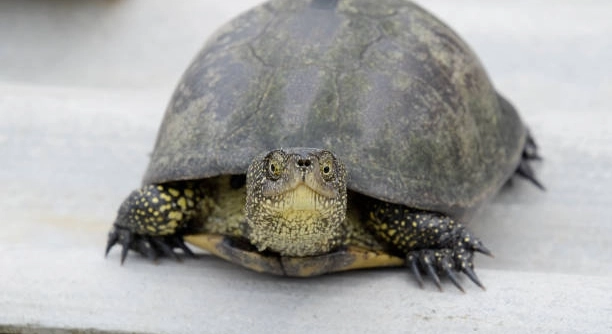
Musk turtles are fascinating creatures that require a balanced diet for good health. Providing the right nutrition can improve their longevity and overall well-being. Knowing the right foods to include in their diet makes a big difference.
The seven superfoods for a healthy musk turtle diet are packed with nutrients essential for their growth and vitality. These foods support their immune system, shell health, and overall energy levels, ensuring they remain active and healthy.
Including these superfoods in your turtle’s diet will help maintain a healthy and happy pet. You can easily incorporate them into their meals to provide essential vitamins and minerals.
The Benefits of Leafy Greens for Musk Turtles
Leafy greens are one of the best foods you can provide for your musk turtle. These greens are rich in vitamins and minerals that are essential for their health. Nutrients like calcium, fiber, and vitamin A support your turtle’s bone and shell health. Greens such as dandelion leaves, kale, and collard greens should be regularly offered to keep your turtle strong and vibrant. These vegetables help with digestion, improve hydration, and boost the immune system. They also provide antioxidants that protect against illness. Adding variety to the greens you offer will keep things exciting for your turtle.
Leafy greens can be easily introduced into your turtle’s diet. Make sure to wash them thoroughly before feeding them to remove any pesticides or harmful chemicals.
When adding greens to your turtle’s meal plan, avoid giving them too much of one type. It’s best to rotate the greens to provide a balanced intake of nutrients. Offer them fresh and chopped into manageable pieces.
The Power of Fish for Protein
Fish is an excellent source of protein for your musk turtle. They naturally enjoy eating fish, and it’s packed with essential amino acids that contribute to muscle growth and overall health. Fish like minnows, goldfish, and guppies are perfect additions to your turtle’s diet, ensuring they receive the energy they need to stay active.
When feeding your turtle fish, make sure to offer them whole fish, as this will help maintain dental health and provide extra nutrients. Frozen or live fish can be a great option, but it’s important not to overfeed to prevent an imbalance in their diet.
While fish is a great protein source, variety is key to maintaining a balanced diet. Be sure to combine fish with vegetables and other protein-rich foods. Additionally, feeding fish can encourage natural hunting behavior, keeping your turtle mentally stimulated. Regularly rotating the fish you offer will help avoid any nutritional gaps.
The Role of Insects in a Balanced Diet
Insects are an essential part of a musk turtle’s diet. They provide a natural source of protein, fat, and vital nutrients that help with growth and energy. Insects like crickets, mealworms, and waxworms are commonly used to supplement their meals.
Insects offer variety and mimic a turtle’s natural diet in the wild. It’s important to feed them gut-loaded insects, meaning the insects are fed nutritious foods to ensure they pass on these nutrients to your turtle.
The Benefits of Mushrooms for Your Turtle
Mushrooms can be a great addition to a musk turtle’s diet. They are low in fat, but rich in antioxidants, which help with immune system support. Turtles can enjoy mushrooms both raw and cooked, but be sure to avoid any toxic varieties.
Mushrooms provide hydration, support shell health, and are easy to digest. They are also a good source of fiber, which aids digestion. If you’re offering mushrooms, keep them fresh and cut them into bite-sized pieces to make it easier for your turtle to enjoy.
FAQ
What fruits are safe for musk turtles?
Musk turtles enjoy fruits like strawberries, blueberries, and grapes. These fruits are high in vitamins and antioxidants, which contribute to the overall health of your turtle. You can also offer melon, apples, and pears in moderation. However, it’s important to avoid feeding citrus fruits like oranges or lemons, as their acidity can upset your turtle’s digestive system.
Fruits should be given in small portions since they contain natural sugars, which can lead to obesity if fed in excess. Always remove seeds from fruits, as some seeds, such as apple seeds, can be toxic to turtles. Additionally, cut the fruits into small pieces to make it easier for them to eat.
How often should I feed my musk turtle?
Musk turtles have different feeding needs depending on their age. Juveniles tend to eat more frequently, while adults usually eat less. A general rule is to feed young turtles daily, while adults can be fed 3-4 times a week. Overfeeding can lead to health issues, so it’s essential to monitor portion sizes.
A balanced diet with a mix of vegetables, protein, and fruits is ideal. Each feeding should be proportionate to your turtle’s size and activity level. Be sure to remove any uneaten food after a couple of hours to prevent it from spoiling in the tank. A varied diet will help keep your turtle healthy and active.
Can I feed my musk turtle live food?
Yes, live food is a natural part of a musk turtle’s diet. Offering live fish, worms, and insects will mimic their behavior in the wild, keeping them mentally and physically engaged. Live food is especially important for younger turtles, as it helps them develop their hunting skills and provides essential nutrients.
However, live food should be offered in moderation. Too much live food can lead to overconsumption of protein, which may result in obesity or other health issues. Ensure that the live food is properly sourced and safe for your turtle, and remove any uneaten live food after feeding to prevent it from affecting the tank’s water quality.
Is it okay to feed my musk turtle commercial turtle food?
Commercial turtle food can be an easy option for feeding your musk turtle. Many turtle pellets contain essential nutrients, including vitamins and minerals. However, they should not be the sole food source, as they often lack the variety found in a natural diet. They can be used as a supplement, but fresh foods should always be prioritized.
When choosing commercial food, look for high-quality pellets with little to no fillers like corn or soy. Opt for products that contain a balanced mix of protein, fiber, and fats. Rotate commercial food with live food, vegetables, and fruits to ensure your turtle gets a well-rounded diet.
How can I keep my turtle’s shell healthy?
To maintain a healthy shell, it’s crucial to provide a diet rich in calcium and vitamin D3. Leafy greens such as kale, dandelion greens, and collard greens are excellent sources of calcium. Sunlight exposure, or the use of UVB lighting, is also vital for calcium absorption and shell health.
Ensure that your turtle has access to a proper basking area where it can warm up and soak in the necessary UV rays. A healthy diet, along with appropriate lighting and basking time, will help prevent shell deformities, softening, or other related health issues. Regular shell inspections are also important to detect any signs of injury or infection early.
Can I feed my turtle vegetables every day?
Yes, vegetables should be a daily part of your musk turtle’s diet. Leafy greens like kale, romaine lettuce, and dandelion leaves are especially important for your turtle’s overall health. These vegetables provide necessary nutrients such as calcium, fiber, and vitamins that help with digestion and immune function.
While it’s good to feed them vegetables daily, be sure to rotate the types of greens you offer to prevent any nutrient imbalances. Also, avoid feeding too much iceberg lettuce, as it lacks nutrients and has high water content. Offering a variety of vegetables will keep your turtle’s meals interesting and healthy.
Are there any foods I should avoid feeding my musk turtle?
Certain foods should never be given to your musk turtle. Foods like iceberg lettuce, which are low in nutrients, should be avoided. Additionally, avoid feeding them toxic plants such as azaleas, lilies, or rhubarb. These plants can cause serious health issues.
Other foods to avoid include processed or sugary snacks, which can lead to obesity, and anything that is too salty or oily. Avoid giving them dairy products or foods high in starch, as turtles are unable to digest them properly. When feeding your turtle, it’s best to stick with natural foods to promote their health and well-being.
How can I ensure my musk turtle is getting the right amount of nutrients?
To ensure that your musk turtle is getting a balanced diet, rotate the foods you offer regularly. Provide a mix of vegetables, protein sources (such as fish, insects, and worms), and fruits. Keep portions appropriate for the size and age of your turtle.
You can also consider supplementing their diet with a calcium supplement if needed, especially if they are not receiving enough from their food. Observe your turtle’s behavior and shell health; if you notice changes such as lack of appetite, sluggishness, or shell deformities, it may be a sign of a nutritional deficiency.
Final Thoughts
A healthy diet is crucial for the well-being of your musk turtle. Providing a mix of protein, vegetables, fruits, and occasional treats like insects and fish helps keep them strong and active. Each food source offers different nutrients, so it’s essential to offer variety. Leafy greens should be a daily staple, while protein sources like fish and insects can be offered a few times a week. Fruits can be a tasty treat but should be given in moderation to avoid excess sugar.
It’s important to remember that overfeeding can be as harmful as underfeeding. You should pay attention to portion sizes and ensure your turtle isn’t getting too much food. The balance of different foods in their diet plays a significant role in preventing obesity, shell problems, and other health issues. Make sure to remove any uneaten food after a couple of hours to keep the tank clean. Regularly offering a range of foods will help provide the proper nutrients your turtle needs.
Incorporating these superfoods and being mindful of portion control will ensure your musk turtle remains healthy and active. Don’t forget to observe your turtle’s behavior and shell condition regularly. If you notice any changes, it might be a sign to adjust their diet or consult with a vet. With the right care, your musk turtle can live a long and healthy life.

Hello,
If you enjoy the content that we create, please consider saying a "Thank You!" by leaving a tip.
Every little bit helps us continue crafting quality advice that supports the health, happiness, and well-being of pets around the world, for pets of all shapes, sizes, and species.
We really appreciate the kindness and support that you show us!