
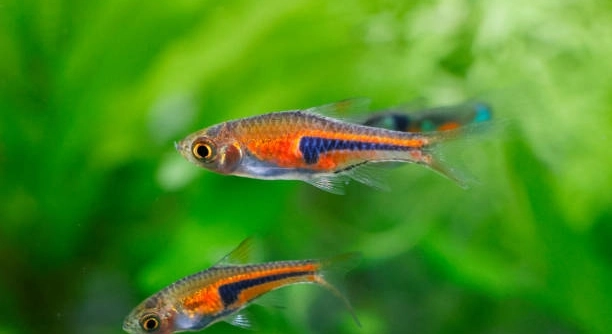
Rasboras are small, colorful fish often kept in home aquariums. They usually live peacefully but sometimes show sudden changes that can surprise their owners. These shifts can affect their behavior and health in unexpected ways.
Sudden changes in rasboras typically include alterations in swimming patterns, appetite, coloration, and social interaction. These changes often indicate stress, illness, environmental shifts, or water quality issues that require prompt attention to maintain their well-being.
Recognizing these changes early helps keep rasboras healthy and happy in their environment. Understanding what causes these shifts is important for any fish owner.
Changes in Swimming Patterns
Rasboras usually swim smoothly and in groups. When they suddenly swim erratically, dart quickly, or hide more than usual, it shows something is off. These changes can mean stress from tank mates, poor water conditions, or illness. Sometimes, they swim near the surface or gasp for air, which may signal low oxygen levels. If you notice these behaviors, check water quality first. Make sure the temperature, pH, and cleanliness are stable. Also, consider if new fish or decorations might be causing stress. Watching how they swim daily helps catch problems early before they get worse.
Erratic swimming and hiding are often early signs of health issues or discomfort in rasboras. Addressing these quickly improves their chances of recovery.
Keeping water clean and providing a calm environment helps rasboras swim normally. They feel safer and more relaxed when their surroundings are stable and peaceful.
Appetite Loss and Feeding Changes
When rasboras suddenly lose interest in food or refuse to eat, it is a clear signal something is wrong. Appetite loss often results from stress, illness, or poor water quality. If a tank is overcrowded, rasboras may also compete for food and eat less. Parasites and infections can reduce appetite too. It’s important to observe feeding habits closely and offer a balanced diet with high-quality flakes or small live foods. Avoid overfeeding, which can foul the water and harm their health. Changing water regularly and testing parameters helps maintain good conditions, encouraging normal feeding behavior. If appetite loss lasts more than a day or two, consider consulting a vet or fish expert for advice. Proper care ensures rasboras stay healthy and active at mealtime.
Coloration Changes
Rasboras may lose their bright colors suddenly. This often points to stress, illness, or poor water conditions. Dull colors can also happen during breeding or when they are resting.
Color fading usually happens when the tank environment is not ideal. Water temperature changes, dirty water, or sudden moves can cause this. Illnesses like parasites or bacterial infections also affect coloration. Stress from aggressive tank mates can make rasboras appear pale or washed out. Regular water tests and stable conditions help prevent this problem. Make sure the fish have hiding spots to feel safe. Proper nutrition with quality food supports their natural colors and health. If colors don’t return after fixing the environment, a health check may be needed.
Sometimes rasboras change colors as a natural part of their life cycle. But if the change is sudden and extreme, it usually means something needs attention. Bright, healthy fish are a sign of a good tank environment.
Social Behavior Shifts
Rasboras are social fish that prefer swimming in groups. When they suddenly isolate themselves or act aggressive, it indicates stress or illness. Changes in social behavior often signal discomfort.
When rasboras become withdrawn or stop schooling, it might be due to poor water quality or new tank mates causing stress. Aggression can occur if the tank is overcrowded or if there is a lack of hiding places. Illnesses also change how they behave around others. Monitoring these shifts helps catch problems early. Providing enough space and maintaining good water conditions reduce social stress. Sometimes adding plants or decorations gives them places to retreat. Healthy rasboras interact normally, swim together, and show calm behaviors. Observing their social habits regularly is important for a balanced tank.
Gill Movement Changes
Rapid or labored gill movement in rasboras often points to poor water quality or low oxygen levels. It can also indicate illness or stress, requiring immediate attention.
If you notice this behavior, check the tank’s oxygen levels and water parameters. Improving filtration or aeration usually helps.
Hiding More Than Usual
Rasboras that suddenly hide more often may feel threatened or stressed. This change can be caused by new tank mates, poor water conditions, or illness.
Hiding is a natural response to feeling unsafe. Providing plenty of plants and shelters helps rasboras feel secure and reduces stress.
Fin Clamping and Damage
Clamped fins—when rasboras keep their fins tight against their body—often signal illness or stress. Poor water quality or parasites can cause this.
Early detection is important to treat the underlying issue and prevent further harm. Regular water changes help keep fins healthy.
Sudden Loss of Activity
A sudden drop in activity is a serious warning sign. Rasboras may become lethargic due to illness, poor water quality, or stress.
Immediate action to improve the tank environment and seek treatment can save the fish’s life.
What causes sudden behavior changes in rasboras?
Sudden behavior changes in rasboras are usually caused by stress, illness, or environmental problems. Stress can come from overcrowded tanks, aggressive tank mates, or sudden changes in water temperature or quality. Illnesses like parasites and infections also affect their behavior. Keeping the tank stable and clean helps prevent these issues.
How can I tell if my rasbora is stressed?
Signs of stress include erratic swimming, hiding more than usual, loss of appetite, and dull coloration. Clamped fins and rapid gill movement are also common. If you notice these signs, test the water and observe the tank environment. Stress often results from poor water quality or changes in the tank setup.
Why do rasboras lose their color suddenly?
Color loss happens mainly due to stress, illness, or bad water conditions. When water parameters like pH, temperature, or ammonia levels are off, rasboras may fade in color. Illnesses and parasites can cause this too. Giving your fish a stable environment and proper nutrition will help restore their bright colors.
What should I do if my rasbora stops eating?
If your rasbora loses interest in food, check the water quality and tank conditions immediately. Illness or stress might be the cause. Offer a variety of high-quality foods and avoid overfeeding. If the appetite loss lasts more than two days, consider consulting a fish health expert.
Is it normal for rasboras to hide often?
Rasboras do hide naturally, but sudden increases in hiding usually indicate stress or fear. This can be due to new aggressive tank mates, poor water quality, or illness. Providing plants and hiding spots helps them feel safe and reduces hiding behavior.
How can I improve my rasbora’s environment to prevent sudden changes?
Keep water parameters stable by testing regularly and performing partial water changes. Maintain proper tank size and avoid overcrowding. Add plants and decorations for shelter. Feed a balanced diet and monitor fish behavior often to catch problems early.
Can changes in social behavior indicate health problems?
Yes, sudden isolation or aggression among rasboras can mean illness or stress. Healthy rasboras usually swim in groups and interact calmly. Social shifts often occur when the tank environment changes or fish feel unsafe.
What are common illnesses that cause sudden changes in rasboras?
Common illnesses include parasitic infections, bacterial diseases, and fungal infections. These often cause changes in swimming, appetite, coloration, and social behavior. Early diagnosis and treatment are important to prevent worsening symptoms.
How often should I test my tank water for rasboras?
Testing water once a week is recommended to keep track of ammonia, nitrite, nitrate, pH, and temperature. Frequent testing helps catch problems early before they affect your fish’s health and behavior.
When should I seek professional help for my rasboras?
If sudden changes in behavior, color, or appetite last more than a few days despite good water conditions, consult a vet or fish expert. Persistent symptoms may require medication or special care to recover.
Final thoughts about sudden changes in rasboras remind us how important it is to watch them closely. These small fish can show many signs when something is wrong, like changes in swimming, color, or appetite. By paying attention to these signs early, you can help your rasboras stay healthy and avoid serious problems. It is normal for fish to have small daily changes, but sudden and noticeable differences usually mean they need help. Keeping the tank clean and stable is the best way to prevent many of these issues.
Water quality plays a big role in the health of rasboras. Even small changes in temperature, pH, or ammonia levels can cause stress and sudden behavior shifts. Regular testing and water changes keep the environment safe and comfortable for your fish. Adding plants and hiding spots makes them feel more secure, reducing stress. It is also important to avoid overcrowding and to choose tank mates that are peaceful and compatible. Stress caused by fighting or competition can lead to many problems. When your rasboras have a calm and stable home, they are less likely to show sudden changes.
If your rasboras do show signs of illness or stress, act quickly to find the cause. Watch their behavior, check the water, and make sure their food is fresh and suitable. Sometimes, changes in behavior are due to illness and may need treatment. Don’t wait too long before seeking advice from a fish care expert or veterinarian. Early action can save your fish and bring them back to good health. Taking care of rasboras means being patient and attentive, but the reward is a lively, colorful, and happy aquarium.

Hello,
If you enjoy the content that we create, please consider saying a "Thank You!" by leaving a tip.
Every little bit helps us continue crafting quality advice that supports the health, happiness, and well-being of pets around the world, for pets of all shapes, sizes, and species.
We really appreciate the kindness and support that you show us!