
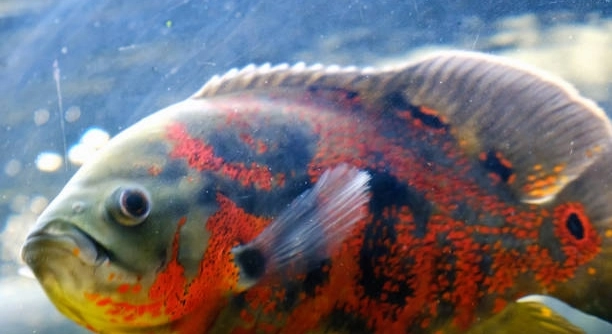
Oscar fish are known for their vibrant personalities and ability to adapt to different environments. However, sudden changes can leave them confused or stressed. Understanding what might cause these reactions helps ensure their well-being.
The most common triggers for sudden changes that confuse Oscar fish include alterations in water temperature, water quality, tank setup, feeding schedule, and lighting. These shifts disrupt their routines and cause stress, leading to health and behavioral issues.
Managing their habitat is key to keeping Oscar fish comfortable. With the right care and awareness, their environment can remain stable and stress-free.
Sudden Water Temperature Changes
Oscar fish are highly sensitive to shifts in water temperature. Even a few degrees can make them feel stressed or uncomfortable. They prefer a stable environment with temperatures between 74°F and 80°F (23°C to 27°C). If the water fluctuates too much, it can lead to unhealthy behaviors like hiding or refusing food. In some cases, drastic changes can even cause illness.
These fish are cold-blooded, meaning their body temperature changes with the water around them. Therefore, maintaining a constant temperature is essential. Using a reliable heater and thermometer can help prevent temperature swings.
When setting up your tank, it’s important to place the heater near a water flow area to ensure even distribution of warmth. Sudden temperature changes can also occur if you’re doing water changes and don’t match the temperature of the new water. It’s always best to add water that is close to the current tank temperature. Avoid using hot or cold water from the tap for changes.
Water Quality Shifts
Oscar fish are quite sensitive to the quality of the water they live in. Small changes in pH levels or the accumulation of toxins can stress them out. Regular water testing and filtration are essential to keep things stable.
Maintaining clean water is crucial for Oscar fish. The water should be free from ammonia, nitrites, and nitrates. These toxic substances build up in the tank if not regularly removed through water changes. A good filtration system will help keep the water clean and balanced, but testing for changes in water parameters should be done frequently to spot any potential issues early.
Changes in Tank Setup
Oscar fish are territorial and thrive in a consistent environment. Moving decorations or rearranging the tank can unsettle them, making them feel unsafe. They prefer familiar spaces and can become stressed if their environment is frequently altered.
A sudden change in the layout of the tank can disrupt their sense of security. This can cause Oscar fish to act aggressively, hide, or swim erratically. It’s important to set up the tank with a good balance of hiding spots and open space, and only make small adjustments when necessary.
Oscar fish often recognize objects and spots within their tank, and removing or changing them can make them anxious. If you must change the tank layout, try to avoid sudden large adjustments. If you move decorations, try to do so in small increments, allowing your fish to adjust.
Changes in Feeding Schedule
Oscars are known for their regular feeding habits, and any sudden changes can confuse them. If you change feeding times or amounts unexpectedly, it can lead to stress and changes in behavior.
Keeping a consistent feeding schedule is important for Oscar fish. They often learn to expect food at certain times, and disruptions can cause them to feel uncertain or anxious. It’s also important to avoid overfeeding, as it can lead to water quality issues. If you need to adjust the schedule, do so gradually.
Oscar fish also prefer a varied diet. If you suddenly switch to a new type of food or feeding method, it can cause confusion or even digestive issues. Stick to a balanced diet and keep feeding times predictable. This stability helps keep them comfortable and healthy.
Changes in Lighting
Oscar fish are sensitive to lighting, and sudden changes can cause them stress. They prefer a steady light cycle, with periods of darkness to rest. Interrupting their day-night cycle can impact their mood and behavior.
Changing the light intensity or duration suddenly can confuse your fish. It’s important to keep the lighting as consistent as possible. If you must change the lights, do it gradually. A consistent light schedule mimics their natural environment and reduces stress.
Overcrowding the Tank
Overcrowding can lead to stress and aggression in Oscar fish. When there are too many fish in a tank, Oscars may feel threatened and become territorial. This leads to fighting and poor water quality.
To keep your Oscar fish comfortable, maintain an appropriate stocking level for your tank size. A single Oscar fish in a large tank is ideal, as it gives them enough space to roam without feeling crowded. If you do have tank mates, ensure they are compatible and that the tank size is large enough for everyone to live peacefully.
FAQ
How can I prevent stress in my Oscar fish?
To prevent stress in your Oscar fish, it’s crucial to maintain a stable environment. This includes keeping water temperature, quality, and tank setup consistent. Avoid sudden changes in lighting, water parameters, or the tank layout. Additionally, maintain a regular feeding schedule and avoid overcrowding. Regular water changes and a good filtration system will help ensure the water remains clean and safe for your Oscar. Providing hiding spots can also help them feel secure.
What size tank is best for an Oscar fish?
Oscar fish require a large tank, as they can grow quite large. The minimum tank size for one adult Oscar is 55 gallons, but larger tanks, such as 75 to 100 gallons, are better. The extra space allows the fish to move freely and reduces the chances of territorial behavior. It’s essential to provide enough space for swimming and for them to have hiding spots to feel safe.
How often should I change the water in my Oscar fish tank?
Oscar fish tanks should have regular water changes to maintain water quality. Aim for a 25-30% water change every week or every other week, depending on the tank’s size and filtration. Over time, the water will build up ammonia, nitrates, and other toxins, so regular water changes help remove these harmful substances. Testing the water weekly can help you stay on top of its condition.
Can Oscar fish live with other fish?
Oscar fish can live with other fish, but it’s essential to choose compatible tank mates. Oscars are territorial and sometimes aggressive, especially with smaller fish or those that invade their space. Larger, peaceful fish like certain cichlids or catfish can be suitable tank mates, but it’s important to ensure they can hold their own. Avoid keeping Oscars with very small or slow-moving fish, as they may be seen as food.
Why is my Oscar fish hiding?
Hiding is a natural behavior for Oscar fish when they feel stressed, insecure, or unwell. It can also be a sign of illness or discomfort. If you notice your Oscar hiding more than usual, check the water quality, temperature, and make sure the tank environment is stable. If the hiding continues or is accompanied by other symptoms, such as lack of appetite or abnormal swimming, it could be time for a trip to the vet.
How can I tell if my Oscar fish is sick?
Signs of illness in Oscar fish include loss of appetite, changes in color (fading or darkening), abnormal swimming (floating sideways or rubbing against objects), and visible sores or lesions. If your fish is not eating or seems lethargic, these are red flags. Additionally, look for any signs of bloating, redness around the gills, or abnormal growths. If you notice any of these signs, consult a vet or fish expert immediately.
What is the best diet for an Oscar fish?
Oscar fish are carnivores, so they require a protein-rich diet. High-quality pellets or flakes designed for large carnivorous fish are ideal. You can also feed them live or frozen foods such as worms, shrimp, and small fish. It’s important to provide variety to ensure a balanced diet. However, avoid overfeeding, as this can lead to water quality issues and obesity. Offering food 2-3 times a day in small portions is typically ideal.
Why is my Oscar fish eating less?
Reduced appetite in Oscar fish can be caused by several factors, including stress, poor water quality, illness, or a change in their environment. If your fish is eating less or refusing food altogether, start by checking the water conditions, especially temperature and pH levels. Also, ensure their diet is varied and nutritious. If the issue persists, consult a vet or aquarium expert to rule out any underlying health problems.
Do Oscars need a filter?
Yes, Oscar fish need a filter. They are messy eaters and produce a lot of waste, so having a good filtration system is essential to keep the water clean. A high-quality filter helps remove toxins like ammonia and nitrates, which build up quickly in the tank. Regular water changes will also help maintain a healthy environment, but a filter is vital for long-term tank health.
Can Oscars live in cold water?
Oscar fish cannot live in cold water. They thrive in warmer water, with an ideal temperature range between 74°F and 80°F (23°C to 27°C). Water that is too cold can cause them to become lethargic, stressed, and more susceptible to illness. Using an aquarium heater will help maintain a stable temperature and keep your fish healthy.
Oscar fish are fascinating creatures that bring a lot of personality to any aquarium. However, they are sensitive to changes in their environment, and even small adjustments can lead to stress or discomfort. Understanding what can confuse and stress your Oscar fish is essential for providing the best care possible. Keeping their environment stable is the key to their well-being. This means consistent water temperature, clean water, and a stable tank setup. Small changes, such as rearranging the tank or altering their feeding schedule, can upset their routine and cause anxiety.
One of the most important aspects of Oscar fish care is water quality. These fish produce a lot of waste, so regular water changes and proper filtration are necessary to keep their environment clean. Keeping the water free from harmful substances like ammonia and nitrates will ensure that your fish stay healthy. It’s also crucial to monitor the water temperature, as drastic fluctuations can cause stress or illness. Having a heater and a thermometer to maintain a stable temperature will help prevent issues. By keeping the water clean and at the right temperature, you’ll create a more comfortable and healthy space for your Oscar fish to thrive in.
Finally, understanding your Oscar fish’s behavior is a big part of maintaining their happiness. These fish are intelligent and can form bonds with their owners. They enjoy having a stable environment and will react poorly to disruptions in their space. Keep their tank size appropriate, avoid overcrowding, and provide hiding spots to make them feel secure. With the right care, your Oscar fish can live a long and healthy life. Remember, stability is key—maintaining a predictable routine in terms of feeding, tank setup, and water quality will go a long way in preventing confusion or stress for your Oscar.

Hello,
If you enjoy the content that we create, please consider saying a "Thank You!" by leaving a tip.
Every little bit helps us continue crafting quality advice that supports the health, happiness, and well-being of pets around the world, for pets of all shapes, sizes, and species.
We really appreciate the kindness and support that you show us!