
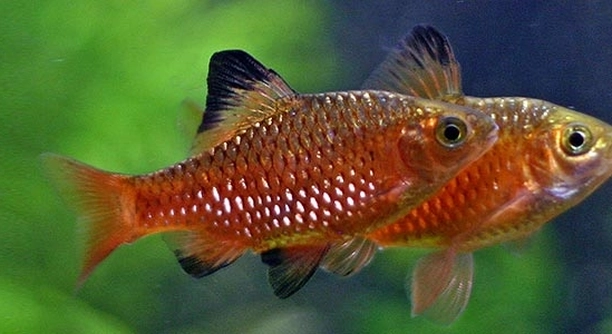
Rosy barbs are small freshwater fish often found in home aquariums. These lively creatures show curiosity in many quiet ways. Observing their behavior helps us understand their needs and moods better.
Rosy barbs express curiosity through subtle actions such as gentle fin movements, slight body tilts, and focused eye contact. These behaviors indicate their interest in surroundings and stimuli without overt displays. Understanding these signs improves fish care and interaction.
Recognizing these gentle cues allows aquarium owners to build a stronger bond with their rosy barbs and respond to their environment thoughtfully.
Gentle Fin Movements
Rosy barbs often move their fins softly when they notice something new or interesting in their tank. These gentle fin movements are a quiet way for them to signal curiosity without making sudden changes that might scare other fish. When a rosy barb flicks its fins slowly or slightly fans them out, it’s paying close attention. This can happen when a person approaches the tank or when a new object or decoration is added. These subtle actions help the fish gather information about their environment carefully. It also shows they feel safe enough to explore and observe calmly. Watching for these fin movements can give owners clues about how comfortable their fish feel and what catches their attention most in the tank.
Recognizing fin signals is useful to understand a rosy barb’s mood and curiosity levels.
When you see a rosy barb gently moving its fins, it means they are engaged with their surroundings. This behavior is a way of sensing and exploring without causing disruption. It’s different from fast or erratic fin movement, which usually signals stress or fear. By noticing these small fin actions, you can tell when the fish is relaxed yet curious. This helps you create a more stimulating and comforting tank setup that encourages natural behavior. Providing new plants or small changes can keep your rosy barbs interested and active, improving their overall well-being.
Slight Body Tilts
Slight tilting of the body is another subtle sign of curiosity in rosy barbs. When a fish leans or tilts toward something, it often wants a better look or is trying to learn more about it. This movement is usually slow and controlled, not sudden or sharp. It shows they are carefully assessing their environment before reacting. This behavior is common when food is placed in the tank or when there is movement outside. Watching for these body tilts helps identify what captures their interest and can improve how you interact with them.
Body tilts reflect a cautious but active interest in their environment.
When rosy barbs tilt their bodies slightly, it reveals their thoughtful approach to new stimuli. They aren’t startled but instead are gathering information by adjusting their view. This subtle action helps them feel safer while exploring. It also allows them to understand shapes, colors, and movements better, which is essential for their survival instincts. These small body shifts indicate mental engagement and can be seen as a sign of a healthy, curious fish. Observing this behavior can guide you in offering varied and enriching experiences in their habitat. It’s important to respect this gentle form of exploration, as it keeps them confident and content in their tank.
Focused Eye Contact
Focused eye contact is a unique way rosy barbs show curiosity. When they lock their gaze on something, they are paying full attention. This often happens when there is movement nearby, like a hand approaching or food dropping. Their eyes follow slowly and steadily, which means they are analyzing what’s happening. This behavior shows intelligence and interest without any sudden action. Focused eye contact helps fish understand threats or opportunities in their environment. It is a quiet but clear sign of their awareness and alertness.
Eyes fixed on a spot signal their intent to learn more.
Rosy barbs use their vision to make sense of their tank and the outside world. This steady eye focus is different from scanning or quick glances, which can mean nervousness. When they maintain eye contact, it shows they are curious but calm. This behavior is also a way to communicate with owners, showing they notice movements and care about what happens around them. Knowing this helps improve how you interact with your fish and keeps their environment interesting. Offering varied visuals in the tank, like plants or gentle lighting changes, can encourage more of this engaging behavior. It adds to the richness of their daily life.
Subtle Changes in Swimming Patterns
Small shifts in swimming habits often show a rosy barb’s curiosity. They might swim slower or circle around an object instead of ignoring it. These movements mean they want to explore something new.
When rosy barbs encounter unfamiliar items or changes in their tank, they often adjust their swimming style. Instead of moving quickly or erratically, they take slower, more deliberate paths. This careful approach helps them investigate safely. You might notice them swimming closer to plants or tank decorations they usually avoid. Sometimes, they will circle an object multiple times to fully understand it. These small changes in movement reveal their natural curiosity and need to gather information about their surroundings. Recognizing this behavior can guide you in keeping their environment stimulating and secure.
This slow and careful swimming allows rosy barbs to assess potential dangers or interesting features. It shows they feel safe enough to take their time exploring. Encouraging this behavior means regularly introducing subtle changes in the tank, like new plants or hiding spots. This keeps them active and mentally engaged. Watching how they move also helps detect any health or stress issues early, as unusual swimming can signal problems. Overall, these changes in swimming patterns are an important part of their curious nature.
Inspecting Objects Closely
Rosy barbs often get very close to new things in their tank. They may swim near and pause, looking carefully from different angles. This is a sign they are curious and learning.
By inspecting objects up close, rosy barbs use their senses to understand what’s around them. They don’t just glance; they take time to explore details. This could be a new decoration, a piece of food, or even reflections on the glass. Spending time near something unfamiliar helps them decide if it’s safe or worth investigating more. This behavior is a key way they adapt to changes in their environment. It shows they are active and alert, not just passive swimmers.
This close inspection also helps rosy barbs build confidence in their habitat. The more they explore, the more comfortable they become. This benefits their overall well-being and encourages natural behavior. Offering different textures and shapes in the tank can stimulate this curiosity further. Paying attention to how often they inspect objects can reveal what catches their interest most and helps you improve their living space.
Slow Approach Toward Movement
Rosy barbs often swim slowly toward new movements in or near their tank. This careful approach helps them observe without rushing or causing alarm. It’s a gentle way to satisfy their curiosity.
This slow movement shows the fish’s interest while keeping a safe distance. It’s different from sudden dashes that signal fear or stress. When they approach slowly, they are calmly exploring and learning about their environment.
Pausing Near Tank Glass
Rosy barbs frequently pause near the tank glass when someone is nearby. This moment of stillness indicates focused attention and curiosity. It’s their way of observing without immediate reaction.
Slight Gill Flare
A subtle gill flare can mean rosy barbs are curious. When they slightly open their gills, it helps increase oxygen intake, often during moments of interest or mild excitement. This physical cue is an important sign to notice.
Brief Nipping at Objects
Rosy barbs sometimes nip lightly at new objects or plants. This gentle nibble is not aggressive but a way to explore texture and taste. It reveals their curious nature and need to understand their surroundings better.
What does it mean when rosy barbs follow my finger?
When rosy barbs follow your finger along the tank glass, it shows their curiosity and recognition of movement. They watch carefully and swim alongside, trying to understand the motion outside their environment. This behavior often signals that they feel safe and interested, not threatened. It also shows they may expect something, like food or interaction, making this a gentle way to engage with your fish.
Why do rosy barbs seem to stare at new objects for a long time?
Rosy barbs stare at new objects to gather information slowly and safely. They don’t rush toward unfamiliar items because quick movement can bring risk. Instead, they observe quietly to decide if the object is safe or interesting. This cautious behavior helps protect them in the wild and allows them to adjust to changes in their tank without stress.
Is it normal for rosy barbs to swim close to each other when curious?
Yes, it is normal. Rosy barbs are social fish and often swim together, especially when exploring something new. Swimming close helps them feel more secure while investigating. This group behavior reduces fear and encourages collective curiosity, making it easier for them to explore their surroundings confidently.
Can rosy barbs’ curiosity be encouraged with tank decorations?
Absolutely. Adding new plants, rocks, or hiding spots can spark their interest and promote exploration. Changing the tank layout occasionally keeps the environment stimulating. These subtle updates provide fresh things to inspect, helping reduce boredom and supporting natural curious behaviors.
How can I tell if a rosy barb’s behavior shows curiosity or stress?
Curious behavior is calm and slow, like gentle fin movements or slow swimming toward something new. Stress usually shows in fast, erratic swimming, hiding, or clamped fins. Watching the overall mood and frequency of behaviors helps you understand their feelings. Curiosity looks relaxed; stress appears nervous or fearful.
Do rosy barbs use their senses besides sight to explore?
Yes, rosy barbs rely on more than just sight. They use their sense of smell and taste by nipping lightly at objects or sensing water changes. These senses help them understand their environment better and react to food or new elements in the tank. This multi-sense exploration is key to their survival and curiosity.
Why do rosy barbs sometimes flare their gills when observing something?
Gill flaring helps increase oxygen intake during moments of interest or mild excitement. When they flare their gills slightly, it shows they are alert and engaged. This subtle sign indicates mental activity and curiosity without stress or aggression.
Is it normal for rosy barbs to pause and tilt their bodies while exploring?
Yes, pausing and tilting help them get a better view of new objects or movements. These slow, controlled actions allow careful observation and reduce the chance of sudden danger. It’s a thoughtful behavior that shows they are processing information calmly.
How often should I introduce new items to encourage curiosity?
Introducing new items every few weeks works well to keep rosy barbs interested without causing stress. Too frequent changes can confuse or frighten them. Small, gradual additions or rearrangements provide enough novelty to stimulate curiosity while maintaining comfort.
Can rosy barbs become bored without new stimuli?
Yes, lack of new stimuli can lead to boredom and inactivity. Bored fish may show less curiosity and become less active, which can impact health. Providing variety through tank decorations, plants, or even changes in lighting helps keep their minds engaged and encourages natural curious behaviors.
Do rosy barbs recognize their owners?
They do show signs of recognition through consistent behaviors like following movements or approaching during feeding. While not understanding humans like pets such as dogs or cats, rosy barbs learn to associate owners with food and safety, which encourages curious and calm interaction.
Can rosy barbs’ curiosity help in identifying health issues?
Yes, changes in curiosity levels can signal health problems. A normally curious fish that suddenly becomes withdrawn or hides may be unwell. Observing their usual curious behaviors and noting any drop in activity or interest helps detect illness early and allows for prompt care.
How does water quality affect rosy barbs’ curiosity?
Poor water quality can reduce their activity and curiosity. Clean, well-maintained water supports healthy fish that feel safe exploring. Stress from bad water conditions causes them to hide or behave nervously. Regular water checks and maintenance encourage natural curious behavior.
Is it common for rosy barbs to explore at night?
Rosy barbs are mostly active during the day and rest at night. However, some gentle movement or short explorations might occur in dim lighting. Their curiosity is lower at night, as resting is important for their health and energy.
Can rosy barbs’ curiosity be a sign of intelligence?
Their curiosity reflects basic learning and survival skills rather than complex intelligence. Still, these fish show memory and recognition through their behaviors, which helps them adapt to their environment. This level of curiosity is important for their daily care and well-being.
Rosy barbs show curiosity in many quiet and gentle ways. Their small movements, such as slow fin flicks or body tilts, help them learn about their surroundings without causing stress. These subtle behaviors let them explore safely, which is important for their comfort and well-being. Watching how they react to changes in their tank or new objects can tell you a lot about how they feel. When they approach slowly or pause near something, it means they are interested but also careful. This natural curiosity helps them adapt and stay healthy in their environment.
Understanding these small signs of curiosity can improve how you care for rosy barbs. By noticing their gentle swimming changes, focused eye contact, or even slight gill flares, you get clues about what they find interesting or safe. This helps you create a tank environment that feels secure and stimulating. Adding new plants or decorations in a slow and steady way keeps their minds active. When they feel engaged, they show more natural behaviors and appear more lively. This also helps prevent boredom and reduces stress, which is important for their long-term health.
Paying attention to rosy barbs’ curious behaviors builds a better connection between you and your fish. It shows you care about their needs and want to support their natural instincts. Curiosity is part of how they explore and understand their home, so encouraging this behavior is good for their quality of life. Whether they are nipping gently at a new plant or swimming slowly to check out a change, these small actions are meaningful. Keeping their environment varied and comfortable will help your rosy barbs stay happy and healthy.

Hello,
If you enjoy the content that we create, please consider saying a "Thank You!" by leaving a tip.
Every little bit helps us continue crafting quality advice that supports the health, happiness, and well-being of pets around the world, for pets of all shapes, sizes, and species.
We really appreciate the kindness and support that you show us!