
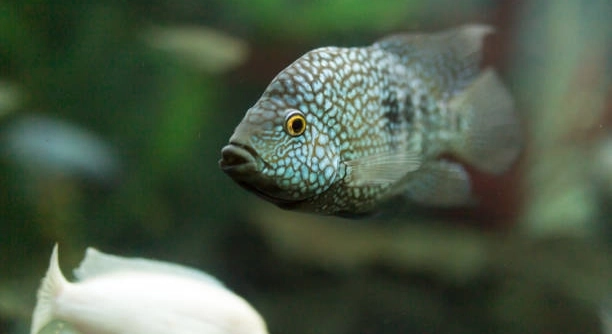
Have you ever noticed how your Jack Dempsey fish seem to react to each other in subtle ways? Their small gestures and changes in appearance can reveal a lot about their mood and intentions. Watching them closely is always rewarding.
Jack Dempsey fish communicate through a combination of color shifts, fin movements, body postures, and minor vibrations. These signals allow them to establish territory, signal aggression, attract mates, and maintain social order within their environment effectively and efficiently.
Observing these behaviors can improve your understanding of your fish’s needs. Each movement or color change carries meaning that is important for their care and wellbeing.
Color Changes
Jack Dempsey fish use color changes to communicate mood and intentions. When they feel threatened or stressed, their colors often darken. Bright, vibrant colors usually signal confidence or readiness to mate. These shifts are not random; they convey specific messages to other fish nearby. Observing these changes can help you understand interactions in the tank and respond appropriately. For example, if your fish darkens near a new tankmate, it may be a sign of stress or territorial behavior. Over time, you can notice patterns and recognize what each color signal means for your fish. This non-verbal communication is subtle but powerful, allowing them to maintain social structure without constant aggression. Colors also play a role in attracting mates during breeding periods. Understanding these signals can improve tank management and reduce conflicts. Monitoring color changes requires patience, but it rewards with a clearer understanding of your fish’s behavior and wellbeing.
Color changes are an important signal that reflects mood, health, and social interactions, helping Jack Dempsey fish manage relationships.
Noticing these color shifts allows you to adjust tank conditions, manage aggression, and enhance their overall comfort. Recognizing patterns makes daily observation more meaningful.
Fin and Body Movements
Fin flaring and body postures are essential communication tools.
Jack Dempsey fish often flare their fins to assert dominance or warn intruders. Slow, deliberate movements may indicate caution or curiosity, while rapid darting can signal agitation or excitement. By positioning their bodies a certain way, they establish territory and hierarchy within the tank. Even small movements, like subtle side-to-side sways, carry meaning. Observing these gestures allows you to anticipate interactions and prevent unnecessary stress. During mating periods, males often display exaggerated movements to attract females. Similarly, defensive postures help avoid conflict by showing strength without actual fighting. Understanding these movements also helps in monitoring health, as lethargic or unusual postures can indicate illness or discomfort. Overall, body language is a quiet but clear form of communication that Jack Dempsey fish rely on heavily to navigate their environment. Awareness of these signals helps you create a balanced and harmonious tank.
Vibrations and Water Movements
Jack Dempsey fish create subtle vibrations to communicate. These movements can signal agitation, curiosity, or warning to nearby fish. They use gentle pulses through the water to convey messages without visible aggression, allowing others to respond appropriately and maintain social balance.
These fish often rely on water vibrations when visibility is low or when other fish are hidden behind decorations. By moving their fins or tails in controlled ways, they produce ripples that nearby fish can sense. These signals can indicate readiness to mate, territorial boundaries, or alert others to potential danger. Observing these movements helps you interpret interactions without invasive monitoring. Tankmates pick up on these vibrations instinctively, often adjusting their own behavior in response. Understanding this subtle form of communication adds another layer to caring for your Jack Dempsey fish. It also highlights their intelligence and adaptability in using multiple channels to interact effectively.
Vibrations often accompany other signals like color shifts or body posture. Combined, these cues create a rich communication system. By watching for consistent patterns, you can predict behaviors, reduce conflicts, and better manage your tank. This method also emphasizes how sensitive Jack Dempsey fish are to their environment, responding to both external changes and internal social dynamics. Recognizing vibrations strengthens your awareness of their health and emotional state, allowing for more responsive care and a calmer aquarium environment overall.
Eye Movements
Jack Dempsey fish use eye movements to communicate subtle signals. Shifts in gaze direction or blinking frequency often indicate alertness or focus on a specific object or fish.
Observing their eyes provides insight into attention and intentions. For example, a fish staring at another may indicate territorial monitoring or mild aggression, while a relaxed gaze suggests comfort. During interactions with tankmates, rapid eye movements can indicate stress or heightened awareness. Eye cues often accompany other signals like fin flaring or body posture, forming a combined communication method. Understanding these movements allows better interpretation of social dynamics. Monitoring eye behavior can also help detect illness or discomfort early.
Eye movements are often paired with body language and color changes to provide context. By noting these patterns over time, you can anticipate interactions, prevent conflicts, and create a calmer tank environment. Tracking these cues enhances care routines and strengthens your understanding of each fish’s personality. Observing eye signals also improves awareness of subtle behavioral shifts, helping you respond to stressors or health concerns promptly. This attention to detail contributes to a more harmonious and balanced aquarium.
Mouth and Jaw Movements
Jack Dempsey fish use subtle jaw movements to communicate. Opening and closing their mouths slowly can signal caution or interest, while rapid movements often indicate agitation or dominance. These gestures help maintain social order without direct conflict.
During feeding or territorial disputes, mouth and jaw signals are common. They allow fish to express intentions without escalating into aggression. Watching these movements closely helps you interpret behavior and respond appropriately. Recognizing these cues can also indicate health issues, as abnormal movements may suggest stress or illness.
Body Vibrations
Body vibrations are another key communication method. Jack Dempsey fish create small tremors to convey warning, interest, or excitement. These vibrations travel through water, allowing nearby fish to sense changes in mood or alertness.
Subtle Tail Flicks
Tail flicks are quick, minor movements that communicate intent. They can indicate curiosity, mild irritation, or readiness to interact. Observing tail flicks helps interpret behavior and social dynamics in the tank.
FAQ
How do I know if my Jack Dempsey fish is stressed?
Stress in Jack Dempsey fish can show in several ways. Common signs include darkening of colors, erratic swimming, hiding more than usual, or refusing to eat. Excessive fin clamping or rapid breathing are also indicators. Observing daily behavior helps catch stress early and adjust tank conditions.
Why does my Jack Dempsey flare its fins at other fish?
Fin flaring is a natural way for Jack Dempsey fish to assert dominance or establish territory. This behavior often happens when new tankmates are introduced or if the fish feels its space is threatened. Watching the frequency and intensity of flaring can help you manage aggression.
Do Jack Dempsey fish communicate when breeding?
Yes, during mating, males often use vivid color changes, body postures, and fin displays to attract females. Subtle vibrations in the water and circling movements are common. These signals help coordinate spawning and reduce conflict between potential mates and rivals.
Can Jack Dempsey fish understand each other’s moods?
They can sense changes through body language, color shifts, and vibrations. A darker color or rapid movements can signal stress or aggression, while calm, steady movements suggest comfort. Tankmates often respond to these cues, adjusting behavior to avoid conflict.
What do subtle tail flicks mean?
Tail flicks usually indicate curiosity, mild irritation, or readiness to interact. These small movements are often paired with eye direction or body posture to give context. Observing when and how your fish flicks its tail helps interpret social dynamics in the tank.
Are eye movements important for communication?
Yes, eye shifts or focused gazes can show attention, alertness, or mild aggression. A relaxed gaze often signals calmness. Eye movements are subtle but combined with other signals, they provide insight into the fish’s intentions or reactions to changes in the tank.
How do water vibrations affect fish behavior?
Water vibrations are a quiet but effective communication method. Jack Dempsey fish sense nearby movements and respond to them instinctively. Vibrations can indicate territorial presence, excitement, or caution. Understanding these cues allows better observation of social interactions without disturbing the tank.
Do Jack Dempsey fish communicate differently with new tankmates?
Yes, new fish often trigger more pronounced signals. Color darkening, fin flaring, or body vibrations are common as they establish boundaries. Over time, communication may become more subtle once hierarchy and comfort levels are set. Monitoring these behaviors helps prevent unnecessary stress and conflicts.
Can communication signals indicate illness?
Abnormal or inconsistent behaviors like lack of color change, constant hiding, or unusual fin and tail movements can signal health issues. Paying attention to subtle changes in communication patterns can alert you to illness before visible symptoms appear.
How can I encourage healthy communication in my tank?
Provide enough space, hiding spots, and stable water conditions. Proper nutrition and minimal stress allow Jack Dempsey fish to express natural behaviors. Observing and understanding their signals helps maintain a calm and balanced environment where communication is effective and conflicts are minimized.
Do Jack Dempsey fish use multiple signals at once?
Yes, they often combine color changes, fin movements, tail flicks, body posture, and vibrations. Using multiple signals allows for clearer messages and reduces misunderstandings. Watching the combination of these cues provides a more complete understanding of their interactions.
How long does it take to read a fish’s signals reliably?
It varies depending on observation consistency. Regularly watching your fish helps recognize patterns and understand individual personalities. Over weeks or months, subtle cues like eye shifts, tail flicks, and color changes become easier to interpret accurately.
Can subtle communication prevent fights?
Yes, these signals allow fish to warn each other without physical confrontation. Proper recognition of warnings and displays helps maintain hierarchy and reduces stress-related injuries in the tank. Creating a suitable environment strengthens these non-aggressive communication methods.
Are communication signals the same in small and large tanks?
The principles remain the same, but space affects visibility and response. In larger tanks, vibrations and subtle signals may carry differently, requiring closer observation. Providing adequate space ensures signals are interpreted correctly and reduces stress from misunderstandings.
What should I do if two Jack Dempsey fish show constant aggression?
Separate them temporarily or provide visual barriers. Monitor fin flaring, color changes, and tail flicks to assess readiness for reintroduction. Ensuring enough space and hiding spots can reduce conflicts, allowing natural communication to reestablish a peaceful hierarchy.
Do young Jack Dempsey fish communicate differently than adults?
Juveniles tend to use more subtle and less consistent signals. As they grow, behaviors like fin flaring, color changes, and body vibrations become more pronounced and purposeful. Observing young fish carefully helps you understand how their communication develops over time.
How can I tell if a communication signal is positive or negative?
Context is key. Calm body posture, slow movements, and steady colors usually indicate positive or neutral signals. Rapid changes, darkening colors, or repeated fin flaring typically show stress, aggression, or caution. Observing patterns over time improves interpretation accuracy.
Is it possible to teach myself to read fish signals?
Yes, consistent observation and note-taking help recognize patterns. Focus on combinations of behaviors rather than isolated gestures. Understanding context, timing, and reactions of other fish improves your ability to interpret subtle communication reliably and respond appropriately.
Do Jack Dempsey fish communicate with other species?
They primarily communicate with their own species, but other fish can detect vibrations, color changes, and postures. Responses from other species may be limited, but they can influence tank dynamics, especially in mixed aquariums with territorial or sensitive fish.
How often should I observe my fish to understand communication?
Daily observation, even for a few minutes, is effective. Noting changes in behavior, color, and movement patterns consistently helps track moods, interactions, and potential stressors. Over time, you build a clear understanding of each fish’s communication style.
Do environmental changes affect communication?
Yes, changes in temperature, lighting, or water quality can alter signaling. Stressful conditions may increase aggression or hide subtle signals. Maintaining stable, clean water and a comfortable environment ensures natural communication and reduces misunderstandings in the tank.
Can multiple communication signals happen at the same time?
Yes, Jack Dempsey fish often combine color changes, fin and tail movements, body posture, and vibrations simultaneously. This layered signaling ensures messages are clear, reduces conflict, and helps fish coordinate behaviors like mating, territorial defense, and social hierarchy maintenance.
How do I document communication patterns effectively?
Use a journal or app to record date, time, behaviors, and tank context. Note which fish are involved and the signals observed. Over time, patterns emerge, helping predict interactions, prevent conflicts, and maintain a healthy, harmonious tank environment.
Are there signals unique to individual fish?
Yes, each fish has slight variations in behavior and intensity of signals. Recognizing individual differences improves understanding of personality, stress responses, and social preferences. Paying attention to these nuances helps provide tailored care and fosters a calmer tank environment.
Can communication signals change over time?
Yes, signals evolve as fish mature, adjust to tankmates, or respond to environmental changes. Tracking these changes helps anticipate behaviors, manage stress, and support social stability in the tank. Adapting to these shifts improves fish welfare and interaction quality.
Does feeding influence communication?
Feeding often triggers heightened activity, fin displays, and tail flicks. Fish communicate readiness, hunger, or competition during feeding times. Observing these signals helps manage feeding routines and reduce aggression, ensuring all fish get adequate nutrition.
Can stress mask natural communication?
Yes, stressed fish may hide signals, show unusual color changes, or remain inactive. Recognizing stress-related changes helps differentiate between normal communication and problem behaviors, allowing for prompt adjustments to tank conditions or social arrangements.
Are all Jack Dempsey fish equally expressive?
No, individual personalities vary. Some fish show strong, frequent signals, while others communicate subtly. Understanding these differences allows better interpretation of behaviors, prevents misunderstandings, and ensures proper care tailored to each fish’s temperament.
Can communication help identify health issues early?
Yes, changes in normal signals like reduced fin flaring, abnormal tail flicks, or unusual color patterns can indicate illness. Early detection through communication observation supports timely interventions, improving chances of recovery and maintaining a healthy tank.
How long does it take to become proficient in reading signals?
Consistency is key. Daily observation over weeks to months allows recognition of subtle behaviors, patterns, and individual differences. Patience and careful attention gradually build confidence in understanding Jack Dempsey fish communication.
Does tank size affect communication visibility?
Yes, larger tanks may make subtle signals harder to notice, while small tanks can amplify interactions. Providing proper space and hiding spots ensures signals are clear and reduces stress or conflict among fish.
Can environmental enrichment impact communication?
Yes, decorations, plants, and hiding spaces influence signaling. They provide context for territorial displays, reduce stress, and allow fish to express natural behaviors more effectively. Enrichment supports healthy communication and improves overall tank dynamics.
Do Jack Dempsey fish communicate differently at night?
Some behaviors, like body posture and tail flicks, may be less visible, but vibrations and subtle movements still occur. Observing fish at different times provides a fuller understanding of communication patterns and social interactions.
Can multiple males communicate without fighting constantly?
Yes, clear signals like color changes, fin flaring, and body posture help establish hierarchy without constant fighting. Providing enough space and hiding spots allows communication to maintain order peacefully.
How do I interpret combined signals effectively?
Look at context, frequency, and combinations of color, fin, tail, body, and eye movements. Observing interactions consistently helps identify meaning, anticipate behaviors, and maintain harmony among fish.
Can I train myself to recognize signals faster?
Yes, regular observation and note-taking improve recognition. Focusing on patterns, combinations of behaviors, and individual differences accelerates understanding, allowing timely responses to stress, aggression, or social cues.
Are some signals more important than others?
Some signals, like fin flaring or color darkening, indicate immediate stress or aggression. Others, like subtle tail flicks or eye movements, are secondary but still provide context. Paying attention to all signals offers the most accurate understanding.
How do I balance multiple fish in one tank?
Monitor signals closely to prevent conflicts. Ensure adequate space, hiding spots, and stable water conditions. Observing communication helps you intervene when necessary, maintain hierarchy, and promote calm interactions.
Can observing communication improve long-term fish care?
Yes, understanding signals allows early detection of stress, illness, or conflict. It supports better tank management, reduces aggression, and ensures healthier, more comfortable conditions for all fish.
Do signals change with tank lighting?
Lighting affects visibility of color changes and subtle movements. Adjusting light intensity can help you see signals more clearly and reduce stress, making interpretation more accurate.
How important is patience in reading communication?
Extremely important. Many signals are subtle and take time to recognize. Patience allows accurate interpretation, better care, and a stronger understanding of your fish’s social and emotional needs.
Can observing communication strengthen the bond with your fish?
Yes, understanding their subtle signals fosters a responsive and attentive environment. Recognizing moods, stress, and interactions enhances care and creates a stable, harmonious tank where fish thrive.
Are signals consistent across all Jack Dempsey fish?
Most signals are similar, but individual differences exist. Each fish may have unique intensity, timing, or frequency of gestures. Noticing these variations helps interpret behavior accurately and respond to individual needs.
Do signals change during illness recovery?
Yes, recovering fish may show reduced activity, muted colors, or slower responses. Observing these changes helps monitor healing progress and ensure environmental conditions support recovery effectively.
How do I document communication for future reference?
Use a log or app to track behaviors, signals, tank conditions, and interactions. Over time, patterns emerge, helping anticipate needs, prevent conflicts, and improve care strategies.
Can communication signals indicate social preference?
Yes, fish often direct specific signals toward certain tankmates. These cues can indicate comfort, dominance, or avoidance, helping you understand social relationships and manage interactions in a multi-fish tank.
Do feeding times alter communication?
Feeding triggers more active behaviors, fin displays, and tail flicks. Observing these signals helps manage aggression, ensure all fish are fed, and maintain calm interactions.
Are subtle signals easier to see in smaller tanks?
Yes, in smaller tanks, gestures, color changes, and tail flicks are more visible. However, smaller spaces may increase stress or conflict, so balance observation with adequate environment management.
How do I respond to aggressive signals?
Provide space, visual barriers, or separate fish temporarily. Monitoring fin flaring, color changes, and body posture helps determine when reintroduction is safe, reducing stress and potential injury.
Do Jack Dempsey fish communicate differently in groups versus pairs?
Yes, in groups, signals help establish hierarchy and prevent constant fighting. In pairs, signals are often more direct and frequent, as they negotiate territory and social dynamics.
Can signals predict breeding behavior?
Yes, males often intensify color, fin displays, and vibrations during mating periods. Observing these cues helps anticipate spawning and prepare tank conditions accordingly.
How long do communication signals last?
Some signals, like fin flaring, are brief, while color changes or body postures can persist longer. Duration often depends on context, stress level, or social interaction intensity.
Are signals stronger during territorial disputes?
Yes, during conflicts, fin flaring, color darkening, and body vibrations are more pronounced. These signals help fish avoid direct fighting while establishing boundaries.
Do tank decorations affect communication?
Yes, hiding spots and plants influence visibility, territorial displays, and interactions. Proper setup ensures signals are visible but also allows fish to retreat, reducing stress.
Can environmental stress hide natural signals?
Yes, poor water quality, sudden changes, or overcrowding can suppress normal gestures, color changes, and body movements. Maintaining stable conditions ensures accurate communication and healthier behavior patterns.
Is it necessary to monitor signals daily?
Yes, daily observation helps detect changes, understand behavior patterns, and respond to stress or illness early. Consistency improves your ability to interpret communication accurately.
Do signals change with age?
Yes, juveniles communicate more subtly, while adults use stronger, more purposeful signals. Tracking these changes helps understand social and developmental stages.
Can misreading signals cause problems in a tank?
Yes, misunderstanding aggression or stress cues may lead to fights, stress, or injury. Careful observation and attention to patterns prevent conflicts and maintain a peaceful environment.
Are signals consistent across different environments?
Most communication patterns are consistent, but environmental factors like tank size, light, and water movement can affect visibility and frequency. Adjusting conditions ensures signals remain interpretable.
How do I encourage natural communication in my tank?
Provide space, stable water, hiding spots, and proper nutrition. A calm, enriched environment allows fish to display natural behaviors, improving social interaction and wellbeing.
Can I combine observation with other care techniques?
Yes, monitoring communication alongside water quality, diet, and health checks provides a complete approach. Understanding signals enhances responsiveness, prevents stress, and maintains a balanced, healthy tank.
Do Jack Dempsey fish communicate differently in captivity versus the wild?
The basic signals remain the same, but confined spaces and fewer environmental stimuli may amplify or slightly alter behaviors. Observing closely in captivity allows you to adapt care to meet their communication needs effectively.
Can communication signals fade with illness or old age?
Yes, illness or aging can reduce intensity or frequency of color changes, fin flaring, and tail movements. Monitoring these shifts helps detect problems and adjust care for comfort and health.
Are some fish more expressive than others?
Yes, individual temperament affects signal visibility and frequency. Some fish are naturally bold and communicative, while others are subtle. Recognizing these differences helps tailor observation and care strategies.
How can I practice reading signals more effectively?
Spend time watching each fish daily, note behaviors, and compare reactions across situations. Observing patterns and context improves interpretation, strengthens understanding, and allows timely intervention when needed.
Can signals be used to prevent aggression proactively?
Yes, recognizing early warning signs like color darkening or fin flaring allows interventions before fights occur. Adjusting space, hiding spots, or separating fish temporarily reduces stress and injury.
Do all signals carry the same meaning for each fish?
Most signals have similar meanings, but slight individual differences exist. Understanding personality, context, and environment ensures accurate interpretation of gestures and behaviors.
How important is context in interpreting signals?
Extremely important. The same gesture can mean different things depending on surrounding fish, tank conditions, or time of day. Context helps distinguish aggression from curiosity or mating behavior.
Can observing communication improve feeding routines?
Yes, noticing when fish are attentive, excited, or aggressive during feeding helps distribute food evenly, reduce stress, and ensure all fish receive proper nutrition.
Are signals more frequent during certain times of day?
Yes, activity peaks in the morning or around feeding. Recognizing daily patterns allows better observation, care planning, and monitoring of social interactions.
Do environmental changes affect signal intensity?
Yes, temperature shifts, light changes, or water movement can make signals more pronounced or suppressed. Stable conditions maintain natural communication and reduce misinterpretation.
Can I use signals to choose tankmates?
Yes, observing interactions and responses helps select compatible fish. Understanding communication reduces aggression, ensures harmony, and supports a peaceful community tank.
How do signals influence social hierarchy?
Color changes, fin flaring, and body posture help establish dominance without constant fighting. Signals maintain order and prevent unnecessary stress among tankmates.
Are some signals only visible at close range?
Yes, subtle tail flicks, minor eye shifts, or slight vibrations require attentive observation. Being close to the tank improves detection and understanding of these small cues.
Do Jack Dempsey fish adjust signals based on individual relationships?
Yes, interactions vary depending on familiarity, hierarchy, and previous encounters. Observing these nuances helps understand personalities and maintain a stable tank environment.
Can tracking signals over time improve long-term tank management?
Yes, documenting behaviors, responses, and social dynamics allows prediction of conflicts, early detection of stress or illness, and better care routines. Consistent monitoring leads to a healthier, calmer aquarium.
Are communication patterns different during breeding seasons?
Yes, males intensify color, fin displays, and movements to attract females. Signals become more frequent and pronounced to coordinate mating and reduce misunderstandings.
Do environmental stressors affect reproductive signals?
Yes, poor water quality or overcrowding can suppress mating behaviors and displays. Providing optimal conditions ensures natural communication during breeding.
**Can signals help detect bullying or dominance issues?
Final Thoughts
Jack Dempsey fish are fascinating creatures, and their communication methods show just how intelligent and social they are. They do not rely on loud displays or constant movement, but rather on subtle signals that convey important messages. Observing color changes, fin and tail movements, body posture, eye shifts, and even vibrations in the water can reveal a lot about their mood, intentions, and social interactions. Each gesture serves a purpose, whether it is to establish territory, express stress, attract a mate, or maintain hierarchy within the tank. Over time, paying attention to these cues allows you to better understand your fish and their personalities.
Learning to read these signals takes patience, but it is rewarding. Daily observation helps you notice patterns and subtle behaviors that may otherwise go unnoticed. Some fish are more expressive, while others communicate in small, quiet ways. Recognizing these differences is important, as it helps prevent misunderstandings or unnecessary stress. Being aware of your fish’s signals also allows you to respond appropriately, whether it means providing more space, adjusting tank conditions, or monitoring for signs of illness. By interpreting their communication accurately, you can create an environment that feels safe and comfortable for them, reducing conflict and promoting natural behaviors.
Understanding Jack Dempsey fish communication can improve not only your ability to care for them but also your overall appreciation for their behavior. They are not just visually striking but also highly observant and responsive to each other. Every subtle movement or color change carries meaning, and learning to read these cues makes interacting with them more enjoyable. Maintaining stable water conditions, offering adequate space, and providing hiding spots all contribute to healthy communication. Paying attention to these signals can help detect stress, aggression, or health issues early, giving you the opportunity to take action. Observing your fish closely allows you to support their wellbeing, strengthen social harmony in the tank, and enjoy the quiet complexity of their interactions. With patience and attention, you can gain a deeper understanding of these remarkable fish and create an aquarium environment where they thrive.

Hello,
If you enjoy the content that we create, please consider saying a "Thank You!" by leaving a tip.
Every little bit helps us continue crafting quality advice that supports the health, happiness, and well-being of pets around the world, for pets of all shapes, sizes, and species.
We really appreciate the kindness and support that you show us!