
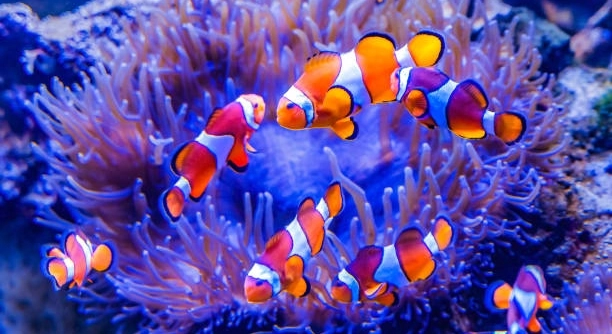
Have you ever watched clownfish swim through coral reefs and wondered how they manage to keep their space safe from intruders?
Clownfish protect their territory through subtle behaviors such as aggressive posturing, vocal sounds, chasing, and selective habitat use. These methods help them defend their host anemone and maintain dominance over their immediate environment.
These small, vibrant fish rely on quiet but effective strategies that often go unnoticed at first glance, revealing a deeper world of underwater communication and control.
Chasing Off Intruders
Clownfish do not hesitate to chase away other fish that come too close to their anemone. This aggressive behavior keeps their home protected and ensures that only approved tank mates or fellow clownfish remain nearby. These chases may seem harmless, but they serve a strong purpose. Clownfish are fiercely territorial and rely on quick, darting movements to warn off invaders. Their actions are not random. They are protecting both their food source and breeding space. The anemone offers shelter, and clownfish cannot risk losing access to it. Chasing becomes a natural part of their daily routine, and they are surprisingly bold for such small fish. Even larger fish may be met with resistance. These defensive tactics help keep their space stable and safe for both themselves and their mates. In confined reef spaces, guarding territory becomes essential for long-term survival and reproduction.
This chasing habit is especially common when clownfish are guarding eggs or caring for young.
Even when food is plentiful and threats seem minimal, clownfish still stay alert. Their quick actions serve as a first warning before a real fight begins. The goal is simple—keep their space protected with minimal risk or damage to themselves.
Warning Clicks and Sounds
Clownfish also rely on low clicking and popping sounds to communicate territorial warnings. These vocal signals are part of their defense and often come before physical aggression.
These sounds are used mostly between clownfish and are triggered during disputes or when asserting dominance. Clicking is especially common between females and males in a pair bond, where the female leads. These sounds aren’t always heard by humans but are easily detected underwater. They are a clear message meant to establish boundaries. A smaller clownfish may back off quickly after hearing clicks from a larger one. By using sound instead of constant fighting, clownfish reduce stress and avoid injury. It also strengthens the social structure within the group. Each fish knows its place. These vocal cues support a peaceful but controlled living space, especially in tight reef systems. Over time, these behaviors create balance, keeping both the pair bond and the shared anemone safe.
Staying Close to Their Anemone
Clownfish rarely wander far from their host anemone. Staying close helps them guard their territory, find food easily, and stay protected from predators. The anemone acts as both a shield and a home base.
Clownfish and anemones have a close relationship built on protection. The clownfish gains shelter from predators by hiding in the anemone’s stinging tentacles, which it has adapted to tolerate. In return, the clownfish keeps the anemone clean and helps circulate water around it. Because of this bond, clownfish stay near their host at all times. This behavior helps them monitor their space and react quickly to threats. If another fish comes too close, the clownfish can act fast. By staying near their anemone, clownfish also secure their nesting site, where they often lay eggs. This attachment to their habitat is not only instinctive but also essential for daily survival and reproductive success.
A clownfish’s constant presence around the anemone sends a strong message to other reef inhabitants. It shows that the space is occupied and not open for sharing. This consistency keeps competitors away without constant aggression. The anemone also gives clownfish a vantage point, helping them observe their surroundings and control movement in and out of their zone. It’s a quiet but firm way of setting limits.
Biting as a Final Warning
When chasing and sounds aren’t enough, clownfish use biting as a last resort. It is not their first move, but it is effective. The bite is small but sends a clear warning to back off immediately.
Biting usually happens when another fish refuses to leave the anemone area. Clownfish will snap quickly and pull back just as fast. These bites are not meant to cause serious harm but are firm enough to show control. Clownfish bite both intruding fish and, sometimes, other clownfish that overstep their role. This behavior is more common in breeding pairs, where the female may bite to remind the male of her dominance. In tanks, some owners even report being nipped during cleaning. The bite shows just how seriously clownfish take their boundaries. While it may seem aggressive, it is just another step in maintaining structure and space around the anemone.
Blocking Entry with Their Bodies
Clownfish often block entry to their anemone by placing themselves between intruders and their space. This positioning works as a subtle barrier and keeps other fish from getting too close to the anemone or the eggs nearby.
This method is quiet but very effective. By simply staying in place and using their body as a shield, clownfish reduce the need for constant chasing or biting.
Patrolling Their Space
Clownfish regularly swim short, repeated paths around their anemone. These small patrols let them check for threats, food, or changes in their environment. This pattern of movement helps reinforce their control over the space and alerts others that the area is already claimed.
Chasing Off Their Own Kind
Even other clownfish are not always welcome. A dominant pair may drive away outsiders or lower-ranking individuals who try to settle too close to their chosen anemone.
FAQ
Do clownfish protect their anemone or just use it for shelter?
Clownfish do both. They rely on the anemone for protection, but they also help maintain it. By cleaning the anemone and chasing away intruders, clownfish play a role in keeping it healthy. Their movement increases water flow, which benefits the anemone. This mutual relationship helps both species thrive.
Can clownfish be aggressive toward other clownfish?
Yes. Clownfish often show aggression toward each other, especially when forming a social structure. The dominant female will assert control, while the male and other fish stay in lower ranks. New clownfish that enter the territory are often chased off or bitten. This behavior helps maintain order and protects the pair’s space.
Why do clownfish chase other fish away from the anemone?
Clownfish chase other fish to defend their territory. The anemone is not just a shelter; it’s where clownfish eat, rest, and lay eggs. If another fish gets too close, the clownfish sees it as a threat. Chasing is their way of warning others that the space is taken.
How do clownfish know which fish are a threat?
Clownfish respond to movement, size, and proximity. If a fish gets too close to the anemone or lingers nearby, the clownfish will often react. They’re especially alert to fish that move in a way that signals interest in the anemone or eggs. Over time, they learn which fish usually pose problems.
Do clownfish protect their eggs from other fish?
Yes, very carefully. Male clownfish usually take the lead in guarding and caring for the eggs. They fan them with their fins to provide oxygen and remove debris. If another fish approaches, the male becomes aggressive. The female also defends the nest if needed. Together, they keep the eggs safe.
Why do clownfish make clicking sounds?
Clicking is a form of communication. Clownfish use these sounds to show dominance, warn others, or signal stress. It’s a subtle but important part of their behavior. Clicking can reduce the need for fighting by sending a clear message early. It’s especially useful within pairs or when setting boundaries.
Can clownfish live without an anemone?
Yes, but it’s not ideal. Clownfish can survive without an anemone in captivity if they feel safe and have places to hide. In the wild, though, they rely heavily on the protection the anemone provides. Without it, they’re more vulnerable to predators and have fewer places to guard their space.
Are clownfish territorial even in aquariums?
Very much so. Even in tanks, clownfish show strong territorial behavior. They will pick a spot—usually near a rock, coral, or host anemone—and guard it. They may nip at your hand or chase other fish if they feel their area is being invaded. This is normal and shows their natural instincts.
What happens if two dominant clownfish live together?
They will likely fight. Clownfish social systems rely on a single dominant female and one breeding male. If two females or two dominant personalities share space, they may clash until one backs down or leaves the area. Compatibility and space are key to peaceful clownfish pairs.
How do clownfish choose their anemone?
They tend to select based on species compatibility and availability. Not all anemones work for all clownfish species. Once they find a match, the clownfish may perform a cautious “dance” to acclimate to the stings. After that, they begin forming their bond and defending the space almost immediately.
Final Thoughts
Clownfish are more than just colorful reef fish. Their behavior shows how much effort goes into protecting their home. Each action, whether it’s chasing, biting, or blocking entry, serves a real purpose. These fish use quiet but clear methods to defend their space. They don’t rely on loud signals or constant fights. Instead, they show control through smart choices and calm movements. Even their clicking sounds and patrol patterns help avoid problems before they start. Watching clownfish closely makes it clear how much planning and awareness goes into each move. They do not just react—they manage their environment with care.
Their bond with the anemone is a big part of this. Without the anemone, clownfish lose both shelter and a place to raise their young. That is why they guard it so closely. Every part of their routine ties back to the safety of that one space. Whether they’re fanning their eggs, chasing off a passing fish, or holding their ground near the tentacles, the goal is always the same—keep their space safe. Even in captivity, this instinct remains strong. Clownfish still choose a favorite corner, defend it, and treat it like their own. These patterns show how deep their need for order and safety really runs.
Understanding clownfish behavior can help anyone who keeps them or simply enjoys learning about marine life. Their methods may be subtle, but they work well. Clownfish do not act without reason, and their movements are shaped by a need for protection, order, and survival. Watching them closely reveals patterns that are easy to miss at first. But once you notice them, they become clear signs of a strong and natural instinct. These small fish do more than just swim through coral—they actively shape their surroundings. Their careful defense of space teaches us that even the smallest animals have complex behaviors, rooted in purpose and care. Whether in a reef or a home aquarium, clownfish quietly remind us how much work goes into keeping their space calm and secure.

Hello,
If you enjoy the content that we create, please consider saying a "Thank You!" by leaving a tip.
Every little bit helps us continue crafting quality advice that supports the health, happiness, and well-being of pets around the world, for pets of all shapes, sizes, and species.
We really appreciate the kindness and support that you show us!