
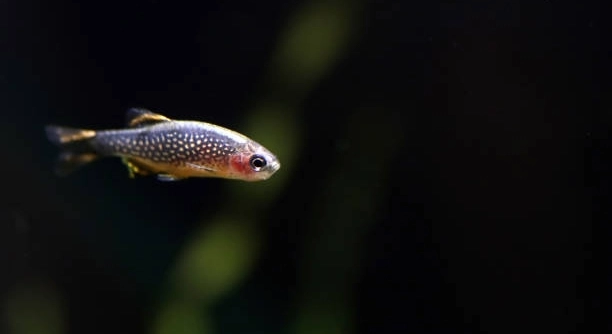
Celestial Pearl Danios are small, colorful fish that brighten any freshwater tank. They are active swimmers and enjoy interacting with each other in subtle ways that often go unnoticed by many aquarists.
Celestial Pearl Danios communicate primarily through body movements, fin displays, color changes, and subtle interactions with tank mates. These behaviors convey social hierarchy, readiness to feed, mating intentions, and stress levels, allowing them to maintain social harmony in their aquatic environment.
Observing these tiny gestures can reveal a lot about their social dynamics and emotional state, providing a richer understanding of these charming little fish.
Fin Flicks and Tail Twitches
Celestial Pearl Danios often signal each other through quick flicks of their fins or small tail movements. These gestures are usually subtle, but they carry meaning for those paying attention. A slight flick can indicate alertness, a warning, or an invitation to swim closer. Tail twitches often accompany body quivers when they are exploring new areas or interacting with tank mates. In group settings, you might notice one fish nudging another with its tail to establish spacing or dominance. These tiny movements are essential for maintaining harmony and avoiding conflicts within the tank. They can also indicate excitement or anticipation, especially during feeding times. Observing these signals regularly can help you understand each fish’s personality and mood. Over time, patterns emerge that reveal the social structure of the group, showing which fish are leaders, which are shy, and which enjoy being near each other. Even minor changes in flicks or twitches can hint at health or stress concerns.
Subtle fin flicks are a natural form of communication that help maintain balance and cohesion among the group.
When I first noticed the fin flicks, I realized how much these tiny gestures could tell me. Watching them carefully, I could see which Danios were confident and which were more hesitant. It became a way to track their interactions without touching or disturbing the tank. Small flicks sometimes preceded bigger behaviors, like swimming together or chasing. Understanding this gave me a deeper appreciation for their intelligence and social nature. It also helped me create a tank environment that minimized stress, as I could intervene when certain fish appeared anxious or isolated.
Color Shifts and Sparkle
Celestial Pearl Danios can change intensity in their colors to communicate mood, health, or interest.
Color shifts are a powerful tool for communication. When a Danio displays brighter spots or more intense hues, it often signals excitement or readiness to interact. Duller colors can indicate stress, illness, or submission. These changes are more noticeable under good lighting and become clearer when the fish are relaxed. They also play a role during mating displays, where males intensify their coloration to attract females. Observing subtle color variations allows aquarists to monitor the social dynamics and well-being of each fish. It is not always about aggression; sometimes a faint glow indicates curiosity or comfort. Color changes can also serve as a warning to others to keep distance or respect personal space. By paying attention to these visual cues, it is possible to better manage tank conditions, feeding routines, and group composition. Over time, you begin to recognize the meaning behind each shimmer, helping to ensure a harmonious and healthy environment.
Bubble Blowing and Mouth Movements
Celestial Pearl Danios use small bubbles and mouth movements to express curiosity or signal feeding interest.
I’ve noticed that when my Danios blow tiny bubbles near plants or the surface, they’re often exploring or testing the water. Mouth movements, like quick openings or gentle nips at the water, usually happen when they expect food or interact with each other. These actions are subtle, but repeated patterns reveal more about their daily routine and comfort levels. Tracking these behaviors has helped me anticipate feeding times and notice when any fish might be stressed or hesitant, giving me a clearer understanding of their needs.
Watching them interact with bubbles is surprisingly calming. Each small action reflects attention to their surroundings and a readiness to engage, adding depth to their personalities and daily life.
Positioning and Space
Celestial Pearl Danios often communicate by adjusting their position relative to others, signaling dominance, curiosity, or caution.
When I observe their spacing in the tank, patterns quickly become clear. Some Danios maintain personal zones, avoiding close contact unless necessary, while others actively follow or hover near tank mates to indicate social interest. Positioning also changes during feeding or when exploring new decorations. A fish approaching another from the side or slightly above can show confidence or mild dominance, whereas backing away may signal submission. I’ve learned that monitoring these interactions helps prevent stress and minor conflicts.
Positioning provides insight into social hierarchies and interactions without any direct interference. It has become one of my favorite ways to study behavior, showing how these small fish balance curiosity, caution, and communication effortlessly. Observing these patterns allows me to adjust tank arrangements or feeding strategies, ensuring harmony. Their subtle spatial cues offer a window into personality differences, from shy individuals to those leading group movements. Over time, I’ve found that even minor shifts in location can indicate mood changes or the beginning of social bonding.
Eye Movements and Glances
Celestial Pearl Danios often use eye movements to observe or signal other fish.
I’ve noticed that quick glances or focused staring can indicate curiosity, caution, or attention. Tracking these subtle looks helps me understand which fish are more confident and which prefer to keep their distance.
Group Swimming Patterns
Swimming together in coordinated ways is a key form of communication for Celestial Pearl Danios. I’ve observed that when they move in tight formations, it often signals safety, social bonding, or readiness to feed. Dispersed swimming usually indicates caution or mild stress, showing how these patterns reflect the mood of the tank and individual personalities.
Gentle Nudges
Small nudges between Danios can signal interest or social interaction.
I’ve found that these gentle touches often help establish connections, maintain group cohesion, or indicate playfulness, giving a peek into their subtle ways of communicating.
FAQ
How do I know if my Celestial Pearl Danios are stressed?
Stress in Danios can show through dull coloration, erratic swimming, or hiding more than usual. I’ve noticed that changes in their normal patterns, like reduced fin flicks or staying in corners, often signal discomfort. Water quality, overcrowding, or sudden changes in temperature are usually responsible. Observing their daily habits makes it easier to spot early signs. Adjusting tank conditions, maintaining clean water, and providing hiding spots often helps them return to normal behavior.
Why do my Danios sometimes ignore food?
Occasional food refusal is common and doesn’t always mean illness. I’ve seen that if the tank environment changes, or if they’ve recently eaten, they may skip a feeding. Overfeeding, low-quality food, or sudden changes in light and temperature can also reduce appetite. Ensuring a consistent feeding schedule and offering varied, nutritious food helps encourage regular eating. Watching their behavior before feeding often indicates if they are simply exploring or feeling hesitant.
What does it mean when Danios change color quickly?
Rapid color shifts usually reflect mood or social interactions. I’ve noticed that brighter spots often signal excitement or readiness to interact, while duller tones may indicate stress or submission. Lighting conditions can also affect how noticeable these changes appear. Tracking color patterns daily can reveal social hierarchies, mating behavior, or stress levels, allowing me to adjust tank conditions for a calmer environment.
Are Danios aggressive toward each other?
Celestial Pearl Danios are generally peaceful, but mild aggression can occur. I’ve seen brief chasing or nudging, usually to establish social order. Providing enough space, hiding spots, and monitoring group size helps reduce conflicts. Most interactions are subtle, and aggression rarely leads to injury if the tank is well-maintained and fish numbers are balanced.
How can I tell if a Danio is sick?
Signs of illness include lethargy, clamped fins, loss of appetite, or unusual spots. I’ve learned that observing daily behavior is key. Even small changes in swimming patterns, color, or interactions with others can indicate health issues. Maintaining water quality, proper diet, and quarantine for new fish helps prevent disease.
Do Danios communicate differently in larger groups?
Yes, group size affects communication. I’ve noticed that in larger groups, fin flicks, nudges, and positioning become more frequent and nuanced to maintain order. Smaller groups show clearer individual interactions, making it easier to observe hierarchy. Adjusting tank size according to the number of fish ensures smoother communication and reduces stress.
Why do Danios chase each other sometimes?
Chasing is usually social rather than aggressive. I’ve seen it occur during feeding or when establishing dominance. It helps fish determine rank and maintain cohesion. Providing enough swimming space and observing whether the chasing is constant or brief helps distinguish normal social behavior from actual stress or conflict.
How do I encourage natural communication behaviors?
Creating a comfortable environment with plants, hiding spots, and stable water conditions encourages natural interactions. I’ve found that minimal disturbances, consistent feeding schedules, and observing their daily routines allow them to express fin flicks, color changes, and positioning more naturally. This also strengthens their overall health and reduces stress.
Can Danios communicate with other species?
Interactions with other peaceful species are subtle. I’ve noticed cautious positioning, gentle nudges, and shared swimming patterns when housed with compatible fish. While communication is primarily within their species, environmental cues and body language help them coexist and respond to other fish’s movements without direct conflict.
What’s the best way to monitor their communication?
Regular observation and note-taking are key. I watch daily behaviors like fin flicks, color shifts, positioning, and bubble movements. I’ve found that keeping a simple routine of monitoring the tank helps me identify patterns, spot stress or illness early, and understand the group’s social structure over time. Consistency in observation makes subtle communication much easier to recognize.
These questions cover most common concerns about Celestial Pearl Danio communication. Observing carefully and maintaining a healthy environment ensures these subtle signals are visible and helps create a balanced and thriving tank.
Celestial Pearl Danios are small fish with surprisingly complex ways of communicating. They do not have voices like mammals, but their bodies, colors, and movements convey a lot of information. Observing them carefully reveals patterns that show mood, social hierarchy, and overall health. From subtle fin flicks to small nudges, each action has meaning. Even minor changes in behavior can indicate excitement, stress, or curiosity. Over time, these tiny signals provide a clear picture of how each fish interacts with its tank mates and environment. Watching them regularly helps you understand which fish are confident and which prefer to stay more cautious, making it easier to manage the tank effectively.
Color changes are another important form of communication. Brighter hues often indicate excitement or readiness to interact, while duller shades can signal stress or submission. Positioning and spacing within the tank also show how the group maintains balance. Some fish keep a safe distance, while others swim closely together to show social bonds or dominance. Coordinated swimming, tail twitches, and gentle nudges all contribute to their subtle social structure. Observing these behaviors has taught me that even tiny movements are meaningful. Small actions like blowing bubbles, slight mouth movements, or changes in eye focus are often overlooked but provide important insight into their daily lives and comfort level in the tank. Understanding these signals allows adjustments to water quality, tank decorations, and feeding routines to ensure the fish remain healthy and stress-free.
Maintaining a stable and comfortable environment is key to supporting their communication. Regular observation allows you to notice early signs of stress or illness before they become serious. Group size, tank size, and hiding spots all play a role in how effectively the fish communicate. Providing consistent feeding schedules, clean water, and a safe layout encourages natural behaviors and reduces tension. Over time, learning to read their subtle gestures becomes intuitive, making it easier to respond appropriately to each fish’s needs. Celestial Pearl Danios may be small, but their communication skills are intricate and fascinating. Paying attention to these details creates a more harmonious tank where the fish feel secure and can interact naturally, giving both the fish and the observer a more rewarding experience.

Hello,
If you enjoy the content that we create, please consider saying a "Thank You!" by leaving a tip.
Every little bit helps us continue crafting quality advice that supports the health, happiness, and well-being of pets around the world, for pets of all shapes, sizes, and species.
We really appreciate the kindness and support that you show us!