
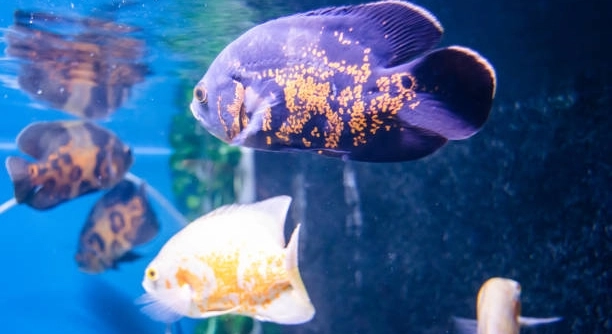
Oscar fish are known for their vibrant personalities and distinct behaviors in the aquarium. Understanding the subtle clues they respond to can enhance their well-being and improve the aquarium experience. Here are seven important signs to look out for.
Oscar fish are highly sensitive to environmental changes and respond to various tank clues, including water quality, lighting, tank mates, and feeding routines. Subtle signals such as changes in water temperature or noise levels can also influence their behavior.
These clues provide valuable insights into how to care for your Oscar fish effectively. Knowing how they react to their surroundings helps create a more comfortable environment for them. Keep reading to learn about these crucial tank signals.
Water Quality: The Key to Your Oscar’s Comfort
Water quality plays a significant role in how your Oscar fish behaves. Oscars are sensitive to even small changes in water parameters such as pH, hardness, and ammonia levels. Keeping the water clean is crucial for their health, as poor water conditions can lead to stress, illness, and changes in behavior. It’s essential to test the water regularly and maintain a proper filtration system to remove excess waste. Oscars prefer slightly acidic to neutral water with stable conditions, so any sudden changes could disturb their comfort.
High ammonia levels or dirty water can make them anxious or even aggressive. Ensuring a proper water change schedule is key to preventing stress-related issues.
Good water quality also affects their feeding habits and overall health. Make sure to monitor your tank’s temperature, pH, and filtration to keep your Oscar happy and stress-free. Consistency is key to maintaining the perfect environment for your fish.
Tank Size and Space
The space you provide for your Oscar is another important factor.
Oscars grow quickly and can become quite large, so they need plenty of room. A small tank will cause overcrowding, which can make your fish anxious and aggressive. A minimum of 75 gallons is recommended for an adult Oscar.
A spacious tank ensures that your fish have room to swim and explore. It also helps reduce territorial behaviors, especially if you have more than one Oscar. In a cramped tank, your fish will feel stressed, and they might lash out. Providing a bigger tank also gives you room for decorations and plants, which can further reduce aggression.
The more space you offer, the healthier and more comfortable your Oscar will be. The environment you create directly impacts their stress levels, so giving them enough space can make a noticeable difference in their behavior.
Lighting and Tank Placement
Lighting is an important factor in the behavior of your Oscar fish.
Oscars are sensitive to changes in lighting, and the intensity or duration of light can affect their daily routine. Too much light can cause stress and aggression, while too little light can make them lethargic. A consistent day-night cycle is essential.
Place your tank in an area where natural light doesn’t directly hit the aquarium, as it can increase algae growth and disturb the fish. Using a dim LED light with a timer can simulate natural conditions and help your Oscar stay on a healthy sleep schedule.
It’s also important to adjust the light depending on the time of day. A gradual transition between light and dark mimics the natural environment, helping your fish stay relaxed. Avoid sudden changes, as this can startle them and create stress.
Tank Mates and Social Dynamics
Oscars are territorial fish and can show aggression toward other tank mates.
When choosing tank mates, make sure they are compatible in terms of size and temperament. Oscars do best with larger, more robust fish. Avoid small or shy species, as they may become targets for bullying. Keep an eye on any aggressive behaviors, especially during feeding time.
Introducing new fish should be done carefully. It’s important to observe how your Oscar reacts to new arrivals. Some Oscars may initially display aggression, but they may adjust over time. However, constant aggression may indicate that the fish aren’t compatible.
Providing hiding spots or territories within the tank can help reduce conflict. Oscars need personal space, so ensuring that each fish has a place to retreat will help ease tensions. Understanding how your Oscar interacts with others is crucial to keeping them comfortable and stress-free.
Feeding Schedule and Habits
Oscars thrive when they have a consistent feeding schedule.
They prefer to be fed at the same time each day. Having a routine helps them feel more secure and less stressed. Skipping meals or overfeeding can disrupt their behavior. It’s best to offer a balanced diet with a variety of foods, including pellets, live, and frozen options.
Consistency and portion control are key. Overfeeding can cause digestive issues, while underfeeding can lead to malnutrition and stress. Pay attention to their eating habits, as changes in appetite can signal health problems.
Noise and Environmental Disruptions
Oscars are sensitive to loud noises.
Sudden loud sounds or movements can startle them, affecting their behavior. It’s important to keep the tank in a quiet area of your home to minimize disturbances.
Frequent loud noises can make your Oscar anxious and impact its overall well-being. Maintaining a calm environment will allow your fish to feel more secure. If you have pets or children, ensure they do not disturb the tank frequently.
FAQ
How often should I change the water for my Oscar fish?
Oscar fish require clean water to stay healthy. A regular water change schedule is essential to avoid water contamination. You should aim to change 20-30% of the water every week. This helps maintain stable water parameters and reduces the risk of illness. You can adjust the frequency if you have a smaller tank or a higher fish load, but weekly changes are generally the best practice.
What temperature should the water be for Oscar fish?
Oscars prefer warm water, typically between 74°F and 81°F (23°C to 27°C). Keeping the water within this range is crucial for their health and comfort. If the temperature drops too low, they can become sluggish or stressed. A reliable aquarium heater will help maintain a consistent temperature.
What kind of tank decorations do Oscars like?
Oscar fish enjoy having places to explore and hide in their tank. They are not particularly picky about decorations, but they prefer items that create hiding spots or territories. Large rocks, driftwood, and caves are good choices. Just make sure the decorations are smooth to prevent injury.
Do Oscars need a filter?
Yes, a good filtration system is essential for keeping the water clean and healthy. Oscars are messy eaters and produce a lot of waste, so a strong filter is necessary to maintain water quality. It’s recommended to use a filter that is rated for a tank size larger than yours to ensure efficient filtration.
Can I keep other fish with my Oscar?
Oscars are aggressive, especially when they feel their territory is threatened. It’s best to keep them with other large, robust fish that can handle their dominant behavior. Avoid small fish, as they may be seen as food. Tank mates like large cichlids, plecos, or catfish are typically good choices.
How do I know if my Oscar is stressed?
Stress can manifest in several ways. If your Oscar is hiding more than usual, displaying aggressive behavior, or not eating, these are signs of stress. Other indicators include rapid breathing, darkened colors, or lethargy. Identifying the cause of stress, such as poor water quality or tankmate aggression, can help improve your fish’s condition.
How can I help my Oscar feel more secure in its tank?
Providing a spacious tank with hiding spots can help your Oscar feel more secure. Large, sturdy decorations or plants can serve as refuge when your fish feels threatened. A stable environment with consistent water conditions, lighting, and feeding routines will also reduce stress and anxiety.
What is the best diet for Oscar fish?
Oscar fish are carnivorous and thrive on a varied diet. High-quality pellets, live or frozen foods like shrimp, worms, and small fish are all great options. You should avoid overfeeding, as it can lead to obesity and water quality issues. A balanced diet will help your Oscar grow healthy and strong.
Why is my Oscar swimming at the surface?
Oscars may swim at the surface for a few reasons. They might be hungry or looking for oxygen. If your fish is swimming at the surface and acting lethargic, it could indicate poor water quality or a lack of oxygen. Consider checking the water parameters and ensuring the filter is working properly.
Can I breed Oscar fish in my aquarium?
Breeding Oscars in a home aquarium is possible, but it requires proper conditions. The tank should be large, with plenty of space for the pair to establish territories. You’ll need to ensure the water temperature is between 78°F and 82°F, and the water quality is excellent. Oscars are protective of their eggs and fry, so separate breeding tanks are sometimes used to avoid aggression from other tank mates.
Do Oscars need a tank heater?
Yes, a heater is necessary to maintain the right water temperature for Oscar fish. They require warm water, and without a reliable heater, the water temperature can fluctuate, which could lead to stress and health issues. Ensure the heater is rated for your tank size to maintain consistent warmth.
How can I tell if my Oscar is sick?
Oscar fish can show signs of illness through changes in behavior and appearance. If your fish is swimming erratically, has white spots on its body, or refuses to eat, these could be signs of a health issue. Look out for any unusual markings, faded colors, or bloating. If symptoms persist, consult an aquarium specialist.
How big do Oscar fish get?
Oscar fish can grow quite large, typically reaching up to 12-14 inches in length. However, their growth rate depends on their diet, tank conditions, and overall care. With proper space, food, and water quality, your Oscar can thrive and grow to its full potential.
Can Oscar fish live with other cichlids?
Oscars can live with other cichlids, but their aggressive nature means compatibility depends on the species. Larger, non-aggressive cichlids are the best choice, as they can stand their ground. Smaller or more peaceful cichlids may be bullied or eaten by an Oscar. Keep an eye on interactions to ensure peace in the tank.
How do I know if my Oscar is happy?
A happy Oscar will swim actively around the tank, show bright colors, and eat regularly. They may also interact with their environment and other tank mates. If your Oscar is staying in one spot, hiding, or showing signs of aggression, these could be indicators of stress or unhappiness.
Final Thoughts
Oscar fish are fascinating creatures, and understanding their needs can make all the difference in creating a thriving environment for them. These fish are not just visually appealing but also have distinct personalities that can make them a joy to care for. However, they require specific attention to their environment, diet, and social interactions to ensure they stay healthy and happy. From maintaining good water quality to offering the right tank size and decorations, every detail counts when it comes to Oscar care.
While Oscars are relatively easy to care for, they do come with some challenges. Their aggressive nature can lead to issues with other fish, so choosing the right tank mates is essential. Additionally, their large size means they need plenty of space to move around. A spacious tank with proper filtration is a must. Monitoring water parameters, like temperature and pH, will also help in keeping them stress-free and comfortable. With the right setup, Oscars can live for years, becoming the centerpiece of your aquarium.
If you are considering adding an Oscar to your tank, remember that they are long-term commitments. It’s not just about feeding them; it’s about creating a stable and stress-free environment. By staying consistent with their care, you’ll be rewarded with an Oscar that grows, thrives, and provides endless entertainment. Whether you are a beginner or an experienced fish keeper, the effort you put into their care will be well worth it in the end. With time and attention, your Oscar will flourish in its tank, bringing life and color to your space.

Hello,
If you enjoy the content that we create, please consider saying a "Thank You!" by leaving a tip.
Every little bit helps us continue crafting quality advice that supports the health, happiness, and well-being of pets around the world, for pets of all shapes, sizes, and species.
We really appreciate the kindness and support that you show us!