
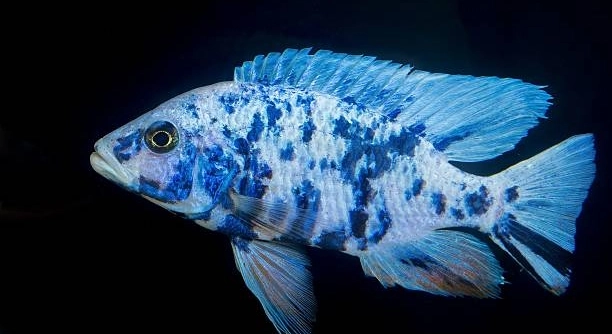
Cichlids are sensitive fish that notice small differences in their surroundings. Many owners overlook subtle changes in the tank that can affect their behavior, health, and comfort. Paying attention to these details can improve their wellbeing.
Even minor adjustments in water temperature, pH levels, lighting, and decoration can significantly influence cichlid behavior. Consistent monitoring and careful modifications ensure a stable environment, reduce stress, and promote natural activity patterns, social interactions, and overall health in these fish.
Learning about these small influences helps maintain a balanced tank environment. Each adjustment contributes to a healthier, more comfortable habitat for your cichlids to thrive.
Water Temperature Adjustments
Cichlids respond quickly to even small changes in water temperature. A shift of just a few degrees can make them more active or lethargic. Warmer water tends to increase their metabolism, encouraging swimming and feeding behaviors. Cooler water can slow them down and reduce aggression. Consistency is key because frequent fluctuations can stress the fish and weaken their immune systems. Using a reliable heater and thermometer helps maintain stable conditions. Observing their reactions when adjusting the temperature gradually allows you to understand their comfort zone. Even subtle drops at night or rises during the day can influence how cichlids interact with each other and their environment. Over time, small, controlled adjustments can create a healthier, more balanced tank, reducing disease risks and encouraging natural behavior patterns. By paying attention to these details, owners can foster a tank that supports both growth and activity, ensuring their cichlids remain vibrant and responsive to daily changes.
Stable temperature levels reduce stress and encourage natural behaviors. Consistency prevents health issues and maintains a lively, balanced aquatic environment for cichlids.
Small temperature changes can also influence breeding behavior. When kept within ideal ranges, cichlids show more interest in mating, territorial displays, and interaction, enhancing the overall dynamics of the tank.
Lighting Variations
Proper lighting affects cichlid activity and coloration. Soft, consistent lighting helps them feel secure and stimulates natural behaviors, while harsh or irregular lighting can cause stress.
Lighting impacts their biological rhythms and visual cues. Cichlids use light to detect movement, establish territories, and select hiding spots. Gradually adjusting light intensity can improve their color vibrancy and reduce aggression. Different species have varying preferences; some favor dimmed areas, while others thrive under brighter illumination. Providing shaded spots with plants or décor helps fish feel protected while still benefiting from the light. Timer-controlled lighting creates a predictable day-night cycle, reducing stress and encouraging normal feeding and resting patterns. Understanding these subtle effects allows for better tank management, ensuring cichlids remain healthy, visually vibrant, and active. Proper lighting also highlights their natural patterns and promotes behaviors like foraging and exploration, making the tank environment more engaging and dynamic.
pH Level Changes
Cichlids are sensitive to pH fluctuations. Maintaining the right range helps them stay healthy and active. Sudden shifts can cause stress, reduce appetite, and even trigger disease. Regular testing is essential for stability.
Adjusting pH gradually prevents shock and allows fish to adapt naturally. Most cichlids thrive in slightly alkaline water, but different species have unique preferences. Using buffers or natural additives like crushed coral can stabilize levels without abrupt changes. Monitoring water chemistry alongside other factors such as hardness and temperature ensures the tank remains balanced. Consistent care in maintaining pH supports immune health, encourages feeding, and promotes natural behavior like territorial activity and social interaction. Small adjustments can make a noticeable difference in energy and color.
Even minor pH variations influence breeding and territorial dynamics. Fish may become more aggressive or withdrawn depending on the water’s acidity. Keeping the pH consistent helps cichlids interact normally and reduces conflict, making the tank more harmonious.
Tank Décor Adjustments
Adding or rearranging décor can change how cichlids explore their environment. Rocks, plants, and hiding spots encourage movement and reduce stress. Proper placement creates territories and prevents overcrowding.
Cichlids respond to visual and physical structures. Rearranging rocks or adding new plants stimulates curiosity and exploration while giving shy fish secure spaces. Decorations provide surfaces for algae growth, supporting natural grazing behaviors. Introducing vertical structures or caves can help dominant fish establish territories without constant confrontation. Consistent updates to the tank environment prevent boredom and mimic natural habitats. Even slight changes in layout influence swimming patterns, social interaction, and feeding behavior. By observing reactions, owners can optimize placement for both comfort and stimulation, enhancing overall tank harmony.
Changes in décor also affect filtration and water flow. Proper positioning ensures circulation remains steady while giving fish areas to hide or rest. Cichlids adapt quickly to thoughtfully arranged environments, which helps reduce stress and encourage natural behaviors like defending territories, establishing social hierarchies, and exploring.
Water Flow Adjustments
Cichlids notice changes in water movement. Strong currents can make them swim more actively, while gentle flow creates calm areas. Adjusting pumps or filters subtly changes their swimming patterns and overall comfort.
Varying water flow helps balance energy levels and reduces aggression. Fish use different currents to navigate and claim territories. Proper flow prevents stagnant areas, improves oxygenation, and supports filtration. Observing how cichlids respond allows fine-tuning for a stable, healthy environment.
Feeding Routine Changes
Altering feeding times or methods influences cichlid behavior and social dynamics. Even small shifts can make them more alert or calmer during feeding. Consistent schedules maintain their digestive health and reduce stress.
Substrate Variations
Different substrates, like sand or gravel, impact how cichlids dig, hide, and interact with the tank. Changing substrate type or texture encourages natural behaviors and can reduce boredom, supporting both physical activity and mental stimulation.
FAQ
How often should I adjust water temperature for cichlids?
Cichlids respond best to stable temperatures. Frequent changes can stress them and weaken their immune systems. Minor adjustments are only necessary if water conditions naturally fluctuate or if introducing new species. Gradual changes of one or two degrees per day are safe. Always monitor reactions closely to ensure comfort.
Can small changes in pH really affect cichlid behavior?
Yes. Even slight shifts in pH can influence activity, aggression, and feeding. Cichlids are sensitive to acidity and alkalinity. Maintaining a stable, species-appropriate pH helps prevent stress and health issues. Gradual adjustments using buffers or natural additives like crushed coral are effective without shocking the fish.
Does lighting intensity change their color?
Lighting affects both mood and appearance. Brighter, consistent light can enhance colors and encourage activity, while dim or uneven lighting may cause stress and dull coloration. Providing shaded areas and plants lets cichlids feel safe while still benefiting from proper illumination, supporting natural patterns and territorial behaviors.
Will rearranging tank décor disturb cichlids?
Some changes may temporarily stress fish, but careful rearrangement often encourages exploration and activity. Rocks, caves, and plants provide territories, hiding spots, and surfaces for grazing. Observing how fish adapt helps balance stimulation and security. Gradual updates prevent confusion and reduce aggression between tank mates.
How does water flow influence cichlid health?
Moderate water movement promotes exercise, oxygenation, and filtration efficiency. Too strong a current can exhaust fish, while too little flow creates stagnant zones. Adjusting pumps or filters to match species preferences supports comfort, natural swimming patterns, and territorial behaviors without creating unnecessary stress.
Do feeding routines affect behavior?
Yes. Feeding times and methods influence activity and social interactions. Irregular schedules can cause anxiety or aggression. Consistent routines maintain digestive health, reduce stress, and allow fish to anticipate meals. Offering varied feeding techniques like surface and bottom feeding encourages natural foraging and exploration.
Can substrate type change how cichlids behave?
Cichlids interact with substrates for digging, hiding, and territorial marking. Sand encourages natural digging behaviors, while gravel provides structure and grazing surfaces. Changing substrate gradually can stimulate activity and reduce boredom, enhancing mental and physical health. Observing preferences ensures the environment suits each species’ habits.
Are small tank adjustments necessary for breeding?
Yes. Slight changes in temperature, pH, lighting, or décor can trigger mating behaviors. Providing stable conditions with subtle variations encourages courtship, egg-laying, and territorial activity. Understanding species-specific needs ensures a safe, supportive environment for both adults and offspring.
Do cichlids notice minor daily changes?
Cichlids are very observant and respond to subtle differences. Light shifts, new decorations, slight water chemistry changes, or altered feeding times can affect behavior. Maintaining balance while introducing controlled changes helps keep fish active, healthy, and comfortable without causing stress or confusion.
How can I tell if adjustments are too much?
Signs include hiding excessively, loss of appetite, lethargy, or unusual aggression. Slow, incremental changes allow observation of reactions and prevent sudden stress. Keeping a log of adjustments and fish responses helps maintain a stable, thriving tank environment over time.
Do temperature, light, and décor interact?
Yes. These factors influence behavior together. Proper lighting enhances color and activity, temperature regulates metabolism, and décor provides security and stimulation. Coordinating these adjustments ensures a harmonious tank where cichlids feel safe, active, and responsive, improving overall health and well-being.
How do I balance multiple subtle changes?
Introduce one change at a time, monitor fish response, and maintain consistency in other areas. This approach prevents overstressing fish and allows clear observation of what affects behavior. Gradual, thoughtful adjustments promote stability, natural behavior, and long-term health in a cichlid tank.
Is observation more important than strict rules?
Absolutely. While guidelines help, each tank and group of cichlids is unique. Watching how fish react to subtle changes provides insight into their comfort and health. Adjustments based on observation ensure the environment meets their specific needs, encouraging active, stress-free behavior and longevity.
Do all cichlid species respond the same way?
Responses vary by species. Some tolerate wider temperature or pH ranges, while others are sensitive to light and décor changes. Researching species-specific preferences allows tailored adjustments. Observing reactions remains essential, as even subtle differences can significantly impact behavior and well-being.
Can I combine feeding, lighting, and décor changes safely?
Yes, but make adjustments gradually. Combining too many changes at once can overwhelm fish. Introducing one variable at a time ensures adaptation and allows clear observation of responses. Thoughtful combinations can enhance activity, natural behaviors, and overall tank harmony without causing stress.
Are minor adjustments worth the effort?
They are. Small, controlled changes influence activity, social dynamics, coloration, and overall health. Cichlids thrive in environments that balance stability with subtle stimulation, promoting natural behavior and reducing stress. Consistent attention to these details supports long-term well-being and a visually engaging tank.
How do I know which adjustments matter most?
Focus on temperature, pH, lighting, décor, substrate, and feeding routines first. These factors directly affect comfort, behavior, and health. Observe responses carefully, then prioritize adjustments based on species needs. Fine-tuning these elements ensures a stable, active, and visually vibrant tank environment.
Can adjustments prevent disease?
Stable, well-maintained conditions reduce stress, which strengthens immune systems. Proper temperature, pH, lighting, and flow, combined with careful feeding and décor management, help prevent common illnesses. Subtle changes that support natural behavior and comfort promote long-term health.
How often should I monitor changes?
Daily observation is ideal, even for minor adjustments. Tracking behavior, feeding, coloration, and activity levels allows early detection of stress or imbalance. Quick intervention maintains stability and helps fish adapt smoothly to changes, ensuring a healthy, thriving environment.
Do these adjustments improve tank harmony?
Yes. Controlled, subtle changes reduce aggression, encourage exploration, and create predictable territories. Balanced environments foster social interactions, breeding behavior, and natural activity patterns. Consistency combined with occasional thoughtful modifications keeps fish engaged, active, and comfortable in their surroundings.
Are minor changes a long-term strategy?
Definitely. Gradual, controlled adjustments promote adaptation, reduce stress, and support natural behavior. Over time, these subtle interventions create a stable, thriving tank that keeps cichlids healthy, visually vibrant, and active, providing both comfort and stimulation for years.
Can observation guide future changes?
Observation is the most effective guide. Fish responses reveal preferences and tolerances. Adjustments informed by careful monitoring maintain stability, improve health, and encourage natural behavior. Using observation to refine environmental factors ensures subtle changes enhance the tank without causing stress.
Do subtle adjustments affect energy levels?
Yes. Water temperature, flow, lighting, and décor all influence activity. Properly balanced adjustments stimulate exploration and social interaction while preventing lethargy or overexertion. Observing energy responses ensures modifications benefit health and behavior without negative consequences.
Is it okay to experiment slowly?
Yes, experimentation is effective if gradual and monitored. Small, controlled changes allow cichlids to adapt safely. Testing adjustments one at a time ensures comfort, reduces stress, and provides insight into what improves behavior and well-being.
Final Thoughts
Caring for cichlids requires attention to details that might seem small but can have a noticeable impact on their behavior and health. Subtle adjustments to water temperature, pH, lighting, décor, substrate, and feeding routines all contribute to creating an environment where these fish can thrive. Even minor changes can influence activity levels, coloration, social interactions, and overall well-being. Being aware of these factors and observing your cichlids closely allows you to understand how they respond to their surroundings. Over time, this careful observation becomes a valuable tool in maintaining a stable, comfortable, and stimulating habitat.
Consistency is key when managing a cichlid tank. Sudden or drastic changes can stress fish and may lead to illness or aggression. Gradual modifications, introduced one at a time, allow the fish to adapt naturally while giving you an opportunity to monitor their reactions. For example, a small shift in temperature or rearrangement of decorations can promote exploration and territorial behavior without causing stress. Keeping routines consistent, such as regular feeding times and predictable lighting cycles, helps maintain stability. At the same time, controlled adjustments prevent the environment from becoming stagnant, encouraging natural behaviors like digging, grazing, and social interaction.
Ultimately, the goal is to create a balanced habitat where cichlids feel safe, active, and comfortable. Paying attention to subtle cues, such as changes in swimming patterns, coloration, or interaction with tank mates, can guide future adjustments. Every species has unique needs, and even individual fish may respond differently to the same conditions. By prioritizing careful observation, gradual adaptation, and thoughtful environmental management, you support both the health and happiness of your cichlids. A well-maintained tank not only promotes physical health but also enhances the natural behaviors and social dynamics that make these fish so engaging to keep.

Hello,
If you enjoy the content that we create, please consider saying a "Thank You!" by leaving a tip.
Every little bit helps us continue crafting quality advice that supports the health, happiness, and well-being of pets around the world, for pets of all shapes, sizes, and species.
We really appreciate the kindness and support that you show us!