
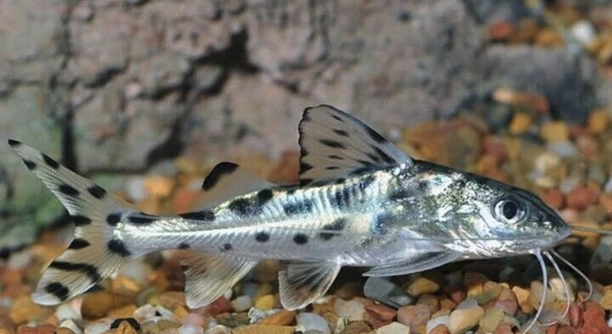
Many people enjoy keeping pictus catfish as peaceful additions to their aquariums. These fish require a balanced diet to stay healthy and active. Recognizing when they are underfed helps ensure their well-being over time.
Pictus catfish that do not receive enough food often show subtle signs such as decreased activity, thin body appearance, and reduced growth. These indicators suggest nutritional deficiencies that can affect their health and longevity if left unaddressed.
Knowing these signs early allows owners to adjust feeding habits and maintain a thriving environment for their pictus catfish.
Reduced Activity Levels
When pictus catfish don’t get enough food, their behavior changes noticeably. They often swim less and hide more than usual. Normally active and curious, underfed pictus lose energy and may rest at the tank bottom or in corners. This change can be gradual and easy to miss at first, especially if the tank has plants or decorations where they can hide. Reduced activity is a way for the fish to conserve energy. Along with less movement, they may show less interest in other tank mates or their surroundings. It’s important to observe your pictus regularly to catch these subtle shifts early. In many cases, increasing the amount or frequency of feeding improves their behavior quickly. However, it’s also necessary to ensure water quality is good since poor conditions can cause similar lethargy.
Low energy and hiding often indicate that feeding needs adjustment.
Noticing these behavioral changes early is key to helping your pictus regain strength and remain healthy.
Thin Body and Visible Bones
When a pictus is underfed, its body shape changes noticeably. Their stomach looks sunken, and bones, especially near the head and tail, become easier to see. Unlike healthy fish, which have rounded, firm bodies, underfed pictus appear thin and fragile. This is because they are using their own fat and muscle reserves to survive. Over time, this can weaken their immune system and make them more prone to illness. It’s important to check your fish regularly, especially if you feed smaller amounts or rely on less nutritious food. Proper feeding includes a mix of high-quality pellets, frozen or live food, and occasional treats to keep their diet balanced. Also, avoid overfeeding other tank mates that may outcompete the pictus for food. Adjusting feeding habits early can restore their body condition and help them thrive again. Observing physical changes carefully is one of the best ways to protect your fish’s health.
Loss of Appetite
A pictus catfish that is underfed may also show a loss of appetite. They might refuse food or eat less than usual. This can be confusing since it seems like they don’t need more food.
Loss of appetite often happens because the fish is stressed or sick, which can result from being underfed for a long time. Sometimes, the fish’s body slows down its metabolism to conserve energy, so it doesn’t feel hungry. It’s important to observe other signs, such as changes in color or behavior, to understand if the lack of eating is a symptom of a bigger issue. Offering varied and fresh food can help stimulate their appetite again. If the problem continues, checking water quality and consulting with an expert is a good idea.
Providing small meals throughout the day rather than one big feeding can encourage eating and prevent food competition in a community tank.
Slow Growth and Poor Development
Underfed pictus catfish often grow slower than healthy ones. When nutrition is not enough, their body can’t develop properly, which affects size and strength. They may remain smaller than other fish of the same age.
Poor growth is a sign that the diet lacks essential nutrients like proteins, vitamins, and minerals. Young fish especially need balanced nutrition to build strong bones and muscles. Feeding a variety of foods, including pellets, frozen bloodworms, and vegetables, supports proper development. It’s also important to avoid overfeeding other fish, as pictus are bottom feeders and may miss out if food is eaten quickly by others. Monitoring growth helps track health and identify problems early. Adjusting feeding routines and improving food quality often results in better growth rates and overall vitality.
Fading Color
Underfed pictus catfish often lose their bright, shiny colors. Their skin looks dull or faded compared to healthy fish. This change can happen slowly and may go unnoticed at first.
Color fading is a sign that the fish’s body isn’t getting enough nutrients to maintain vibrant pigmentation. Lack of proper food weakens their immune system, making them less able to fight off illness, which also affects appearance.
Weak Immune System
A poor diet weakens the pictus catfish’s immune system. When underfed, they are more likely to get sick or develop infections. Their body cannot produce enough defenses against bacteria and parasites. Keeping up proper nutrition is key to preventing disease and promoting long-term health.
Restlessness at Feeding Time
Underfed pictus may become unusually restless or aggressive when food is introduced. This behavior shows their hunger but can lead to stress in a community tank if they compete strongly for food.
Weight Loss
Gradual weight loss is a common sign of underfeeding. If your pictus looks noticeably thinner over time, their diet likely needs improvement.
How often should I feed my pictus catfish?
Feeding pictus catfish once or twice a day is usually enough. Young or very active fish might need small meals more often. Overfeeding can harm water quality, so giving moderate amounts at regular times helps maintain a healthy tank and keeps your fish satisfied.
What type of food is best for pictus catfish?
A varied diet works best. High-quality sinking pellets designed for catfish form the base. Supplement with frozen or live foods like bloodworms, brine shrimp, or daphnia. Occasionally, offering vegetables such as zucchini or cucumber can provide fiber and nutrients.
Can pictus catfish go without food for a day or two?
Yes, pictus catfish can typically handle a short fast of a day or two without problems. However, going longer without food regularly can weaken their health. Consistency in feeding is important to keep their immune system strong and support growth.
How can I tell if my pictus catfish is eating enough?
Watch their behavior and body condition. A healthy pictus will be active, show bright colors, and have a full, rounded body. If they seem lethargic, hide often, or appear thin, they may not be getting enough food.
Why does my pictus catfish refuse to eat sometimes?
Refusal to eat can result from stress, poor water quality, illness, or an unappealing diet. Changing water conditions or tank mates may cause anxiety. Try offering different foods or checking tank parameters to improve their appetite.
What should I do if my pictus catfish is underfed?
Gradually increase feeding amounts and frequency, focusing on nutritious food. Monitor the fish’s weight and activity. Make sure other tank mates aren’t outcompeting them during feeding. Improving water quality can also support recovery.
Can overfeeding cause similar problems as underfeeding?
Yes, overfeeding leads to poor water quality and obesity, causing stress and illness. It can be just as harmful as underfeeding. Balance is key: feed enough to satisfy your pictus without leaving excess food in the tank.
How long does it take for a pictus catfish to recover from being underfed?
Recovery time varies depending on how long the fish was underfed and its overall health. With proper feeding and good water conditions, improvements can be seen in a few weeks. Patience and consistent care are essential.
Are there any signs that mean my pictus catfish is seriously unhealthy?
Signs such as extreme weight loss, constant hiding, rapid breathing, or visible injuries indicate serious health problems. If these occur alongside poor feeding, consult a specialist or consider water testing immediately.
Is it okay to feed my pictus catfish only pellets?
Pellets alone don’t provide complete nutrition. While good quality pellets are a solid base, including frozen or live foods and some plant matter keeps your fish healthy and supports natural feeding behavior.
How do I encourage a picky pictus catfish to eat?
Try offering different types of food and feeding at consistent times. Removing other tank mates temporarily during feeding can reduce competition. Warming frozen food slightly may increase its appeal.
Does the size of the aquarium affect feeding needs?
Yes, larger tanks with more fish might require more food overall, but individual pictus catfish feeding should remain consistent. Overcrowding can increase competition for food, so ensure each fish gets its share.
Can underfeeding affect my pictus catfish’s lifespan?
Chronic underfeeding weakens the immune system and slows growth, which can shorten lifespan. Providing a balanced diet supports long-term health and longevity.
What is the best time of day to feed pictus catfish?
Feeding during low-light periods, such as early morning or late evening, works well. Pictus catfish are nocturnal and more active during these times, making them more likely to eat.
Should I change the feeding routine if my pictus catfish lives with other fish?
Yes, in a community tank, you may need to feed more often or use feeding methods that ensure your pictus gets enough food, like sinking pellets or feeding them separately. Observing their eating habits helps adjust routines.
Proper feeding is one of the most important parts of caring for pictus catfish. These fish depend on a balanced and consistent diet to stay healthy and active. Without enough food, pictus can show many subtle signs like low energy, poor growth, and fading color. Noticing these signs early helps prevent more serious health problems. Feeding them the right amount, at the right times, and with the right foods makes a big difference in their well-being. It also helps them live longer and enjoy a better quality of life in your aquarium.
It is important to watch your pictus catfish closely for any changes in behavior or appearance. Reduced activity, loss of appetite, or a thin body are signs that something might be wrong with their diet. Sometimes, other factors like water quality or tank mates can affect their eating habits too. Making sure your fish has a calm environment and enough food that reaches the bottom of the tank is key. Feeding them a variety of foods, including sinking pellets, frozen or live treats, and some vegetables, provides the nutrients they need to grow and stay strong. Remember that pictus are bottom feeders, so food that sinks slowly will give them the best chance to eat well.
In the end, feeding your pictus catfish well is a simple but crucial part of fish care. Taking time to observe your fish and adjust feeding habits when needed will help avoid underfeeding problems. Good nutrition supports their immune system and helps prevent diseases, making your aquarium a healthier place. If you ever notice signs of underfeeding, don’t wait to change their diet. Small adjustments can bring great improvements. Keeping your pictus catfish well-fed and cared for ensures they remain happy and active members of your tank for years to come.

Hello,
If you enjoy the content that we create, please consider saying a "Thank You!" by leaving a tip.
Every little bit helps us continue crafting quality advice that supports the health, happiness, and well-being of pets around the world, for pets of all shapes, sizes, and species.
We really appreciate the kindness and support that you show us!