
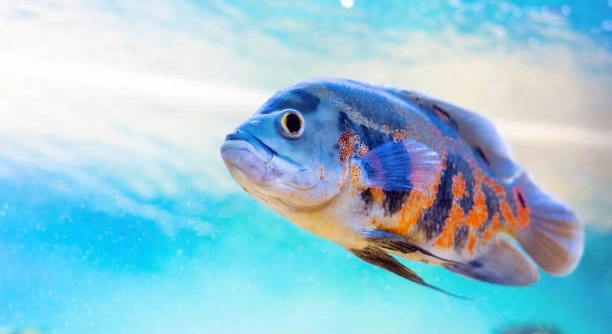
Oscar fish are known for their vibrant colors and unique personalities, but like all pets, they can experience health issues. Recognizing the subtle signs of illness early can help keep them healthy and happy for longer.
Your Oscar may show signs of sickness through subtle changes in behavior, appearance, or eating habits. Monitoring these signs closely will allow you to address potential issues before they escalate, ensuring your Oscar stays healthy.
Recognizing these signs can be tricky, but it’s essential to know when something is wrong. By observing carefully, you can provide better care for your fish and avoid serious health problems.
1. Decreased Appetite or Refusal to Eat
One of the first signs your Oscar might be getting sick is a loss of appetite. Oscars are known for their hearty appetite, so if they suddenly stop eating or become picky about their food, it could signal an underlying health issue. Changes in eating habits should be taken seriously, as they can point to various problems, from minor stress to more severe conditions like internal infections or parasites.
When Oscars refuse to eat, it’s important to check their environment for stress factors like poor water quality, extreme temperatures, or tank mates. A consistent feeding schedule can help maintain their health, but if they still avoid food, consider consulting a vet.
In many cases, a loss of appetite is temporary and can be resolved by adjusting water conditions or feeding schedule. However, if this continues for more than a few days, it’s time to act. Don’t ignore this behavior. Early intervention can make a big difference in their recovery.
2. Sudden Changes in Color or Appearance
Oscars are known for their vibrant colors, so if their color begins to fade, it’s usually a sign of distress. Stress, poor water quality, or illness can all affect their skin and coloring. Oscars may also develop spots or other visible abnormalities that should not be ignored.
Fading colors can indicate a number of health concerns, including parasites, bacterial infections, or even the tank environment. Make sure your tank’s water quality is optimal and that there are no changes in lighting or temperature that might be stressing your fish.
Physical changes like cloudy eyes, faded scales, or discolored patches should never be dismissed. These signs suggest that your Oscar’s health is deteriorating, and quick action is necessary. Check the tank conditions and address any imbalances immediately.
3. Changes in Swimming Behavior
If your Oscar starts swimming erratically or spends too much time near the surface or bottom, it could be a sign of illness. Healthy Oscars swim actively and confidently. A shift in swimming patterns might indicate water quality issues, stress, or physical discomfort.
Oscars may also swim in circles or seem disoriented when they’re unwell. This could be a sign of internal issues, like a bacterial infection or a parasite infestation. If their behavior is unusual, check water parameters like pH, temperature, and ammonia levels, as poor water conditions often trigger this kind of behavior.
Long-term behavioral changes, such as a loss of coordination or difficulty staying afloat, should prompt immediate action. Sick Oscars often struggle to maintain their usual swimming patterns, so it’s important to observe them closely. If behavior doesn’t improve after adjusting the tank, seek veterinary help.
4. Noticeable Weight Loss
Weight loss in Oscars can be a sign of more serious issues. Oscars are usually hearty eaters and maintain a relatively stable weight. If your Oscar starts losing weight rapidly or appears thinner than usual, it could indicate problems like parasites, infections, or digestive issues.
When weight loss occurs, it’s important to check their eating habits. If your Oscar is still eating but losing weight, it’s likely that the fish is not absorbing nutrients properly. Alternatively, a drastic decrease in food intake can also contribute to weight loss, so monitor both feeding and tank conditions closely.
Weight loss that accompanies other symptoms, such as lethargy or discoloration, should never be ignored. Make sure the tank conditions are optimized, and if the issue persists for several days, consult a professional. Early detection can help manage potential infections or illnesses before they become severe.
5. Gasping for Air
If your Oscar is constantly near the surface of the water, gasping for air, it could mean they’re struggling to breathe. Oscars typically swim and breathe at a normal pace, so this behavior is a red flag that something’s off.
Poor water quality, like high ammonia or low oxygen levels, could be the cause. If the tank is overcrowded or filtration isn’t running effectively, the water might not be providing enough oxygen for your Oscar to thrive. Check your tank’s aeration system and make sure it’s functioning properly.
In extreme cases, gasping could also point to an underlying infection or gill damage. If this behavior continues for more than a day, adjusting the water quality or seeking professional help is necessary to prevent further harm to your fish.
6. Faded or Clamped Fins
Clamped fins are another subtle sign that your Oscar may be feeling unwell. Oscars should normally have their fins spread out, but when they are stressed or sick, they may keep them clamped close to their bodies.
This behavior can indicate various issues such as stress, water pollution, or infections. If your Oscar is suddenly displaying clamped fins and other signs of illness, it’s important to assess their environment, including water temperature and tank mates, to identify the source of the stress.
Clamped fins are often a response to physical discomfort, so it’s essential to monitor your Oscar for other symptoms. If left unaddressed, the issue may escalate into more serious health concerns that could affect your Oscar’s well-being.
FAQ
What should I do if my Oscar is showing signs of illness?
The first thing to do is assess the water quality in your tank. Oscars are very sensitive to poor water conditions. Check the temperature, pH levels, ammonia, nitrites, and nitrates. If these levels are off, perform a water change and adjust the tank’s filtration. If the symptoms persist after correcting water conditions, consider consulting a vet. Isolate the fish if needed to prevent it from spreading any potential diseases to other tank mates.
How often should I check my Oscar’s water quality?
Water quality should be checked regularly, at least once a week. Oscars are sensitive to changes in water conditions, and keeping the tank clean is vital for their health. Test for ammonia, nitrites, nitrates, pH, and temperature. If you notice any issues or changes in your Oscar’s behavior, increase the frequency of testing. Keeping the water at optimal levels helps prevent illnesses from developing.
Can Oscars get sick from bad tank mates?
Yes, Oscars can get stressed or sick from tank mates that aren’t a good fit. They are territorial and aggressive fish. Introducing fish that are too small or slow-moving may cause your Oscar stress, leading to a weakened immune system. Make sure your Oscar’s tank mates are compatible in terms of size, temperament, and swimming behavior.
What should I do if my Oscar is refusing to eat?
If your Oscar refuses food, start by checking the water quality. Poor conditions can stress them and cause a loss of appetite. Also, try offering different foods to see if they have a preference or if they’re simply bored with the same diet. If the refusal lasts more than a few days, monitor for any additional symptoms and consult a vet.
Is it normal for an Oscar to become less active?
Occasionally, an Oscar may have less energy, especially after a change in environment, such as a new tank or a water change. However, a prolonged lack of activity could be a sign of stress or illness. If your Oscar is lethargic for an extended period or shows other symptoms, it’s best to check the water and look for signs of infection or disease.
How do I know if my Oscar is stressed?
Common signs of stress in Oscars include hiding more than usual, clamped fins, swimming erratically, or rubbing against objects in the tank. Stress can also cause a loss of appetite or changes in color. Look for any disruptions in the tank that might be causing the stress, such as water quality issues, territorial disputes with tank mates, or sudden environmental changes.
Can I treat my Oscar for illness without a vet?
You can treat mild cases of illness at home by adjusting water conditions, offering high-quality food, and ensuring a stable tank environment. Some external treatments are available, like salt baths or anti-parasitic medication. However, if the condition worsens or doesn’t improve, a vet should be consulted for a proper diagnosis and treatment plan.
What causes Oscars to lose their color?
Oscars lose their vibrant color for several reasons. Poor water quality, stress, or illness can all contribute to fading. Additionally, lack of proper nutrition can affect their pigmentation. If your Oscar is losing color, check for water quality issues, stress factors, or any possible infections that might be at play.
Can Oscars get internal parasites?
Yes, Oscars can get internal parasites, which may affect their appetite, behavior, and overall health. Symptoms include weight loss, lethargy, and visible changes in the stool. If you suspect internal parasites, it’s important to act quickly. Treatment may include medicated food or specific treatments prescribed by a vet. Regular water changes and proper filtration can help reduce the risk of parasites.
Why does my Oscar swim in circles or act disoriented?
Oscars that swim in circles or appear disoriented might be dealing with a number of issues. Poor water quality, such as high ammonia levels, can cause this behavior. It could also be a sign of a bacterial infection or a neurological issue. Keep a close eye on your Oscar and consider adjusting the water conditions. If the behavior persists, consult a vet for further evaluation.
How can I prevent my Oscar from getting sick?
Preventing illness involves maintaining a clean and stable environment. Regularly check water quality, and make sure your Oscar’s tank is the right size with proper filtration. Keep an eye on their diet, and ensure they’re eating a balanced mix of high-quality foods. Avoid introducing new fish too quickly, and always quarantine new arrivals before adding them to the tank.
How do I know if my Oscar is constipated?
Constipation in Oscars may cause them to have difficulty swimming, appear bloated, or stop eating. You might also notice less frequent waste being produced. To treat constipation, try fasting your Oscar for a couple of days, and then offer a piece of peeled, deshelled pea to help clear the digestive system. If constipation continues, consider consulting a vet for more specific treatments.
Is it normal for Oscars to be aggressive?
Oscars can be aggressive, especially as they grow. They are territorial fish and may show aggression toward other tank mates, particularly during feeding times or if they feel their space is threatened. However, aggression should not be excessive or constant. If your Oscar is overly aggressive, consider rearranging the tank or introducing compatible tank mates to reduce stress.
Why is my Oscar staying at the bottom of the tank?
Oscars that stay at the bottom of the tank may be suffering from poor water quality, stress, or a physical illness. Check for signs of distress, like clamped fins or faded colors. If the water quality is good, consider other factors such as tank temperature or tank mates. If your Oscar’s behavior continues, a vet visit might be necessary.
Final Thoughts
Taking care of an Oscar fish requires a bit of attention and understanding. These fish are not just colorful decorations; they have specific needs that must be met to ensure they stay healthy. Regular water testing and maintenance are essential, as Oscars are very sensitive to water quality. Keeping a close eye on their behavior and physical appearance will help you notice any signs of illness early on, allowing you to address potential issues before they become serious problems. Regular water changes, a balanced diet, and proper tank conditions go a long way in keeping your Oscar happy and thriving.
It’s also important to recognize that Oscar fish, like any pets, can sometimes show signs of illness that are hard to catch at first. Whether it’s a loss of appetite, changes in behavior, or noticeable changes in their color, each symptom should be taken seriously. Keeping the tank clean and ensuring they have the proper space and environment are simple yet effective steps to prevent many common issues. If problems do arise, acting quickly can make a significant difference in the outcome. Whether adjusting water parameters or consulting a vet, prompt action is key.
While Oscars are tough and resilient, they still need care and attention to thrive. Taking the time to learn about their specific needs and monitoring their health closely can help you catch any issues early on. By ensuring your Oscar is in the right environment, eating well, and behaving normally, you can enjoy a healthy fish for years to come. Stay proactive in their care, and you’ll likely see your Oscar flourish in a happy and stress-free tank.

Hello,
If you enjoy the content that we create, please consider saying a "Thank You!" by leaving a tip.
Every little bit helps us continue crafting quality advice that supports the health, happiness, and well-being of pets around the world, for pets of all shapes, sizes, and species.
We really appreciate the kindness and support that you show us!