
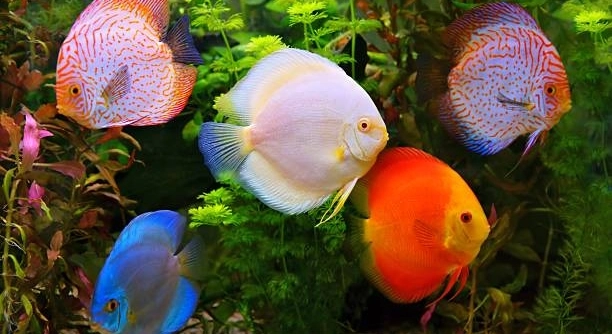
Do your discus fish seem a little off lately, even though everything in the tank appears normal? You might be missing the early signs of illness.
Discus fish often show subtle symptoms before becoming visibly sick. These signs can include changes in behavior, appetite, coloration, and interaction with other fish. Identifying these early warnings is important to prevent more serious health problems and loss.
Knowing what to watch for can help you respond faster and keep your discus healthy and thriving in the long run.
Loss of Appetite
Discus fish are usually eager eaters, especially when they’re comfortable in their environment. When they begin to show less interest in food or ignore it completely, it’s often a sign something is wrong. This can happen slowly over several days or quite suddenly. Skipping meals or only picking at food may point to internal parasites, stress, or poor water quality. Sometimes, a new tank setup or the addition of new fish can disrupt their usual routine. It’s important to monitor their eating habits closely and note any changes. Feeding time is not only about nutrition; it’s also a great time to observe their overall condition. If their appetite drops, it’s time to check their tank conditions and consider isolating the fish to watch for other signs. Taking action early helps prevent more serious health issues that can spread to others in the tank.
When a discus fish stops eating, it’s often reacting to a change in its environment or health.
Appetite loss can also be linked to infections or internal issues. Look for weight loss or waste hanging from the fish, which might indicate digestive trouble. If the problem lasts more than a few days, try offering different food types, such as frozen or live options. You can also try small water changes and test for ammonia, nitrite, or pH imbalance. In some cases, medicated food can help treat underlying problems. If multiple fish show signs at once, the issue is more likely linked to the tank rather than a single fish. Always quarantine new arrivals before adding them to your main tank to limit the chance of spreading illness. By noticing appetite changes early and acting fast, you can avoid bigger health problems for your discus fish.
Unusual Swimming Patterns
Unusual movement is one of the first signs something might be off with your discus fish.
A healthy discus glides smoothly through the water, often moving together with others. When one starts swimming in circles, hovering at the surface, staying near the bottom, or tilting to one side, it can mean stress or illness. These changes may be related to swim bladder issues, poor water conditions, or even infection. Pay close attention to how your fish moves compared to usual behavior. Jerky or unbalanced swimming may also point to problems with the nervous system or gill health. Always test your water parameters first—ammonia, nitrites, and temperature are key factors that can impact movement. If levels are normal, consider isolating the fish and watching for other symptoms. A calm, stable environment often helps reduce stress, but if behavior doesn’t improve within a day or two, you may need to start treatment. Prompt action helps protect your entire tank from potential problems.
Faded or Darkened Coloration
Changes in your discus fish’s color can signal early illness. A fish that was once vibrant may appear pale, washed out, or suddenly darker than usual. These shifts often mean stress, disease, or poor tank conditions.
When discus fish are stressed, they may lose their bright colors and appear dull or grey. This can happen due to changes in water temperature, ammonia spikes, or even aggressive tankmates. Darkened coloration, especially in patches, might also be a sign of skin infections or parasites. In some cases, darkening is a reaction to pain or discomfort. If your fish shows this sign, check for other symptoms like fin clamping, hiding, or loss of appetite. Sudden color shifts in multiple fish can suggest a water quality issue. Make sure to test the tank regularly, and don’t ignore these visual warnings—color change is often one of the earliest signs of trouble.
Color loss in discus can also happen when fish are kept in poor lighting or stressful environments for too long. Keeping them in a peaceful tank, with hiding spots and stable water parameters, can help maintain healthy colors. Good nutrition is also key—make sure they’re getting a varied diet rich in vitamins and minerals. If coloration continues to fade or darken despite good conditions, consider a health check for parasites or internal infections. Early treatment gives your fish a better chance of recovery. Be observant and track how long the color change lasts and whether it gets worse over time. Monitoring these details can help you spot patterns and take action before the condition becomes more serious.
Clamped Fins
Clamped fins are when your discus fish keeps its fins tight against its body instead of spreading them out naturally. It’s usually a sign of stress, irritation, or discomfort from internal or external issues.
This behavior is easy to miss if you’re not paying close attention. Healthy discus fish move their fins fluidly and keep them open while swimming. But when something is wrong—like poor water quality, parasites, or disease—they may clamp their fins, move less, or isolate themselves. If only one fish shows clamped fins, try isolating it and observing closely. Watch for other signs like breathing difficulty, color change, or loss of appetite. Testing water parameters should be the first step. If water is fine, the next step could be a salt bath or parasite treatment. Avoid overreacting with harsh medications until you’ve ruled out environmental causes. Early care helps avoid spreading the problem to other fish.
Scraping Against Objects
When discus fish rub their bodies against decorations, plants, or the tank walls, it often means they feel irritated. This can be caused by external parasites, poor water quality, or the early stages of infection.
If this behavior continues, it may lead to skin damage or open wounds. Always check water parameters and inspect the fish’s body for tiny spots, slime, or discoloration.
Isolating from the Group
Discus fish are naturally social and tend to stay close to each other. When one separates itself and stays in a corner or behind decorations, it usually means the fish is unwell.
This behavior may appear before other symptoms. Isolation often points to stress, discomfort, or illness. It’s best to observe this fish closely and test your water. Watch for signs like heavy breathing, clamped fins, or lack of appetite. If needed, move the fish to a hospital tank for closer monitoring and possible treatment. Catching the issue early can make a big difference in recovery.
Rapid Gill Movement
Fast gill movement or heavy breathing is usually a response to stress, poor oxygen levels, or gill parasites. It may also happen after a sudden change in water temperature or chemical exposure. Check your water right away and make sure the tank is well-aerated.
FAQ
What should I do if only one discus fish is acting sick?
If only one fish is showing signs of illness, it’s best to move it to a separate tank to observe it more closely. This helps prevent any possible spread of disease to your other fish. In the isolation tank, monitor its eating habits, behavior, and any physical changes. Check your main tank’s water parameters to rule out environmental causes. Sometimes, stress from bullying, minor injury, or even hidden parasites can affect just one fish at a time. Keep the isolated tank clean, use gentle filtration, and avoid overfeeding. Watch closely over the next few days to decide if treatment is needed.
How often should I check my discus fish for signs of sickness?
Daily observation is best. Even if your tank looks clean and the fish are eating well, small changes can happen quickly. Look for subtle signs—slower swimming, less interest in food, or color changes. These things often happen before the fish becomes very sick. Spending just a few minutes watching them during feeding times can help you spot issues early. Discus fish tend to hide illness, so consistency in checking is key.
Is it normal for discus fish to change color slightly during the day?
Yes, small color shifts throughout the day can happen and are usually not a cause for concern. Lighting, mood, and activity levels can affect how their color appears. For example, they may look brighter when excited or feeding. However, if the color becomes unusually dark or pale and stays that way, it could be a warning sign. Always compare changes with behavior—if the fish is still active and eating, it’s likely normal.
What are some common mistakes people make when treating sick discus?
One common mistake is treating the entire tank too quickly with strong medications. This can stress all the fish and harm helpful bacteria. Another mistake is skipping water tests and assuming it’s always a disease. Many times, problems start from poor water quality or temperature swings. Overfeeding during treatment is also risky—it can worsen water conditions. It’s better to isolate the sick fish when possible and start with basic steps like improving water, using salt baths, or adjusting temperature slightly before trying medications.
Can stress alone make discus fish sick?
Yes, stress can weaken the immune system and make discus more likely to get sick. Things like sudden water changes, overcrowding, aggressive tankmates, or loud surroundings can all stress them out. When stressed, they may stop eating, clamp their fins, or show dark coloration. Managing stress is just as important as treating illness. Keep the tank calm, with stable water conditions and enough space for all the fish.
What kind of foods help keep discus fish healthy?
Feed them a varied diet that includes high-quality pellets, frozen foods like bloodworms or brine shrimp, and occasional treats like beef heart mixes. Avoid overfeeding and always remove uneaten food. Nutrition affects their color, immunity, and energy levels. Rotating food types helps prevent nutritional gaps and keeps their interest during feeding.
Should I always quarantine new fish before adding them to my discus tank?
Yes, always quarantine new fish for at least 2–3 weeks. This allows you to observe them for signs of disease or parasites before they enter the main tank. Even if they look healthy, they may carry something that could stress or infect your discus. Use a small separate tank with good filtration and stable water to safely quarantine.
How do I know if a discus fish is just shy or actually sick?
Shy discus will still eat, swim around when no one’s watching, and slowly become more confident. A sick fish will likely isolate all the time, refuse food, and show physical signs like clamped fins or rapid gill movement. Watch closely at feeding times and check for consistency in behavior. If the fish seems withdrawn for several days with no improvement, it’s best to investigate further.
Final Thoughts
Caring for discus fish takes time, patience, and close attention to small details. These fish are sensitive, and even small changes in their behavior or appearance can mean something is wrong. The early signs of sickness are often subtle—like eating less, swimming differently, or separating from the group. Noticing these small changes early can help you act before the condition gets worse. It’s always better to be cautious and check for any possible problems, even if the signs seem minor.
Keeping the tank clean and stable is one of the best ways to prevent illness. Make sure to check your water parameters often, keep up with regular water changes, and avoid overcrowding. Feeding your discus a balanced diet also plays a big role in their overall health. Try to avoid sudden changes in temperature, lighting, or tank layout, as these can stress the fish. A calm, steady environment helps them feel secure and stay healthy.
When a discus fish shows signs of sickness, try not to panic. Start by testing the water and observing the fish closely. If needed, isolate it in a separate tank and give it some time to recover without stress from other fish. Using simple steps—like improving water quality or trying a salt bath—can make a big difference. Medications should only be used when you’re sure they’re needed. Being patient and consistent in your care will help your discus stay strong and thrive.

Hello,
If you enjoy the content that we create, please consider saying a "Thank You!" by leaving a tip.
Every little bit helps us continue crafting quality advice that supports the health, happiness, and well-being of pets around the world, for pets of all shapes, sizes, and species.
We really appreciate the kindness and support that you show us!