
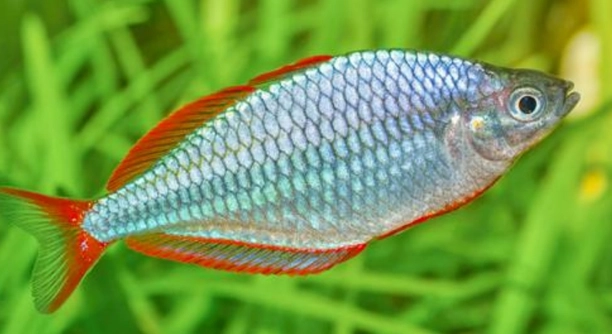
Rainbow fish are known for their vibrant colors and playful movements in aquariums. If you’re observing these creatures closely, you may notice subtle changes in their behavior. These signs can indicate that your rainbow fish are beginning to pair up.
Rainbow fish pair up when they engage in specific behaviors, such as chasing each other or displaying intense colors. These actions often signal a mating ritual and a stronger bond between two fish, a common occurrence during breeding season.
Noticing these small changes in their behavior will help you understand their social dynamics better. Learning to identify these signs is an exciting part of observing rainbow fish.
Subtle Color Changes in Rainbow Fish
As rainbow fish begin to pair up, you’ll notice their colors becoming more vivid. During the mating season, males often display more intense hues to attract females. These vibrant changes are usually seen in their fins, body, and overall appearance. The brightness of their colors becomes especially noticeable when the fish are in close proximity to one another.
This behavior is a clear indication of courtship. The male rainbow fish will attempt to show off his colors to the female, trying to stand out. It’s a visual cue that helps the female assess his fitness for pairing.
In some cases, you might also see a slight change in the intensity of the female’s colors. Although she may not have the same striking colors as the male, her body will typically reflect a more subtle shift. These color changes are not only beautiful but essential in the bonding process. The male’s display of colors can sometimes lead to increased interaction between the two, such as chasing or swimming together. Keep an eye on your fish; these colorful changes are one of the easiest ways to tell when rainbow fish are getting closer to pairing.
Swimming Patterns and Behavior
Another subtle sign that rainbow fish are pairing up is a change in their swimming patterns. They often swim closely together, occasionally in tight circles or synchronized movements.
Once the pairing is beginning, you might notice a decrease in aggressive behaviors. Males are less likely to chase other males and instead focus on the female they are interested in. This shift in behavior often leads to more cooperative and synchronized swimming between the two fish. As the male and female begin to bond, they become more territorial, but not in an aggressive way. This behavior shows they are focusing on each other and forming a stronger connection. Their swimming becomes a way of communicating and reinforcing their bond, with the pair spending more time together in the same part of the aquarium.
Territorial Behavior
When rainbow fish begin to pair up, their territorial behavior will become more apparent. You might notice that the fish start defending specific areas of the tank, usually near plants or hiding spots. This is a natural behavior as they prepare for potential spawning.
As the pair strengthens their bond, they may become more protective of their chosen space. The male will often chase away other fish that venture too close. This is his way of ensuring the female feels safe in the area. He may also use these territories to attract her, showing off his colors in the process. While this behavior can seem aggressive, it’s simply a sign of their developing connection. Watching them establish and guard these territories provides a clear indication of their growing bond.
It’s important to respect these territorial changes and give the fish space. This behavior is a good sign that the fish are becoming more comfortable with each other, which can lead to successful pair bonding. If you have other fish in the tank, it might be worth monitoring to ensure no conflicts arise. This phase is essential for their natural mating ritual.
Mutual Attraction
Rainbow fish begin to display mutual attraction when they start swimming closely together. Their movements become synchronized, which is often seen when the fish swim in unison, circling each other. This indicates that they are beginning to form a pair bond.
The attraction between the two is not just about proximity. It’s about how the fish interact with one another during these moments. You’ll see the male and female adjusting their movements to stay near each other, with the male often taking the lead. These synchronized movements serve as a courtship display, signaling that the pair is ready to pair up. The male will also display his brightest colors during these interactions to impress the female and draw her in. The bond they share is visible in these mutual swimming patterns, which are among the clearest signs that they’re starting to form a pair.
Flared Fins
Flared fins are another sign that rainbow fish are starting to pair up. When a male is ready to court a female, he often spreads his fins wide, displaying them to their fullest extent. This is a clear attempt to show off and attract her attention.
The male’s flared fins become an important part of his courtship ritual. Not only does it make him appear larger and more impressive, but it also signals to the female that he is a suitable mate. As the male continues to impress her, you’ll see these flared fins more frequently during their time together. It’s a natural behavior that helps both fish decide if they want to pair up.
Increased Activity
As the rainbow fish begin pairing, their overall activity levels increase. They may become more energetic, swimming faster or in a more erratic manner. This is often due to the heightened excitement as they prepare to mate.
The male is likely to follow the female around more often during this time, keeping a close distance. The extra energy is part of the display of readiness to bond. As they get closer, their movements become more fluid, indicating their growing connection. It’s exciting to watch as the fish’s behavior changes to reflect this new dynamic.
Display of Courtship Behavior
Courtship behavior in rainbow fish can be subtle but noticeable. The male often swims alongside the female, making gentle nudges or brushing against her body. These gestures are meant to demonstrate his interest and to test if she’s receptive.
These displays are a way for the male to communicate his intentions. As the pair begins to grow more comfortable with each other, their interactions become smoother and more synchronized. Over time, these courtship actions build trust, allowing the pair to become closer. This behavior can continue for days, slowly solidifying their bond and readiness to mate.
FAQ
What do rainbow fish look like when they are pairing up?
When rainbow fish begin to pair up, you’ll notice some changes in their appearance. Males typically become more vibrant, with brighter colors and more intense markings. The fins may flare out more than usual, showing off their size and beauty. The fish will also swim together in close proximity, often circling each other or moving in synchronized patterns. The female may not display the same vivid colors, but you might still notice subtle changes, such as slightly brighter markings or a more relaxed swimming style.
How can I tell if my rainbow fish are mating?
Mating behavior in rainbow fish can be seen through their interactions, which include increased swimming together, flared fins, and gentle nudges. When the fish are mating, the male typically leads the pair, displaying his best colors and movements. You’ll also notice the pair spending more time in a specific part of the tank, often near plants or rocks. If they are truly mating, you may observe the male nudging the female or even trying to chase her gently. During the actual spawning process, the female will lay eggs, and the male fertilizes them. It’s a gradual, but clear, display of their bonding.
Do rainbow fish only pair up during the breeding season?
Yes, rainbow fish tend to pair up most noticeably during the breeding season. This is when their courtship behaviors are at their peak, and the males display their brightest colors to attract a mate. While they may still interact in smaller ways outside of the breeding season, pairing up and engaging in mating rituals is primarily a seasonal activity. This behavior is influenced by environmental factors, such as water temperature and light, which signal the start of their breeding cycle. Outside of this season, the fish may not exhibit the same level of attachment to each other.
How long does it take for rainbow fish to form a pair?
Rainbow fish can take a few days to several weeks to form a pair, depending on the individual fish and the conditions in the aquarium. The process involves several stages of courtship, where the male gradually impresses the female with his vibrant colors and movements. During this time, the fish will get used to each other’s presence and begin to engage in synchronized swimming patterns. Once they’ve formed a bond, the pair will become more closely attached and may defend a territory together. It’s important to be patient as the process can take time, especially in a community tank with multiple fish.
What should I do if my rainbow fish are fighting during the pairing process?
It’s common for rainbow fish to show some aggression during the pairing process, particularly between males as they compete for the female’s attention. However, if the fighting seems excessive or harmful, it’s best to separate the aggressors. You can add more hiding spots and plants to the tank to help reduce tension, allowing the fish to establish their territories without constant conflict. In some cases, you may need to remove one of the males to avoid injury or stress to the fish. Keep an eye on the situation and monitor their behavior to ensure the pair bonding process continues smoothly.
Can rainbow fish live alone, or do they need a mate?
Rainbow fish are social creatures and generally do better when kept in groups. However, they don’t necessarily need a mate to thrive. While they will form pair bonds during the breeding season, they can live happily in groups of several fish without the need for constant pair bonding. Keeping a group allows them to display natural social behaviors, which can reduce stress and promote overall well-being. If you have only one rainbow fish, it’s important to provide plenty of stimulation and space in the tank to keep it healthy and active.
What is the best environment for rainbow fish to pair up in?
Rainbow fish will feel most comfortable and be more likely to pair up in an environment that mimics their natural habitat. This means providing a well-planted tank with plenty of hiding spots, such as rocks or driftwood. The water should be clean and well-oxygenated, with a stable temperature that matches their preferred range, typically between 75°F and 80°F (24°C to 27°C). Maintaining good water quality is essential, as rainbow fish can be sensitive to fluctuations in their environment. A peaceful tank with no aggressive fish will also encourage the rainbow fish to focus on forming their pair bond.
How can I encourage my rainbow fish to pair up?
To encourage rainbow fish to pair up, ensure that they are kept in a comfortable and stable environment. Provide plenty of hiding spots, plants, and space for them to swim. It’s also helpful to have a good number of rainbow fish in the tank, as they are social animals and often form bonds within groups. Ensure the water temperature is within the optimal range and maintain good water quality to reduce stress. If you have multiple males and females, the males will naturally compete for the attention of the females, which can stimulate pairing behavior. Additionally, if you are breeding rainbow fish, adding a gentle current can simulate the conditions they would experience in the wild, further encouraging natural behavior.
Do rainbow fish form lifelong bonds?
Rainbow fish typically form a pair bond during the breeding season, but it’s not usually a lifelong commitment. Once the breeding cycle is over, the pair may drift apart or return to a more social group dynamic. Unlike some species, rainbow fish don’t generally form permanent monogamous bonds. However, during the breeding season, their bond can be quite strong as they work together to protect eggs and ensure successful reproduction. While they may not stay paired up long-term, they will go through an intense bonding process when they are actively breeding.
Final Thoughts
Rainbow fish are fascinating creatures, and watching them pair up can be an exciting experience for any aquarium owner. Their colorful displays, unique behaviors, and social interactions make it clear when they are forming a bond. From flaring fins to synchronized swimming patterns, each subtle sign helps you understand the development of their relationship. These behaviors show not only the male’s effort to impress the female but also the gradual formation of a pair that will help ensure the survival of their species. The connection between the two fish grows stronger over time, especially during breeding seasons, and it’s a fascinating process to witness.
While rainbow fish are social by nature, they don’t always need to form permanent pairs. In fact, they can thrive in groups without the need for constant bonding. However, understanding when they begin pairing up can provide valuable insights into their natural behaviors. When rainbow fish pair up, it’s a sign of health, readiness to reproduce, and an optimal environment. The process is not always quick, and it can take time for the fish to fully establish their connection. But with patience and the right conditions, you will likely see a beautiful bond form between them, creating a peaceful and balanced aquarium.
In the end, observing rainbow fish as they go through the pairing process adds a layer of enjoyment to caring for them. These fish are not just colorful decorations in your tank—they are lively creatures with fascinating habits and social dynamics. By understanding these subtle signs of bonding, you can gain a deeper appreciation for their behaviors. Keeping the right environment and providing ample space will help foster these natural behaviors, leading to a healthier and more vibrant aquarium. Whether you’re interested in breeding them or simply enjoy watching their unique interactions, rainbow fish offer an endless source of wonder.

Hello,
If you enjoy the content that we create, please consider saying a "Thank You!" by leaving a tip.
Every little bit helps us continue crafting quality advice that supports the health, happiness, and well-being of pets around the world, for pets of all shapes, sizes, and species.
We really appreciate the kindness and support that you show us!